Lots of conversations atm about behaviour in early years. Children’s actions can often be understood as their "voice", giving us info about their developmental needs - especially when they are inconvenient or difficult! Some ideas in the table:
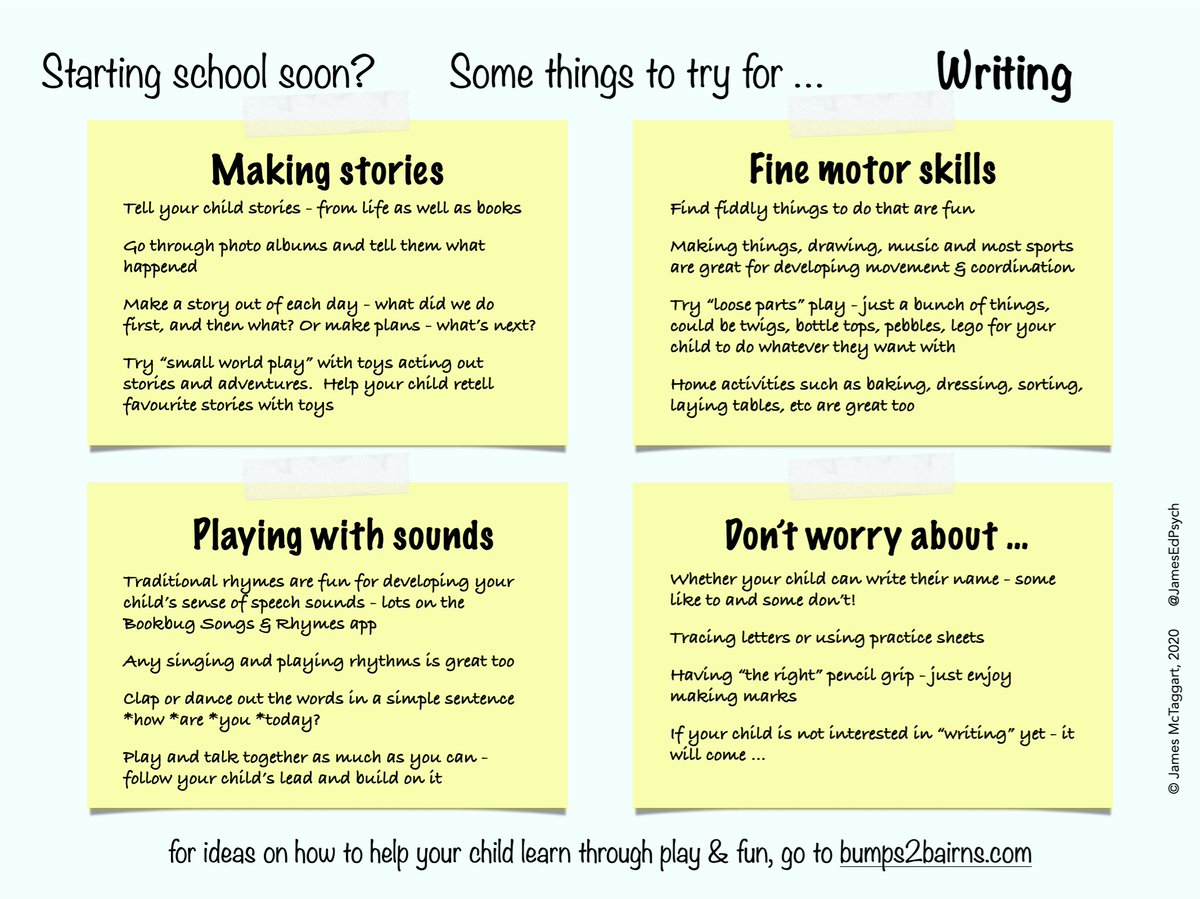
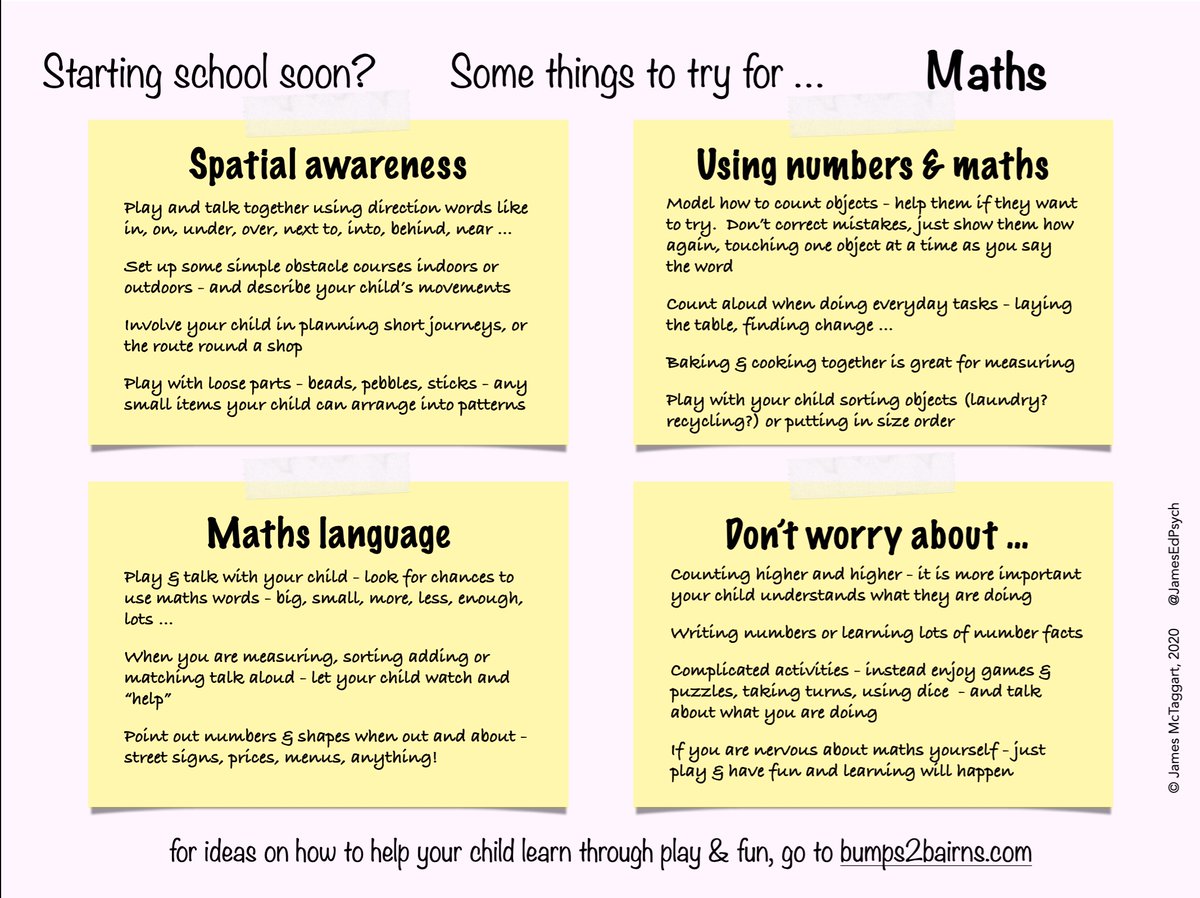
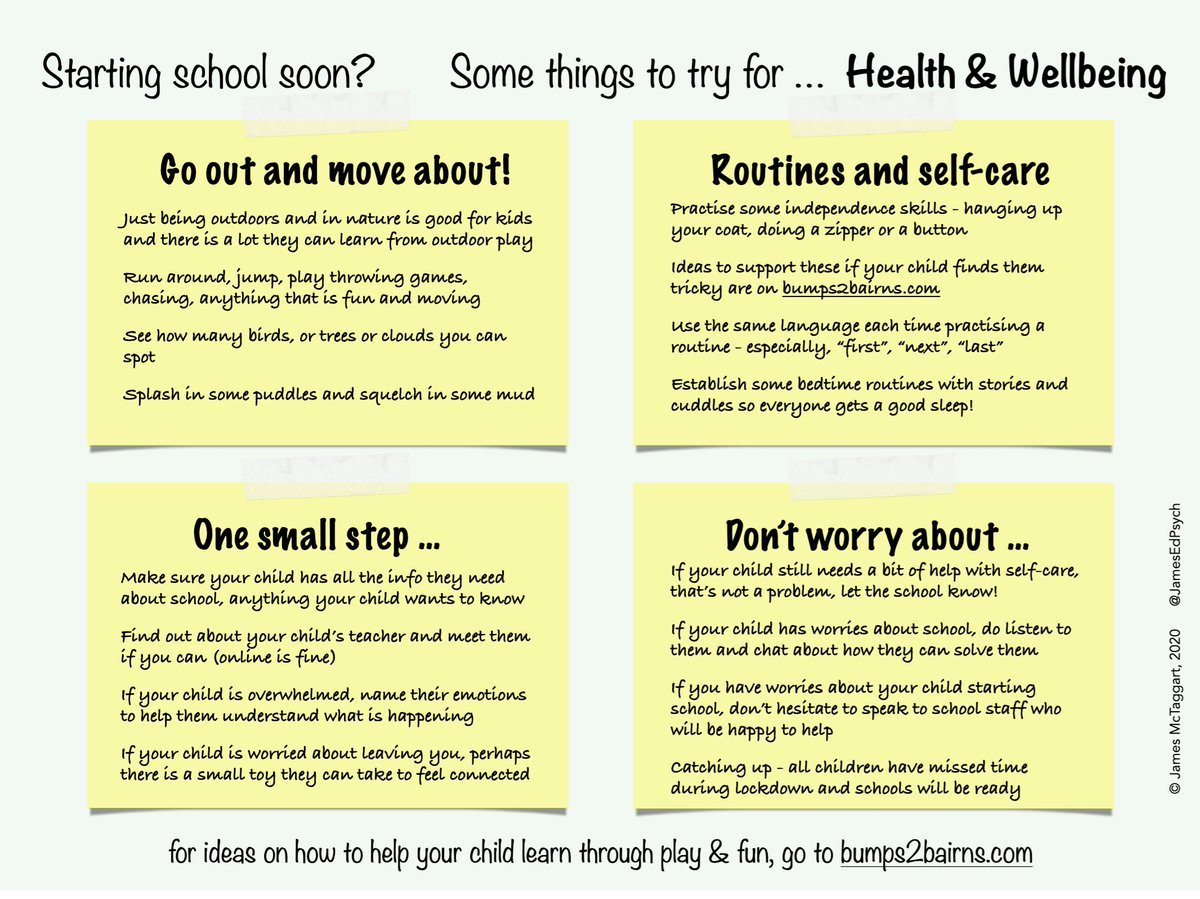
It is the time of year when thousands of well-intentioned parents sit young children down with worksheets/books to make them "ready for school"
There's no need. It's not how they learn, and it's not what makes the difference
Have fun, play and talk instead - try some of these!
Enacting the UNCRC means children have rights to consent, to be consulted, and to complain. But often adult myths about their capacity get in the way.
@JoChamberlain83 and I asked children & young people what they thought of these myths - here is what we learned from them!
🎁 | COMPETITION TIME:
🤝 We’ve teamed up with @MezzalaDesigns to give you the chance of winning Alex Schalk’s Famous Cup Winner on this Day🇳🇱🏆
How to enter:
🔄Retweet this post
✅Follow @thecountycorner & @MezzalaDesigns
🏷️Tag a Friend
🥇Winner picked on Sunday!
#Staggies
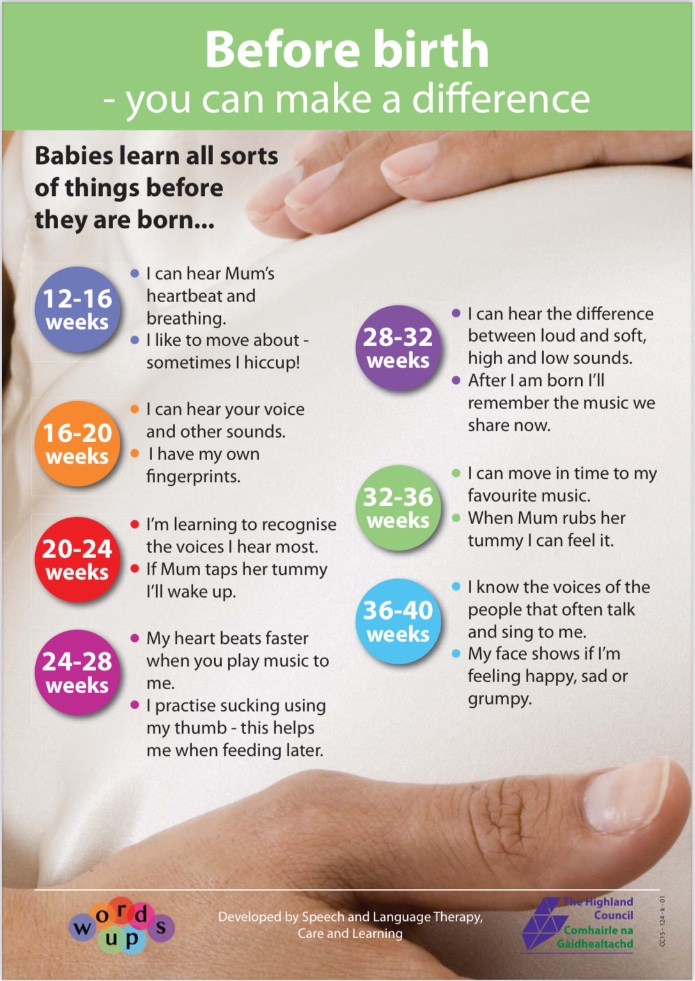
Fascinating and inspiring to hear @DanWuori talking about *prenatal* learning and interaction
Chimes so well with our Words Up messages that midwives and health visitors share with parents
You probably know that reading with your baby is important. But do you know why?
There’s a long list of reasons, but today let’s focus on one of the most important of them all: the development of a rich vocabulary.
Your baby learns new words through exposure. But the truth is that most of our day to day experiences can be a little mundane.
That’s where books come in.
Take a moment to consider this lovely father-daughter read aloud and all of the new language introduced.
It’s not unreasonable to think this family might have a pet - likely a dog or a cat.
But consider all the other animal words here, for example, that may not be a part of their daily experience.
In just this short snippet alone, father and daughter discuss lambs, sheep, kittens, bunnies, monkeys, and lion cubs.
Notice how dad makes a point of repeating the word “lamb” as our hero interacts with the fuzzy woolen material embedded in the board book.
Notice too how he uses the opportunity to introduce additional words (ball and yarn) inspired by the pictures, even when not included in the text itself.
In a little over a minute, dad introduces his daughter to a whole collection of words that they’d be unlikely to have discussed were it not for this time spent reading together.
Now imagine the impact of daily reading over a period of years.
Research consistently links vocabulary size with long term academic success. A rich vocabulary is also a tremendous advantage as children learn to read for themselves.
Reading isn’t the only way to expose young children to a rich and varied vocabulary, of course. But it sure is a great one.
Read with your children daily. It’s an investment in their future that you’ll never regret.
This stellar example was shared to IG by lelah_and_lou.
🚨 SHIRT GIVEAWAY🚨
We’re delighted to be giving away this beautiful new 2024/25 away @RossCounty top to one lucky winner! 🔥😍
To enter:
1️⃣ Follow @staggiesview
2️⃣ Like this post and Retweet
3️⃣ Answer this question correctly: What are the two components of a Barbie Bomb? 🤔
Band 5 SLT post alert🎉
Who wouldn't want to work in the Highlands as a band 5?
Supportive team, varied paediatric clinical experience with access to beautiful scenery and outdoor pursuits to boot!
See details below;
https://t.co/ngCV0K6ACb
@rcsltscot@Strath_SLT
@JamesEdPsych The same as what we talk about in Words Up; Play and Talk Together. Vocabulary & language learning happens when it's linked to experiences.
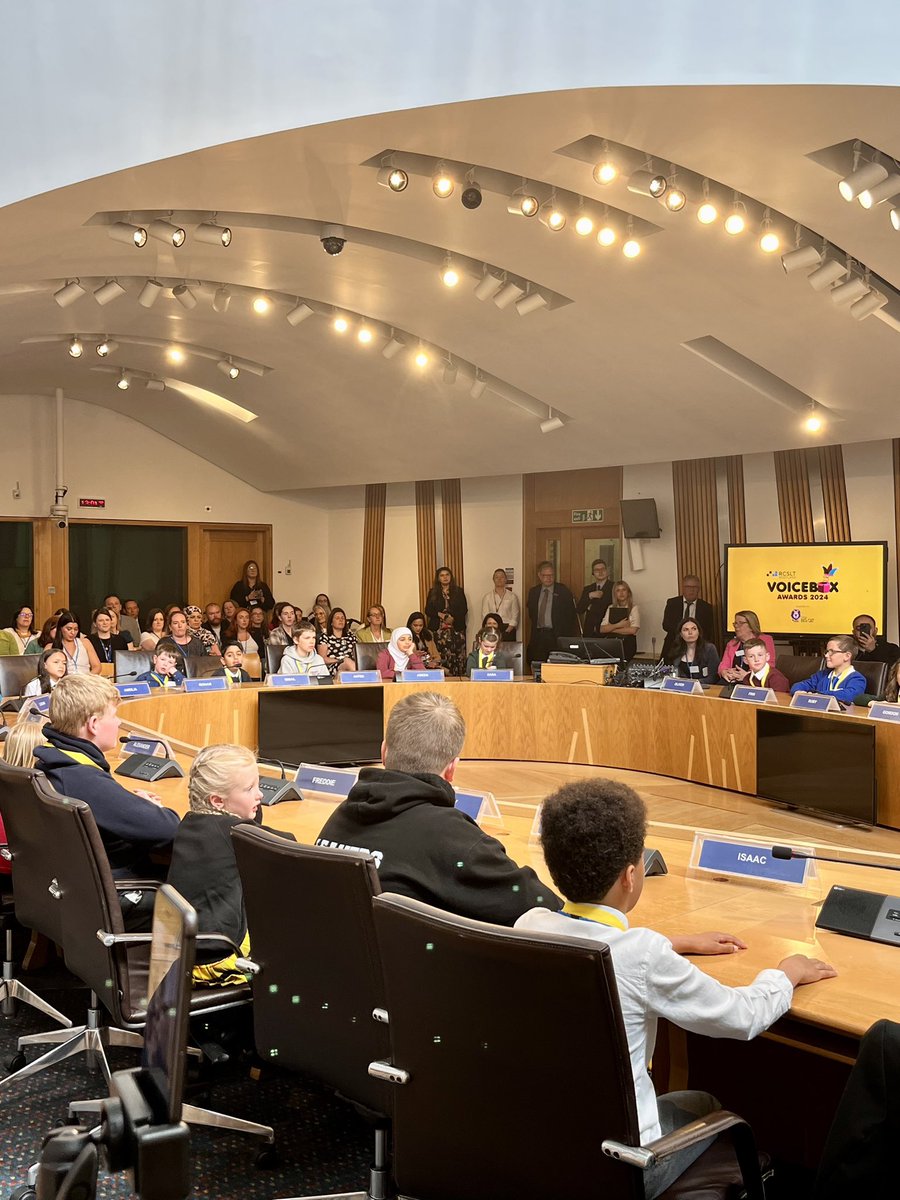
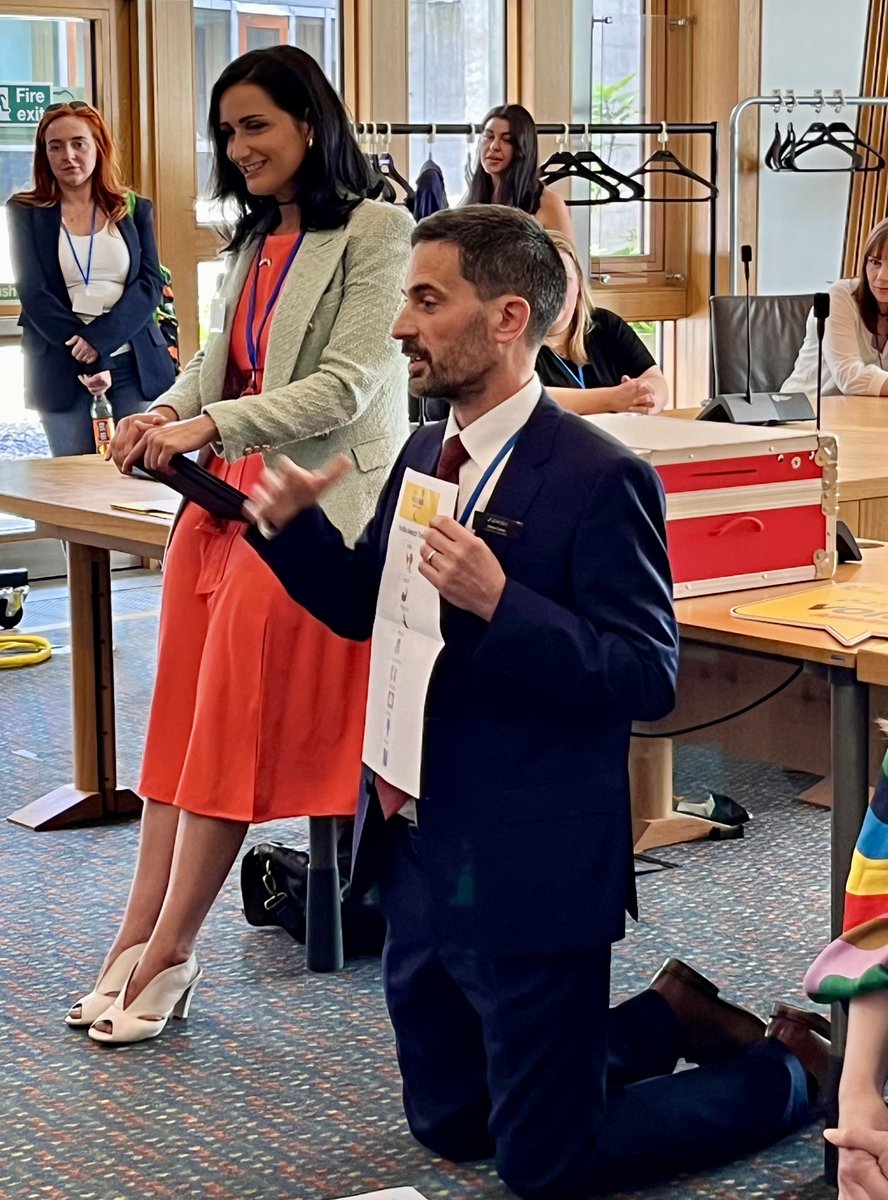
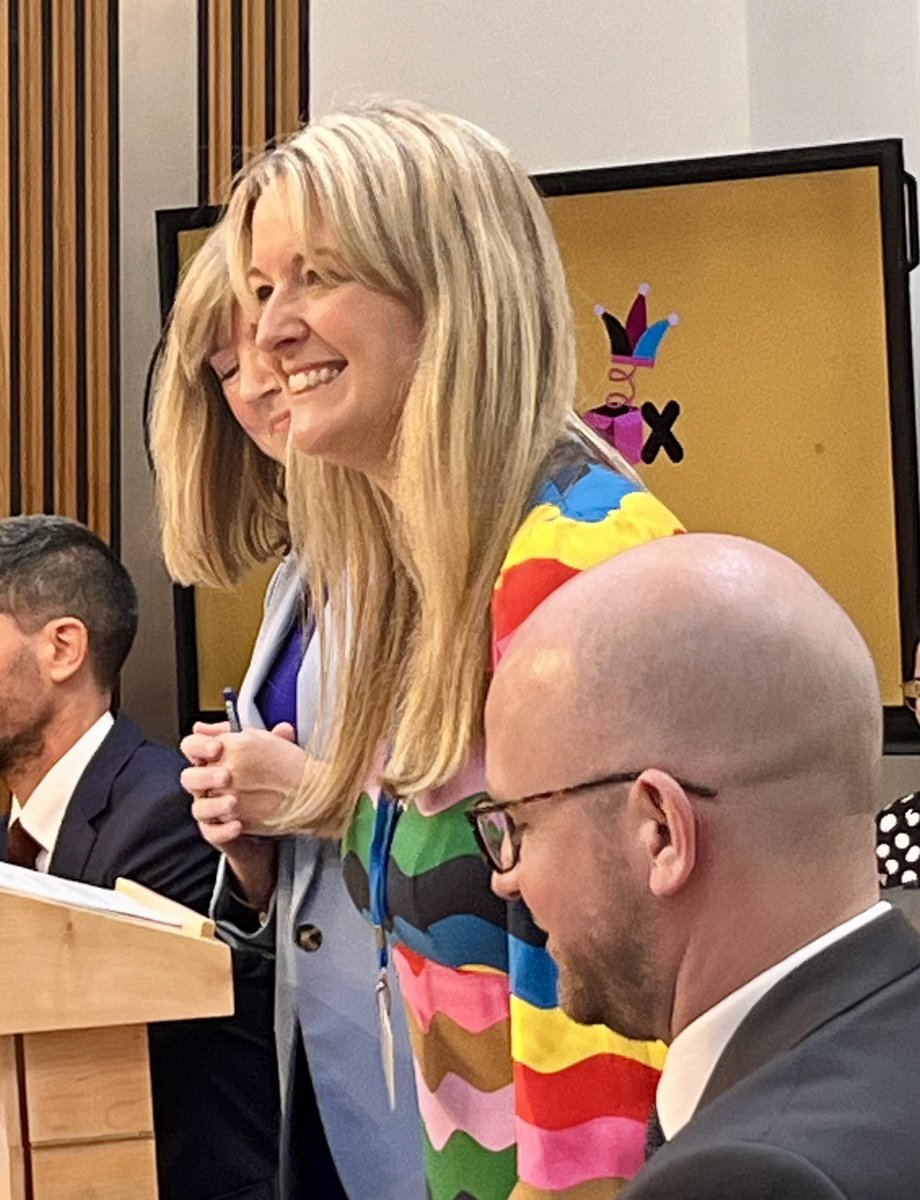
What a day @ScotParl ! #voicebox2024 was amazing. Loads more photos to come but congratulations to all the kids involved. They were all ⭐️🌟 @RCSLT@rcsltscot