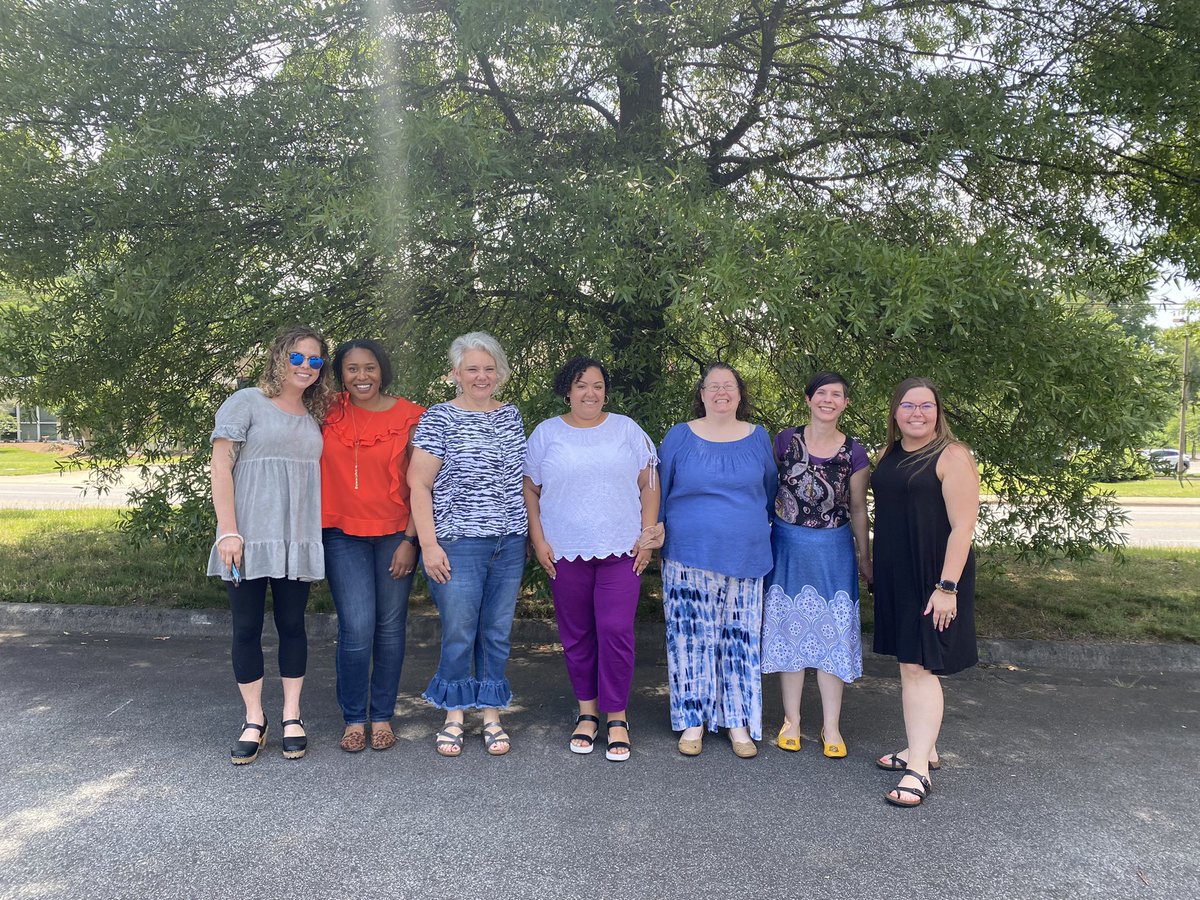
This week we are celebrating those involved in child welfare who work tirelessly to support children and families across the state of North Carolina. We are so grateful for your dedication! @NCWWI#CWworkforce
“The academic literature has consistently shown that people who think more creatively are happier, less likely to get depressed, less likely to get sick, and so on,” says Dr. Michaelis. https://t.co/xhy621uTl3
"Research has found that making art can activate reward pathways in the brain, reduce stress, lower anxiety levels and improve mood." How Making Art Helps Improve Mental Health https://t.co/5fQupY3fOY
"Barriers such as time, cost, and quality, make it difficult to implement the interventions that best serve our child welfare involved youth in their own communities." Read more about "The Disconnect" in this weeks blog! https://t.co/S6g5uL8wGv
Resilience: Research has identified a common set of factors that predispose children to positive outcomes in the face of significant adversity https://t.co/YBFzyLsiSm
"Individuals reporting 6 to 7 Positive Childhood Experiences (PCEs) had a 72% lower chance of reporting depression or poor mental health as an adult when compared with those reporting zero to two PCEs." #MentalHealthAwareness
Tree Analogy https://t.co/swAsVKNDou via @YouTube