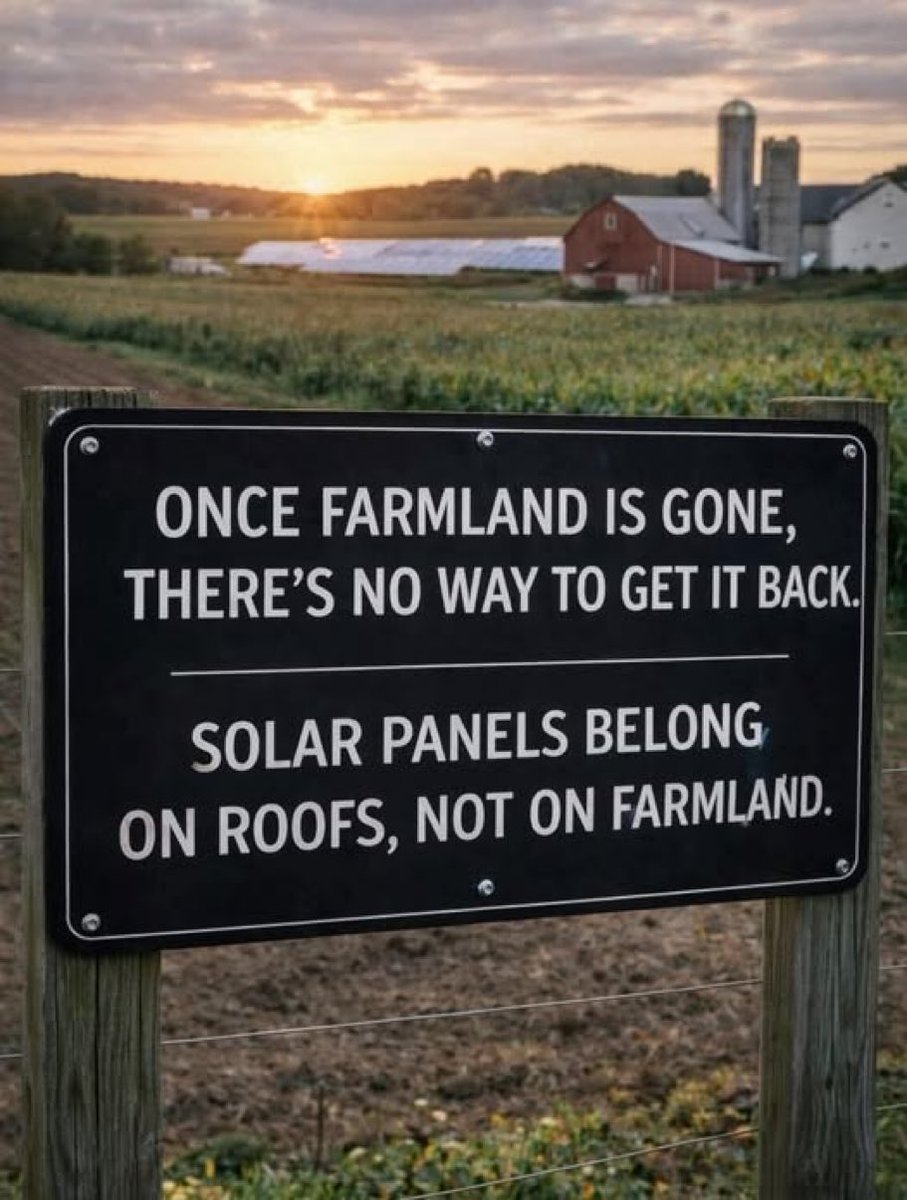
There is a huge proliferation of AI data centres. New AI-focused facilities can consume hundreds of megawatts of electricity - comparable to the power demand of a small city. Solar and wind power are increasingly becoming the source of energy for the tech corporations who own the data centres. This might help explain why there’s been a huge drive by governments to plaster the countryside and maritime areas with solar panels and wind turbines - often near to the areas where the data centres are located.
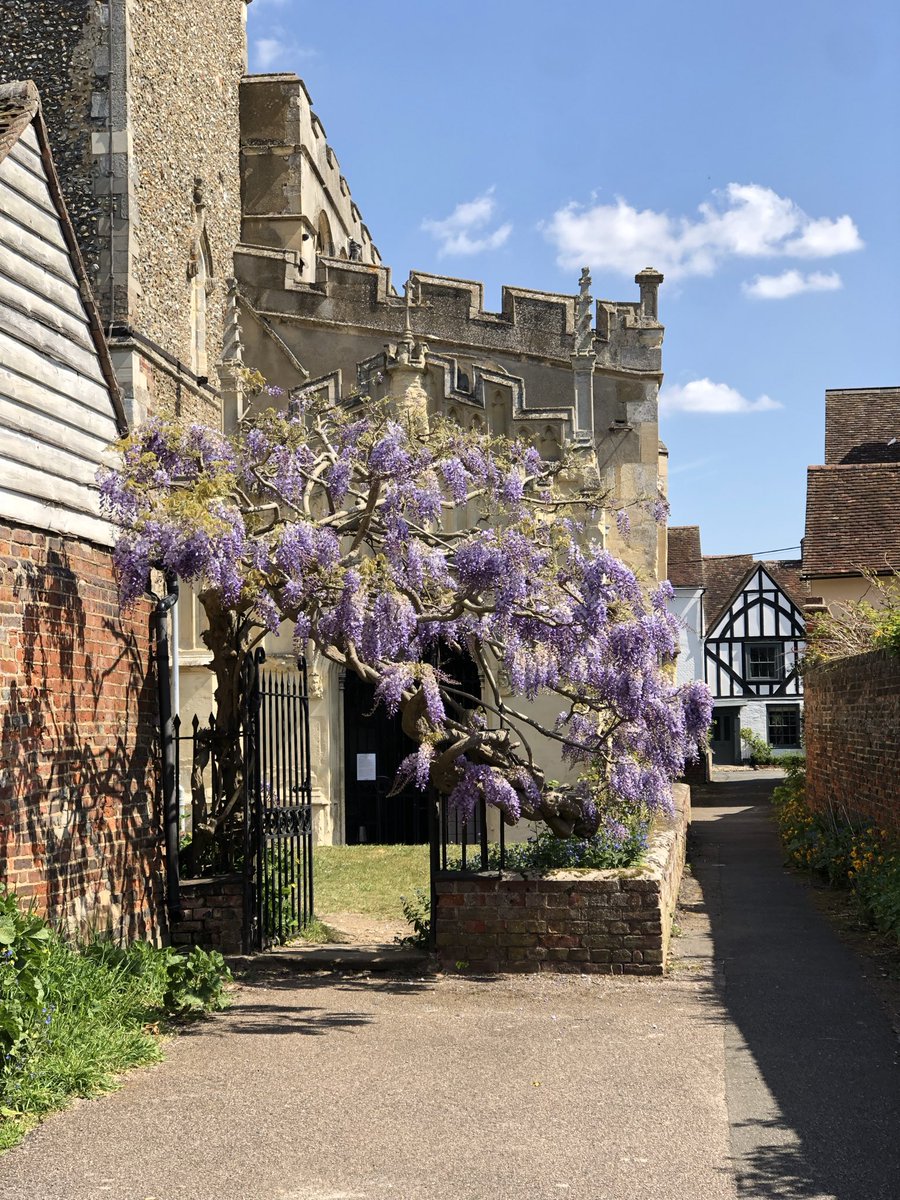
After 10 years and 200,000 bricks, @stedscath's LEGO® model is complete!
Discover more about this fantastic fundraiser and plan a visit to see it for yourself! 👉 https://t.co/26Hxl0HgP9
A farmer dies in April 2026.
His son inherits the farm. The farm has been in the family since 1847.
The farm consists of: 300 acres of grazing pasture, a farmhouse built in 1892, a barn, a milking parlour, two tractors of varying ages, a Land Rover that runs about 70% of the time, and a herd of 180 Hereford-cross cattle.
On paper, the farm is worth approximately £3.2 million. This is because land near him has been bought recently by a London hedge fund looking for carbon credits, which has dragged the comparable value of every field within forty miles upward to a number nobody local can justify.
In cash, the farm produces a profit of about £28,000 a year in a good year. In a bad year it loses money. The son also works as a fencing contractor three days a week to keep the operation viable.
The inheritance tax bill on a £3.2 million estate, even at the reduced 20% rate, comes to approximately £140,000 after the increased threshold is applied. The son does not have £140,000. The son has never had £140,000. The son has £4,200 in his current account and an overdraft.
The son sells 60 acres to a developer to pay the tax. The developer puts solar panels on the 60 acres. The remaining herd cannot be sustained on the reduced land. The herd is sold. The barn becomes a holiday let.
A different family eats Brazilian beef this Christmas without knowing why the price went up.
The Treasury collects £140,000.
The land never produces British food again.
The funniest maths in modern environmentalism.
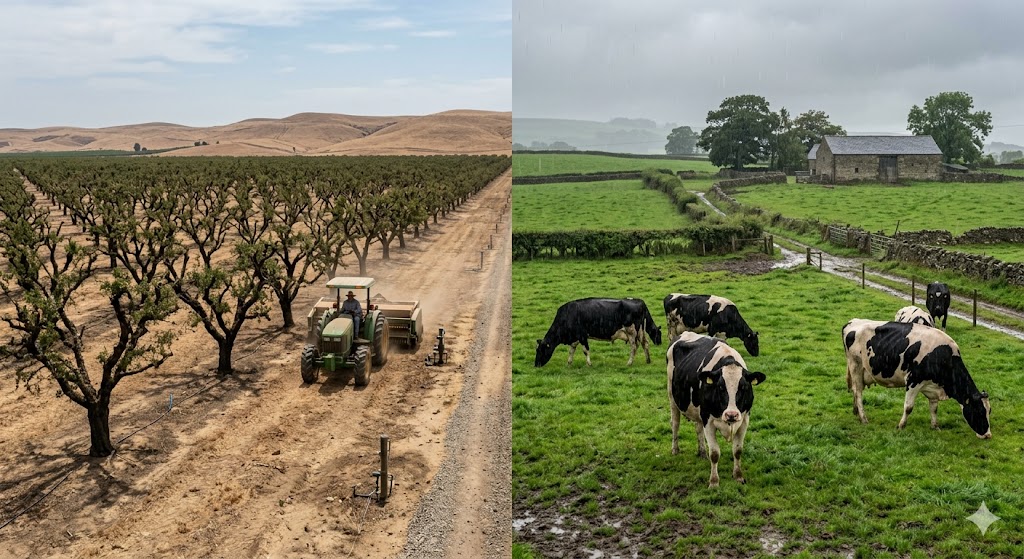
One almond requires 12 litres of irrigated water to produce. Peer-reviewed, ScienceDirect, 2017. A glass of almond milk contains roughly 50 of them. 600 litres of water before the carton is filled.
The water comes from the San Joaquin Valley in California, which sits over one of the most over-extracted aquifers on earth. The valley floor has subsided by up to nine metres in places due to groundwater depletion. The carton is then refrigerated, sailed across the Atlantic, refrigerated again, lorried to a Manchester Tesco, and bought by someone who is concerned about the environmental impact of dairy.
Meanwhile, in Cheshire.
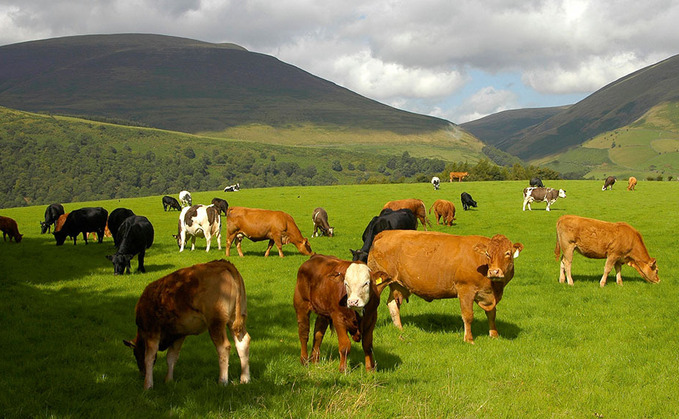
A British dairy cow drinks roughly 70 to 100 litres of water a day and produces around 28 litres of milk. That's about 3.5 litres of water per litre of milk. The water is rainwater that fell on her field or came from a local stream fed by the same rainwater. The rain was going to fall on the field whether the cow stood in it or not. 80% of her moisture intake comes from the grass itself, which is also rain.
She converts the grass, free of charge, into a litre of milk containing seven times the protein and four times the calcium of almond milk, and shipped roughly 18 miles to the same Tesco.
To recap.
600 litres of stolen aquifer, flown halfway round the world for nutritionally worthless beige water.
Or 3.5 litres of rain that was already falling, converted by an animal you can pet, into actual food.
The shopper picks the almond.
She has been told this is the ethical position.
The aquifer would like a word.
Listen when they tell you. “Everyone in the country will have a digital ID”
Even if you don’t want one! “This isn’t a heavy handed approach but we will make sure everyone has one”
Oh 🤡
@RachelReevesMP not getting it yet again!
If we can’t produce it at at least cost price, we can’t afford to / won’t grow it!
When that happens worldwide, food prices are the least of our worries, it’ll be food SUPPLY! Which then increases PRICES further!
It’s economics 101!🤡
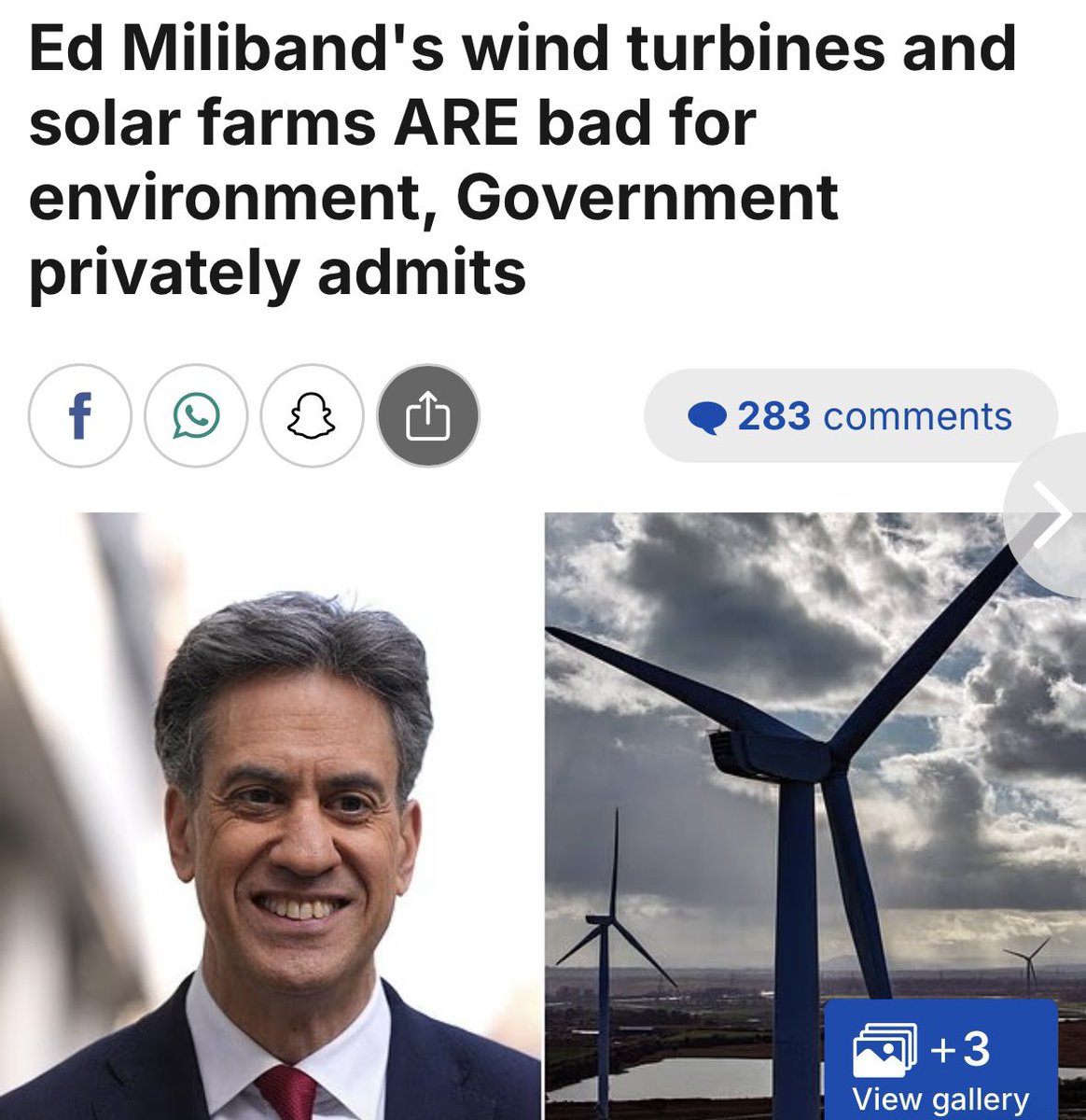
“The Government has privately admitted Ed Miliband's wind turbines and solar farms are bad for the environment. Astonishingly, it shows for the first time that Labour realise the rush for Net Zero will come at the expense of the environment, but are pushing ahead anyway.
Bureaucrats admit the plans may destroy 'nationally recognised sites, landscapes and historic environments' as well as damaging 'biodiversity and water resources.'
Officials also confess his schemes may increase 'air emissions, greenhouse gas emissions, noise and vibrations, light pollution, dust and soils.'”
Activist: "Your cows are putting carbon into the atmosphere."
Farmer: "Where did they get it?"
Activist: "What?"
Farmer: "The carbon. Where did the cow get it before it put it anywhere."
Activist: "From... eating?"
Farmer: "From eating grass. And where did the grass get it."
Activist: "The soil?"
Farmer: "The air. The grass pulled it out of the air last spring. The cow ate the grass. The cow breathed some of it back out. It went back into the air it came from."
Activist: "But it's still going into the atmosphere."
Farmer: "It's going back. There's a difference between a thing going somewhere and a thing going back. You've described a circle and you're frightened of it."
Activist: "Then just don't have the cow."
Farmer: "The grass still dies in autumn. It rots where it falls. The carbon goes back into the air either way, just without anyone getting fed in the middle."
Activist: "It's not that simple."
Farmer: "It's grass, cow, breath, grass. Or it's grass, rot, air, grass. Same circle, fewer dinners. If that's complicated for you I'd stay away from the water cycle. That one's got clouds in it."
Today
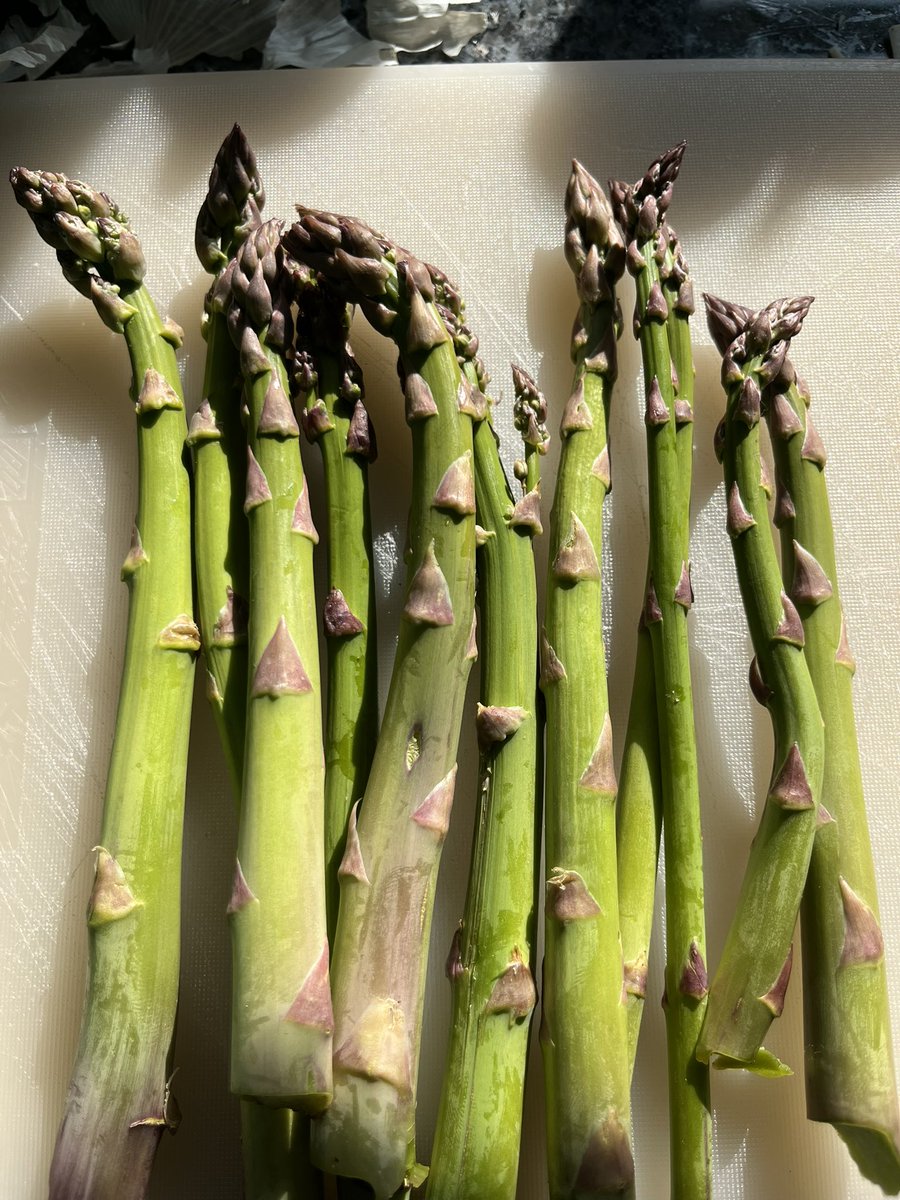
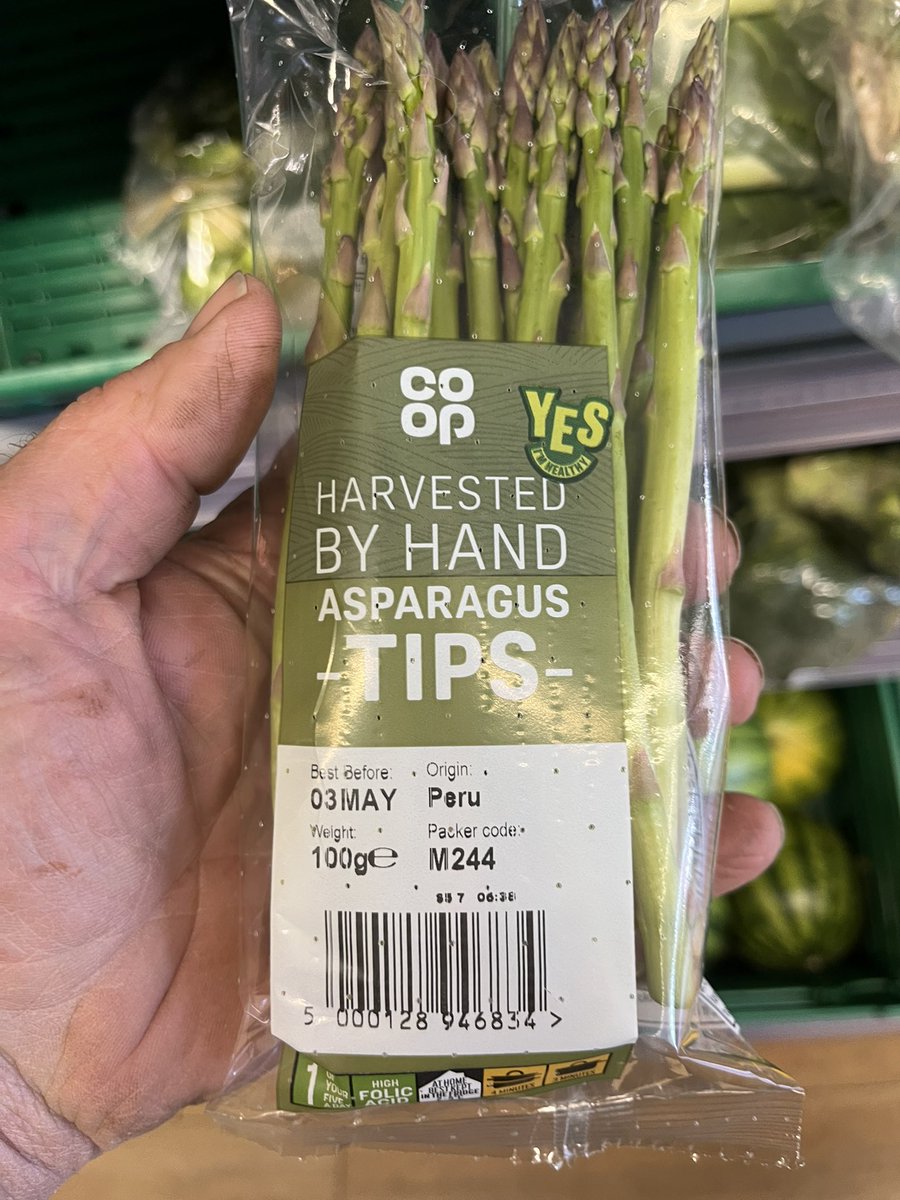
Left - £21.00kg Co-op asparagus picked by a Peruvian hand and flown in from the Southern Hemisphere. I left it in there.
Right - £9.20kg Hildred’s pick your own down the road, picked using my own hands, fresh and eaten in under an hour from the field
@coopuk
Following this post by David I did a bit of googling and came across this website “where to buy” #asparagus .I’m sure not fully populated yet but wouldn’t it be wonderful if @TheAHDB or @NFUtweets could produce something similar for ALL farm fresh produce
https://t.co/r30H5BzmnS
A wool jumper, made in 1985, washed in cold water once a month, worn through three decades of British winters, would currently be sitting in someone's wardrobe doing fine.
A polyester fleece, made in 2026, machine-washed weekly, will start to lose its structural integrity within three to five years, shed an estimated 700,000 microfibres per wash into the water system, and end its life in landfill where it will persist for approximately 200 years.
The wool jumper:
- Came from a sheep
- Required grass and rain
- Will biodegrade entirely within three years of being buried
- Will keep you warm when wet
- Will not melt if exposed to a flame
- Will probably outlive you
- Cost £80 in 1985, which is £230 today, and represents the entire jumper budget for the next forty years
The polyester fleece:
- Came from an oil refinery in Texas
- Required hexane extraction, polymerisation and dyeing in three different factories on three different continents
- Will not biodegrade in any human timeframe
- Will get cold and clammy when wet
- Will melt against your skin if exposed to a flame
- Will be in landfill within five years
- Cost £40 in 2026, which means you'll buy ten of them across the next forty years for a total of £400, and the planet will still be eating the residue in the year 2226
But yes. The sheep is the problem.
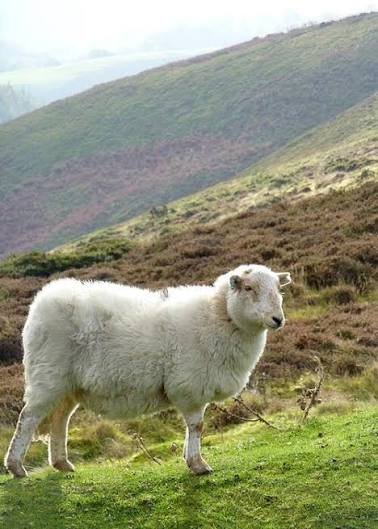
The sheep, standing in a field in mid-Wales, growing a renewable fibre from grass and rain.
The sheep is the problem.