Another fantastic year for Case Western Reserve University GI at Digestive Disease Week.
Congratulations to Drs. Greer Katarina, Anamay Sharma, Umar Hayat, and Bianca Islam for sharing impactful work and representing the program so well on the national stage. #DDW2026
Amazing to see the strong presence from University Hospitals/CWRU at DDW 2026. From ASGE President Dr. Chak, course director of Dr. Faulx, to the incredible surgical leadership of Drs. Marks and Hardacre — such an impressive showcase of innovation, mentorship, and collaboration.
This Nurses Week, we’re celebrating the amazing nurses on the Lucid Diagnostics team and everywhere across healthcare.
Nurses do so much more than care for patients — they’re educators, advocates, problem-solvers, and often the people helping patients feel informed and supported during difficult moments.
We’re incredibly grateful for our nursing team and the compassion, dedication, and heart they bring to their work every day.
Thank you to all nurses for everything you do. #NursesWeek
Thank you to @Nasdaq for featuring @LucidDiag in Times Square during #EsophagealCancerAwarenessMonth and helping spotlight the importance of early detection.
Esophageal cancer remains one of the deadliest cancers because it’s often detected too late.
Awareness matters — and so does advancing access to tools that can help identify esophageal precancer earlier, before cancer develops.
@DDWMeeting 2026 has come to a close— and one theme came through clearly: earlier detection of esophageal precancer isn’t a future goal—it’s something we can act on now.
We spoke with gastroenterologists about a familiar challenge: Too many at-risk patients are never identified early enough to intervene.
That’s where the @EsoGuard_Test fits—helping GIs:
• Identify at-risk patients earlier through a non-endoscopic approach
• Work more closely with primary care to expand access to screening
• Focus EGD on a biomarker-driven, enriched population
Earlier detection isn’t aspirational—it’s actionable.
Preventing esophageal cancer starts with finding precancer, earlier.
#DDW2026
We’re missing too many patients at risk for esophageal cancer. ~40% don’t report reflux symptoms—yet current screening for Barrett’s esophagus depends on it. Drs. John Inadomi of @UofUHealth and Perica Davitkov of @CWRUSOM previewed how a new risk-based approach + minimally invasive tools could expand access and save lives at #DDW2026. #CancerScreening
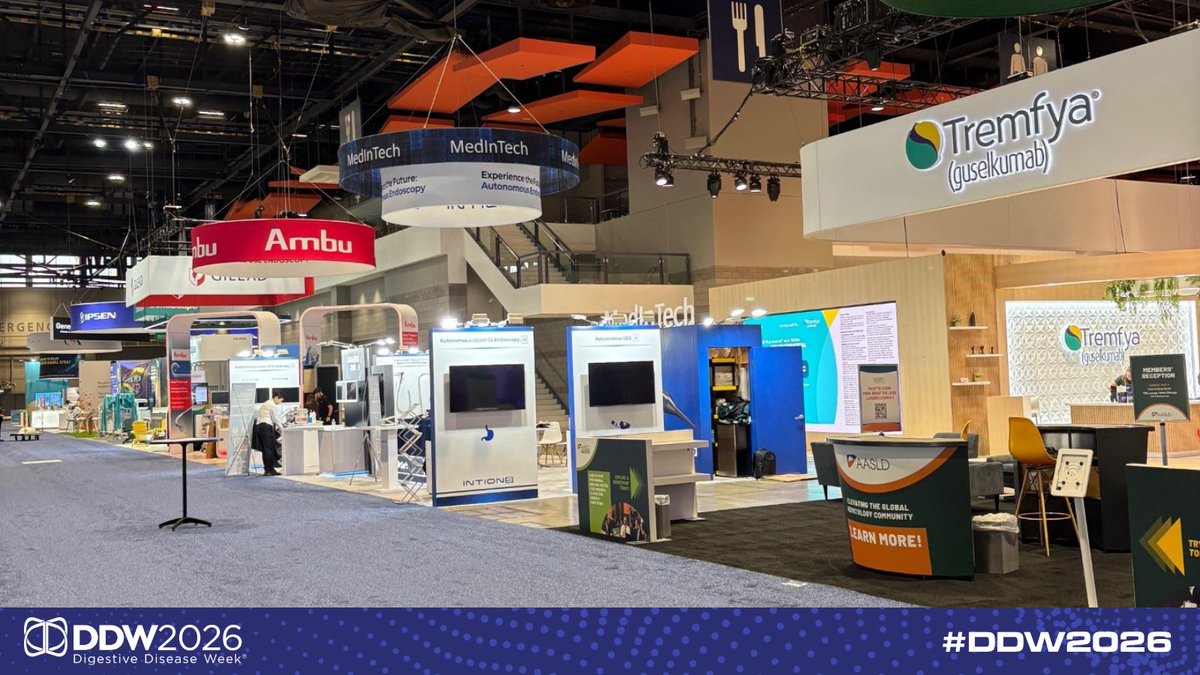
The #DDW2026 Exhibit Hall is officially open! Join us in Hall F (Level 3) from 9:30 a.m. to 4 p.m. or during scientific session breaks each day from 9:30 a.m.–10 a.m., 11:30 a.m.–2 p.m., and 3:30 p.m.–4 p.m.
As #EsophagealCancerAwareness Month comes to a close, our focus on early detection continues.
An estimated 22,530 Americans will be diagnosed with esophageal cancer this year. Behind every statistic is a person — a parent, a partner, a friend — and a family whose life is forever changed.
Early detection can change outcomes. #CheckYourFoodTube
We are pleased to share that Saunders College of Business has been recognized in the U.S. News & World Report's 2026 Best Graduate Schools rankings. 📊
MBA #93 nationally,
GSCM #56
68th in entrepreneurship
69th in executive MBA
71st in management
80th in business analytics
What if esophageal precancer could be detected earlier?
At Digestive Disease Week® (DDW) 2026 in Chicago, learn how the EsoGuard® DNA test is helping identify at-risk patients sooner—and how partnering with primary care can expand access to early detection.
Because the future of GI isn’t just treating disease. It’s preventing it.
#DDW2026
For 21 years, Steven Dorsey has answered the call — a third-generation Baltimore City firefighter, a father of four, and a grandfather of five. Steve has spent his life putting others before himself.
Now he's fighting a battle no amount of training could prepare him for: stage 4 esophageal cancer.
Steve's only warning sign? Difficulty swallowing — a symptom most would dismiss without a second thought. By the time he was diagnosed in February 2025, the cancer had already spread to his lymph nodes and liver.
The reality is staggering. Firefighters face a 62% higher risk of developing esophageal cancer than the general population. Years of exposure to toxic chemicals, smoke, and carcinogens take a silent toll — and without routine screening, this aggressive cancer is often caught far too late.
But it doesn't have to be this way. Today, there is a test that can detect esophageal precancer before cancer develops — giving people a chance to act early.
Even in the midst of his own treatment, he's using his voice to advocate for esophageal screening across the country — determined to make sure the next firefighter gets answers sooner than he did.
Awareness isn't just about information. It's about action. Because earlier detection can change the course of this disease — and the lives it touches.
Awareness leads to action.
Action leads to earlier detection.
And earlier detection can save lives.
#EsophagealCancerAwareness
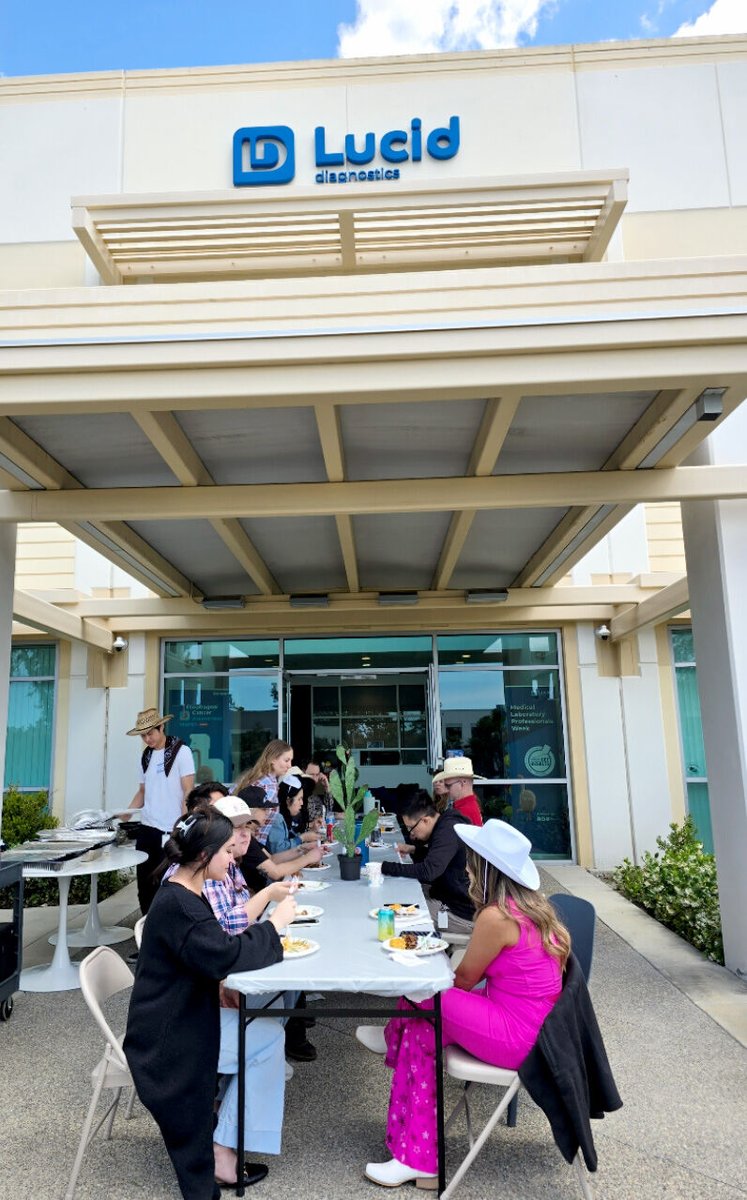
As Medical Laboratory Professionals Week comes to a close, we’re recognizing the team behind @LucidDiag Labs—the people who turn innovation into impact every single day.
Behind every EsoGuard result is a tightly controlled, multi-step process. It’s precise, rigorous work that transforms each sample into a clinically actionable answer physicians can rely on—helping identify esophageal precancer earlier and enabling the care decisions that follow.
This week, we celebrated the team—with activities throughout the lab, meals sponsored by our generous vendor partners, and a family day filled with hands-on fun for the youngest scientists.
To our team behind the test: thank you for the work you do every day to make prevention possible.
#LabWeek #MedicalLaboratoryProfessionalsWeek
While the incidence of many major cancers is flat or declining, esophageal adenocarcinoma continues to rise.
Over the past four decades, cases have increased more than 500% in the U.S.—yet awareness and screening have not kept pace.
Today, esophageal cancer remains one of the most lethal cancers, with a five-year survival rate of just ~20%.
What makes this especially challenging: it’s often silent until it’s advanced.
What makes it especially important: it’s often preventable.
Esophageal adenocarcinoma typically develops from Barrett’s Esophagus—a precancerous condition that can be detected before cancer forms. Yet more than 90% of patients diagnosed were never identified at the precancer stage.
At least 30 million at-risk Americans with chronic heartburn (GERD) are recommended for screening under major clinical guidelines—but most go unscreened.
At Lucid Diagnostics, we’re focused on enabling a different strategy—one centered on identifying esophageal precancer earlier, before it progresses to cancer.
The EsoGuard® DNA test offers a non-endoscopic, in-office approach to detecting precancer—helping direct the right patients to further evaluation.
Because when incidence is rising,
early detection isn’t optional—it’s essential.
#EsophagealCancerAwareness
Did you know? Esophageal cancer incidence has tripled in the past few decades and over 60% of GERD patients are unaware of their risk of #Barrettsesophagus. Join the #DIGEST team at our #EsophagealCancerAwarenessMonth event in the DHK lobby on Tuesday, April 28th from 11am - 1pm to assess your risk for esophageal cancer.
@WeillCornell@WCM_GI@nyphospital
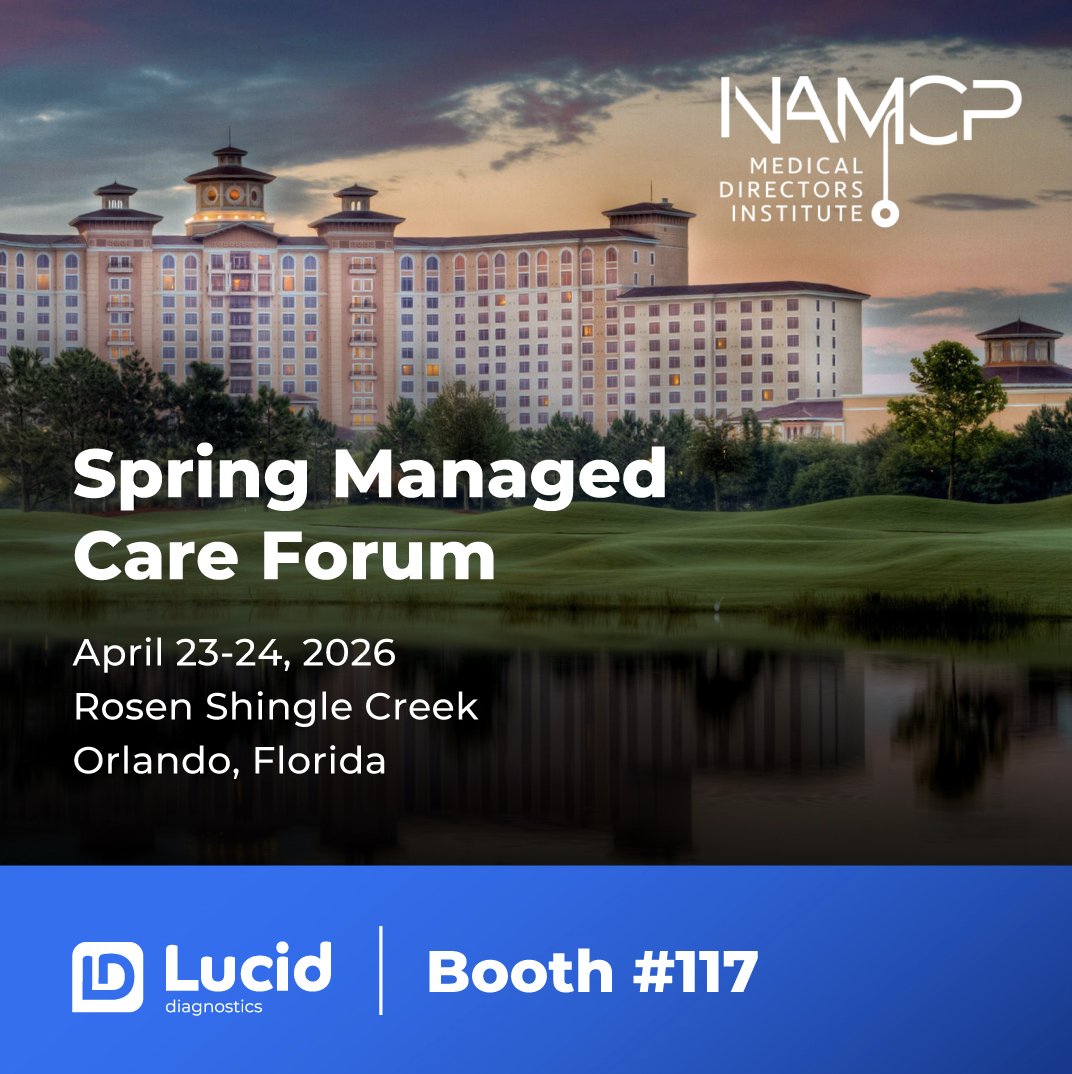
@NAMCP Medical Directors Institute Spring Managed Care Forum starts today.
Connect with the @LucidDiag team to learn how the EsoGuard® DNA test enables earlier detection of esophageal precancer—before cancer develops.
Recognized in major clinical guidelines, EsoGuard offers a non-endoscopic approach to detecting esophageal precancer for the at least 30 million at-risk individuals with gastroesophageal reflux disease (GERD), also known as chronic heartburn.
#NAMCP #EarlyDetection
“I may not be sitting here now if they hadn’t caught it when they did.”
Veteran Dan Rathke didn’t think much of his severe acid reflux—and like many people, he rarely went to the doctor. He had no idea he could be at risk for esophageal cancer.
But his primary care physician, Dr. Jamie Glover, recognized the risk factors and recommended screening with the EsoGuard® test.
That decision led to the detection of precancerous changes—before they had the chance to progress to cancer.
When it comes to esophageal cancer, detecting disease at the precancerous stage is critical, and possible, with the EsoGuard test.
#EsophgealCancerAwarenessMonth #CheckYourFoodTube
It’s #EsophagealCancerAwarenessMonth—and precancer screening events are already kicking off at @USFHealthMed
The first of several events is bringing together teams from the Digestive Disease Institute, Thoracic Oncology, and ENT to expand access to screening with the @EsoGuard_Test identify esophageal precancer earlier so patients can take action before cancer develops.
Special thanks to @chrisducoin and Yassmeen Abdel-Aty, MD for their leadership in advancing this important effort.
#EarlyDetection