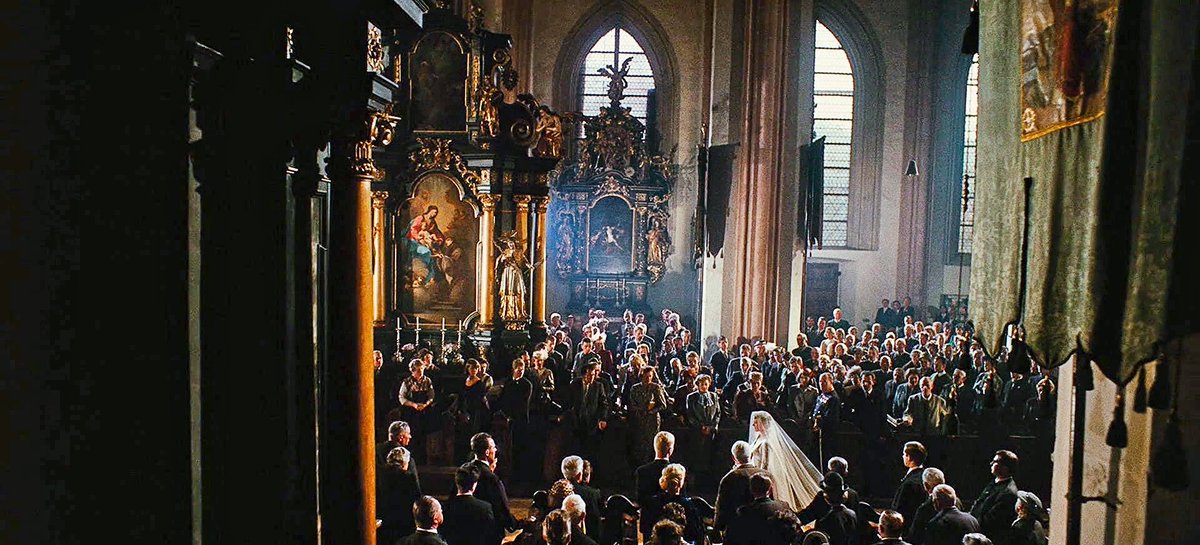
I feel so honored and excited to be included in Issue 12 of @bckstoryjournal!
If you'd like to check out the issue, including my piece 'Gestapo's Most Wanted...' here's the link: https://t.co/yLP1lB3wl5
https://t.co/Iba8Mqx5aN
I fucking love people who become more themselves with age. Stranger taste. Clearer boundaries. Louder laugh. Less interest in impressing random people. Watching somebody slowly stop auditioning for the world is fucking beautiful.
girl to girl: sometimes you’ll find an old picture of yourself and suddenly realize you were actually beautiful during a time when you spent so much energy criticizing yourself.
IT WAS CALLED THE SCHOLASTIC BOOK FAIR AND THEY BROUGHT THE BOOKS TO THE SCHOOL AND SET IT UP LIKE A BOOKSTORE AND YOU COULD GET GOOSEBUMPS AND FEAR STREET BOOKS BUT ALSO MICHAEL JORDAN POSTERS AND NICKELODEON BOOKMARKS AND PENCILS THAT SMELLED LIKE CUPCAKES
El jugador australiano de rugby Jai Arrow tuvo que retirarse tras ser diagnosticado con una enfermedad de la neurona motora, cuando estaba a solo dos partidos de alcanzar los 100 encuentros con su club, los South Sydney Rabbitohs.
Su equipo consiguió una autorización especial para que pudiera ser titular en los dos últimos partidos de la temporada regular y fuera sustituido apenas unos segundos después de comenzar. Incluso los equipos rivales apoyaron la iniciativa.
Y este fue el momento en el que alcanzó los 100 partidos.
Después de tantos años compartiendo vestuario con tus compañeros, salir al campo junto a ellos puede parecer algo normal. Solo podemos imaginar lo que significó para Jai volver a ponerse esa camiseta y pisar el césped una vez más junto a los suyos.
This baby went from sad/confused to absolute JOY the second those glasses went on.
First time seeing the world clearly. That smile says everything.
♥️ Heart = melted.
Who else is obsessed with these moments?
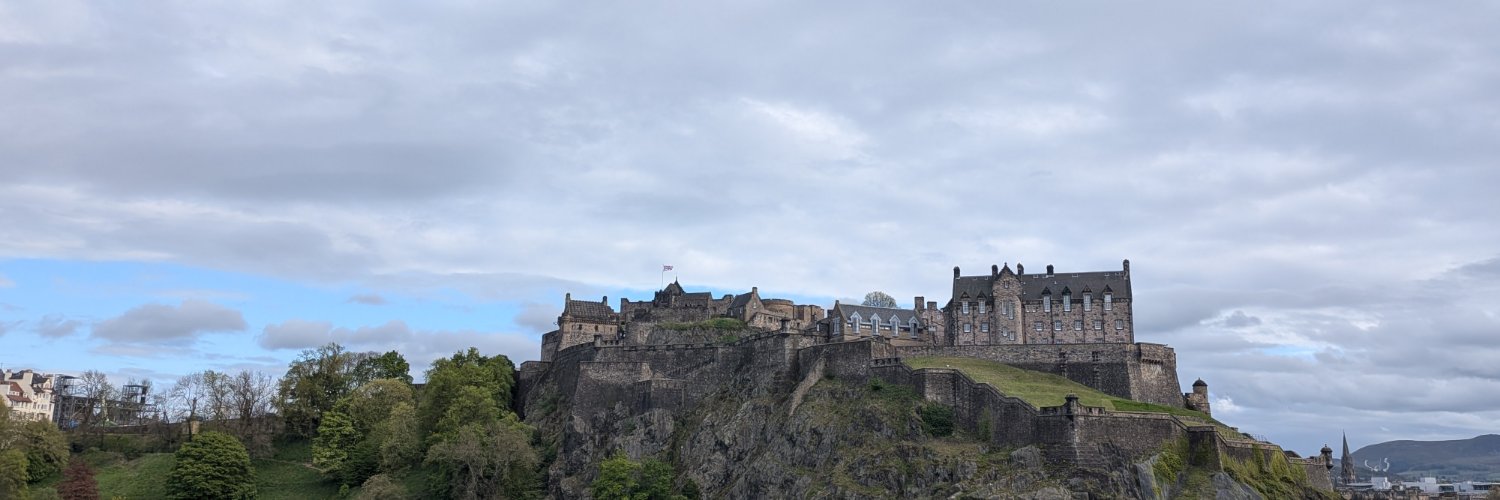
@qatarairways long story short, my flights from Melbourne to Edinburgh got delayed,disrupted, delayed again, and extended to the point where we arrived 12hrs later than expected,AND our luggage got delayed. Can we please get help/compensation, since emailing has led to nothing?!
BE PROUD OF YOUR VULVA.
SOME LADIES HAVE LOST SELF ESTEEM BECAUSE A GUY OR LADY HAD MADE FUN OF THEIR VULVA.
NO TWO VULVA(S) ARE THE SAME
The Quiet Geometry of Her Body And Why the Vulva Needs No Apology
There is a silence that follows the word vulva, and it is not an innocent silence, and it is not accidental. It is the kind that is taught, and passed down, and wrapped in shame so delicately that many women grow into adulthood never quite looking at themselves, and never quite naming what is theirs. But the vulva is not a secret to be kept,it is a story to be understood.
And as a gynaecologist, I have seen many vulvas. Not one or two, but hundreds, and then thousands. And what becomes clear, over time and with quiet observation, is this: there is no single shape that is “normal,” and there is no single version that deserves celebration more than another. There are labia that are full and soft like folded petals, and others that are slender and tucked like whispers. There are colours that deepen into dusk, and others that remain light like morning. There are asymmetries—because the human body, in all its honesty, rarely seeks perfection.
And still, women ask, “Is mine okay?”
Because somewhere along the way, we taught women to measure themselves against edited images, and curated fantasies, and a kind of aesthetic that was never designed with real bodies in mind. And so she looks, and she compares, and she wonders if she is too much, or too little, or too different. But difference is not a flaw, it is the language of the body.
The vulva is not meant to look like a template. It is not manufactured symmetry; it is lived anatomy. It responds to hormones, and age, and childbirth, and desire. It changes, and adapts, and carries history in its folds. And yes, it can be soft, and bold, and unapologetically present, because it was never created to be hidden in shame.
And perhaps the most radical thing a woman can do is to look at herself, not quickly, not critically, but with a kind of gentleness. To sit with her own body and say, this is mine. Not borrowed, not corrected, not compared. Because pride, real pride, does not come from fitting into a narrow definition of beauty, it comes from understanding that your body was never wrong to begin with.
And so, we must begin to speak differently. To teach differently. To raise girls who do not flinch at their own reflection, and who do not inherit the quiet discomfort of generations before them.
Because the vulva, in all its shapes and shades and stories, is not something to fix. It is something to honour. And that, perhaps, is where the silence finally breaks.