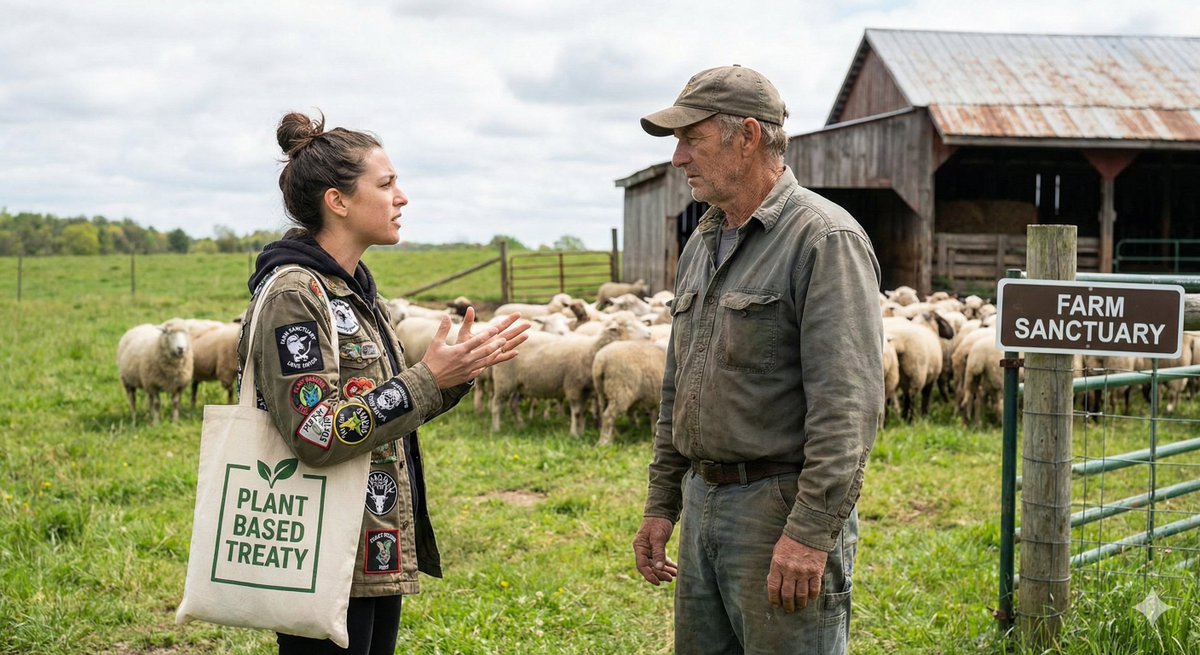
Activist: "Those sheep are being exploited for wool."
Farmer: "They need shearing. They'll overheat otherwise."
Activist: "In nature they wouldn't need it."
Farmer: "In nature they'd be dead. These are domestic sheep."
Activist: "You bred them to need shearing."
Farmer: "Humans have been breeding them for 10,000 years. That's what domestic means."
Activist: "It's still exploitation."
Farmer: "They get relieved of 10 pounds of wool, we get wool. Seems fair."
Activist: "They can't consent."
Farmer: "They also can't shear themselves."
Activist: "You should let them be natural."
Farmer: "Natural sheep died out 8,000 years ago."
Activist: "Exactly. Because of farming."
Farmer: "No, because we domesticated them and they became these sheep."
Activist: "Just let them keep their wool."
Farmer: "And watch them die in summer?"
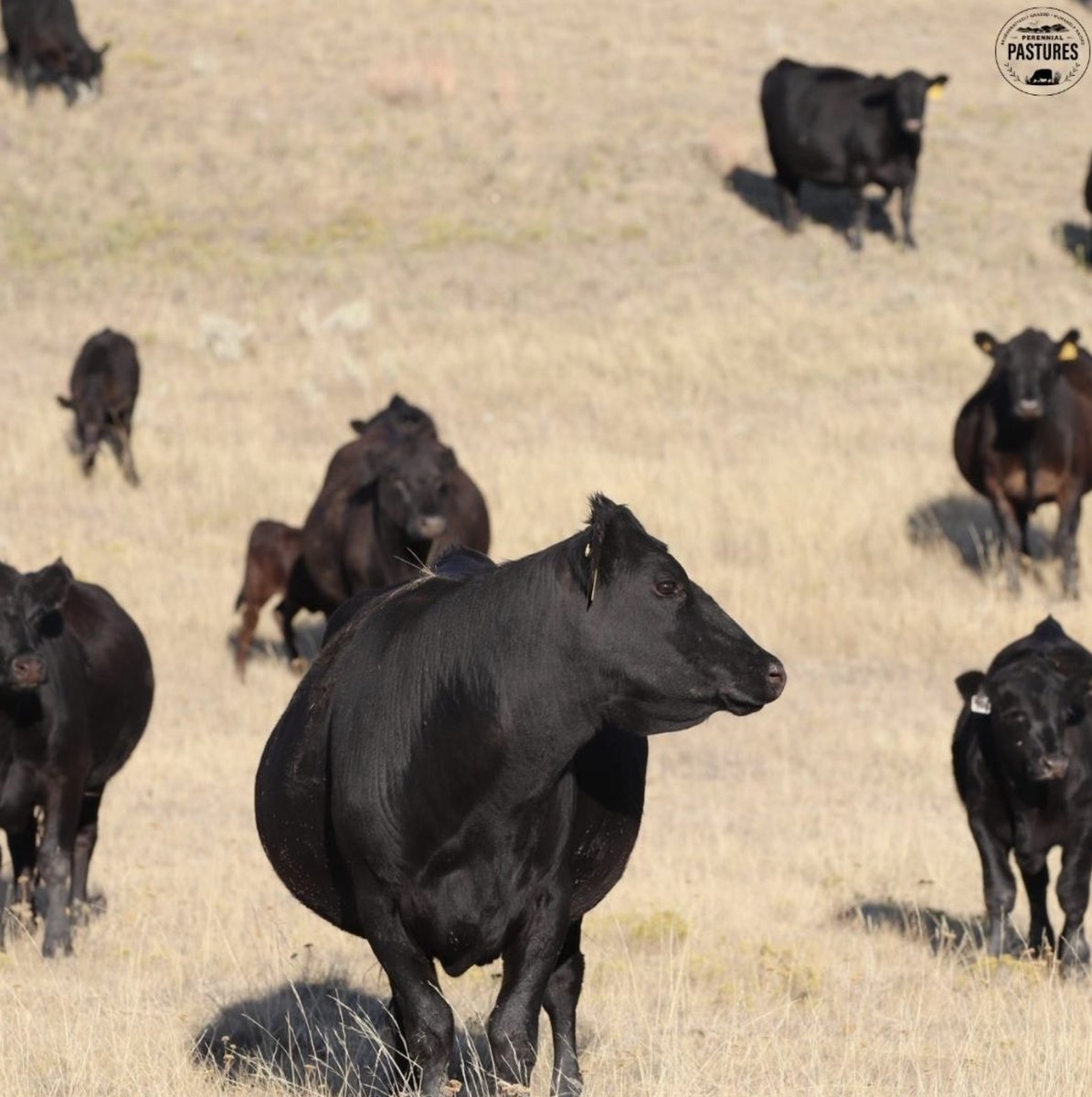
Cows (if raised properly) are amazing for the environment
Cows (if raised properly) are the most nutrient-dense food you can eat.
Cows (if raised properly) are incredibly sustainable.
RT if you love cows!
Der Vortrag von Frederik van Larsen hat Potenzial, ein kleines Highlight zu werden auf der diesjährigen #Agritechnica für alle Direktsäer und Freunde einer nachhaltigen Landwirtschaft. #Direktsaat#conservation#agriculture
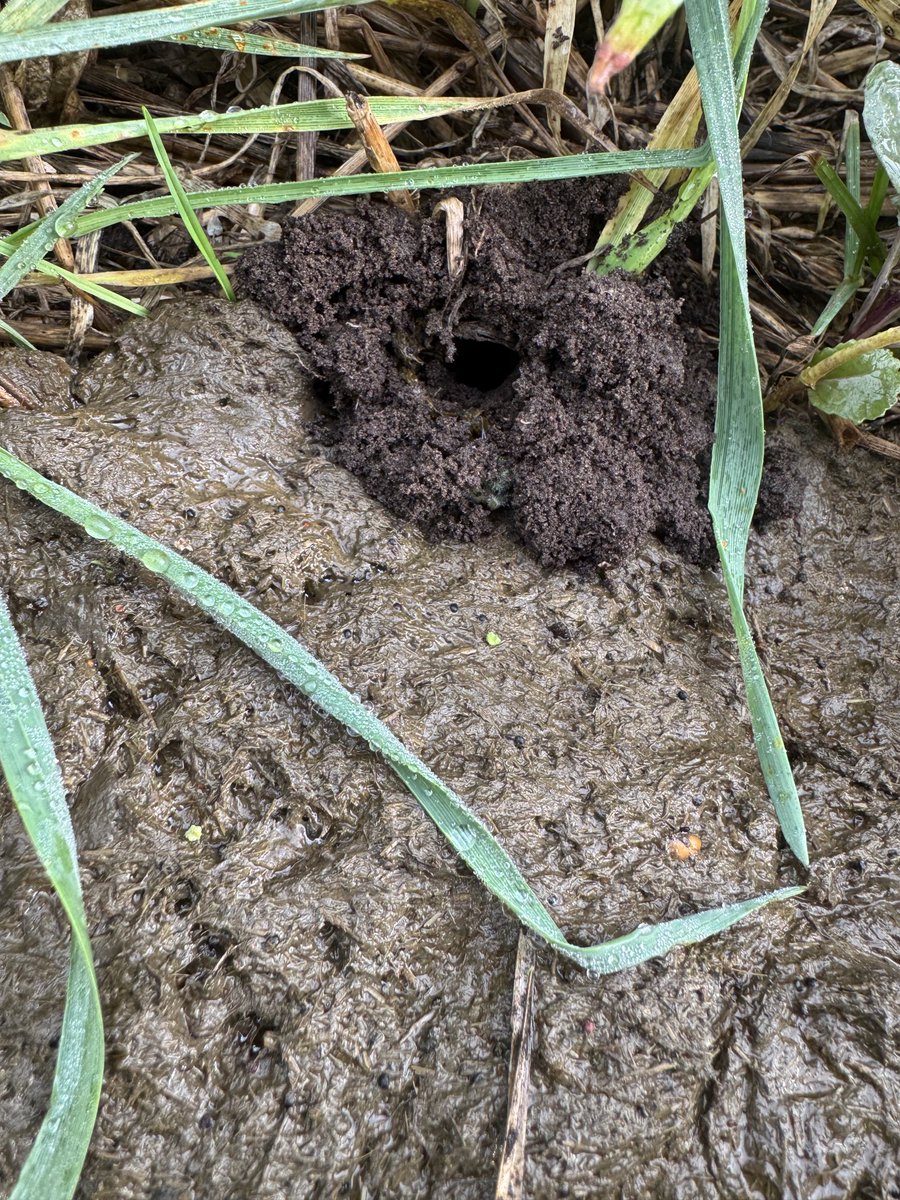
Das mit den Kapillaren ist doch Humbug.
Durch die Bearbeitung trocknet der Oberboden vollständig aus.
Es staubt sicherlich unendlich bedeutet die Schokolade (Schluff) fliegt weg. -> Erosion
Zudem wird sich dein Boden nun nur unnötig
Aufheizen -> Biologie kommt zum Erliegen
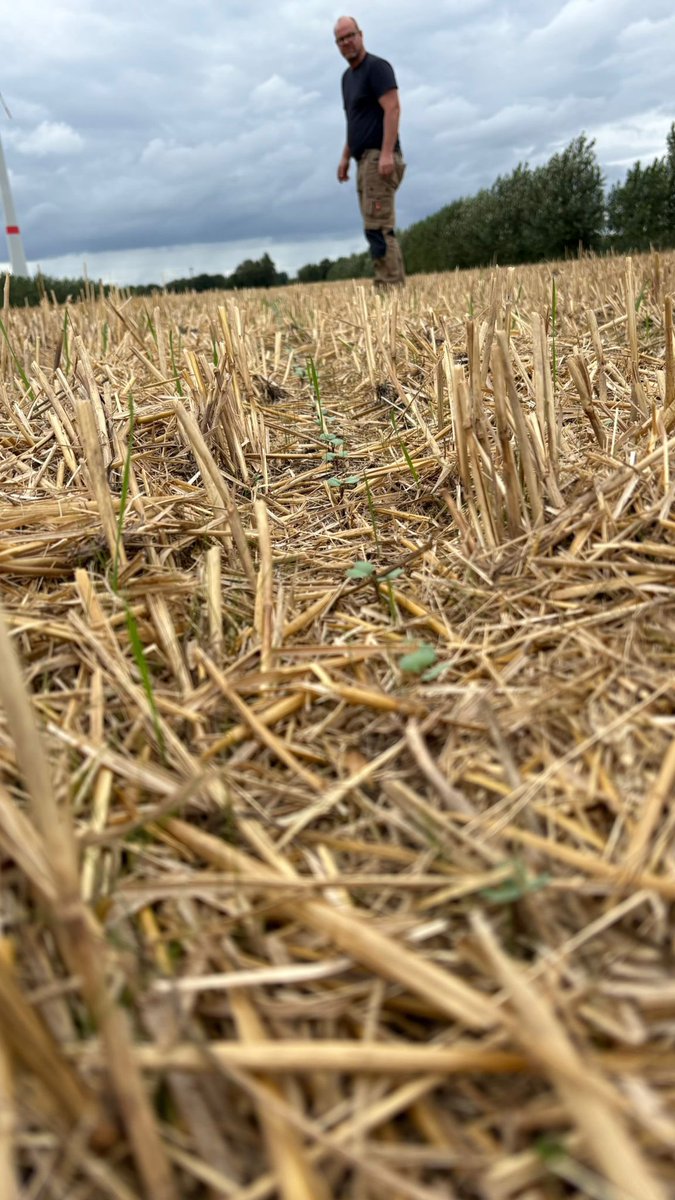
Ausfallgetreide keimt
auch ganz Prima wenn man einfach garnichts macht. :-)