Alexander Zverev is living on needles for the last 25 years...taking Insulin everyday since age 4.
Today at 29, he became a GRAND SLAM CHAMPION. Overcame a life nemisis.
Huge Inspiration to children with diabetes. He runs a foundation for the same 👏
Britain has lost around half its hedgerows since the Second World War. The wildlife that depended on them has followed a similar trajectory. 🌿
The old field boundary — a strip of blackthorn, hawthorn, dog rose, and elder two to five metres wide between cultivated ground — was not wasted agricultural space. It was a functioning ecological system that maintained pollinators, pest predators, and farmland birds across centuries of working land.
Each hedgerow is a nesting corridor for grey partridge and skylark, a foraging habitat for brown hares and hedgehogs, a site for solitary bee colonies, and a windbreak for the crops alongside it.
The field cultivated to its very edge gives the maximum return this season. It removes the populations of beneficial insects, farmland birds, and small mammals on which stable long-term production depended.
The field with a hedgerow yields a few percent less per cultivated hectare — but remains productive across decades without compensatory chemical inputs. The documented declines in grey partridge, lapwing, and skylark across the British agricultural landscape since the 1970s are directly linked to field consolidation and hedgerow removal.
Practical equivalents for the garden or smallholding:
- A strip of wildflower meadow at least one metre wide at the plot boundary
- A clump of nettles in a shaded corner as a habitat base for red admiral, small tortoiseshell, and peacock butterflies
- A native mixed hedge of blackthorn and hawthorn in place of post-and-wire fencing
- A section of uncut grass between rows of fruit trees
#HedgerowHabitat #FarmlandWildlife #NativeHedge #GardenWildlife
A timelapse showing the incredible movement of a growing vine, exhibiting both nastic movement to find, and then a thigmotropic response to grasp and hold.
📽: Roger P Hangarter
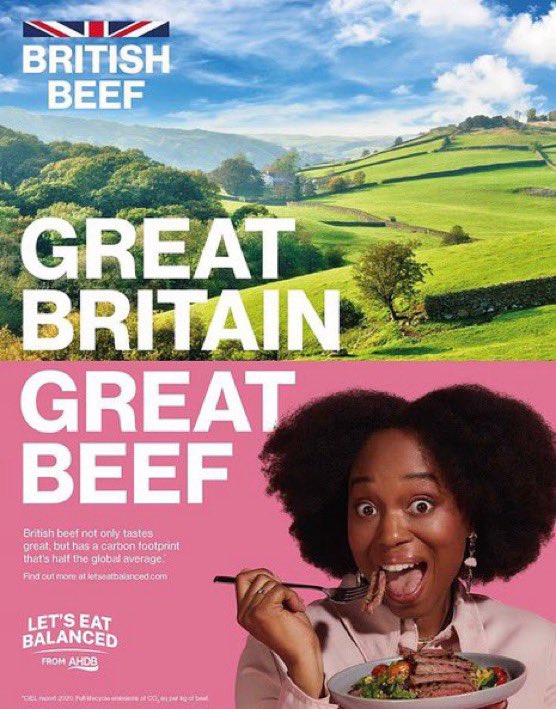
Two adverts by the Agriculture and Horticulture Development Board (AHDB) promoting British beef and milk have been banned by the Advertising Standards Authority (ASA) after television presenter and environmental campaigner Chris Packham complained that they misled consumers about the products’ carbon footprints. Here are the adverts. Support British farmers. Buy British milk and British Beef.
🇬🇧 🥛🥩
All the little wood was still,
As if it waited so, until
Some blackbird on an outpost yew,
Watching the slow procession through,
Lifted his yellow beak at last
To whistle that the line had passed...
Then all the wood began to sing
Its morning anthem to the spring. ~A.A.Milne
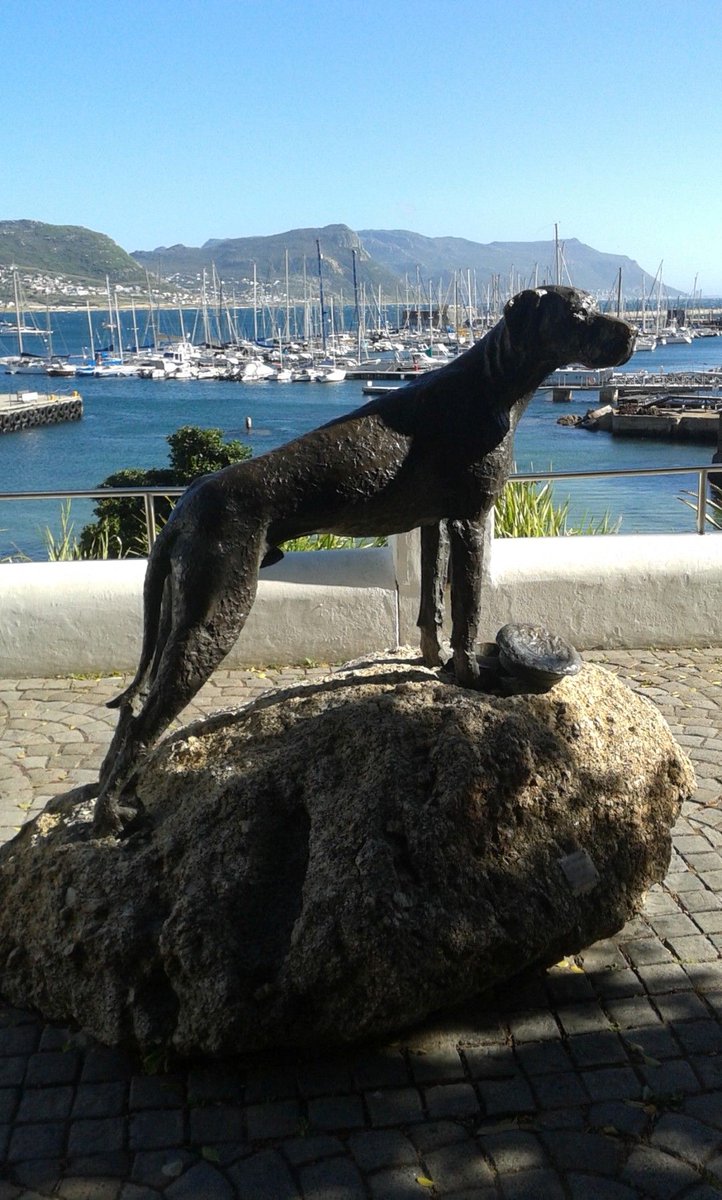
The Only Dog Ever Officially Enlisted in the Royal Navy.
In 1939, a Great Dane named Nuisance had a problem. He loved riding the trains between Simon's Town and Cape Town, South Africa, escorting drunk sailors back to base. The state railway company didn't love him back, they threatened to have him put down unless someone paid his fares.
The Royal Navy's solution was breathtaking in its bureaucratic elegance: they enlisted him. On August 25, 1939, Able Seaman Just Nuisance, surname Nuisance, first name Just, trade listed as "Bonecrusher," religion as "Scrounger", became the only dog in history officially enrolled in the Royal Navy. As enlisted personnel, he was entitled to free rail travel. Problem solved.
His service record reads like a sitcom. He was charged with sleeping in the Petty Officers' dormitory and sentenced to "deprivation of bones for seven days." He went AWOL repeatedly, refused to leave pubs at closing time, lost his collar, and, in his most serious infractions, killed the mascots of two Royal Navy warships, HMS Shropshire and HMS Redoubt. He never once went to sea.
He died on April 1, 1944, his seventh birthday, after being put to sleep due to a paralytic condition called thrombosis. The Royal Navy buried him with full military honours, a firing party, a bugler sounding the Last Post, and a Union Jack draped over his grave on the slopes above Simon's Town. His bronze statue still watches over the harbour today.
They gave a dog a rank, a salary, and a disciplinary record just to get him a free train ticket. Peak military logic.