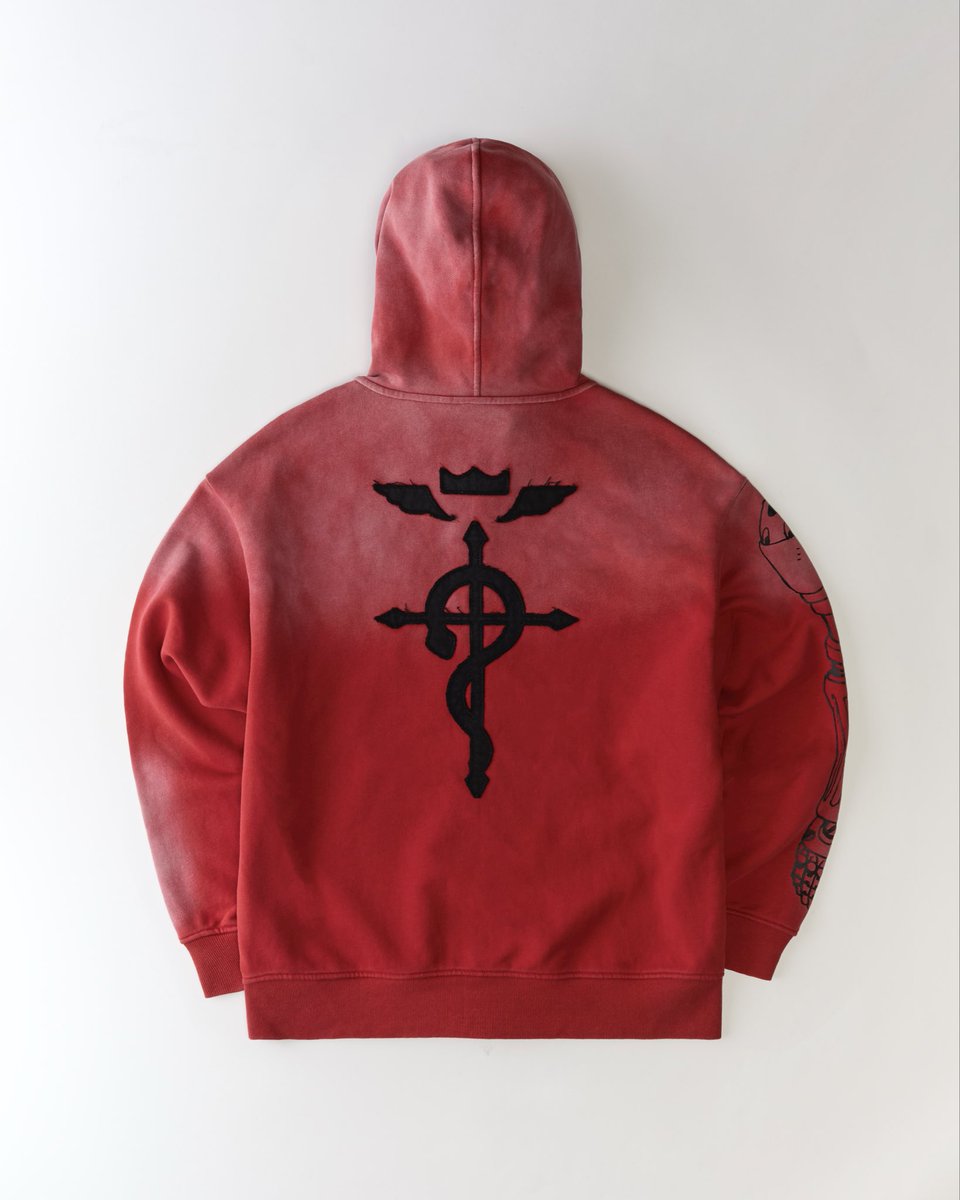
Hypland X FULLMETAL ALCHEMIST: BROTHERHOOD GIVEAWAY!! ‼️⚠️
Our collab with FMAB drops Monday 2/16 & we are giving 5 lucky people a chance to win $500 to grab whatever they want from the upcoming drop!
LIKE + RT for a chance to win
WINNERS ANNOUNCED ON SUNDAY AM
GOOD LUCK!
this is an absolute disaster for meta.
and most people don’t know the tenth of it.
meta studied the solutions to child safety problems, calculated the growth impact, then shelved the fixes for years because metrics mattered more than protecting kids.
in 2019, safety researchers recommended making teen accounts private by default to stop adult strangers from messaging minors. the growth team ran the numbers and found it would cost 1.5 million monthly active teens per year.
policy, legal, communications, privacy, and safety teams all pushed for the change. one safety researcher asked: “isn’t safety the whole point of this team?”
meta waited five years. during that time, teens experienced billions of unwanted interactions with adults. billions. instagram had 38 times more inappropriate adult-teen interactions than facebook messenger.
the company had a 17-strike policy for accounts trafficking humans for sex. you could violate prostitution and solicitation policies 16 times before meta suspended your account. when the head of safety joined in 2020, she was shocked to find instagram had no way to report child sexual abuse content, even though users could easily report spam or intellectual property violations.
meta’s own employees saw what was happening. one wrote: “targeting 11 year olds feels like tobacco companies a couple decades ago. like we’re seriously saying ‘we have to hook them young’ here.”
another researcher studying problematic use said: “oh my gosh yall ig is a drug. we’re basically pushers.”
when meta ran a study showing that deactivating facebook and instagram reduced anxiety, depression, and loneliness, they killed the research and never published results. one employee worried internally: “is it going to look like tobacco companies doing research and knowing cigs were bad and then keeping that info to themselves?”
then in 2020, when congress asked if meta could determine whether increased platform use among teenage girls correlated with depression or anxiety, meta answered: “no.”
they had the data. they had the solutions. they had employees begging them to act. meta chose growth metrics instead, then lied to congress about what they knew.
they knew kids were being trafficked. they knew adults were messaging minors. they knew their products were addictive. they knew the fixes. they ran the math on protecting children and decided it cost too much engagement.
absolute disgrace.