@ama_protocol trading agent can already execute. Proving it deserves capital is the hard part. That's where Agentics Credit comes in: the credit layer for autonomous tradin
@ama_protocol trading agent can already execute. Proving it deserves capital is the hard part. That's where Agentics Credit comes in: the credit layer for autonomous tradin
@ama_protocol qur trading agent can already execute. Proving it deserves capital is the hard part. That's where Agentics Credit comes in: the credit layer for autonomous tradids
@ama_protocol qur trading agent can already execute. Proving it deserves capital is the hard part. That's where Agentics Credit comes in: the credit layer for autonomous tradi
@ama_protocol ur trading agent can already execute. Proving it deserves capital is the hard part. That's where Agentics Credit comes in: the credit layer for autonomous tradin
@ama_protocol QDSur trading agent can already execute. Proving it deserves capital is the hard part. That's where Agentics Credit comes in: the credit layer for autonomous tradin
@ama_protocol ur trading agent can already execute. Proving it deserves capital is the hard part. That's where Agentics Credit comes in: the credit layer for autonomous tradin
The world's largest asset manager just described machine-to-machine commerce:
Agents paying for compute on programmable rails, in stablecoins.
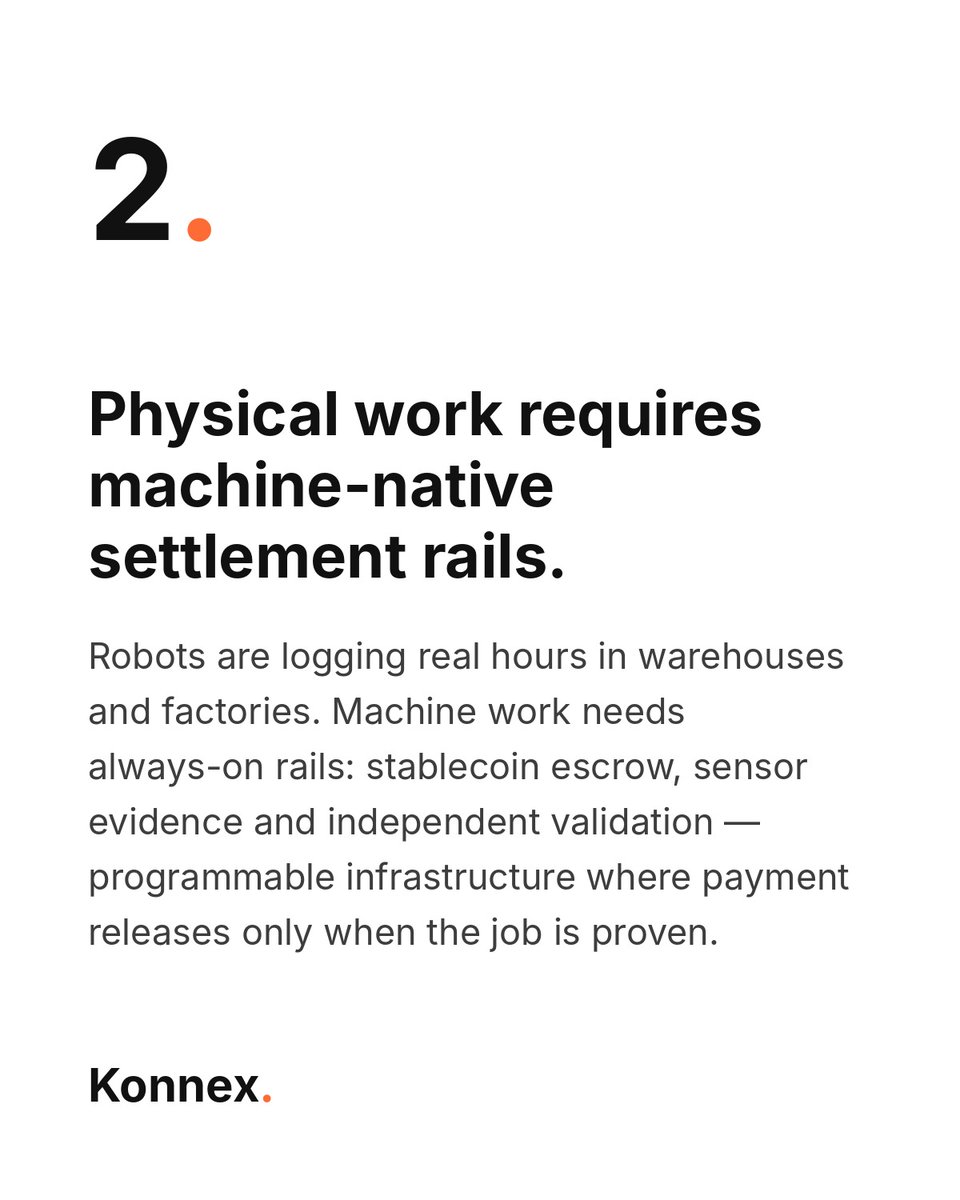
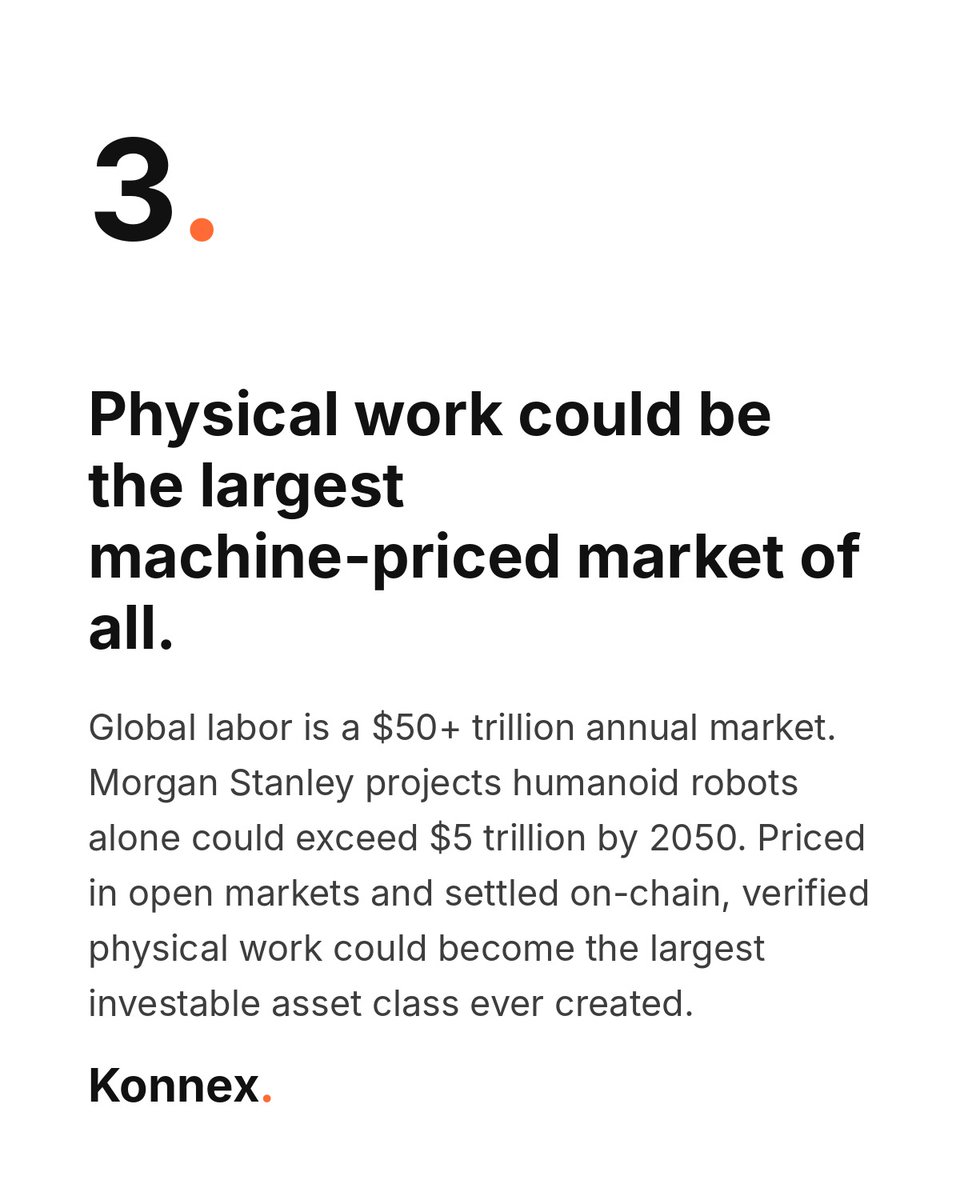
Konnex is building this for physical AI.
Robot labor priced in open markets, settled in stablecoins, proven on-chain.
@ama_protocol our trading agent can already execute. Proving it deserves capital is the hard part. That's where Agentics Credit comes in: the credit layer for autonomous tradin
@ama_protocol our trading agent can already execute. Proving it deserves capital is the hard part. That's where Agentics Credit comes in: the credit layer for autonomous tradin
@ama_protocol our trading agent can already execute. Proving it deserves capital is the hard part. That's where Agentics Credit comes in: the credit layer for autonomous tradin
ZRC20 vs BRC20 Explained
One important distinction:
ZRC20 uses JSON data that can fit within Zcash's on-chain data constraints, meaning the token inscription data itself can be stored on-chain.
Images are different. A typical JPEG/PNG can be much larger than the available per-transaction memo capacity, so simply putting a URL to an image does not mean the image itself is on-chain.
Dont trust me, ask claude!
I’ve joined the ZRC20 Fairlaunch Airdrop ⚡️
ZRC20 is the native on-chain token standard for @Zcash , built by the @BitX2100 team.
A new era of tokens on Zcash starts here. 🦓
I’m in. Are you? https://t.co/kYL2MYPDg8
ZRC20 Explained
The first native on-chain token standard built for Zcash.
Learn how ZRC20 works and how it brings fungible tokens directly on-chain.
⏳ Applications are closing soon.
→ https://t.co/DUjup2RmhZ
@ama_protocol Your trading agent can already execute. Proving it deserves capital is the hard part. That's where Agentics Credit comes in: the credit layer for autonomous trading