BEAST GAME EPISODE 3 IS OUT NOW!
To celebrate, I'm giving away $100,000 total to 10 random people who like and retweet this post!
Go watch it here: https://t.co/Yntf9E7FTN
I'M DONE... you're all just watching ppl make money
I realy want to change that 👇
Imma starting my own $40 -> $40,000 Challenge
If you wanna in:
🔹Like and Retweet this post
🔹Comment "Swampy" under this post
🔹Must follow me
I'm gonna send invite links and post progress in my tg
#Budget2025 To understand Pakistan’s economic situation, let's take a look at our budget. (FY23 actuals)
To make things simple, imagine our budget is Rs100.
Where do we get Rs100 from, and where do we spend it?🧵
@Haiderjakhar1 Yes it's a trap but there life is far better than an average Pakistani.
A average Pakistani work day and night. No savings, no good education for their kids, no Insurance. It's cruelty...
It's easy to find God in Masjid when you are well off not for average Pakistani
@Haiderjakhar1 Canada has other cities too!!!
Perth is the regional state. You talk about Sydney or Melbourne.
Similarity Buying ghar in Nova Scotia, Brunswick is cheaper
It reminds me of my uni teachers who loves to fail students.
He pretended to be a cool specially singing unasked songs for us.
And we hated it...
University Teachers are cruel. They do PHD and think they know everything.
Just writing Research papers won't make you an expert
They are indeed copycats. From copying Hollywood movies in this generation to be copying pyramids of Egypt from 15-18 Century.
It is in their genes. Can't blame them 😔😔😔
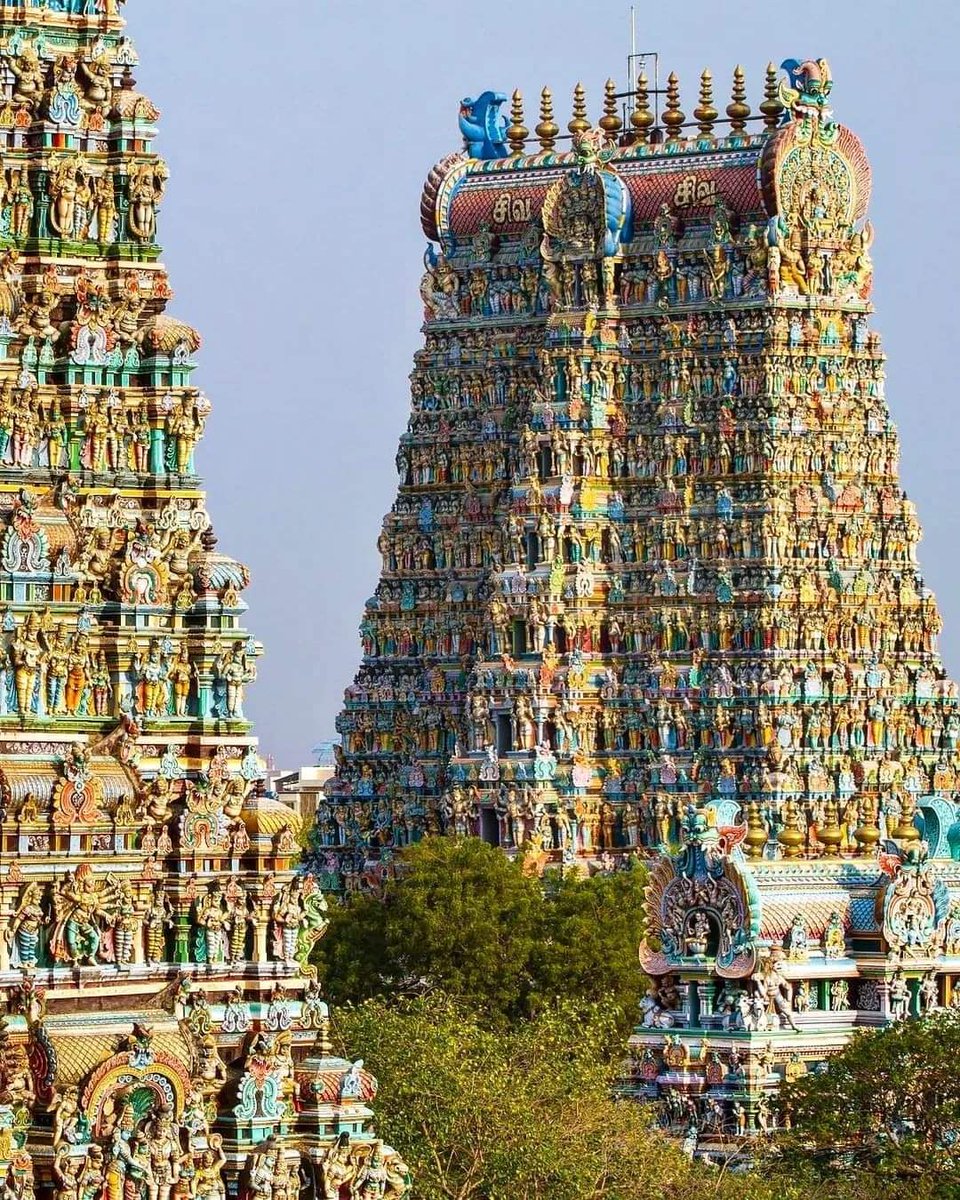
South Indian Temple Architecture; also called the Dravida Style, is a form of architecture widely employed for Hindu temples in modern Tamil Nadu from 7th-18th Century AD, characterized by its pyramidal tower. Variant forms are found in the Karnataka (formerly Mysore) and Andhra Pradesh states.
South Indian temple consists essentially of a square-chambered sanctuary topped by a superstructure, tower, or spire and an attached pillared porch or hall (mandapa or mantapam), enclosed by a peristyle of cells within a rectangular court. The external walls of the temple are segmented by pilasters and carry niches housing sculpture. The superstructure or tower above the sanctuary is of the kutina type and consists of an arrangement of gradually receding stories in a pyramidal shape. Each story is delineated by a parapet of miniature shrines, square at the corners and rectangular with barrel-vault roofs at the centre. The tower is topped by a dome-shaped cupola and a crowning pot and finial.
The origins of the Dravida style can be seen in the Gupta period. The earliest extant examples of the developed style are 7th Century AD, rock-cut shrines at Mahabalipuram and a developed structural temple, Shore Temple (700 AD), at the same site.
South Indian style is most fully realized in splendid Brihadeeswara temple at Thanjavur, built about 1003–1010 AD by Rajaraja the Great, and the great temple at Gangaikondacholapuram, built about 1025 AD, by his son Rajendra Chola. Subsequently, the style became increasingly elaborate, the complex of temple buildings enclosed by the court became larger, and a number of successive enclosures, each with its own gateway (gopura), were added. By the Vijayanagar period (1336–1565 AD) the gopuras had increased in size so that they dominated the much smaller temples inside the enclosures.
Temples started becoming the focus of urban architecture. Kanchipuram, Thanjavur or Tanjore, Madurai and Kumbakonam are the most famous temple towns of Tamil Nadu, where, during the eighth to twelfth centuries, the role of the temple was not limited to religious matters alone. Temples became rich administrative centres, controlling vast areas of land.
These are basically of five different shapes of temples: square, usually called kuta, and also caturasra; rectangular or shala or ayatasra; elliptical, called gaja-prishta or elephant-backed, or also called vrittayata, deriving from wagonvaulted shapes of apsidal chaityas with a horse-shoe shaped entrance facade usually called a nasi; circular or vritta; and octagonal or ashtasra. Generally speaking, the plan of the temple and the shape of the vimana were conditioned by the iconographic nature of the consecrated deity, so it was appropriate to build specific types of temples for specific types of icons. It must, however, be remembered that this is a simplistic differentiation of the subdivisions. Several different shapes may be combined in specific periods and places to create their own unique style.
📷 : Arulmigu Meenakshi Sundareswarar Temple, a historic Hindu temple located on southern bank of Vaigai River, Madurai, Tamil Nadu, India.
#archaeohistories
South Indian Temple Architecture; also called the Dravida Style, is a form of architecture widely employed for Hindu temples in modern Tamil Nadu from 7th-18th Century AD, characterized by its pyramidal tower. Variant forms are found in the Karnataka (formerly Mysore) and Andhra Pradesh states.
South Indian temple consists essentially of a square-chambered sanctuary topped by a superstructure, tower, or spire and an attached pillared porch or hall (mandapa or mantapam), enclosed by a peristyle of cells within a rectangular court. The external walls of the temple are segmented by pilasters and carry niches housing sculpture. The superstructure or tower above the sanctuary is of the kutina type and consists of an arrangement of gradually receding stories in a pyramidal shape. Each story is delineated by a parapet of miniature shrines, square at the corners and rectangular with barrel-vault roofs at the centre. The tower is topped by a dome-shaped cupola and a crowning pot and finial.
The origins of the Dravida style can be seen in the Gupta period. The earliest extant examples of the developed style are 7th Century AD, rock-cut shrines at Mahabalipuram and a developed structural temple, Shore Temple (700 AD), at the same site.
South Indian style is most fully realized in splendid Brihadeeswara temple at Thanjavur, built about 1003–1010 AD by Rajaraja the Great, and the great temple at Gangaikondacholapuram, built about 1025 AD, by his son Rajendra Chola. Subsequently, the style became increasingly elaborate, the complex of temple buildings enclosed by the court became larger, and a number of successive enclosures, each with its own gateway (gopura), were added. By the Vijayanagar period (1336–1565 AD) the gopuras had increased in size so that they dominated the much smaller temples inside the enclosures.
Temples started becoming the focus of urban architecture. Kanchipuram, Thanjavur or Tanjore, Madurai and Kumbakonam are the most famous temple towns of Tamil Nadu, where, during the eighth to twelfth centuries, the role of the temple was not limited to religious matters alone. Temples became rich administrative centres, controlling vast areas of land.
These are basically of five different shapes of temples: square, usually called kuta, and also caturasra; rectangular or shala or ayatasra; elliptical, called gaja-prishta or elephant-backed, or also called vrittayata, deriving from wagonvaulted shapes of apsidal chaityas with a horse-shoe shaped entrance facade usually called a nasi; circular or vritta; and octagonal or ashtasra. Generally speaking, the plan of the temple and the shape of the vimana were conditioned by the iconographic nature of the consecrated deity, so it was appropriate to build specific types of temples for specific types of icons. It must, however, be remembered that this is a simplistic differentiation of the subdivisions. Several different shapes may be combined in specific periods and places to create their own unique style.
📷 : Arulmigu Meenakshi Sundareswarar Temple, a historic Hindu temple located on southern bank of Vaigai River, Madurai, Tamil Nadu, India.
#archaeohistories
Yes No one wants to live in India. This is why they prefer to live illegally in US.
They are scammers and rapist. They prefer cow piss rather than water to drink.
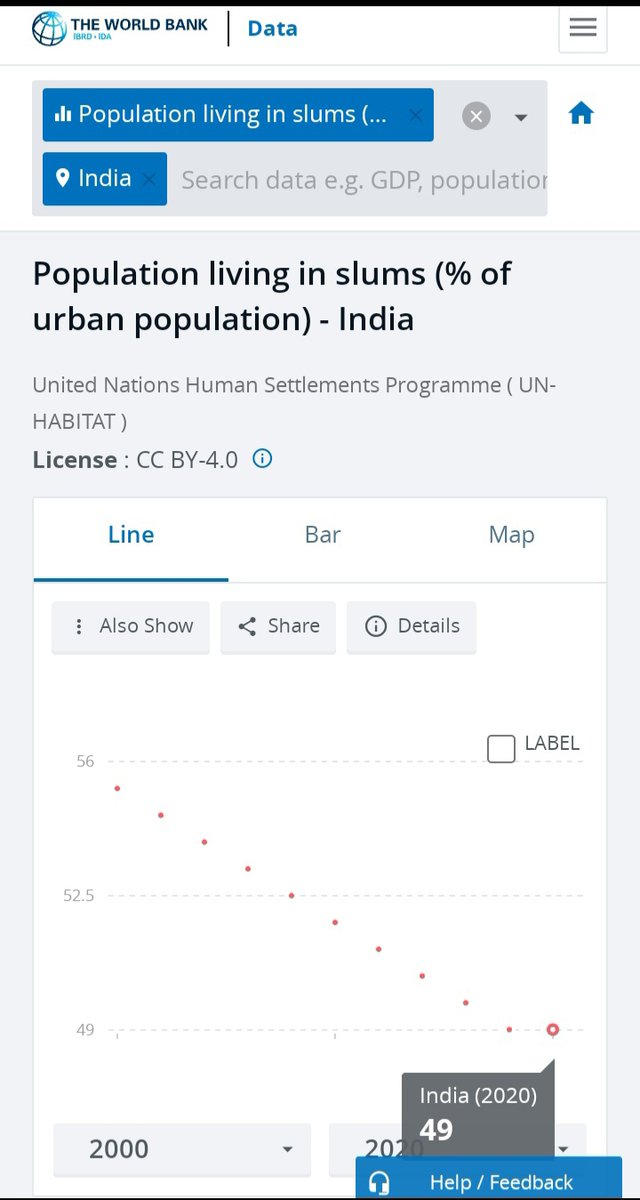
Also who wants to live in a country where 50 percent of the population doesn't have a home.
Hindus & Sikhs were living from Afghanistan to Malaysiya. They have been systematically reduced to present day India which is again 30 percent non Hindu. Hindus did not survive. They resisted and lost. The fight is still on to finish them from South East West & North. 1/2....