By: This Blew My Mind
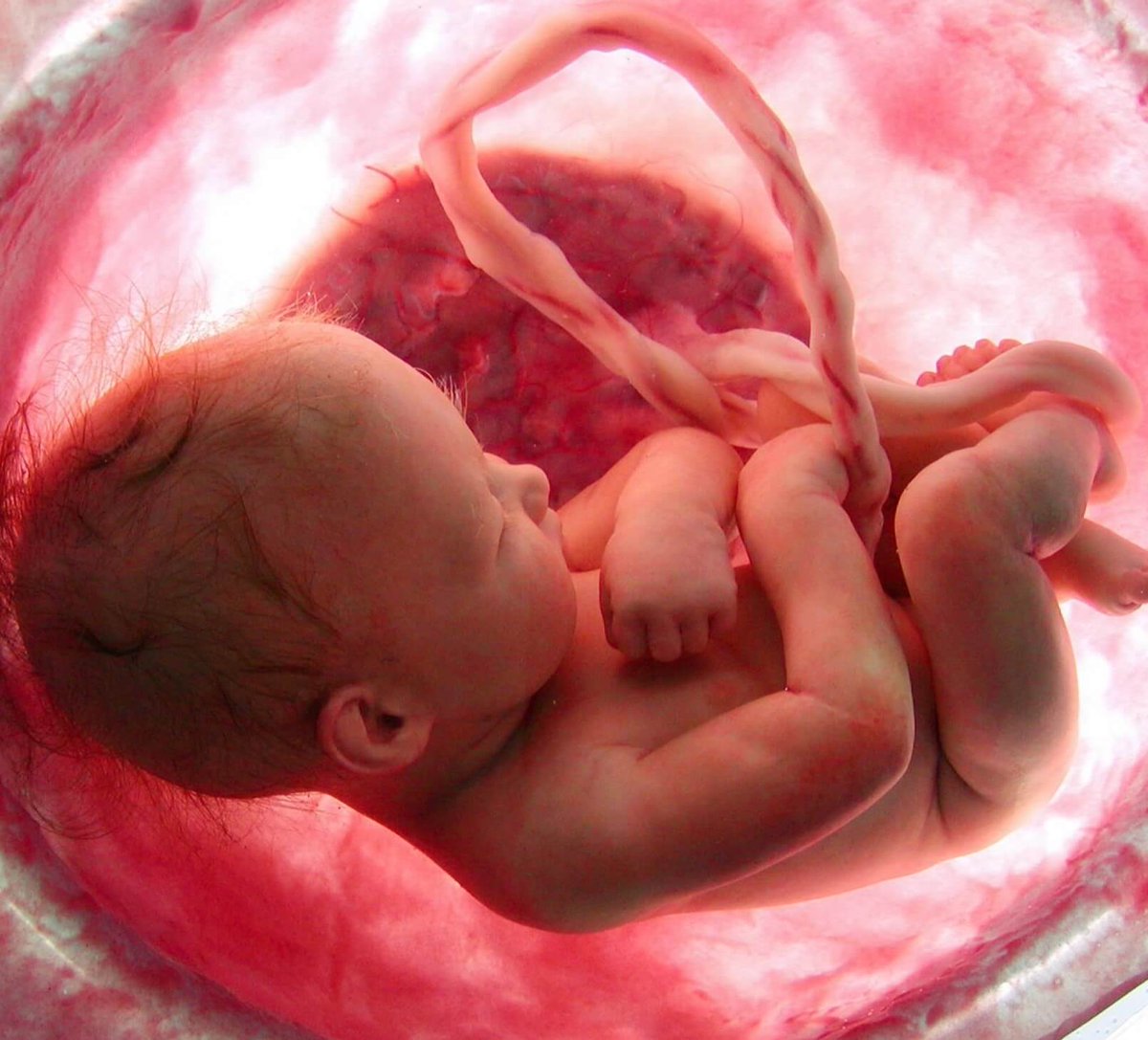
“When pregnant, the cells of the baby migrate into the mothers bloodstream and then circle back into the baby, it’s called “fetal-maternal microchimerism”.
For 41 weeks, the cells circulate and merge backwards and forwards, and after the baby is born, many of these cells stay in the mother’s body, leaving a permanent imprint in the mothers tissues, bones, brain, and skin, and often stay there for decades. Every single child a mother has afterwards will leave a similar imprint on her body, too.
Even if a pregnancy doesn't go to full term or if you have an abortion, these cells still migrate into your bloodstream.
Research has shown that if a mother's heart is injured, fetal cells will rush to the site of the injury and change into different types of cells that specialize in mending the heart.
The baby helps repair the mother, while the mother builds the baby.
How cool is that?
This is often why certain illnesses vanish while pregnant.
It’s incredible how mothers bodies protect the baby at all costs, and the baby protects & rebuilds the mother back - so that the baby can develop safely and survive.
Think about crazy cravings for a moment. What was the mother deficient in that the baby made them crave?
Studies have also shown cells from a fetus in a mothers brain 18 years after she gave birth. How amazing is that?”
If you’re a mom you know how you can intuitively feel your child even when they are not there….Well, now there is scientific proof that moms carry them for years and years even after they have given birth to them.
I find this to be so very beautiful.
A myth I have debunked is as a woman, you have to do it all at home, then do everything at work, and kids drop off & pick up. I can't do it all & I am ok asking for help. Clear definition of what I do and what I will designate @PTSAfrica#AfricanEQrevolution#EQ4AfricaConference
Let's all be champions to make sure we remove the stigma around mental health disorders in the same way we would not stigmatize a person with high blood pressure or a physical health challenge - Wycliffe Osoro @PTSAfrica#mentalhealth#EQ4AfricaConference#AfricanEQrevolution
It's ok not to be OK. Is this something we consider in our workplaces? Having an environment that allows team members to speak out candidly about not being ok. The first panel of the day is addressing this @PTSAfrica#EQ4AfricaConference#mentalhealth#AfricanEQrevolution