I beg medics to read this article by Fred Rossi. I have just cried reading it.
It is everything I have wanted to say about developing long covid and ME in my daughters case as a consequence, when you know medicine and psychological stuff and people tell you (and your 10yr old child) that it’s in your/their head and they just need to try harder.
I have had depression that was horrific, I have had therapy and use antidepressants. I know how to push through tough times. I get no “reward” for being unwell with this shitty disease. I have less income and I try to maintain a positive outlook and make other people’s lives better too.
But a pandemic novel virus messed up my body in multiple ways. And millions of others too.
That really shouldn’t be controversial.
6.45am 5th June 2026 #Seapoint🩵
A beautiful sky this morning ⛅️
“One cannot be deeply responsive to the world without being saddened very often.” - Erich Fromm
The hair started falling out first.
Then came the blackouts.
The crushing exhaustion.
The unexplained pain.
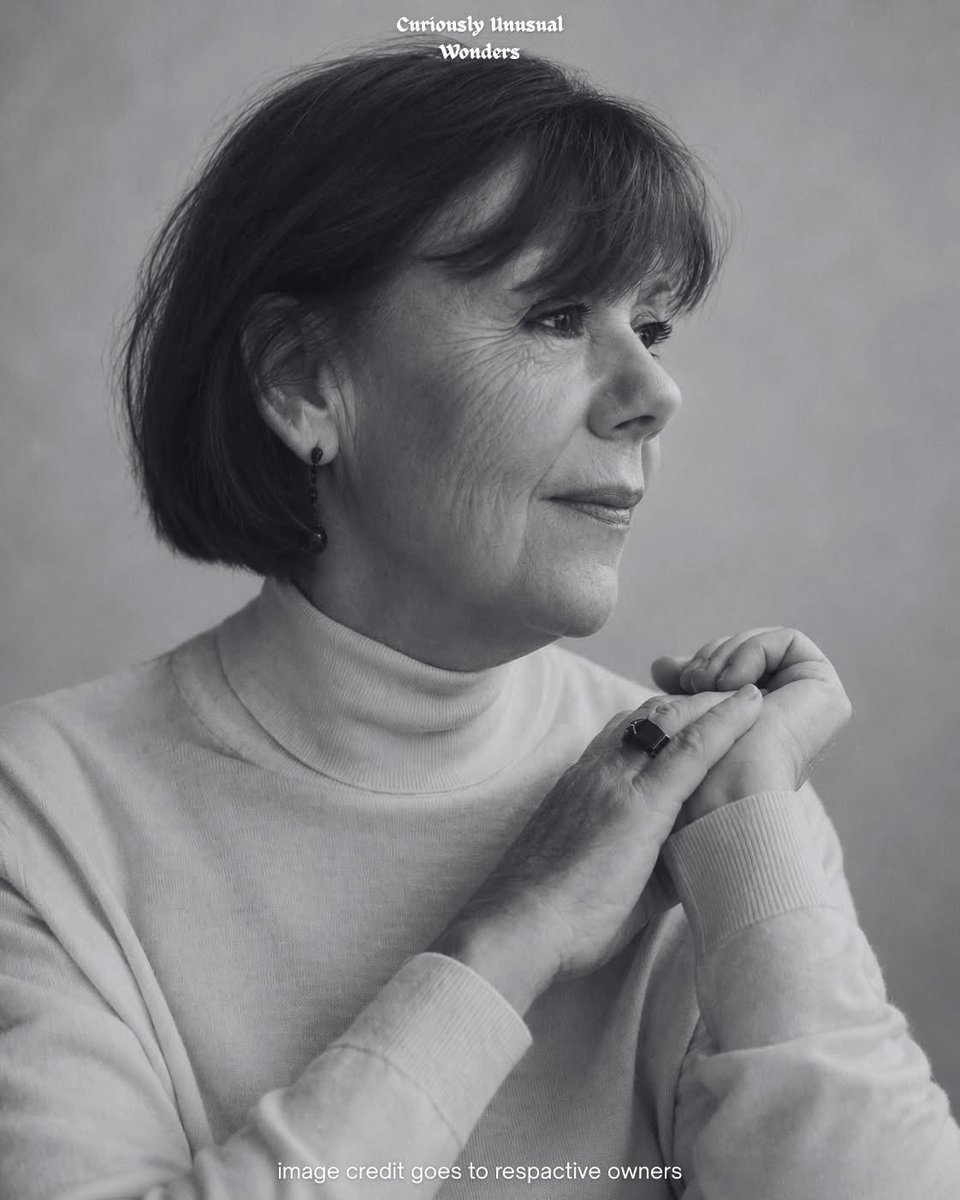
For years, Gisèle Pelicot knew something was terribly wrong with her body.
One day, she looked at her husband and asked directly:
“Are you drugging me?”
Dominique Pelicot looked offended.
He denied everything.
After nearly fifty years of marriage, she believed him.
Why wouldn’t she?
They had raised children together.
Built a life together.
Retired to a quiet village in southern France where people saw them as the perfect couple.
But in 2020, everything shattered.
Police arrested Dominique for secretly filming women under their skirts in a supermarket.
When investigators searched his computer, they uncovered something horrifying:
Thousands of videos showing Gisèle unconscious in her own bed while men assaulted her.
For nearly a decade, Dominique had allegedly crushed sedatives into her food and drinks before inviting strangers into their home to rape her while she was unconscious.
He filmed everything.
The men came from all walks of life:
firefighters, nurses, journalists, soldiers,prison guards, husbands and fathers
Many later claimed they thought she was pretending to sleep.
Others argued that because her husband allowed it, it must have been consensual.
But an unconscious person cannot consent.
Gisèle remembered none of it.
She only knew she was constantly sick, confused, exhausted, and slowly losing herself while the man she trusted most manipulated her reality.
Then came the trial.
French law would have allowed Gisèle to remain anonymous.
She refused.
At 72 years old, she chose to reveal her identity publicly and demanded an open trial.
Her reason was simple:
“Shame must change sides.”
For months, she sat through testimony and watched evidence of what had been done to her.
She listened while men tried to excuse the inexcusable.
And she never backed down.
In December 2024, all 51 defendants were convicted.
Dominique Pelicot received the maximum sentence:
20 years in prison.
Outside the courthouse, Gisèle said:
“I wanted society to see what was happening. I never regretted this decision.”
Her courage transformed the conversation in France around drug-facilitated assault, consent, and victim shame.
Because what made her story so powerful was not only the horror of what happened.
It was what she refused to carry afterward.
Silence.
Embarrassment.
Shame.
She handed those back to the people who deserved them.
Gisèle Pelicot showed millions of survivors something the world too often forgets:
The shame does not belong to the victim.
It belongs to those who chose to harm them.
BROTHERS Jordan and Cian Adams got their 20th marathon underway in Limerick on Saturday.
They are planning their own routes on 33 marathons in 33 days in order to raise funds for dementia awareness, in memory of their mother Geraldine, who they lost to frontotemporal dementia.
Brooklyn, 1952. Judith Love Cohen, 19, asks her high school counselor about math classes.
The counselor smiles like she’s talking to a child. “Honey, nice girls go to finishing school. Learn to pour tea.”
Judith enrolls in Brooklyn College. Engineering.
Hundreds in the lecture hall. Women: one. Her.
“Boys laughed when I raised my hand,” she said. “So I raised it higher.”
She transfers to USC. Finishes bachelor’s + master’s. Never sees another female engineering student.
Graduates 1957. Class of 800. Women: 8.
America’s engineers: 0.05% women. She’s one of them.
Then NASA calls.
1960s. Apollo needs brains. Gender? Secondary. Competence? Everything.
Judith joins the team building the Abort-Guidance System for the Lunar Module. The AGS. The “oh crap” button. If the main computer dies, this box flies you home. Or you don’t come home.
“It had to work,” she said. “Because if you needed it, you were already dying.”
Orbital mechanics. Electrical chaos. Code that can’t glitch. She lives in equations for months.
August 1968. Nine months pregnant. Still at her desk.
Coworkers: “Go home, Judith.”
Judith: “The math isn’t due. I am.”
Morning contractions start. She grabs her printouts — pages of trajectories, circuits, logic — and drives to work.
Contractions get real. Team: “HOSPITAL. NOW.”
Judith: “Fine.” Takes the printouts.
Hospital bed. Nurses walk in. She’s between contractions, scribbling on computer sheets. “Ma’am, you’re in labor.”
“I’m in math,” she says.
Then it clicks. The final bug in the AGS. Solved.
Then she pushes. Baby boy: Thomas Jacob. You know him as Jack Black.
Next day she calls her boss. “I fixed the guidance problem.” Pause. “Oh. And the baby came too.”
April 13, 1970. 200,000 miles from Earth. BOOM.
Apollo 13. Oxygen tank explodes. Command Module dying. Three men crawl into the Lunar Module — built for 2 people, 1 day. They need it for 3 people, 4 days.
Primary computer stutters.
Backup comes alive.
Judith’s AGS.
It holds. Calculates burns. Aligns spacecraft. Verifies they’re not flying into deep space forever. “Without AGS, we don’t come home,” said Jim Lovell later.
April 17, 1970. Splashdown. Alive.
The world cheers the astronauts.
Inside NASA, engineers hug. “The backup worked.”
Judith’s backup.
Apollo 13 crew visits TRW to say thanks. Judith shakes their hands. No speech. Back to work.
She keeps going.
Hubble Space Telescope systems. TDRS satellites — ran 40 years. Papers. Patents. Mentors girls. Writes kids’ books: You Can Be a Woman Engineer. “Girls need to see it to be it,” she said. “TV gave them lawyers. I’ll give them astronauts.”
Raised four kids. Danced ballet with the Met Opera while doing engineering school. “My first loves,” her son Neil wrote, “were dancing and equations.”
July 25, 2016. Age 82. She’s gone.
Son Jack Black posts 2019: Photo of Mom, 1959, next to a Pioneer spacecraft. “My mom literally helped save Apollo 13. Finished the problem IN LABOR WITH ME. How do you top that?”
The counselor said “finishing school.”
Judith chose “finishing equations.”
Three astronauts owe their lives to that choice.
“They said I didn’t belong,” Judith said once. “So I built something that belonged in space. And brought them home.”
She never flew. But she made sure others could.
From a hospital bed. Between contractions. With a pencil.
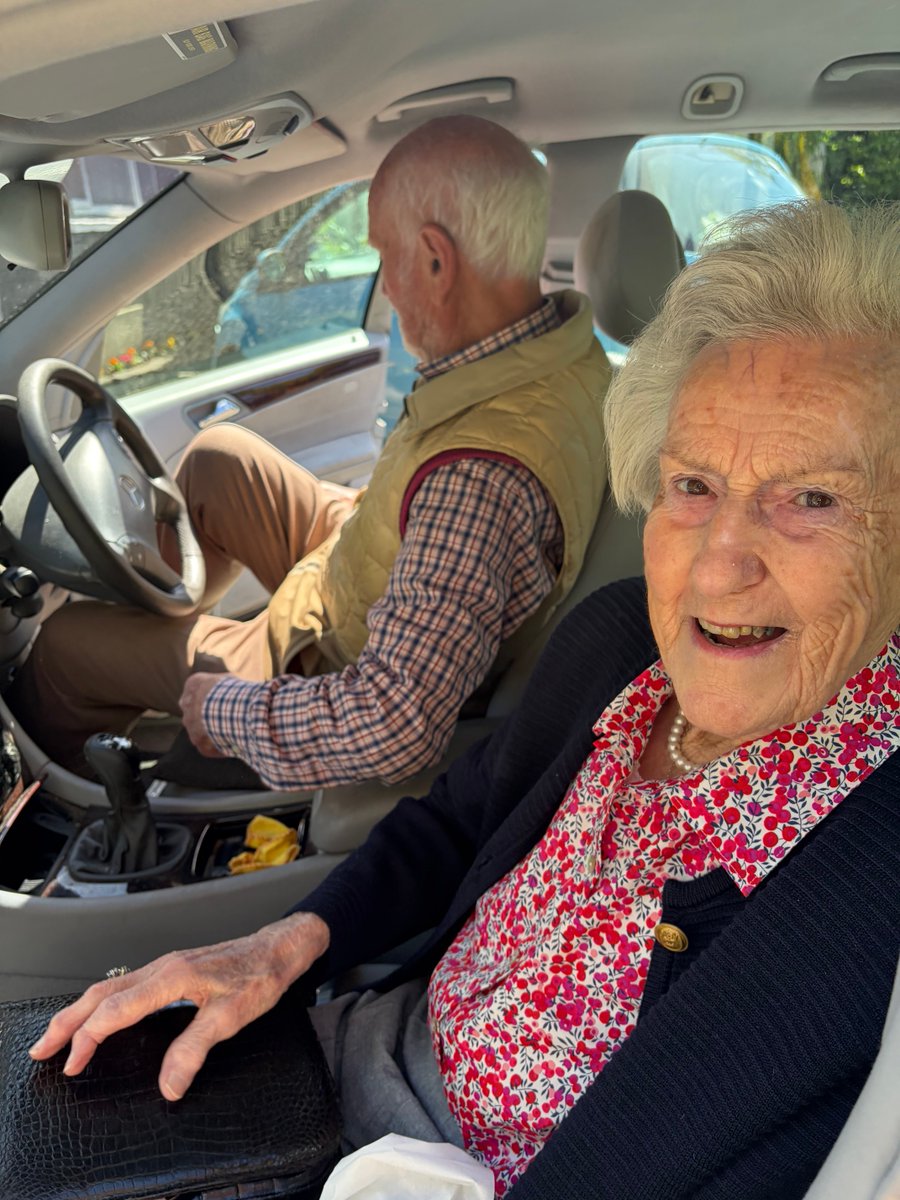
🧔🏼♂️”I better get you up to your bridge or else they will think you’re dead!”😂
My 👵🏻 has been poorly with a dose for weeks and missing her weekly game of bridge.
#NotEasyGettingOld
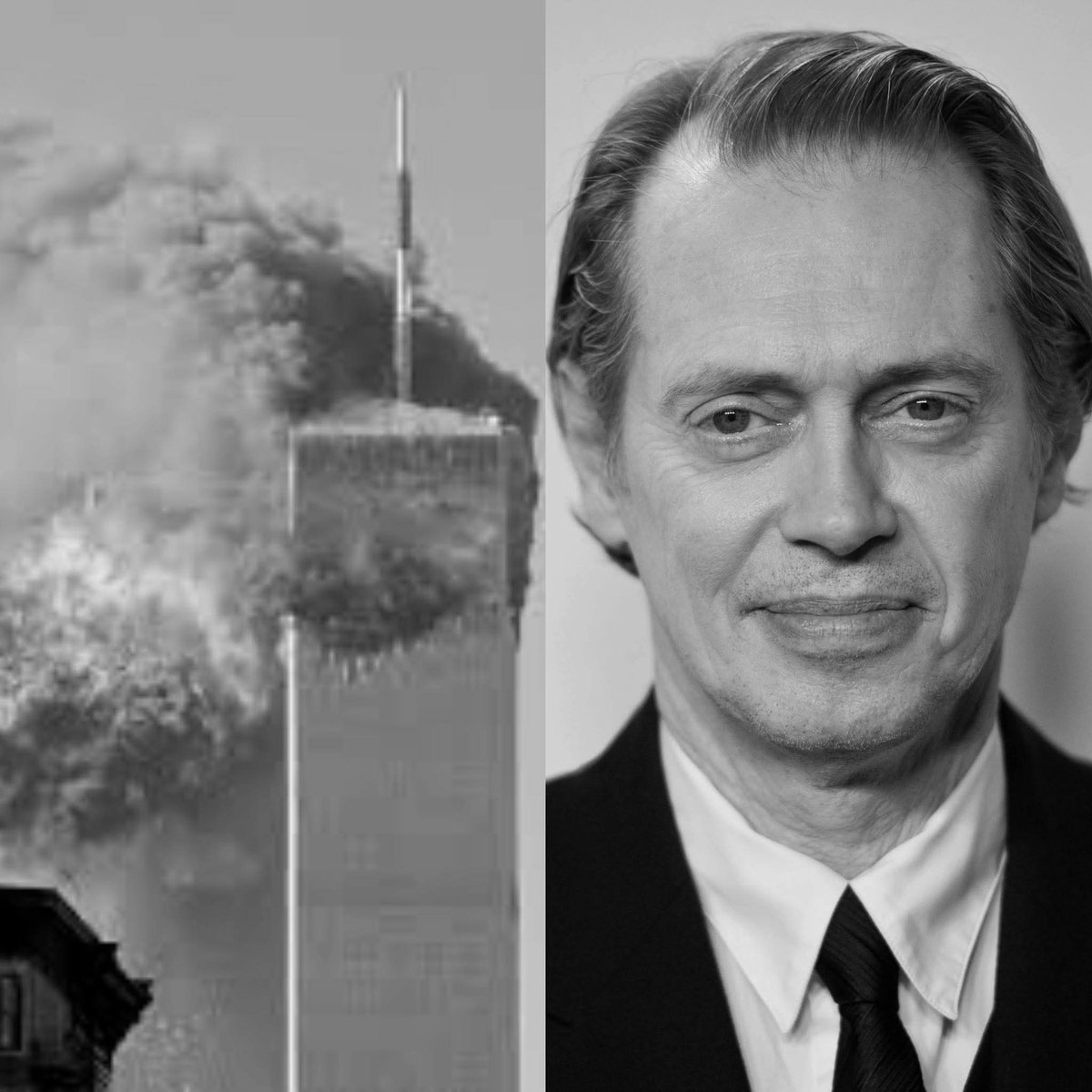
While the rest of the world watched the Twin Towers fall in horror on their TV screens, he grabbed his old gear and headed toward the smoke. He didn't call his publicist. He just showed up to work. Back in September 2001, he wasn't looking for a camera or a red carpet. He was looking for his brothers.
Before his fame, Steve Buscemi was a real New York City firefighter. He took the FDNY exam when he was just 18 years old and spent four years working 12-hour shifts in Little Italy with Engine Company 55.
He eventually left the department to pursue acting, but he never truly stopped being a firefighter at heart.
When the towers fell on 9/11, that old instinct took over. Buscemi didn’t reach out to his agent or wait for instructions. He called his old firehouse, but no one answered because of the sheer chaos in the city.
On September 11, he simply showed up at the pile of rubble known as Ground Zero. He found his old crew and asked if he could help. For the next five days, he became a firefighter again.
He put aside his Hollywood life and worked grueling 12-hour shifts. He spent his time digging through twisted steel and shattered concrete, searching for survivors.
There were no cameras following him around for a documentary. In fact, he fiercely avoided the press. He turned away reporters and declined interviews because he didn't want the focus to be on his celebrity. He wanted to be just another man on the line.
"It was a privilege to be able to do it," Buscemi later said about those days in the dust. "It was enormously helpful for me because while I was working, I didn’t really think about it as much, feel it as much."
For him, being part of the recovery was a way to process the shock that everyone else was feeling from a distance.
The internet often claims that no photos exist of him there, but a few rare shots do document his presence. They show a man covered in soot, wearing a simple fire helmet, with a face etched in total exhaustion and sorrow.
These weren't staged publicity photos; they were raw moments of a man doing a job. He didn't want the world to see him as a hero. He just wanted to help his friends.
However, the work took a heavy toll on him. After the physical labor ended, the emotional weight stayed. Buscemi eventually opened up about the deep depression and PTSD he faced after leaving Ground Zero.
Returning to a "normal" life felt impossible for a long time. "There are times when I talk about 9/11 and I’m right back there," he admitted in a rare, candid interview.
He didn't suffer in silence forever. He turned to therapy and found comfort in talking to professionals and other first responders who understood the trauma.
This experience turned him into a lifelong advocate for mental health. He realized that the scars you can't see are often the ones that take the longest to heal.
Even now in 2026, Buscemi is still showing up for the FDNY. He serves on the Advisory Council for Friends of Firefighters and helps raise money for mental health counseling. This mission is more urgent than ever.
Today, more FDNY members have died from 9/11-related illnesses than the 343 who were lost on the day of the attack. Buscemi makes sure these people are never forgotten.
He could have stayed in a safe place and watched the news like everyone else. Instead, he chose to get his hands dirty. He didn't go there as a movie star; he went there as a New Yorker who knew how to use a shovel.
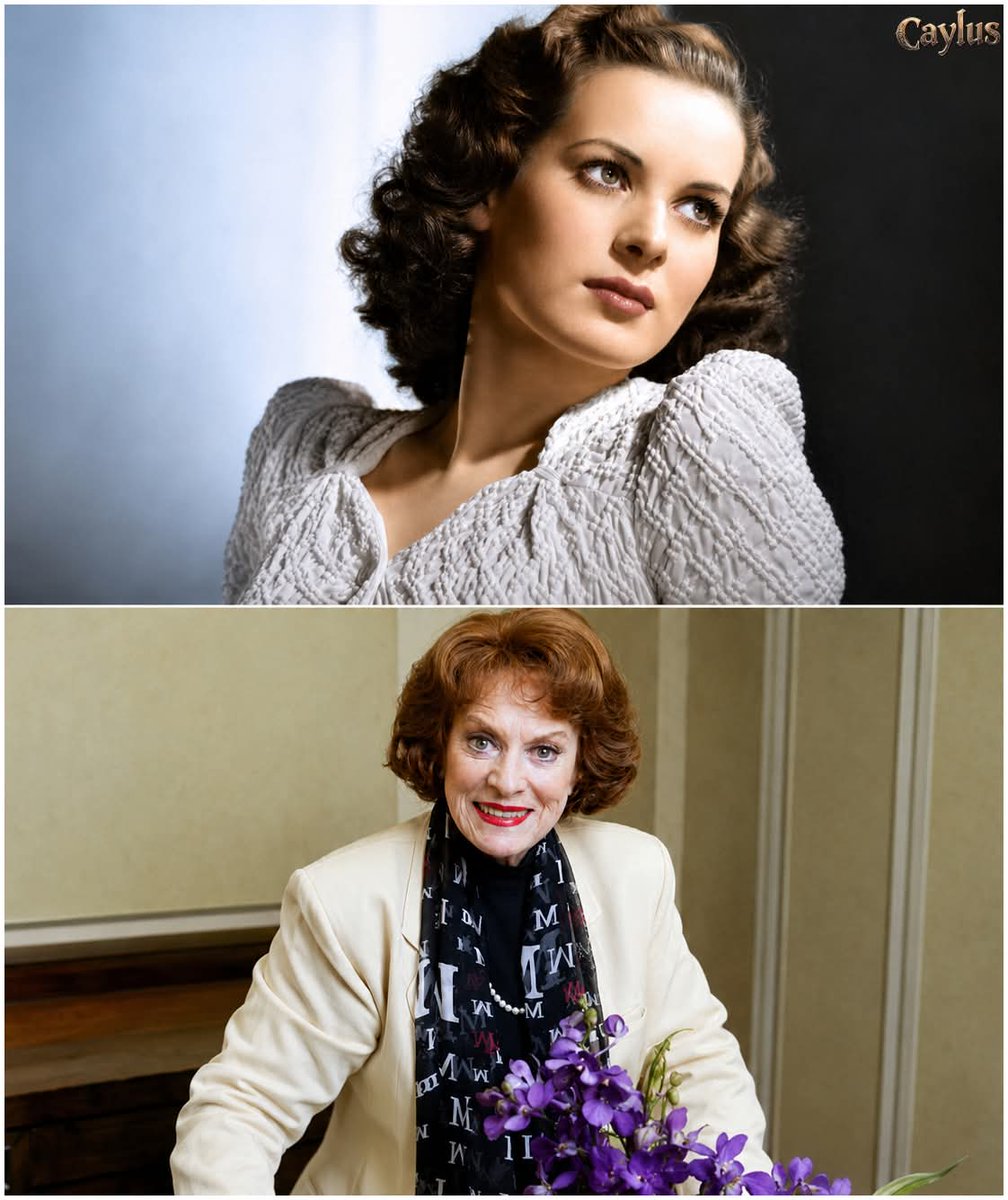
Los Angeles, 1946. Maureen O'Hara stood before an immigration clerk, holding papers that would make her an American citizen.
She’d passed every requirement.
The exam was finished. The process complete. All that remained was a signature.
Then she looked down at the documents spread across the desk.
Everywhere she had written “Irish” had been crossed out. Her nationality. Her heritage. Her identity. Gone. In another hand, one chilling word had been inserted instead: “English.”
Again and again.
Irish erased. English inserted.
The woman who fought pirates onscreen and stood shoulder-to-shoulder with John Wayne felt something fierce rise inside her chest.
“I’m terribly sorry,” she said, her Dublin accent cutting through the cold air of the Los Angeles immigration court, “but I can’t forswear an allegiance I don’t have. I have no allegiance to England at all—I’m Irish.”
The clerk stared back, confused and irritated.
This wasn’t how these meetings were supposed to go.
Maureen FitzSimons had been born in Ranelagh, Dublin, on August 17, 1920. She came to America as a teenager after Charles Laughton spotted something extraordinary in her screen test. He persuaded her to shorten her surname, offering O’Hara or O’Mara.
She chose O’Hara.
But she never chose to stop being Irish.
By 1946, Hollywood knew her as the fiery Queen of Technicolor. A woman who performed her own stunts and refused to be reduced to decoration.
But the American immigration system saw only one thing: a British subject.
The reasoning was painfully simple. Ireland had still been tied to the United Kingdom when she was born. Even after the Irish Free State emerged, much of the world—including the United States—continued classifying Irish citizens as British subjects.
To Maureen, it wasn’t paperwork.
It was erasure.
The clerk sent her before an immigration judge, certain he would settle the matter. The judge repeated what the records said. Washington considered her English. Her papers would reflect it.
Maureen stood her ground.
“I cannot accept American citizenship under those circumstances,” she said.
Washington was contacted for confirmation.
The answer returned unchanged: English.
“Your Honor,” she replied, calm but blazing, “I’m not responsible for your antiquated records in Washington. Thank you very much, but I cannot accept citizenship under those conditions.”
She turned toward the door.
She would rather leave without citizenship than sign her name beneath a lie.
Then she stopped and faced the courtroom one last time.
“Do you realize what you’re trying to do to my children and grandchildren?” she asked. “You’re trying to take away their right to boast about their wonderful Irish mother and grandmother.”
The judge threw up his hands in defeat.
“Give her anything she wants on her papers,” he snapped.
Maureen walked out with documents finally marked Irish.
And from that day forward, thousands of immigrants would no longer have their identity erased by the word “British.”
Because one woman refused to let the world decide who she was.
Beloved Gabriel Fauré b otd 1845! What a composer, what a spirit. Like Beethoven, as his body grew weaker and his deafness more complete, he created a musical world unlike any other - filled with spiritual radiance, sensuous beauty, inner strength and profound joy. A true genius.