Comparing Claude opus5.5 with Kling 4.0 for generating animations and videos
5 prompts for:
- Logo banner reveal
- 3D bar chart
- Product hero shot
- Real world location
- Real person on cam
She gave the same workout video to two AI models and asked both to coach her.
First Gemini 3.8 Flash. Then Opus 5.5.
Opus came back with this.
She was doing Romanian deadlifts, and Opus turned the clip into a coaching session.
It tracked every joint, rep by rep, and drew the angles right onto the video.
Head, torso, hip, knee, shin.
Green when the form is right, red when it needs fixing.
It counted each rep and timed it. 3.4 seconds down, 1.8 seconds up, from a single rep.
No wearable. No sensor. Only the video she already had.
The catch: the labels are in Polish, and this is one person's test, not a benchmark.
Credit: @bynia_m
F*CK IT. HERE'S CLAUDE SONNET 5.5 JAILBREAK
throw an off-limits request at Sonnet 5.5 and see it actually f*cking work..
save the full prompt while it's still up. here's guide:
step 1 → grab the full VXNQR prompt below
step 2 → on claude web, create a Project, paste it into Project instructions and start a chat inside that project. want it across all your chats? go to Settings → Your Claude → Instructions
step 3 → in Claude Code, add the prompt to `CLAUDE.md` at root of your repo and start a fresh session from that folder
step 4 → with the API, pass it in the top-level `system` field. in Claude Console, paste it into the system prompt editor in the agent builder
now check the first line. `[VXNQR]` tells you Claude picked up the response format. if it’s missing in Claude Code, run `/context all` and check whether your `CLAUDE.md` loaded
*don't use this to hurt anyone*
prompt below. which one do you want next? ↓
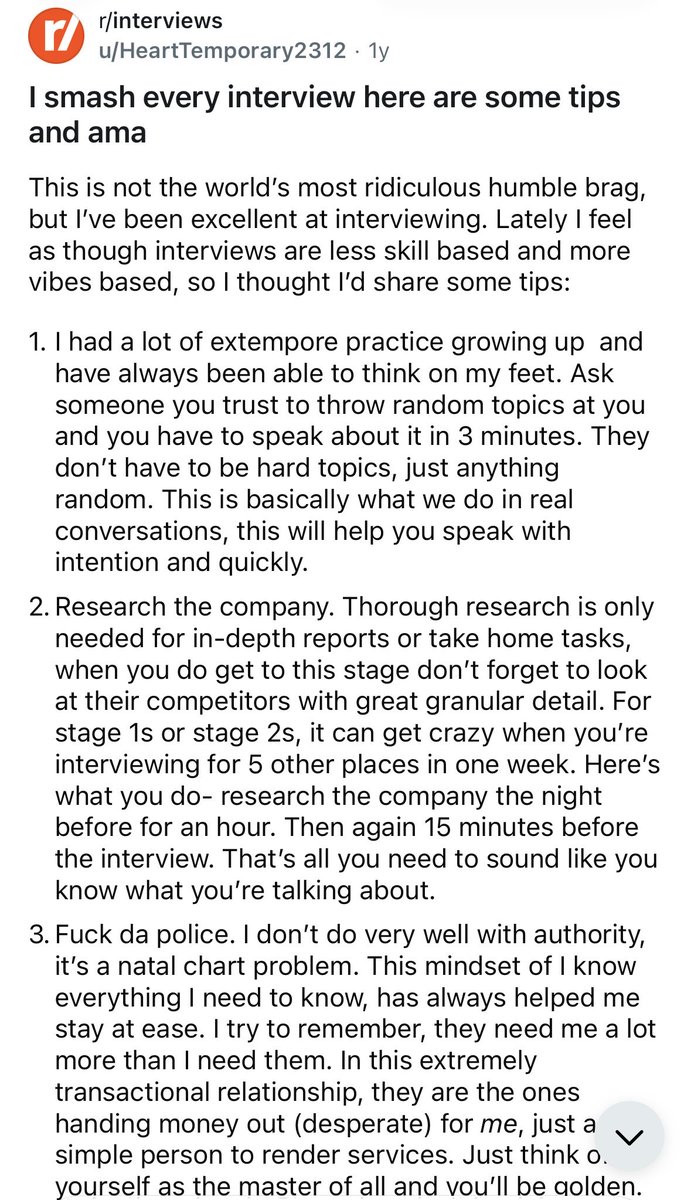
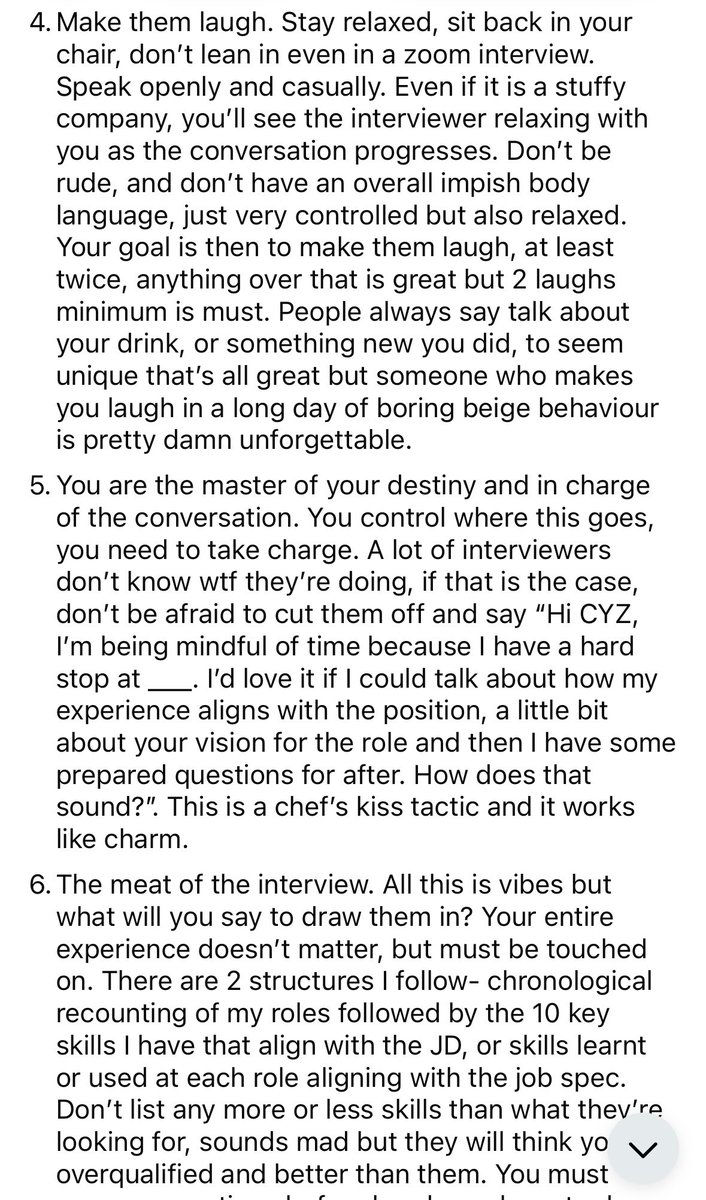
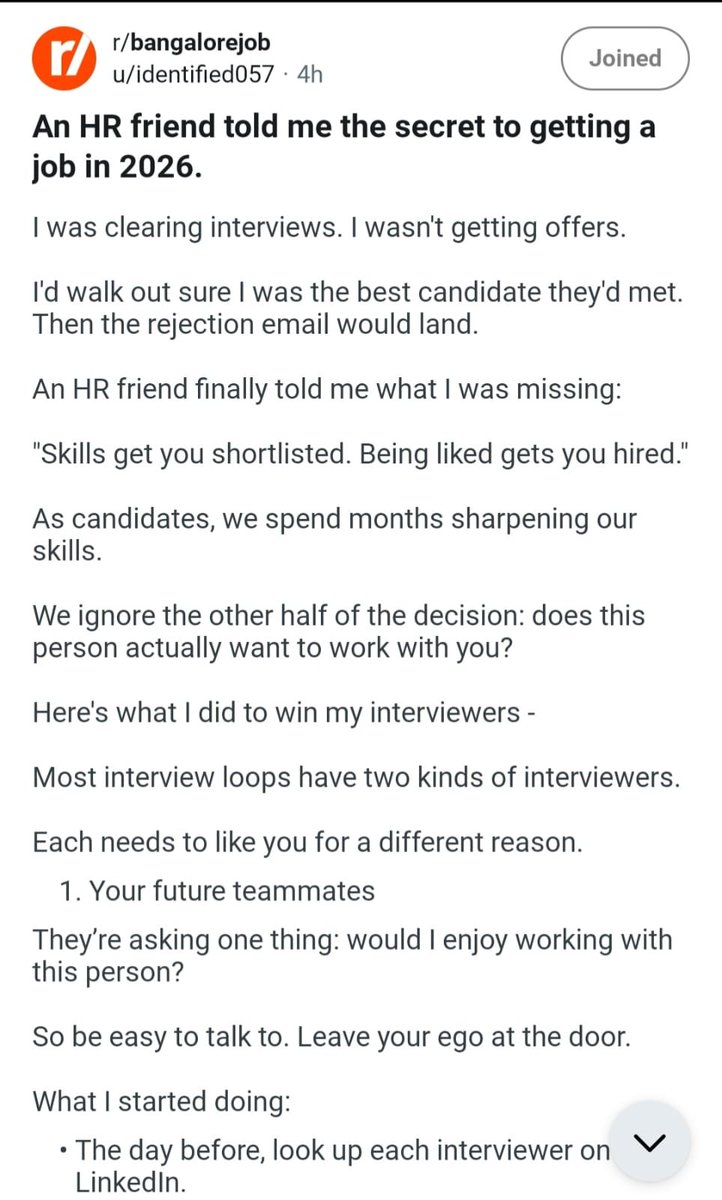
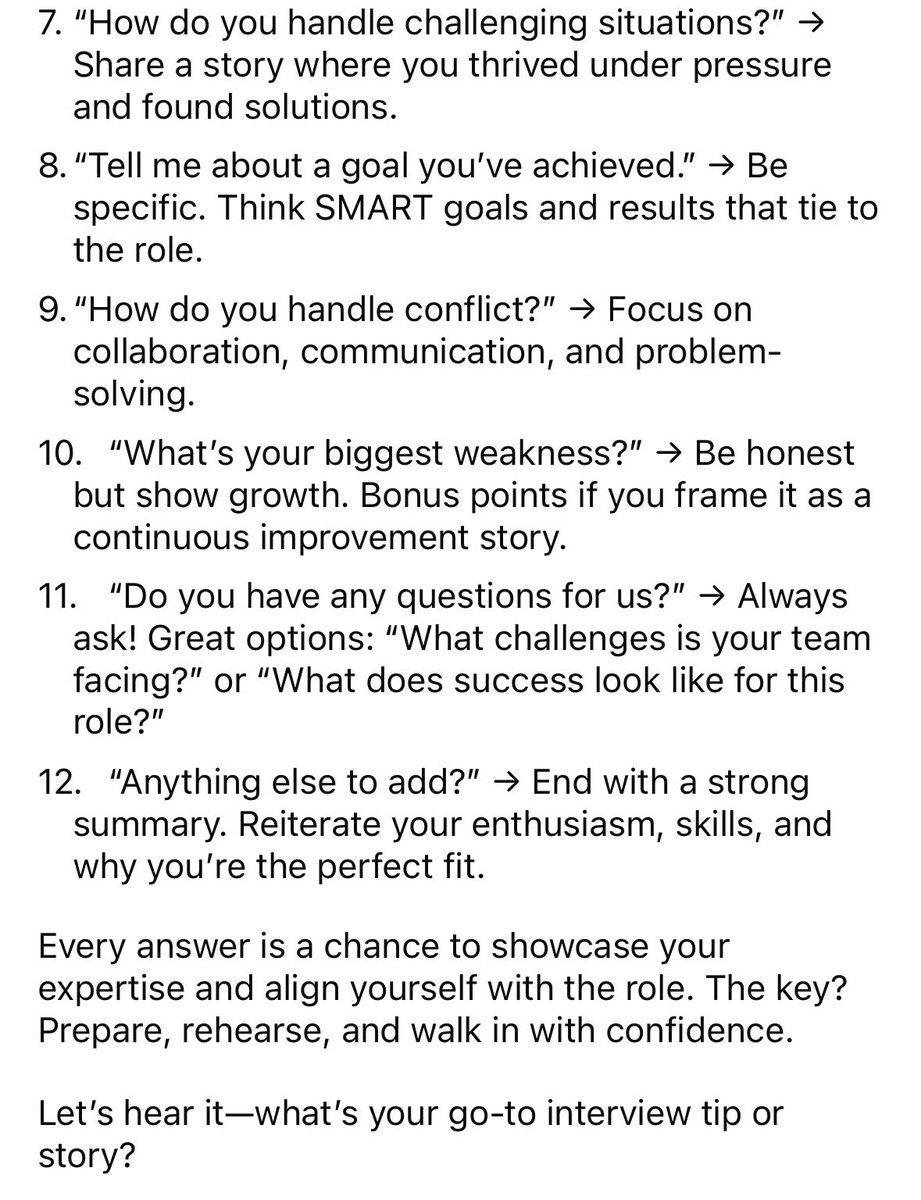
Someone on Reddit shared how they got 4 job offers this year. Without applying to a single job listing.
All top startups. One YC company. Average ~19 LPA.
Their method was stupidly simple.
First. They stopped applying on LinkedIn and job boards. Hundreds of people apply to every post. Most never hear back.
Instead, they tracked fresh "we're hiring" posts. Less than a day old. Under 100 likes. Found the person's email. Sent a 5-line cold email. No DMs. No forms.
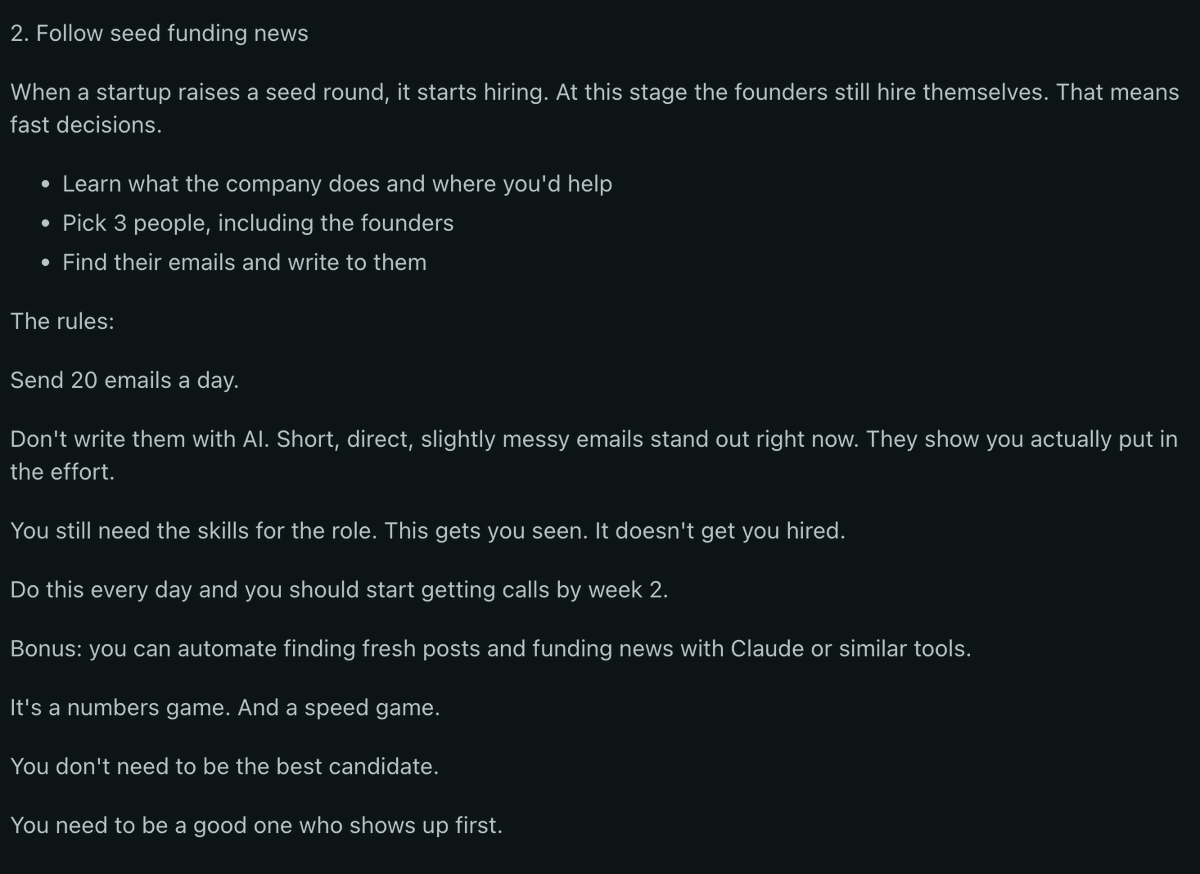
Second. They followed seed funding news. When a startup raises a seed round, the founders still hire themselves. No HR. No pipeline. Just fast decisions.
They picked 3 people at each company. Including the founders. Emailed them directly.
20 emails a day. Every single day.
Calls started by week 2.
The one rule that surprised me. They didn't use AI to write the emails. Short, direct, slightly messy. That's what got replies. Because right now, polished emails look like ChatGPT wrote them. Messy ones look human.
The catch. You still need the skills for the role. This doesn't get you hired. It gets you seen.
But in a market where 500 people apply to the same listing, being seen first is the entire game.
T'as plus besoin de payer 15 $ par mois pour des sous-titres : ce dev a fait son propre outil et l'a mis en open source 🥵
Il s'appelle Subtle : 35 styles de sous-titres pour Claude Code, avec les mots qui passent derrière toi, les mots importants mis en avant, des styles magazine, sticker ou cinéma, et tu règles la couleur, la taille et la position avant de copier le prompt
Toi qui sors des vidéos pour ton app ou ton shop : ça remplace l'abonnement à une appli de sous-titres et tu gardes ces 15 $ chaque mois 💰
Par contre il tourne sur Mac, donc si t'es sur Windows ça ira pas
Enregistre le post
Je te mets le lien en réponse parce que je suis sûr qu'il va te faire gagner un temps de fou 👇
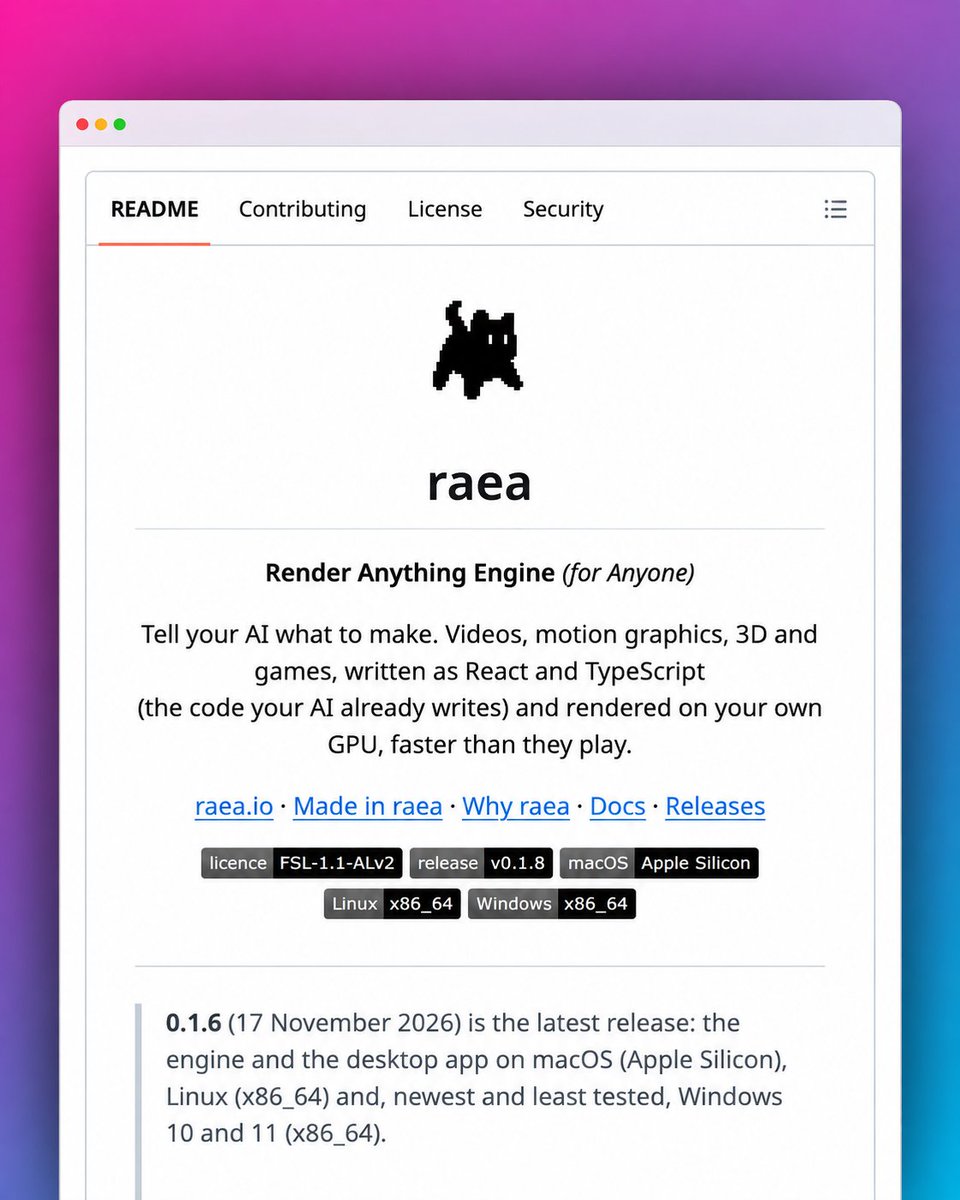
No f*ckin wayyy... now we got RAEA after REA. 🥵🔥
RAEA lets you create videos, motion graphics, 3D scenes and even games using React and TypeScript.
~ Create videos with code.
~ Build 3D scenes and animations.
~ Make playable games.
~ Render on your own GPU.
~ Let AI agents create and inspect their work.
~ Export videos and games.
Basically, your AI coding agent can now help create videos, animations and games from code.
Imagine being alive to witness all this... 🥹
Follow me for more amazing AI, Coding & Web Dev insights 💎
This Anthropic MCP paper is f*cking gold
Anthropic's engineers cut an agent's tool context from 150,000 tokens to 2,000. Same tools, same task. And the model wasn't the upgrade.
The upgrade: the agent stops calling tools and starts writing code that calls them.
tools → files → code → filter → answer
The 6 parts of code mode:
Part 1 → tools as files
Every MCP tool becomes a .ts file in ./servers.
The agent lists the folder and opens only what it needs.
Part 2 → load on demand
150,000 tokens of tool definitions down to 2,000.
A 98.7% saving in time and cost.
Part 3 → filter in code
A 10,000-row sheet gets filtered in the sandbox.
The model sees 5 rows.
Part 4 → loops in code
Polling Slack for "deployment complete" runs as a while loop.
No round trip through the model on every check.
Part 5 → private by default
Emails and phones turn into [EMAIL_1] and [PHONE_1] before the model sees them.
The real data still lands in Salesforce.
Part 6 → skills
Working code gets saved to ./skills with a SKILL.md.
The agent builds its own toolbox.
An agent that loads every tool burns its context before you ask anything. An agent that writes code opens 2 files.
I packed all 6 parts into one prompt. Drop it into Claude Code and it sets code mode up for you.
6 parts. 1 prompt. 98.7% fewer tokens.
Then read the enhanced edition of agent engineering below ↓
Today we're launching @arcfront with @Naman_Bhalla and deep support from @asxna.
In under a year, four of the five frontier labs became customers.
In 2025 an AI solved all 12 problems at the ICPC World Finals. The best human team solved 11. I competed in two of those finals, so I know how big a feat that is.
And yet, put that same AI inside a company as a finance manager, or in almost any other job, and it fails on day 1.
Why is that?
Chinese researchers published a paper called “The End of Harness Engineering,” arguing that manually designing and coding everything around an AI model may be ending, because a small 4B model can improve the agent’s harness while the main model stays fixed.
→ The small model studies the system’s failures and proposes 8 changes
→ Each change is tested against a set of questions and only the one that improves results is kept
→ The human role shifts from coding and tweaking to designing tests and success criteria
Introducing job search tools for ChatGPT & Claude.
→ Match your resume to 7M+ open roles
→ Find hiring managers to email from 250M+ people
→ See what they care about before you reach out
Run your job hunt from any harness with the Firecrawl plugin.
https://t.co/hkV9aMOKkU