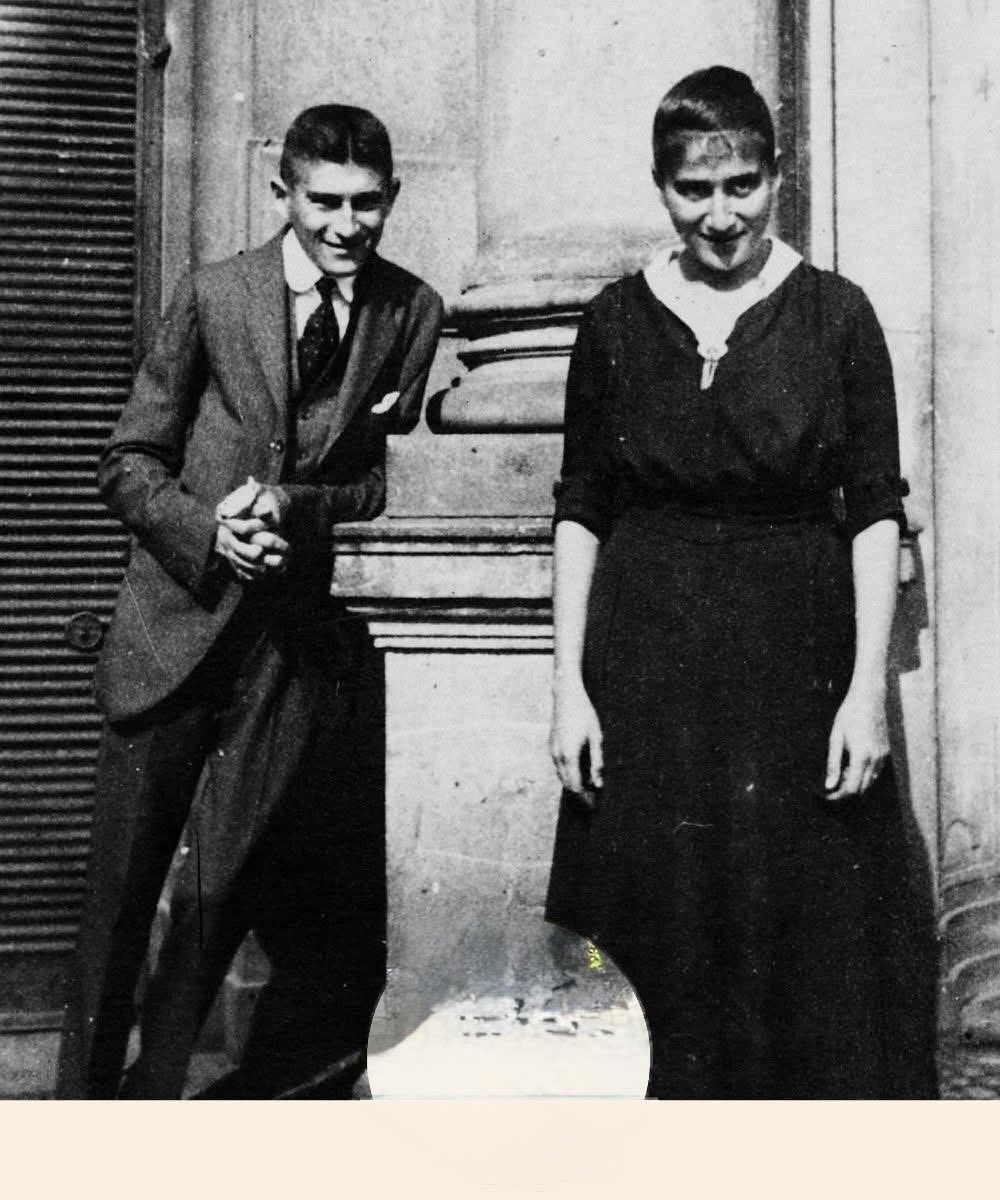
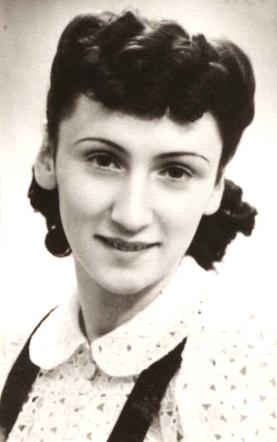
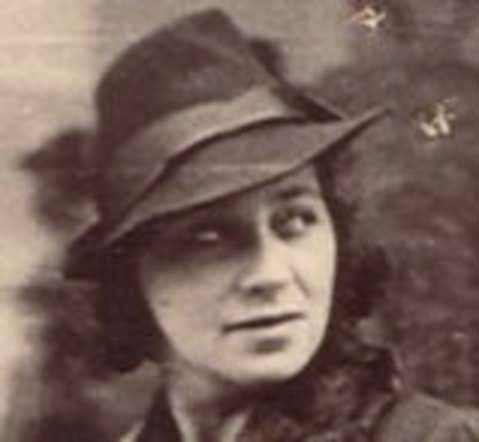
El 7 de octubre de 1943, entre las vallas eléctricas, el humo agudo y los silenciosos gritos de Auschwitz, sucedió algo que incluso hoy parece imposible de decir sin temblar. En un lugar diseñado para extinguir cada destello de dignidad, Ottla Kafka —hermana menor del famoso Franz Kafka— realiza un gesto que rompe, por un momento, el inhumano silencio del miedo con un eco de coraje y amor.
Ottla no estaba destinado a morir ese día. Desde el campamento de Terezín fue seleccionada para otro traspaso, tal vez otro campamento, tal vez trabajo forzado. Pero mientras caminaba por el perímetro, vio algo que detuvo el tiempo: un grupo de niños, aterrorizados, estaban siendo preparados para la deportación. Niños pequeños, unos descalzos, otros abrazándose, la mirada perdida, las manos buscando a quien sostener.
Ottla no dudó. Se acercó y pidió, con la fuerza silenciosa que sólo el amor sabe, que se sumara a ese transporte. Ella no tenía que hacerlo. Nadie la estaba forzando. Pero ella eligió. Elegí ir con ellos, sabiendo muy bien lo que significaba ese viaje. Todo el mundo sabía eso. Auschwitz no dejó dudas: quien se subió a esos vagones no volvió.
Tal vez pensó que podía tranquilizarlos. Tal vez él quería que, al menos por un momento, esos niños no se sintieran solos, no solo sintieran miedo. Tal vez quería convertir el horror en un abrazo, aunque solo sea por un momento. Y así se subió con ellos. Caminó con ellos. Hasta el final.
Cuando el tren se detuvo, no había palabras. Solo órdenes secas. Solo el frío death metal. Ottla y los niños fueron enviados inmediatamente a cámaras de gas. No hay juicio. No hay explicación. Sólo una puerta que se estaba cerrando. Por siempre y para siempre.
Pero lo que se mueve, lo que queda, es esa elección. En medio de un mecanismo diseñado para borrar el alma, Ottla se atrevió a ser humano. Eligió el amor antes que el odio. Y lo hizo no con grandes discursos, sino con un simple, silencioso y absoluto paso. Un paso hacia los más indefensos. Un paso hacia el dolor de otra persona.
Su presencia, en ese carro, no cambió el destino de esos niños. Pero cambió el significado de ese momento. Se llenó con una última luz. De una última caricia. De una Presencia Real.
Ottla Kafka no fue ni un célebre mártir ni una heroína de los libros de historia. Pero con ese gesto se convirtió en un faro hundido. Un susurro poderoso. Un testimonio de que incluso en total oscuridad, un solo acto de humanidad puede brillar como mil soles.
En un mundo que había olvidado lo que era la misericordia, ella lo encarnó hasta el final.
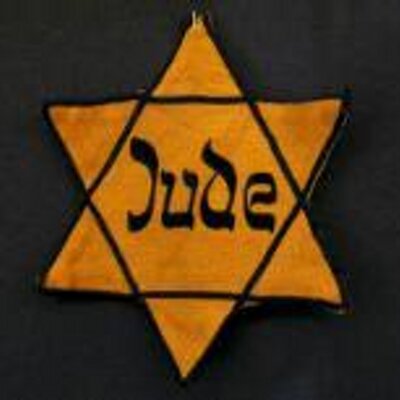
Il #6settembre 1941 l’obbligo di “marchiare” gli ebrei con la stella gialla di #David fu esteso, nelle zone occupate dalla #Germania, a tutti i cittadini al di sopra dei 6 anni. Centinaia di migliaia di bambini furono immatricolati come vitelli da mandare al macello.@ShoahMemory
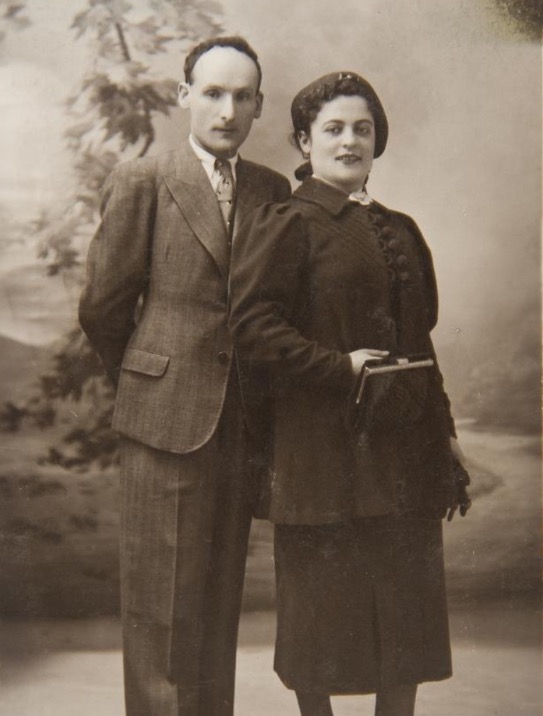
29 October 1904 | Polish Jew Chaim Sznajder was born in Warsaw. He emigrated to France.
On 25 June 1942 he was deported from #Pithiviers to #Auschwitz.
No. 42586
He perished in the camp on 12 August 1942.
His wife Marjam survived the war.
---
Our podcast talks about the situation of Polish & Jewish prisoners in the camp: https://t.co/bljdKdSdnj
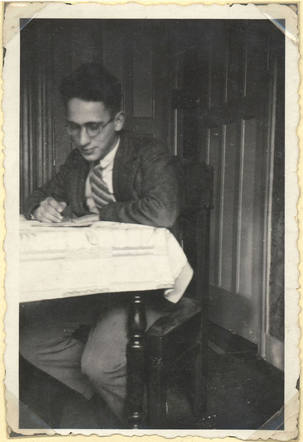
29 October 1913 | A Dutch Jew, Alexander Pach, was born in Amsterdam. A clerk.
In #Auschwitz from 17 July 1942.
No. 48310
He perished in the camp on 10 August 1942.
---
Online lesson about Jewish prisoners at KL Auschwitz: https://t.co/WjqF9riy8m
Recibimos en nuestro museo a Federico Pita, presidente de DIAFAR (Diáspora Africana de la Argentina) quien recorrió la exhibición permanente junto al director Jonathan Karszenbaum y la coordinadora de guías Micaela Echenique. Agradecemos su visita y compromiso.
Without an official announcement, @simonwiesenthal confirmed the measure that exposes @LulaOficial without a mask. He never felt comfortable at @TheIHRA, gradually reducing participation until it disappeared at the last plenary session in June. Withdrawing Brazil from the international organization that seeks to preserve the memory of the Holocaust and combat antisemitism is not a measure against the State of Israel. It is contempt for Jews and will allow him to compare us to the Nazis without remorse.
https://t.co/j1U7Y32EpO
We stand with our partners at @CSWLatAm in condemning @LulaOficial’s decision to withdraw #Brazil from the International Holocaust Remembrance Alliance (@TheIHRA), where it had served as an observer since 2021.
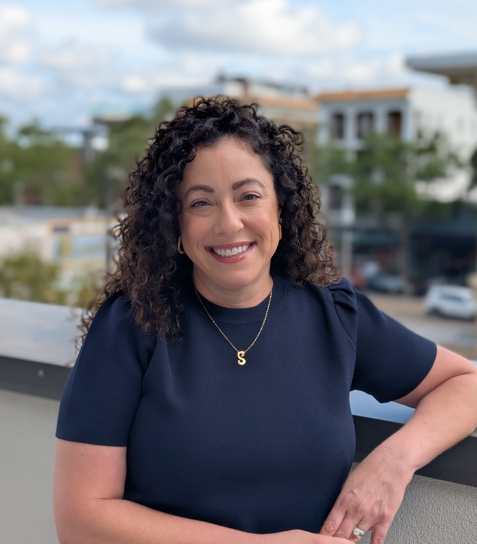
We are proud to welcome Stacy Conroy as the new Chair of the Board of Directors at The Florida Holocaust Museum.
Stacy brings a deep commitment to social impact and community service. Her extensive leadership experience includes serving on the boards of the Foundation for a Healthy St. Petersburg, the St. Petersburg Free Clinic, and Great Explorations Children’s Museum. She also made lasting contributions to Temple Beth-El, where she served on the Board of Trustees for a decade, including as Vice President of Youth and Education. Additionally, she has led the Holiday Gift Drive at her children’s school for many years.
Since joining The FHM Board in July 2021, Stacy has served as Governance Chair and, most recently, as Vice Chair and a member of the Executive Committee. She is deeply passionate about our mission to educate future generations on the importance of human dignity and the lessons of the Holocaust.
Stacy’s leadership, legal expertise, and unwavering dedication to equity and education will help guide The Florida Holocaust Museum as we continue to preserve history, honor memory, and inspire action.
We are pleased to welcome Stacy to this leadership role during such an important time for The Museum!
26 July 1918 | Dutch Jewish woman, Dina Gabay-Smeer, was born in Amsterdam.
She was deported to #Auschwitz and registered as a prisoner. She perished in the camp on 31 October 1944.
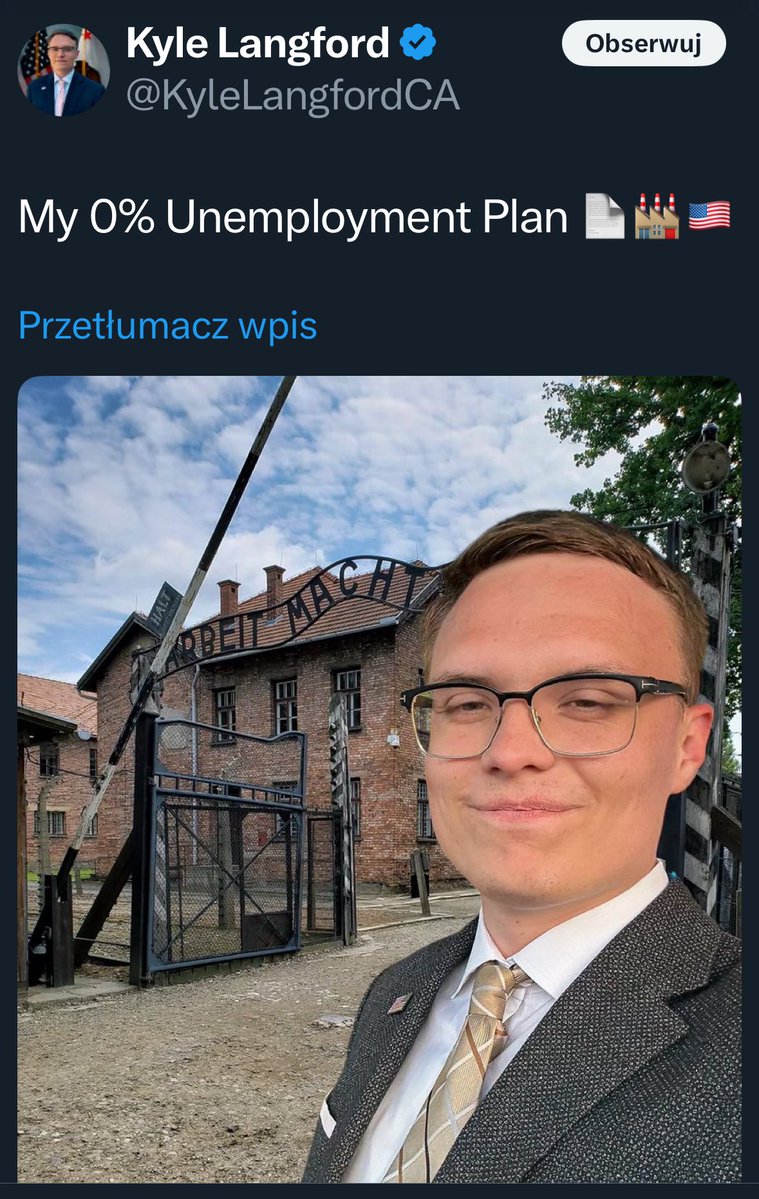
The instrumentalization of the tragedy of all those imprisoned and murdered in the German Nazi concentration and extermination camp Auschwitz for political messaging is a profound moral failure. Auschwitz is not a prop. @KyleLangfordCA, your post is an affront to the dignity of the victims and a disturbing display of insensitivity and disregard to horryfying human history.
28 June 1912 | A Pole, Józef Pazdro, was born in Dębica.
He was deported to #Auschwitz on 14 June 1940 from Tarnów in the first transport of Poles to the camp.
No. 47
In 1944 he was transferred to Buchenwald. He survived.
28 June 1908 | Slovak Jew, Evžen Fränkl, was born. He moved to Czechia and lived in Prague.
He was deported to #Auschwitz from #Theresienstadt ghetto on 26 October 1942. He did not survive.
Re-Member | Re-Connect | Re-Imagine
Did you know The FHM is Re-Opening this September? Starting on September 9th at 2pm, you'll be able to see all the amazing things we've been working on, including:
- A Modern, Mission-Centered Museum Experience
- Re-Imagined Core Exhibition: History, Heritage, and Hope
- Thor, a Danish fishing boat used to rescue Jews during The Holocaust
- A Special Preview of The Wiesel Collection
Visit https://t.co/GtoAwoGioP for more information!
27 June 1925 | A Czech Jew, Martin Wels, was born in Karlovy Vary.
He was deported to #Auschwitz from #Theresienstadt Ghetto on 6 September 1943. He did not survive.
#PhotoFriday
"We survived Hitler; Death is no stranger to us; Nothing will keep us from our Jewish Homeland; The blood is on your head if you fire upon this unarmed ship!"
These were the words on the banner held aloft by Holocaust survivors aboard the Josiah Wedgewood #OTD 27 June 1946
Learn more: https://t.co/PLxvq9HUZe
Heinz Finke left Germany for England, alone on a Kindertransport, #OTD 27 June 1939
Everything he owned was packed into two small suitcases; after mid-1942, he never heard from his family again
Discover his story here: https://t.co/Reu4iDg74x
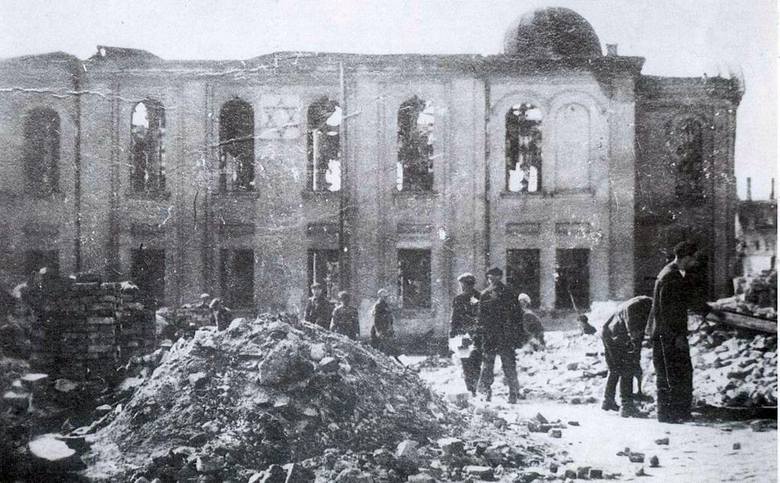
Once a place for prayer and worship, the Great Synagogue in Białystok, Poland, became the site of horrific violence #OTD in 1941. The German Order Police Battalion 309 locked hundreds of Jews inside before setting the building on fire. 📷: Ghetto Fighters' House
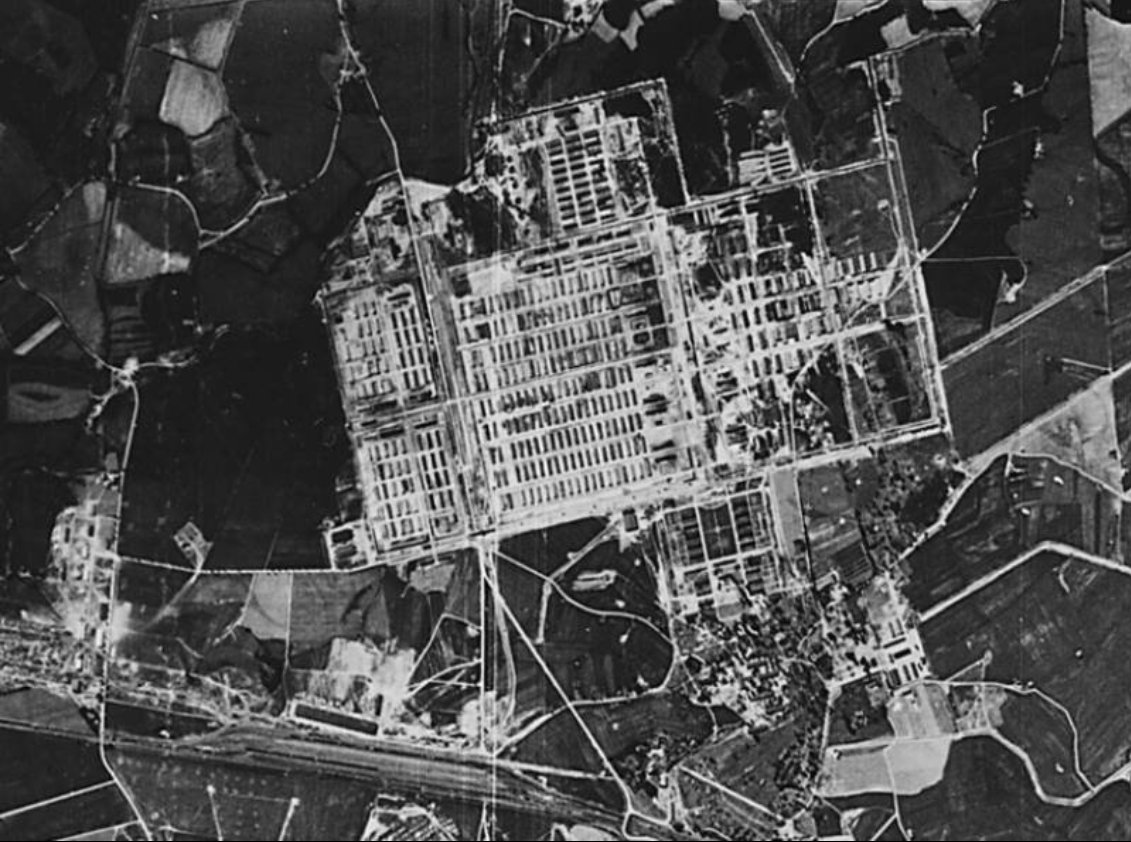
June 26, 1944 | Allied air reconnaissance takes photographs of #Auschwitz from an altitude of 30,000 feet. It shows in detail the area of the camp – the crematoriums with the gas chambers, the connecting railroad track with the platform, and traces of extermination activities.