And here is the remainder of this remarkable performance. I disagree vehemently with its general thrust (as did the letter pages of The Times, and an irate Hugh Lloyd-Jones) but there is plenty to enjoy none the less.
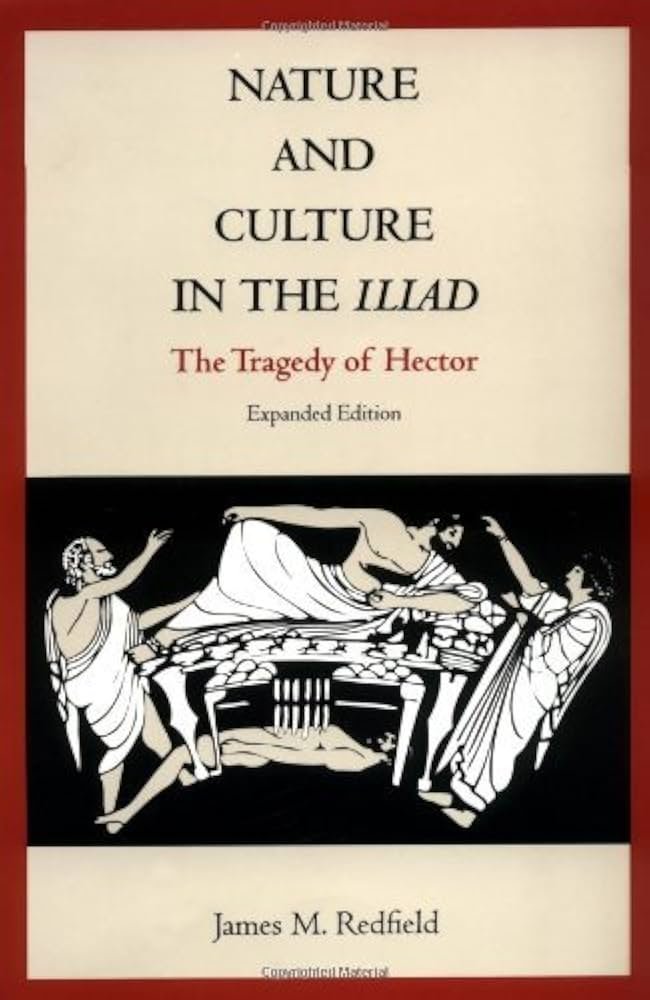
Not a week goes by that I don't think about the first sentence of James Redfield's Nature and Culture in the Iliad.
A great teacher and a true mensch — the Committee on Social Thought has lost one of its finest. He will be dearly missed.
this is apropos of nothing but MW's book on the historical development of Latin is genuinely one of my faves. what a great book. well written, lots of neat examples.
Most curiously of all, this included a village of Vlachs (Megleno-Romanians) who had converted to Islam in the 17th or 18th century. Their whereabouts after the population exchange were unknown until German ethnographer Thede Kahl documented the community in Thrace in the 1990s.
Either by mistake or vandalism, Lavrentiy Beria's name is currently being shown in the African language of Zaghawa on Wikipedia. The people who speak this language are apparently known as Beria.
Here is (a) someone from 1844 reconstructing the Iliad, or rather the 'Wilwiad', in the 'earlier orthography' and (b) someone from 2010 reconstructing it in Mycenaean Greek. But why!?
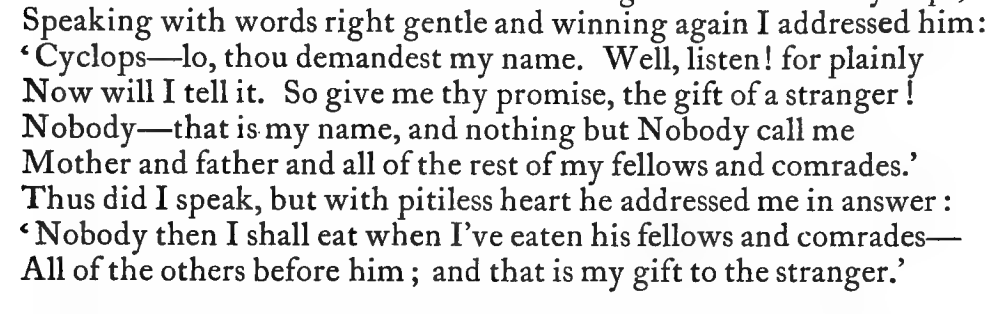
No one has yet mentioned the H. B. Cotterill translation of the Odyssey, meticulously done into English hexameters. Impressive. But it doesn't quite work!
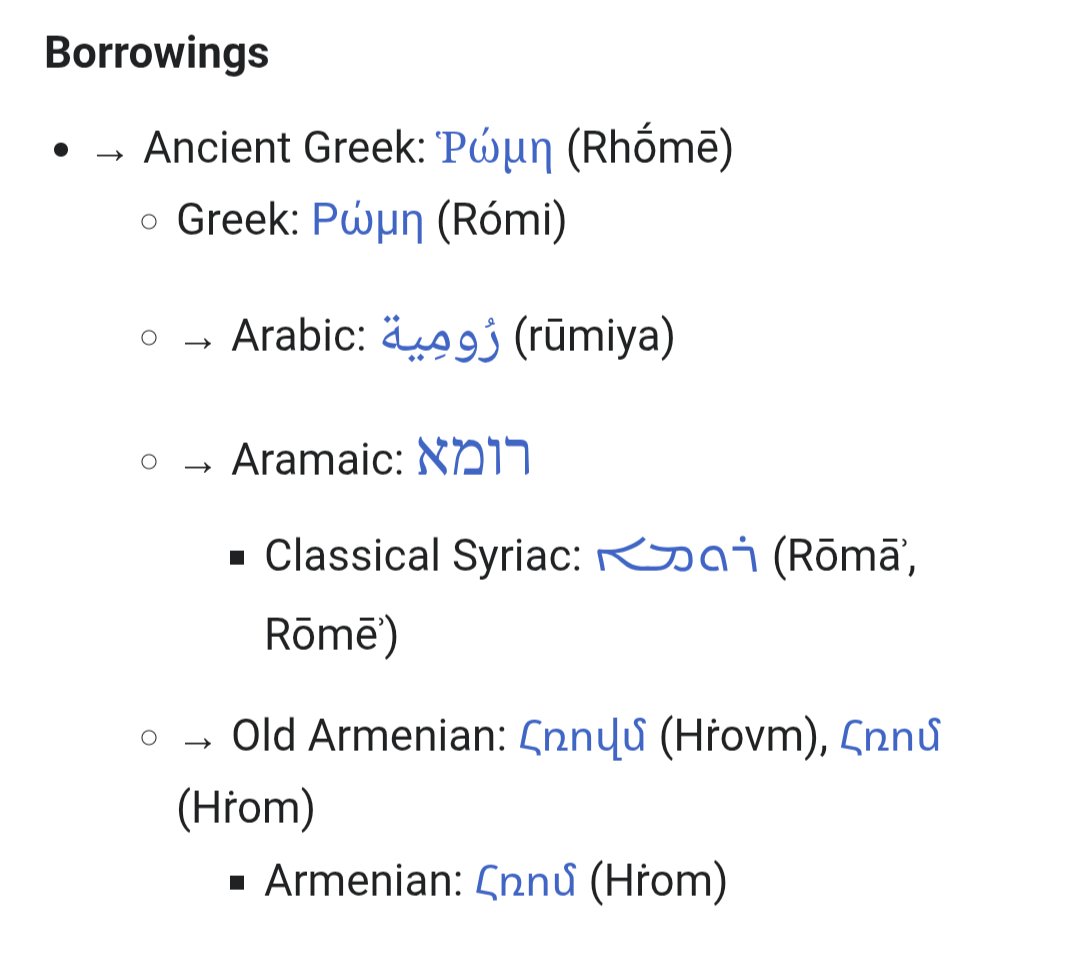
It was probably phonetic. Latin Rōma became Greek Ῥώμη, with voiceless initial /r/. The aspirated /r/ was variously borrowed as /hr/ or /fr/ in Iranian languages—e.g. Frōm in Parthian—and thence into Middle Chinese as something like "phiut lim", yielding modern Mandarin Fúlǐn.
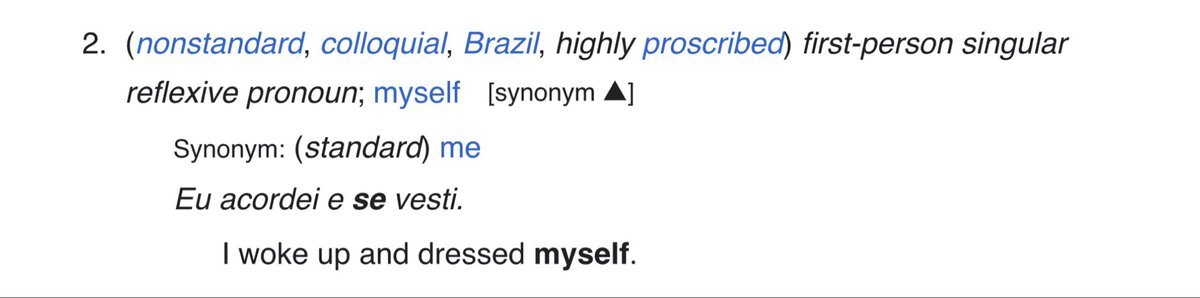
Apparently vocalisation of L in Brazilian Portuguese has gone so far that it can then undergo synaloepha (merge with a following vowel): in this song ‘e tão difícil encontrar’ sounds like ‘é tão difis’ encontrar’ https://t.co/c6V77praC7