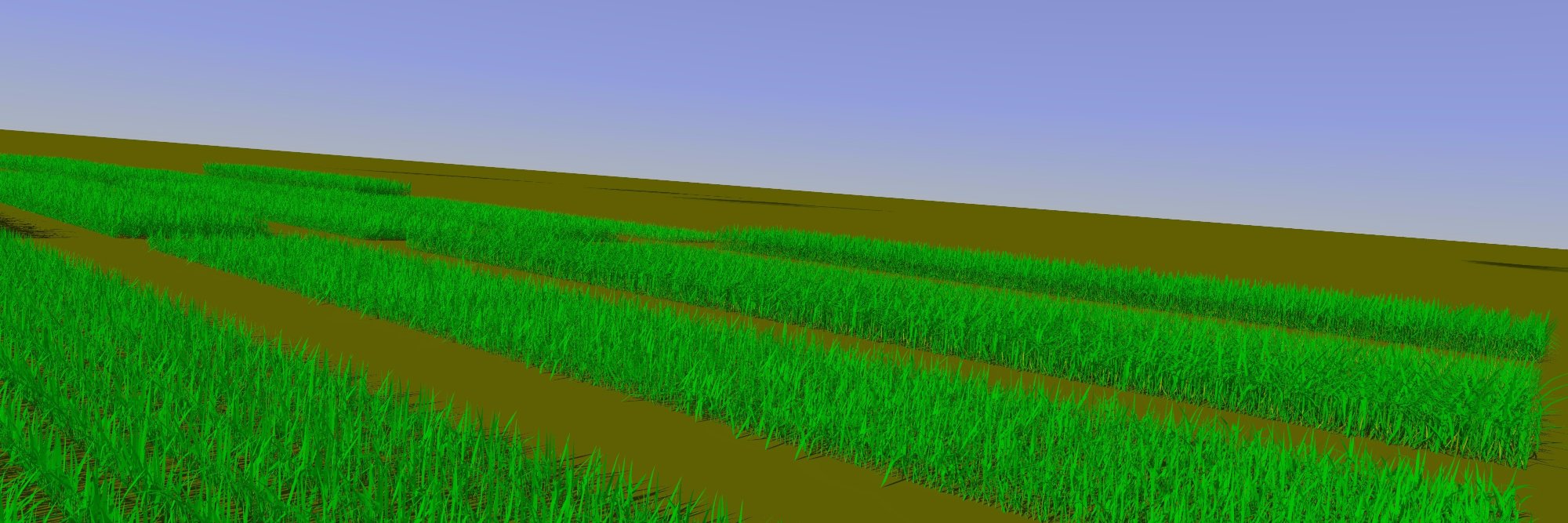
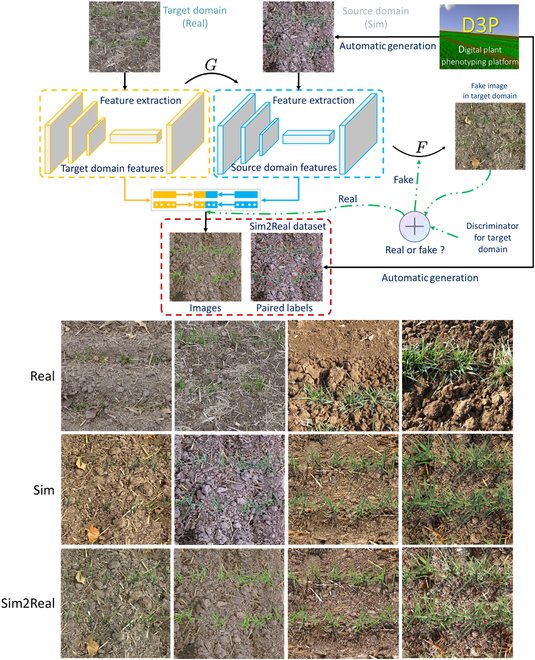
Monitoring green fraction (GF) is crucial for breeders. Our self-supervised strategy enhances segmentation accuracy for rice and wheat. #CropScience#MachineLearning
Details: https://t.co/GZXO2a8DrW
Revolutionizing plant growth analysis: Our self-supervised leaf tip detection method, trained on diverse datasets, offers precise results across environments. Check out our code for enhanced phenotyping! #PlantScience#DeepLearning
Details:https://t.co/HOcVyanQrv
Developed a high-throughput method for leaf counting in plants using deep learning and domain adaptation. Achieved 94% accuracy with Faster-RCNN model. Self-supervised approach. Code:https://t.co/6rtjHl0avj
Details:https://t.co/2qdnFDI9et
#INRAEdanslesmedias
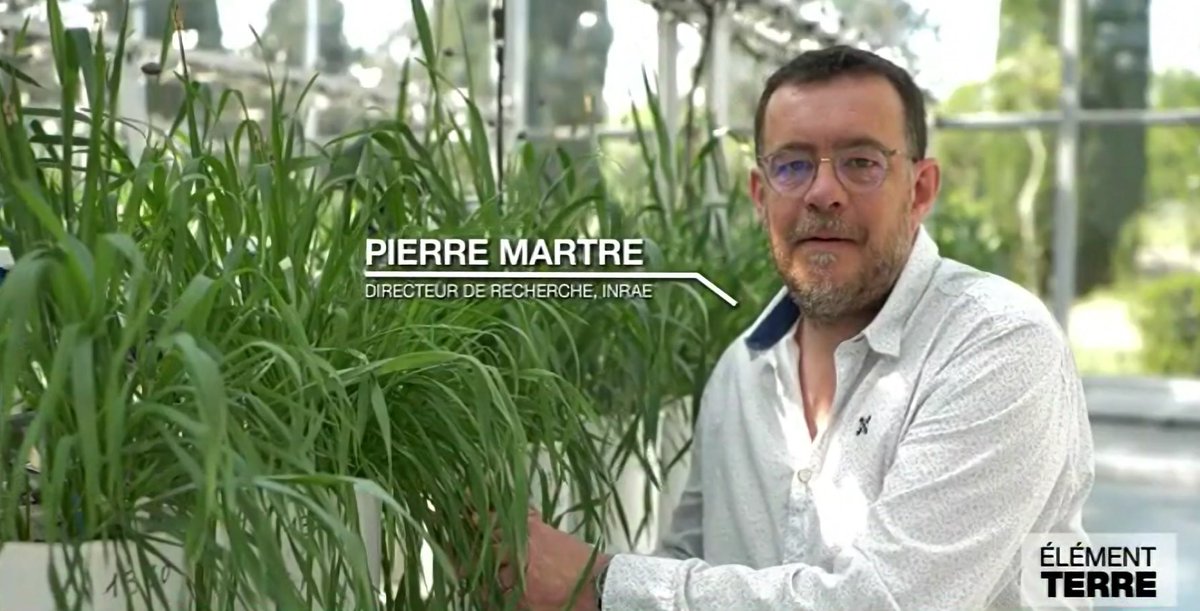
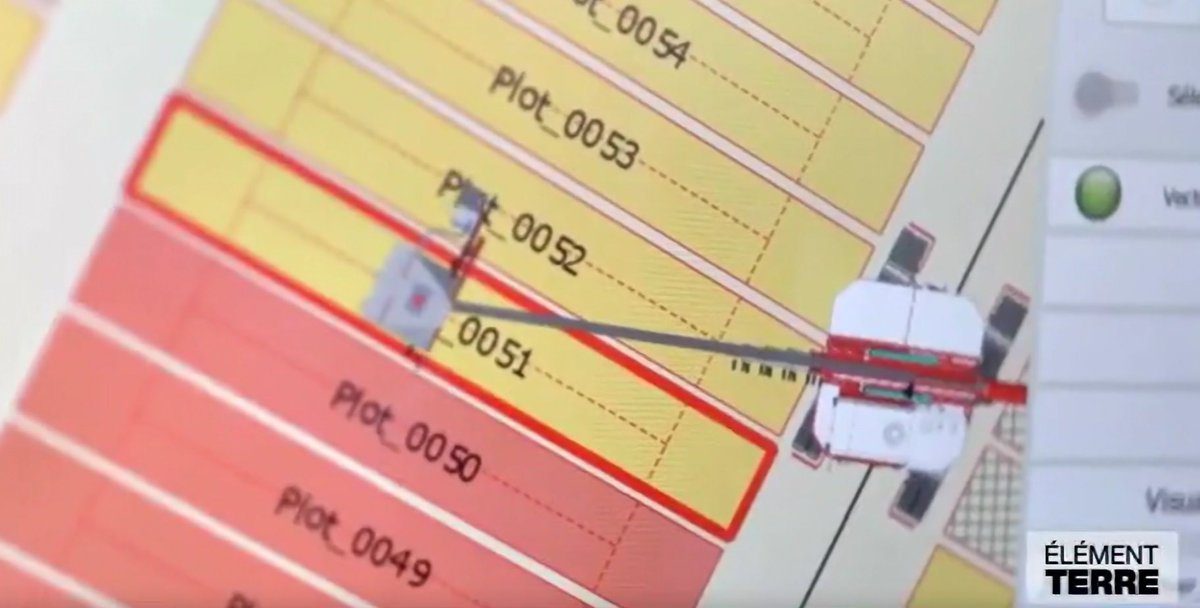
Dans @ElementTerre « Sécheresse : l'eau au compte-gouttes » @MartrePierre chercheur #INRAE mène des études avec robots & capteurs s/ des variétés de blé, maïs et vigne adaptées aux futures conditions climatiques 🌾🌽🍇
Replay (à 9mn) https://t.co/nVNquMAXrS
DEADLINE APPROACHING: Plant Phenomics is accepting submissions for a special issue titled Plant Functional Phenotyping.
Click the link to learn more https://t.co/TnVV5DVeJI
#Plant#Phenomics has received its inaugural Journal Impact Factor, 6.961 from Clarivate, 2022. Thanks to all authors, reviewers and editors of articles that were published in our journal to make this score! Looking forward to more excellent articles published in PP! #JCR2021
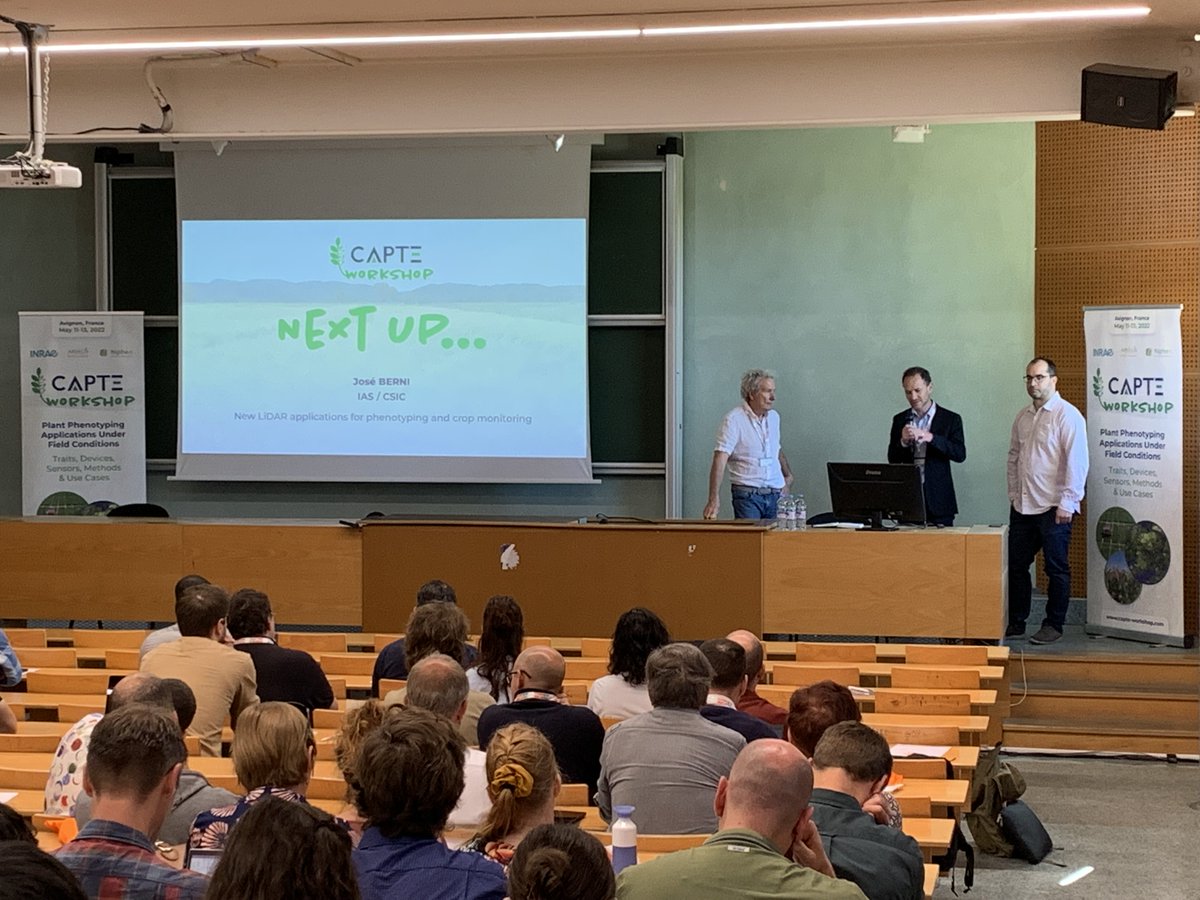
#workshop CAPTE : Fred Baret, Benoit de Solan and Alexis Comar welcome the participant’s . The afternoon session has started with the keynote talk from T. Pridmore: recovering root structural traits via #DeepMachineLearning.
@INRAE_PACA @UnivAvignon @INRAE_France
Photosynthesis (A) is widely considered as a trait yet to be exploited for improving crop yield. But which aspects of A matter most? What else should be co-selected so that the benefit from improved A is maximal? Our review @JXBot addresses these questions https://t.co/1uX0E7hkhx
#Callforpapers Plant Phenomics is now accepting submissions for a special issue titled Plant Functional Phenotyping.
Guest Editors: Drs. Chunjiang Zhao, Yanfeng Ding, @MartrePierre, @ShouyangLiu
thanks @INRAE_France for the nice picture.
Learn more at https://t.co/EmjmDeXrDu
#jobalert ! 2-yr postdoc @UMR_LEPSE starting Jan-April, 2022. Exploring phenotypic space to mine genotypes and alleles for crop improvement: coll. with a multidisciplinary team, #maize as a model, and #phenotyping platforms #datasets. https://t.co/9Qpj2u29Pw PLEASE RT
@PPhenomics is now accepting submissions for its special issue titled Advances in Proximal Sensing and Image Analysis for Time-Series Phenotyping. Click the link to learn more on how to submit your original research for publication consideration. https://t.co/st2gbkv4gI
Some days ago @NewPhyt tweeted a Tansley review (https://t.co/i4I0Go4zS7) on improving vegetation & land-surface models. Here is a Loomis review in Field Crops Res on improving crop models (https://t.co/PGCKefyj7X). Good to see, both reviews stress model simplicity, and more...
Our CfP is now up, for full and one-page extended abstracts on the topic of Computer Vision in Plant Phenotyping and Agriculture.
Dates:
submit: July 16
notification: August 6
camera-ready: August 17
Workshop: TBD w/ ICCV in Oct 2021.
https://t.co/9TsKxf9jao