I also had the pleasure of connecting with Dr. Ajoy Jose on varying cultural and institutional approaches in this domain. I look forward to learning more about her work.
I underscored the importance of law x tech bilinguality for young graduates, and the need to build tech capacity across the judicial system, especially for Human-in-the-Loop (HITL) ownership, content provenance chains and assessment guidelines for dealing with synthetic evidence,
It was also a useful illustration of use-case based regulation of technology, and the inherent inadequacies of received risk taxonomies that do not account for local cultural context and social vulnerabilities.
The conference and its thematic discussions were a timely reminder of the distinct, but complementary roles that governance, policy and regulation play in the tech ecosystem.
In my address, I used the Pre-Conception and Pre-Natal Diagnostic Techniques Act of 1994 to decode how a governance priority translates into policy intent, and from thereon, a host of initiatives including binding regulation.
But regulation is a critical aspect of governance, and a key instrument of policy. Globally, emerging case law is also reshaping how we think of AI in wider societal contexts, from addiction parallels and emission analogies to a foundational re-examination of the act of creation.
As the global AI ecosystem grapples with the contours of governance, policy makers have to reckon with a loaded term. In our engagements with multilateral stakeholders, we often partake in a dance of disclaimers: Governance is not regulation. Policy is not regulation, either.
Delighted to have delivered the Valedictory Address at the international conference on Artificial Intelligence, Law, Policy & Governance: Shaping the Future of Justice and Regulation organized by @SaveethaLaw_SSL in collaboration with the Centre for Criminal Justice Research.
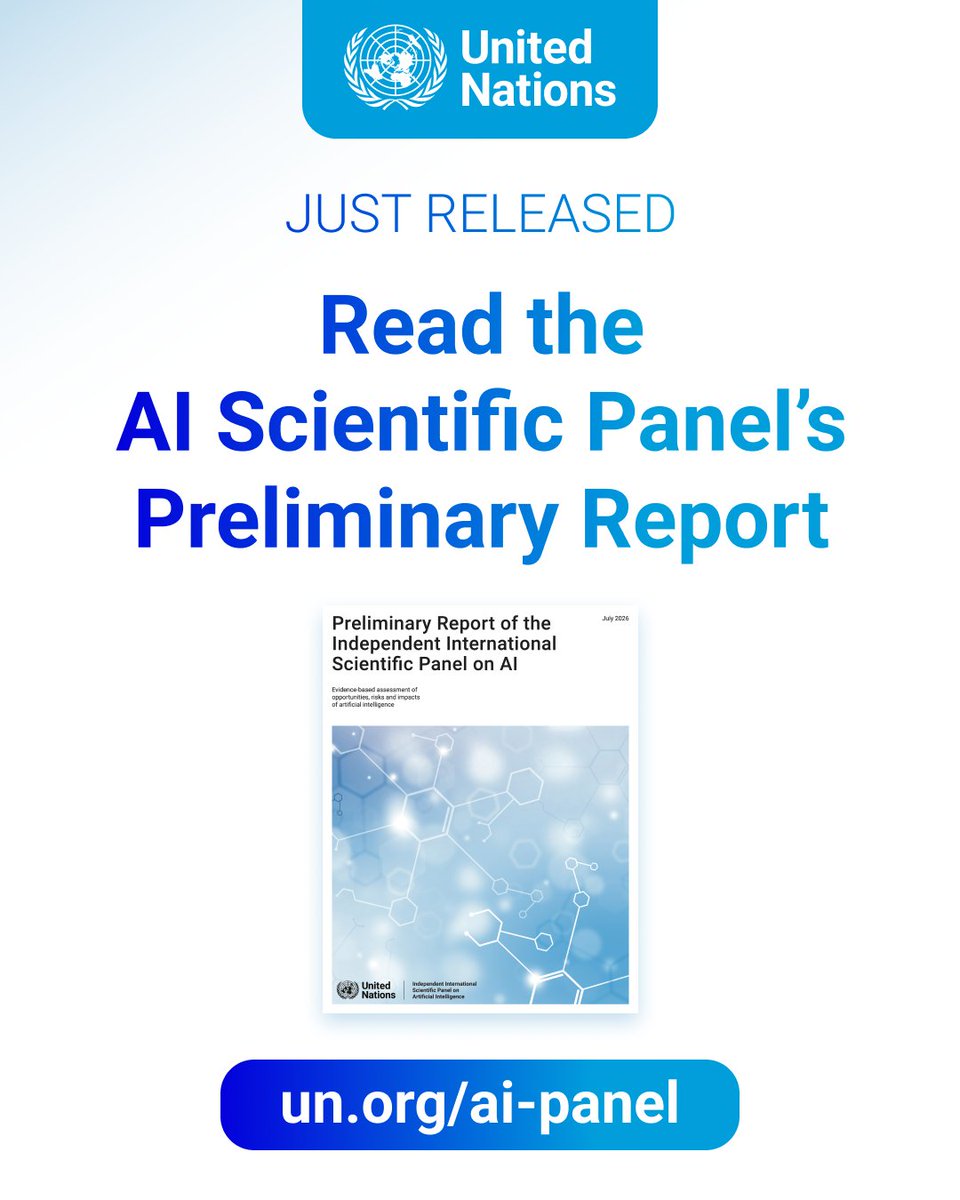
Everyone has an opinion on AI. Now there's a shared set of facts. The UN's independent science panel on AI released its preliminary report today. Benefits aren't automatic. Harms aren't inevitable. Outcomes turn on the choices governments make.
Read more: https://t.co/QZNsapDk1w
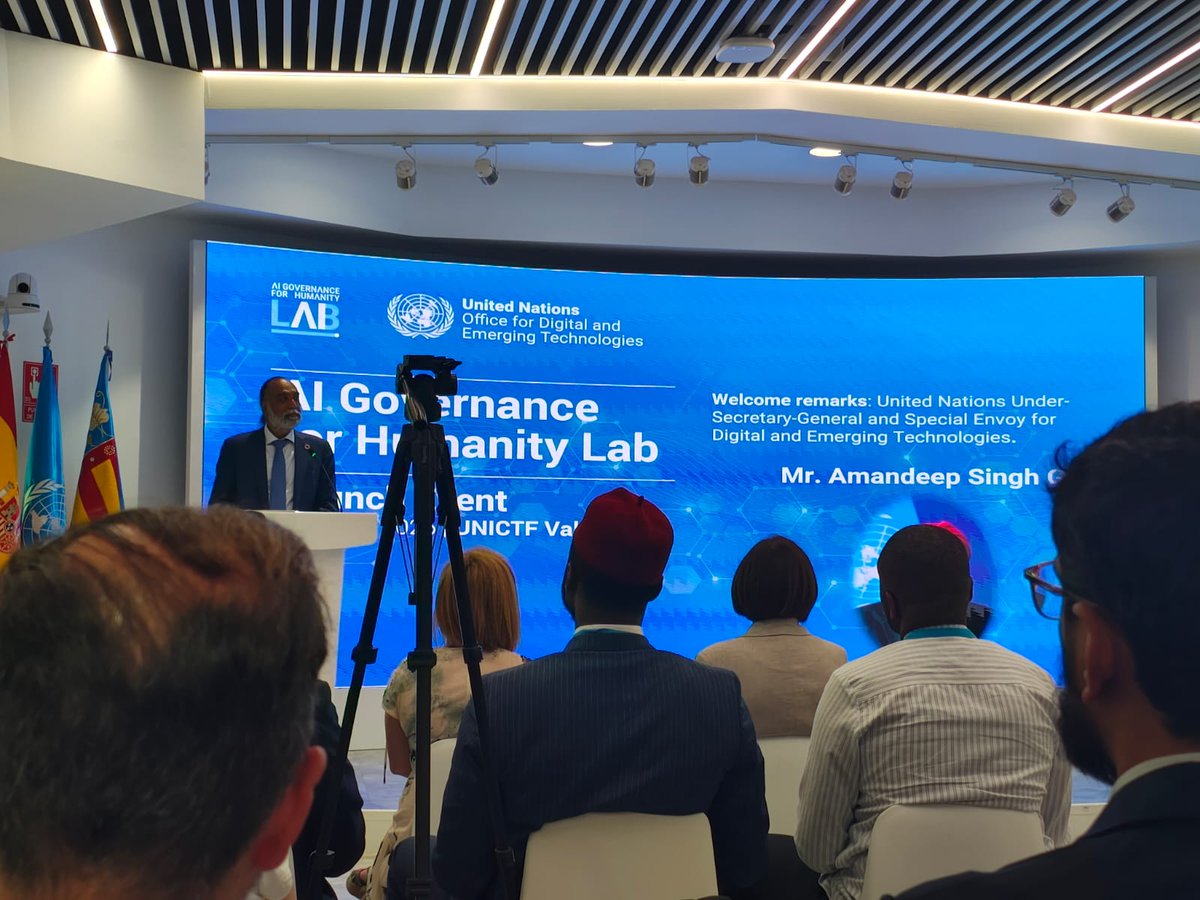
In this context, it has been an enormous privilege to be in the room where these definitions are being built, from where we hope positive, equitable commitments will follow.
Similarly, the narrativization around this dynamic tends to characterize the operational frameworks around an important part of the value chain as a philanthropic concession rather than a legitimate structural question.