I had a great time engaging the staff of Mavin Records @mavinrecords @humansofmavin in a brown bag session about law, music, branding and everything in between.
As a PMP yourself, you've likely seen this firsthand: tools speed things up, but success still hinges on leadership, communication, and judgment. The winners will be those who treat AI as a powerful team member, not a threat.
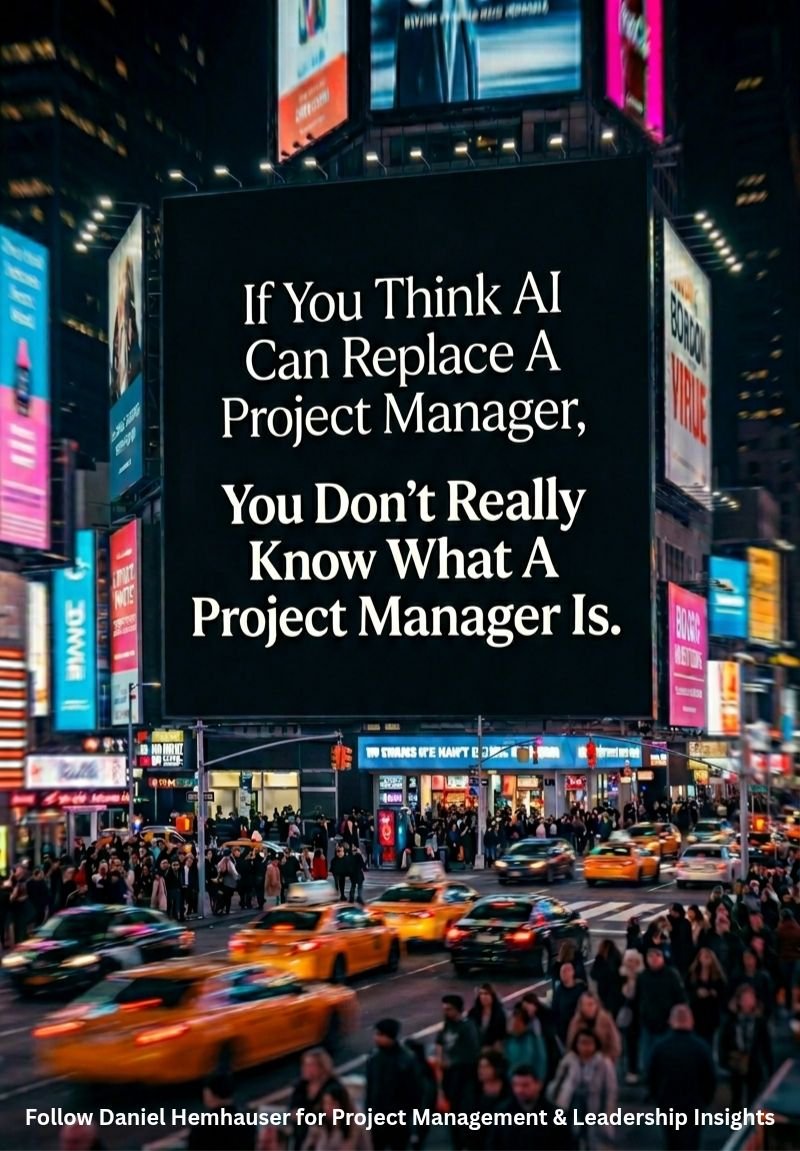
If "project manager" means "glorified coordinator," then yes—parts of that are already being replaced. But if it means someone who delivers results through people, in messy real-world conditions, then no, AI cannot replace them.
What EVERY Project Manager tells me they want in their next role...
It’s usually never “more money.”
When I speak with PMs across United States of America, the same lines keep coming up.
They want:
• A leadership team that listens when something’s not working.
• A clear pipeline, not “we’ll figure it out after this job wraps.”
• Office support that lets them focus on building, not chasing RFIs.
• Teams that plan ahead instead of firefighting every day.
• A company that actually invests in them (training, mentorship, growth).
It’s not always about chasing titles or a fat salary.
It’s about staying somewhere that lets them do their best work without burning out.
Every PM I talk to says the same thing in different words ' I don’t need a perfect company; I just need one that runs with purpose'
“Ever had a new teammate tell you they didn’t need a babysitter?”
That happened to me recently—and it taught me a lot about servant leadership, humility, and team dynamics.
Someone had just joined my team, and I thought it was perfectly okay to guide him through the workflow. But he pushed back—said I made him feel stupid and didn’t need hand-holding. I felt bad at first… then Tuckman’s team development model kicked in.
We went from Forming to Storming in record time. I apologized, stayed calm, and let the process unfold.
A week later, the mistakes surfaced. The apologies and excuses followed. Was it my turn to gloat? No—it was time to lead by example. I stepped in as a servant leader, not a supervisor.
Two weeks later, he’d ask for permission before taking action. And before he moved to another team, we had built a strong working relationship. Performing. Adjourning.
Have you ever managed a new team member who felt you were doing too much?
How did you balance guidance with autonomy?