My new blog on how being busy has become the rule rather than the exception. You might also discover some unnerving facts about bees! #workplaceculture#employeewellbeing#lunchandlearn https://t.co/dDDDw7Mwq6
Here is Dylan Thomas' 'Fern Hill' - perfect for switching off and taking a few moments away from everything else.
'And once below a time I lordly had the trees and leaves / Trail with daisies and barley / Down the rivers of the windfall light.' https://t.co/b2Z5016XUd
Such a lovely idea - so much good coming from the difficult situation we're all in at the moment #singing#coronavirusuk#SelfIsolation https://t.co/hTsFjHV6hq
Self-isolating, or find yourself with more time on your hands than usual? Use the opportunity to take up something new - sketching, learning poetry off by heart, or start learning a language. Keep your mind busy & the hours will disappear #selfisolating#wellbeing#creativity
Confined residents of Siena, Italy singing together through windows.
A profound and beautiful example of how the arts can foster hope, solidarity, connection, resolve and resilience in the face of the #CoronavirusPandemic#covid19UK
'The longer you can look back, the farther you can look forward' - Winston Churchill.
Our lunchtime workshops seek to reveal how the past has affected our present. You'll return to work feeling as if you've had a thoroughly refreshing break from the office! #lunchandlearn
A great @BBCRadio4 programme for anyone with a vague interest in the natural world - full of interesting & bizarre facts about various creatures. If you enjoy this you'll definitely enjoy our Natural World workshops! #naturalworld#learning#nature https://t.co/q74OMX2bof
'Most adults had rarely or never listened to birdsong or smelled wild flowers in the past year'. The benefits to our mental health from spending time in nature are so significant - more needs to be done to raise awareness #nature#mentalhealth#wellbeing https://t.co/OwC2OcNccI
Learning something new broadens the mind and expands our horizons. Today's fact: these cows are called 'Belted Galloways', an ancient breed known for their distinctive 'belt' or white stripe #keeplearning#nature#TuesdayThoughts
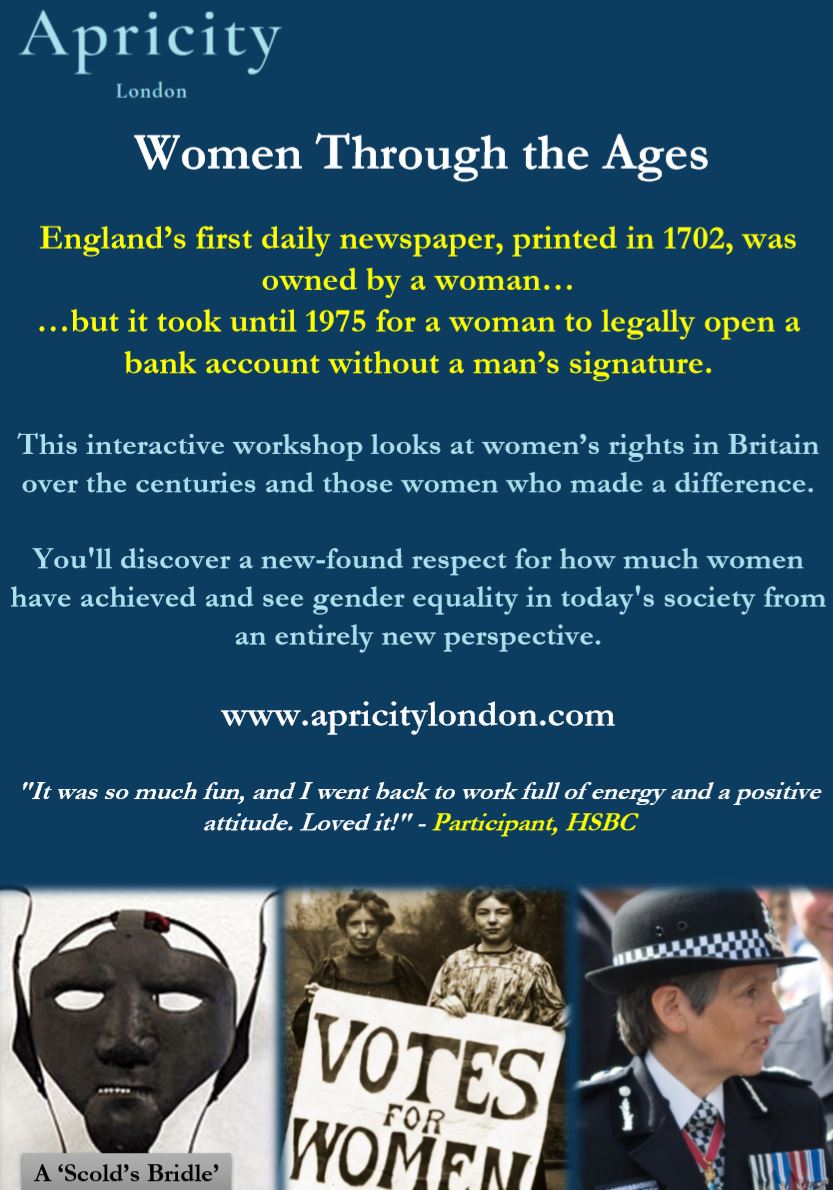
We're launching this workshop for International Women's Day 2020. Get in touch if you'd like to learn more about the journey towards equality which women have made over the years. We come to your workplace! #InternationalWomensDay#lunchandlearn#workshops#DiversityandInclusion
Delighted to have just done our 'Best & Worst of the British Monarchy' workshop at @BristowsLawFirm! Get in touch if you'd like to offer your employees something a little bit different during their lunch break #workplacewellbeing#HR#EmployeeEngagement
An uplifting article! 'The natural world is the perfect antidote to the pressures of modern life...of all the natural sounds, bird songs & calls were those most often cited as helping people recover from stress' #birdsong#outdoors#wellbeing https://t.co/dQ9MhbcuPF
Biodiversity: the name we give to the variety of all life on Earth. It's what makes our planet the perfect place for humans to live 🌸🐋🦎🍄🐝
This year, we're #BackingBiodiversity, and you can too.
Find out more. https://t.co/XlIHNNdHe7
The more we learn, the more we see. We learnt today that when the first London escalator opened in Harrods in 1898, customers were offered brandy & smelling salts once they'd reached the top, to help them overcome any nerves from the ride #London https://t.co/R8ytaUc2j7
The word ‘history’ comes from the Greek ‘historia’, ‘a finding out’, and ‘histor’, a ‘wise man’. But its beginnings are even more ancient: from a root that also gave us the Latin ‘videre’, to see’. Because once we see history, we should never forget. #HolocaustRemembranceDay
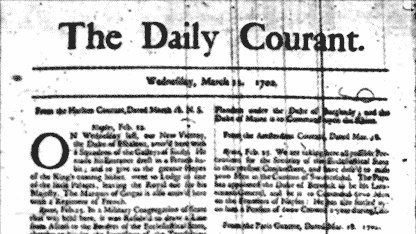
This is The Daily Courant, Britain's first daily newspaper, first printed in 1702 by Elizabeth Mallett, at her home in Fleet Street. It took until 1982 for Fleet St. bar El Vino to submit to a law forcing them to serve women at the bar. Only nearly 300 years...! #women#history
In the background of this portrait of Elizabeth I by Marcus Gheeraerts the Elder, c.1580-85, is a walled garden. This private or Privy Garden was an extension of the monarch’s Privy Apartments. Access was restricted to a small group of household officials and favoured courtiers.