2026 goals:
- Expert at CF
- Guardian at LC
- 5 Stars at CC
- 3 good projects
- 1 internship (must)
- Resume Shortlist by biggies
- ICPC regionalist
- maintain my 9 cg
- win 1-2 big hackathons
- build good physique
- 0 attachments
I dunno how much I could achieve.. but let's try
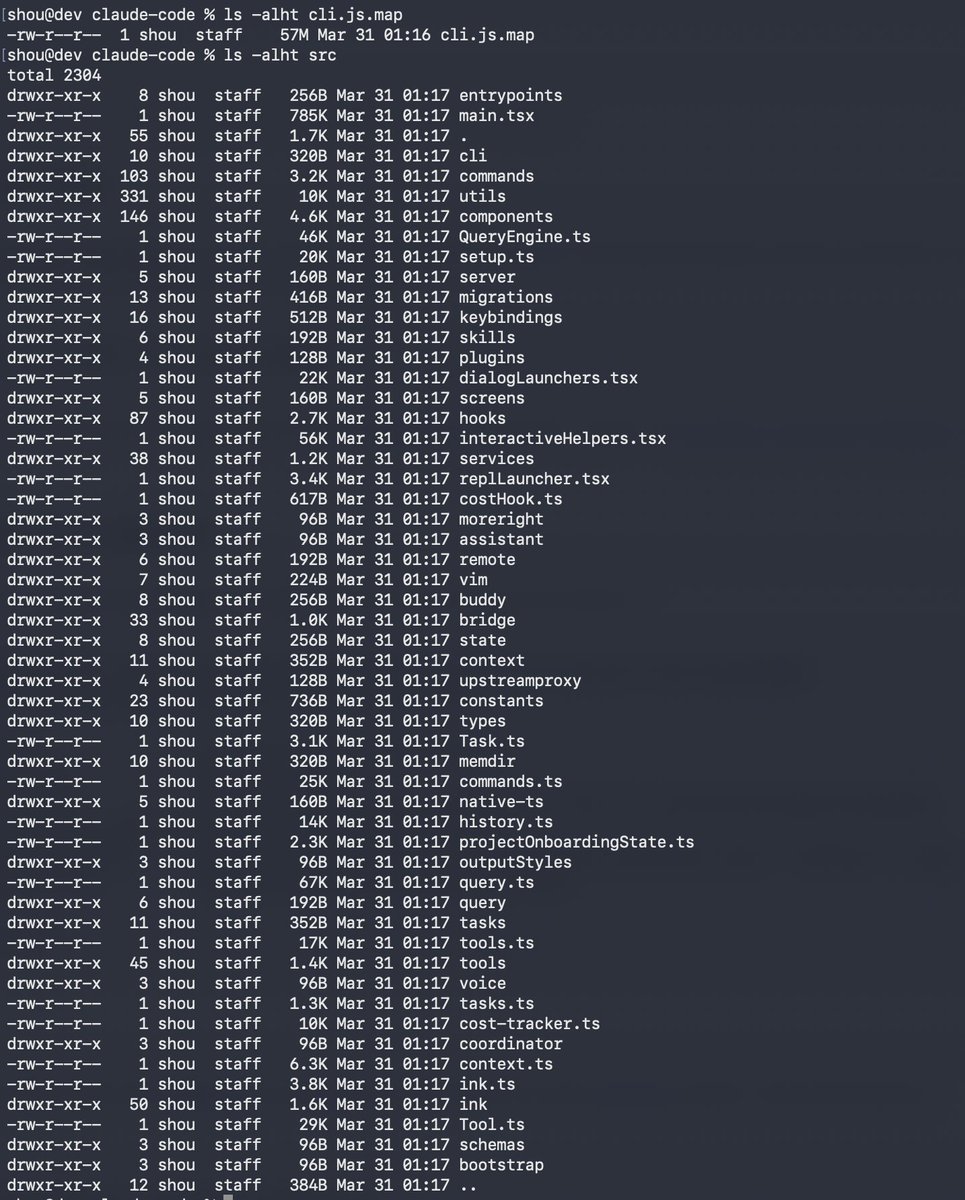
🚨 Claude Code source leak is wild.
This isn’t just code it’s:
> agent orchestration at scale
> tool-use pipelines
> autonomous debugging loops
> production-grade eval systems
$2.5B+ run rate.
Now people can see how it actually works.
@kirat_tw video summary
1. DSA vs Dev: Pick based on goal (MNC/Startup).
2. Project > Tutorials: Watching >> Building.
3. Stop stack-hopping.
4. Ship Products: Don't just clone; build something people use.
5. Network: Be the dumbest one in the room so u learn from the smartest.
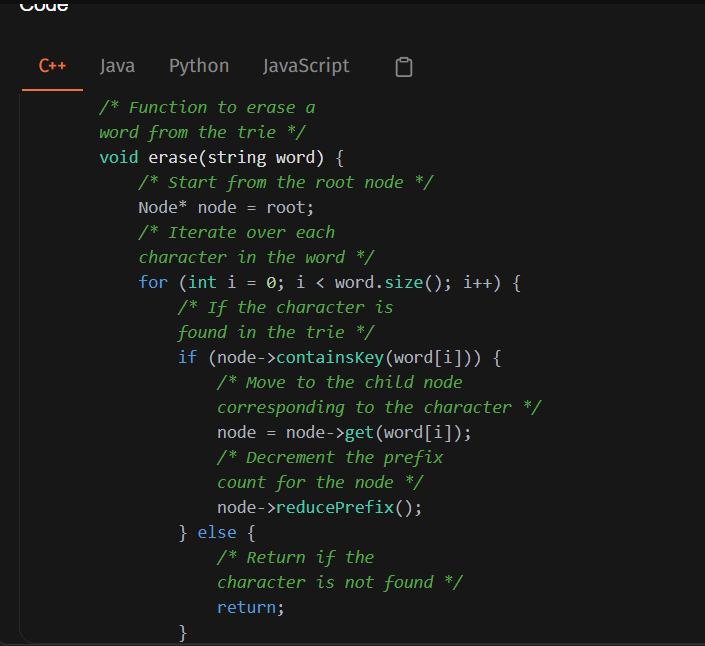
If the trie contains only "apples" and we call erase("apple"), the code still decrements prefix counts and cntEndWith, even though "apple" was never inserted.
Maybe checking countWordsEqualTo(word) before erase could fix it.
The Correct code is ->
Funny (and motivating) thing I noticed:
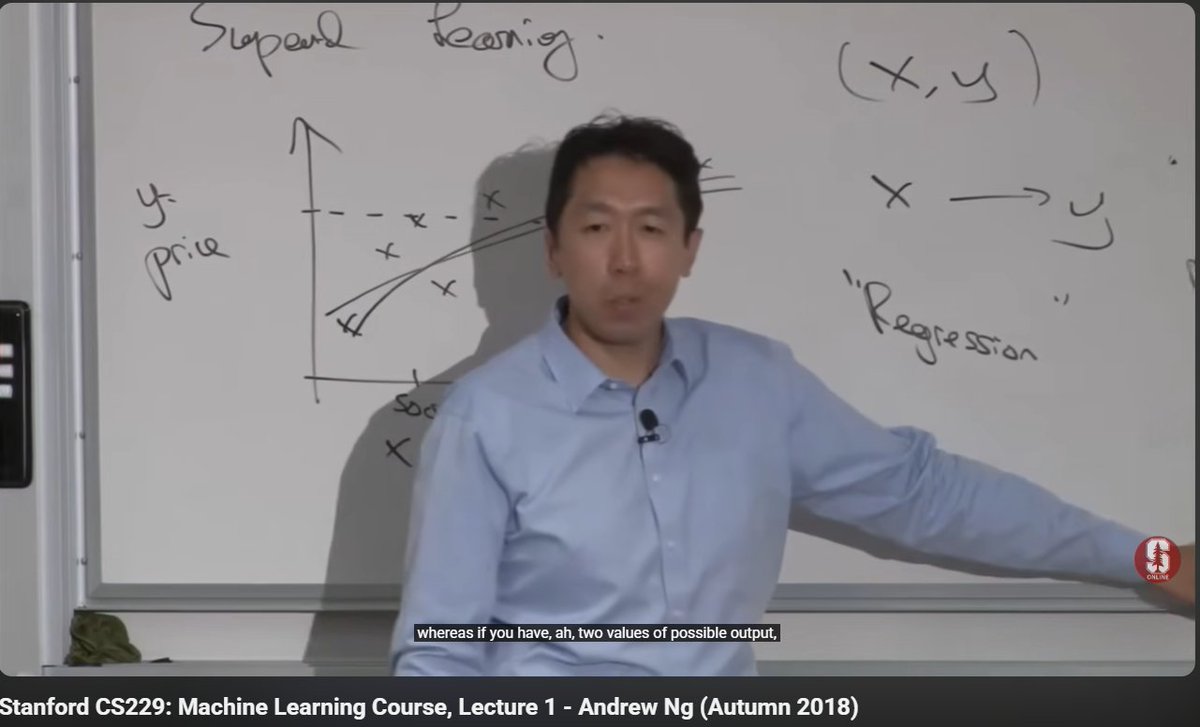
Lecture 1 has ~4.2M views, but Lecture 2 drops to ~1.8M. Starting is easy, consistency isn’t. Posting this as a reminder to myself - don’t quit after day one.
Done 1/20. Hoping to stay consistent.
Most people get confused when they start machine learning.
Stanford’s CS229 with Andrew Ng begins differently-it clearly explains what machine learning actually is, why it matters, and what you’ll be able to build by the end of the course.
Lecture 1 breaks down ML as learning patterns from data instead of hard-coding rules. It walks through real examples like spam filtering and speech recognition, introduces supervised vs. unsupervised learning & emphasizes that consistency and intuition matter more than raw math.