#SDESheetChallenge@takeUforward_@striver_79
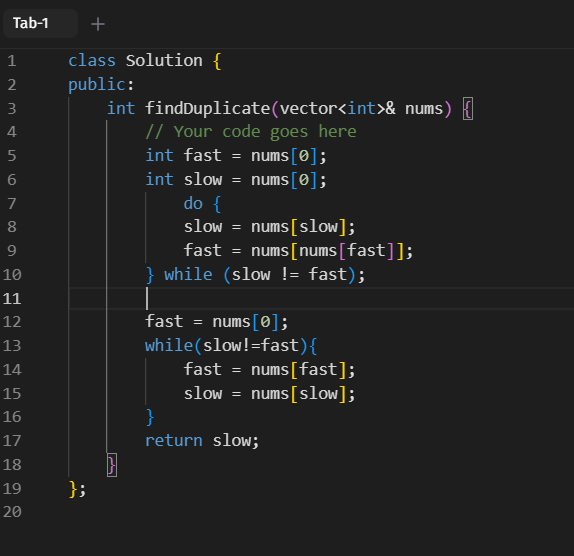
1.find the duplicate number(u cannot come up with the optimal approach if u see this ques for the first time)
one naive approach to solve this in O(nlogn) would be to sort and check every adjacent index for repeating values but the interviewer will not be happy
so the optimal approach (had to see the editorial ngl)
use the gods of linkedlist problem solving.. fast and slow pointers.... since every number lie in the range 1 to n two number would point on the same index.. and then visualise it as finding the start of loop in a linkedlist
2. finding a and b the repeating number and the missing one
first intuition is to hash this occurances can be noted down and boom interviewer will not be happy
optimal - make equations the actual sum - expected sum = X(repeating) - Y(missing) same when squared…now the x+y + x - y /2 gives a ; simultaneously a - val1 gives b ;
3. coutning inversions (most mindfuck question of this challenge until now)(star marked to revise again)
in case of a brute approach we just use a n^2 nested loop and count the inversions
optimal approach uses a merge sort method …basically a type of divide and conquer having two pointers and iteratively keep comparong them on the required conditions and merging halves
@pvitraw no 3 equal was easier tbh and div 4 has lot of cheaters ... 1102 submission in cyclic xor is insane... i guess it had 500 submissions in div 3
#SDESheetChallenge@striver_79@takeUforward_
day 3
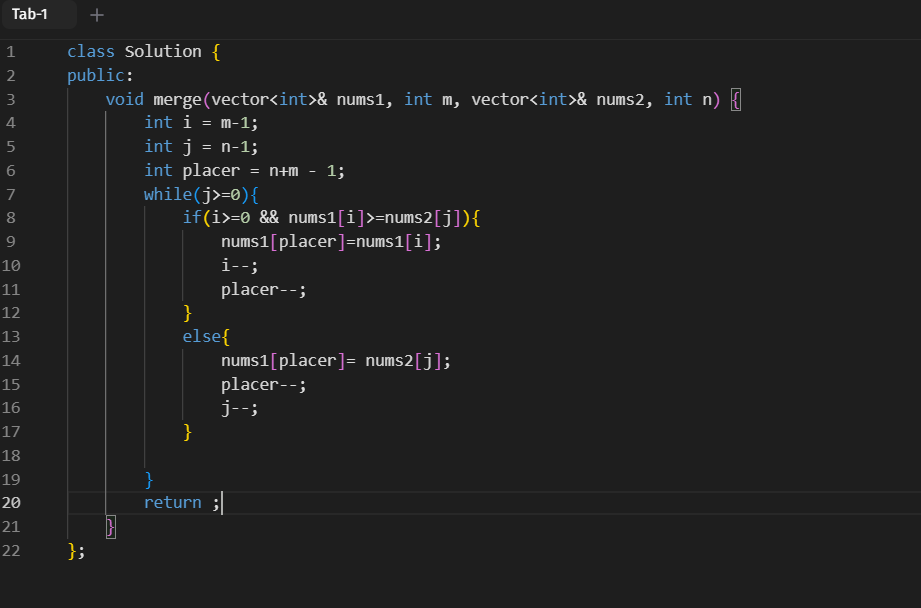
1. merging sorted lists
a very brute approach would have been to use two pointer make a third array start iterating copying smaller or larger elements then copying it to the nums1 while we can also do the other way of specifying larger elements to end of nums1 using two pointers..
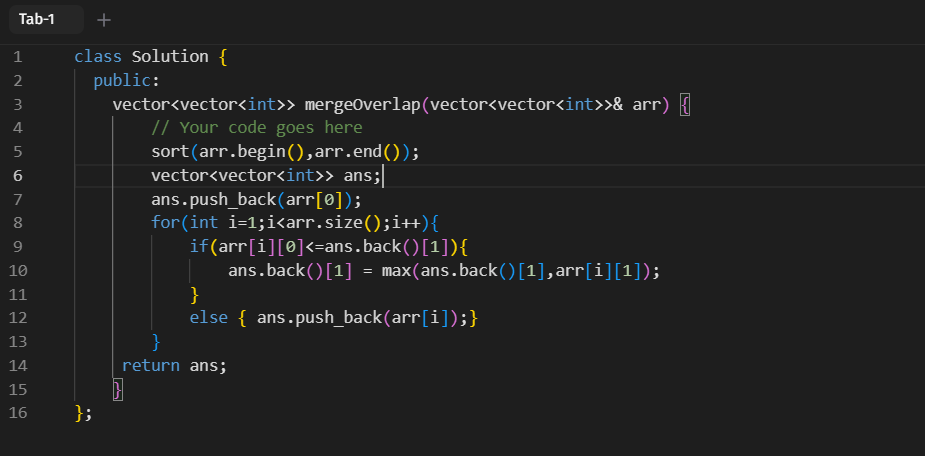
2.merge intervals
sort them and check if the extremes overlap if they do take the max
3.rotate array by 90
transpose and reverse every row
#SDESheetChallenge@striver_79@takeUforward_
DAY-2
brute force - O(n^2) check all subarrays and get rejected
optimal - whenever the sum gets less than 0 make sum 0 and also before that check max condition
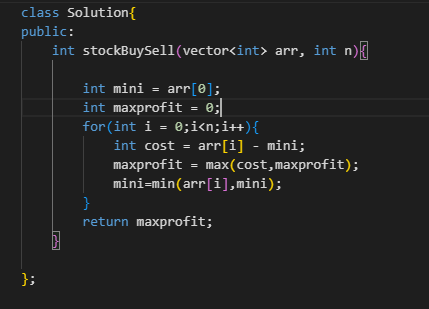
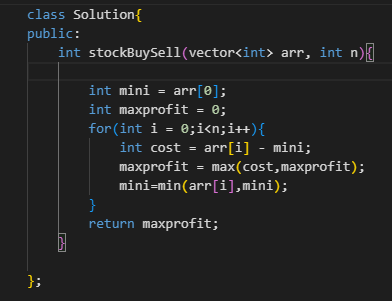
Buy and sell stock
brute - O(n^2) bekaar
try to sell on minimum and sell when profit is max
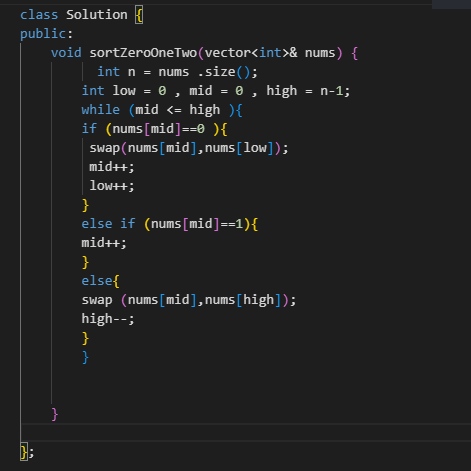
Sort 0s 1s and 2s
use any sorting algo would fetch us at best O(nlog n)
so we use a three pointer method which we call dutch national flag algo
#SDESheetChallenge@striver_79@takeUforward_
SET MATRIX ZERO
when u first look at the problem you know every zero in the original array makes every column every row zero … here comes the brute force approach store the row and the column corresponding to evry zero in seperate arrays… and zero the rows and columns complexity - O(mxn +z) z is small so O(m X n ) and space complexity is (m + n) two arrays for rows and columns .
now to optimise this we can approach it using the first row and first column …it does a similar work which the two arrays did in the brute approach ..now instead of making two different arrays we can just use the first row and first column to mark rows and columns that need to be zeros
also … check if the first rows or columns contains zeros …
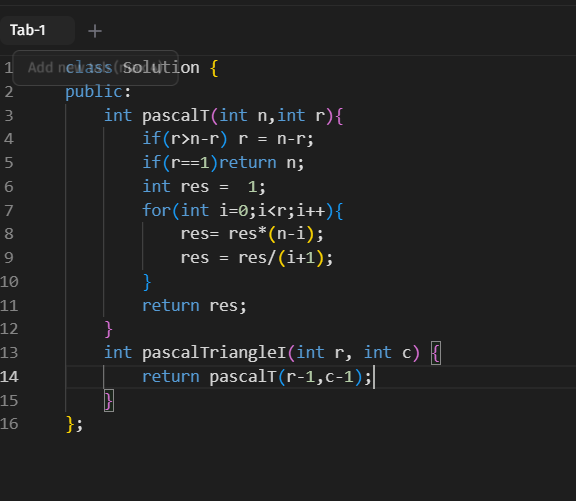
Pascal Triangle…
simple you know you know kind of question where we just find ncr(r-1,c-1)
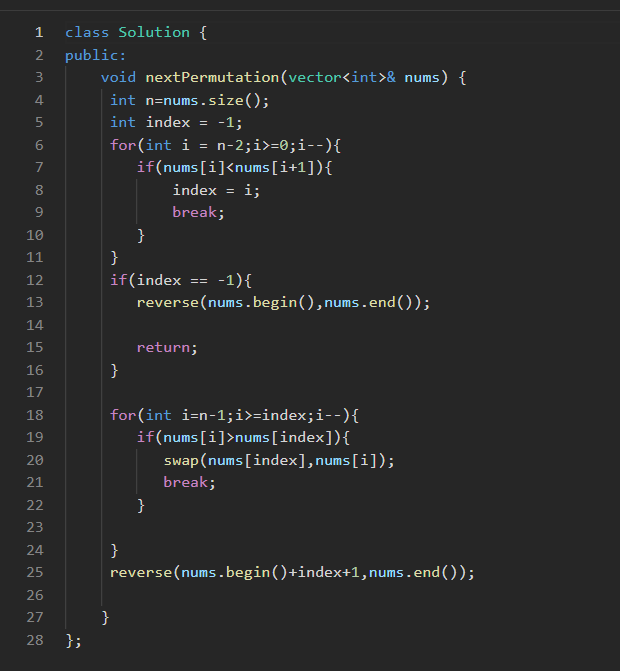
Next permutation
if brute ….generate all permutations and the interviewer will not be happy
optimal idea is to find the smaller number followed by a larger number when iterated ulta
now find the first number greater than number at the index when we come ulta swap and reverse the subarray