Which technology behind https://t.co/F1K8CnRnVx ? (1)
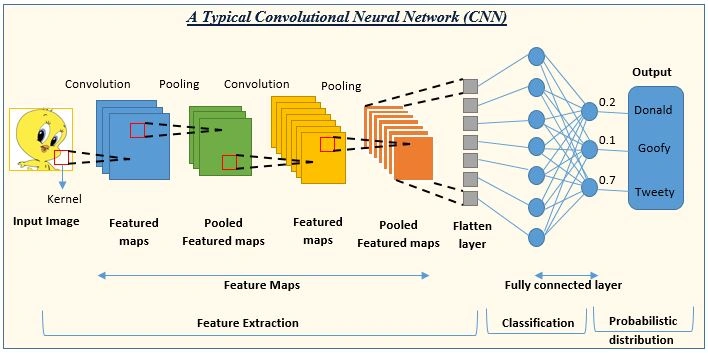
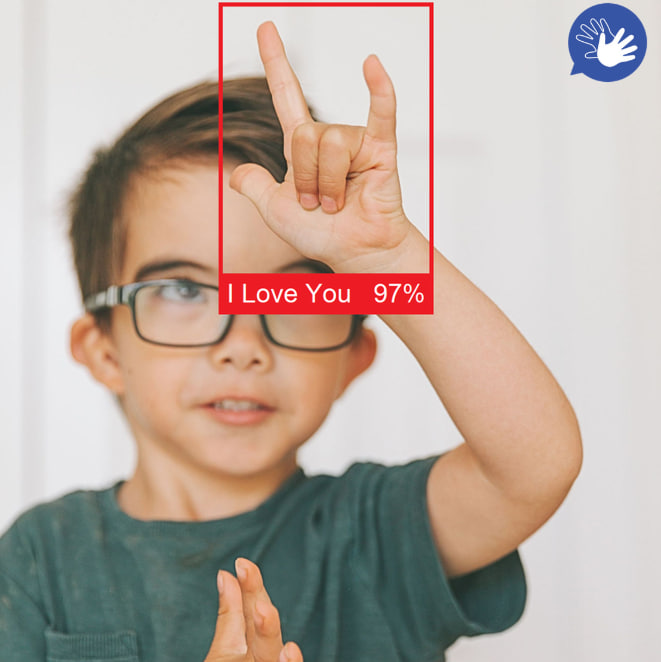
🧠We use Convolutional Neural Networks (CNNs) to solve the problem of Image Classification, a common technique in image processing. CNNs work by automatically learning features from input images through convolutional layers. These features include basic elements like edges , corners , lines , and more complex patterns as the network goes deeper .
📍In sign language technology, CNNs are often combined with other advanced techniques like:
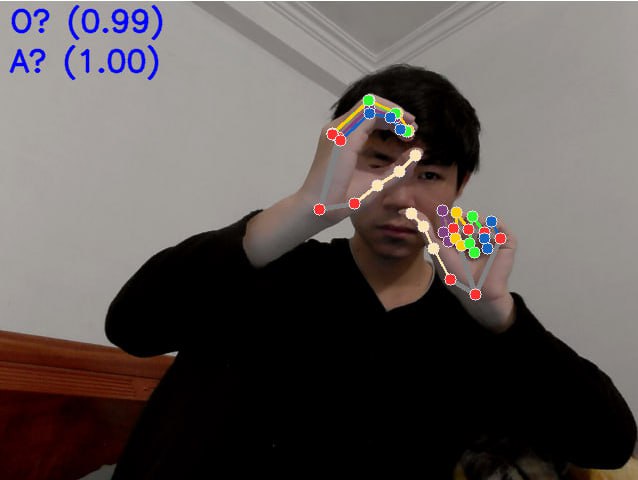
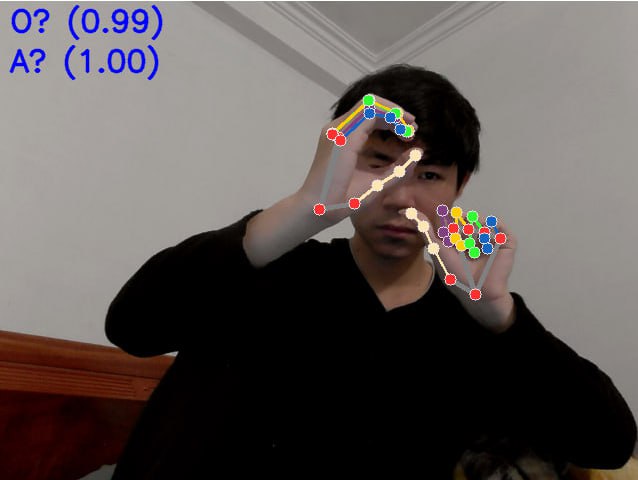
1. Pose Estimation: This identifies the position and movement of key body parts, such as hands and fingers, which are crucial for understanding gestures
2, Recurrent Neural Networks (RNNs) or Transformers: These are used to analyze sequences of gestures, as sign language is highly contextual and temporal.
3. Preprocessing and Augmentation: Image preprocessing techniques help normalize input data, and data augmentation generates variations of the training data to improve the model's robustness.
✔️This combination allows the technology to translate sign language into text or speech effectively, bridging communication gaps.
📎 Read more at our White Paper
https://t.co/c221wFRHSW
Which technology behind https://t.co/F1K8CnRnVx ? (1)
🧠We use Convolutional Neural Networks (CNNs) to solve the problem of Image Classification, a common technique in image processing. CNNs work by automatically learning features from input images through convolutional layers. These features include basic elements like edges , corners , lines , and more complex patterns as the network goes deeper .
📍In sign language technology, CNNs are often combined with other advanced techniques like:
1. Pose Estimation: This identifies the position and movement of key body parts, such as hands and fingers, which are crucial for understanding gestures
2, Recurrent Neural Networks (RNNs) or Transformers: These are used to analyze sequences of gestures, as sign language is highly contextual and temporal.
3. Preprocessing and Augmentation: Image preprocessing techniques help normalize input data, and data augmentation generates variations of the training data to improve the model's robustness.
✔️This combination allows the technology to translate sign language into text or speech effectively, bridging communication gaps.
📎 Read more at our White Paper
https://t.co/c221wFRHSW
@QuintenFrancois Of course we are cheering for you too, we are working on the being kind aspect.
Come drop in and check it out on live, as well push forward trying to make better lives for people who need to use sign language.
https://t.co/OdUmNVzNku
@Fityeth We are definitely not a meme, but idk. Maybe you should come join the live we are having right now and let us know what YOU think.
https://t.co/OdUmNVzNku
Surprise number one,
To the average person these numbers may not mean much, but it is a sign that the CNN's have been trained successfully to a spread between 98 - 99% accuracy. The below picture is coming in at 98%, huge leaps and bounds are happening here.
The question is, do you wanna help change the world?
More surprises are on the way, stay tuned.
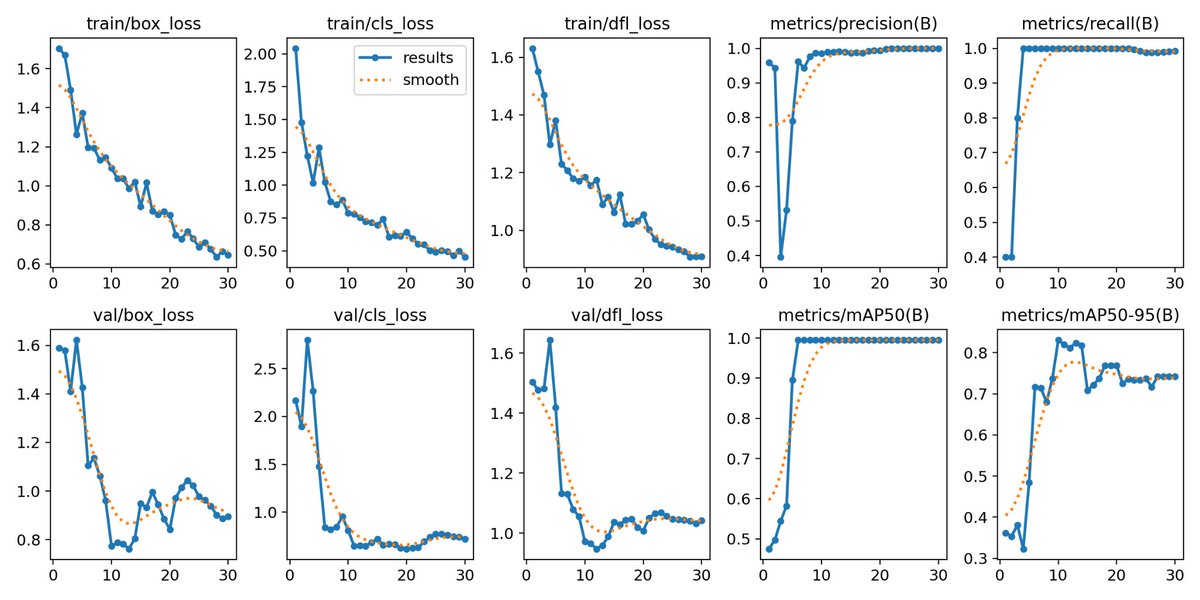
19th training results of SLHUB model
train/box_loss: Decreases steadily over epochs, indicating better bounding box predictions.
📔Read more: https://t.co/WCsuAoflFw
@gordongekko That is the way of web3, we may have had a massive shake out.
But the $SLHUB fam is still pushing forward, as well build this tech for those mute and deaf.