New article (link in comments).
"Amritpal’s petitions have argued that his forced absence from Parliament disenfranchises Khadoor Sahib ... Unfortunately for Khadoor Sahib: in India, the disenfranchisement of entire constituencies is not a constitutional problem."
In remembrance of the gallant defenders who stood steadfast and made their final stand during the June 1984 siege of Sri Darbar Sahib and the Akal Takht.
ਜੋ ਸੂਰਾ ਤਿਸ ਹੀ ਹੋਇ ਮਰਣਾ ॥
jo sooraa tis hee hoi maranaa ||
He alone is a man of courage, dead to the world.
ਜੋ ਭਾਗੈ ਤਿਸੁ ਜੋਨੀ ਫਿਰਣਾ ॥
jo bhaagai tis jonee firanaa ||
One who runs away will wander in reincarnation.
- Gurū Arjan Dev Jī, Rāg Mārū, Srī Gurū Granth Sāhib Jī, Ang 1019.
ਅੱਜ ਵੈਰੀਆਂ ਕੱਢ ਵਿਖਾਲਿਆ
ਹੈ ਪੰਜ ਸਦੀਆਂ ਦਾ ਵੈਰ ।
Today, the enemy has dragged it into the light and displayed it before the multitude.
This is the vengeance and enmity of five unbroken centuries.
- Stanza 7, Navā̃ Ghallūghārā, A. A. Randhāwā.
Kirpekar: “The night of 5 and 6 June is perhaps the fiercest. The gun fire reaches a deafening crescendo, drowning the kirtan.” ਛਾਗੜਦੰਗ ਛਉਹੀ ਛੁਰੇ ਪ੍ਰੇ ਛੜਾਕੇ ॥ ਤਾਗੜਦੰਗ ਤੀਰੰ ਤੁਪਕੰ ਤੜਾਕੇ ॥
Indian army inside the precincts of Darbar Sahib, 6 June 1984
Footage of an Indian army officer describing the stiff unprecedented firepower of the Sikh fighters fortified inside the Darbar Sahib complex, “training that I have not seen even in the army”.
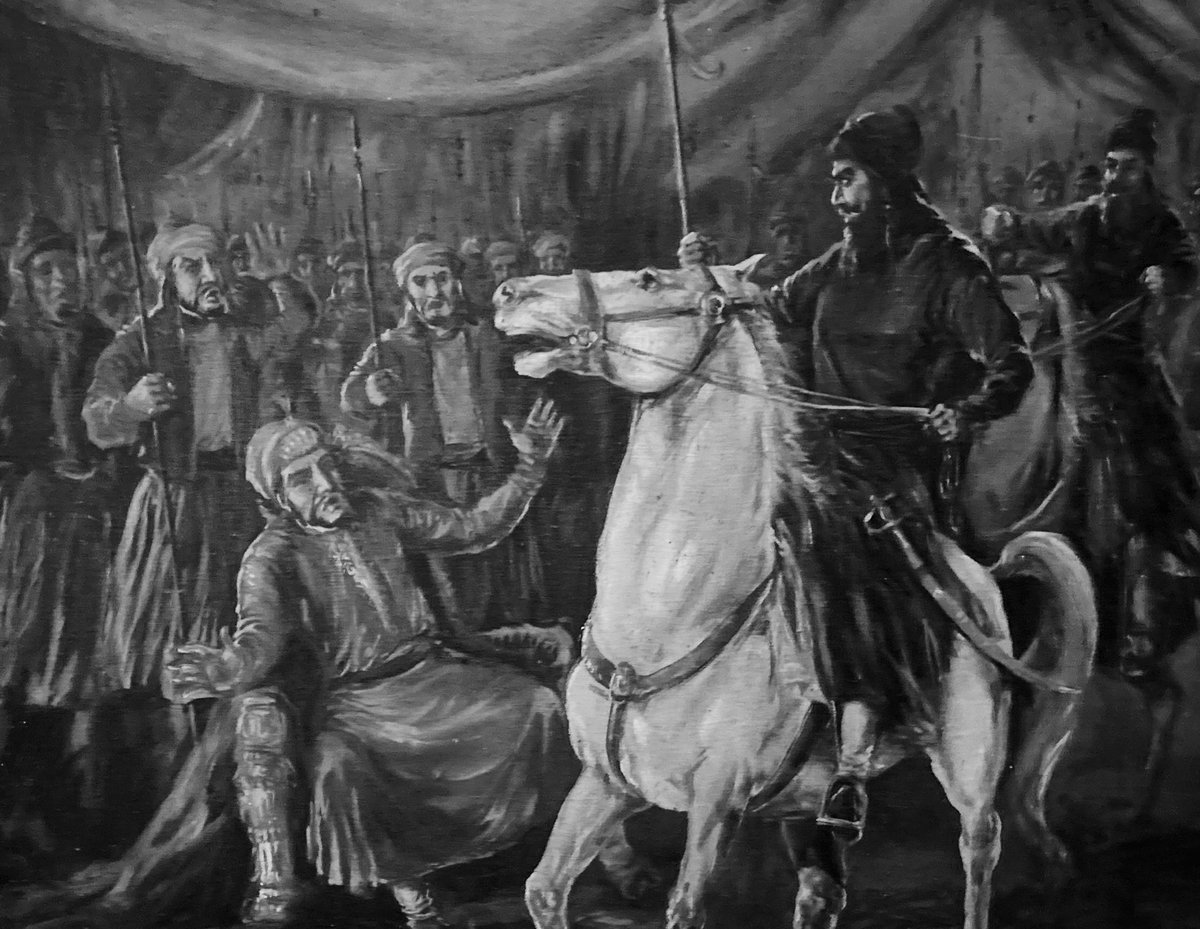
“Be not too sure that the forest is empty, perhaps a tiger may be couched in it.”
- Sardar Jassa Singh Ramgarhia,
in a 1797 letter to John Shore, referring to Shah Zaman’s costly underestimation of the Dal Khalsa’s power in Punjab.
The core proposition in the Mul~Mantar/Akal~Ustat conception of the Divine Principle is that *it is and is to be forever beyond conception for all finite beings;
we, as finite humans, can only grasp at certain essences, or visibilised manifestations that emanate from the Divine Principle (see Emanation in Neo-Platonic and Ismaili thought);
the conceptual vocabulary used to describe this proposition is drawn from an Advaitik corpus, the Vaishnavite tradition, and gradually also from Islamic and para-Islamic traditions; had there been greater contact between the West and India at the time, there is no doubt that Latinate/Greek concepts would also have been incorporated into the later Sikh scripture (I lament so often that Guru Gobind Singh died at such a young age, knowing the extent of his intellectual pursuits, had he lived for a few decades more, perhaps in relative peace - had the negotiations with Bahadur Shah been successful - I have no doubt he would have consciously engaged with Enlightenment thought, especially its Deistic Element, to which he too would have had so much too offer; alas, the world spirit moves in its own mysterious ways).
Superficialist commentary on Sikh philosophy rarely has the capacity to go beyond the concept into the depth of meaning, and rarely understands how multivariedly interacting conceptual forms, drawn from multiple strands of intellectual and revelatory traditions, reveal a *truth greater than that contained in the vocabulary itself.
The shabad/word is merely the exterior sign; the meaning behind it is the truth that reveals itself in contemplation.
This should also serve as a warning to sectional Sikh interests, who, again due to their inability to understand the organic unity of the greater Sikh scriptural tradition (which includes Dasambani), attempt to excise it, thus severely damaging the Organic Totality of the Sikh Revolution, and thereby rendering it vulnerable to sectarian assaults, from the superficialists I described above.
“The ideal Sikh is the happy Sikh, the Sikh who is content with the place he occupies in his cosmos, who respects and believes in his superior officers, who does not consider himself unjustly treated, and who has received no injury to his self-esteem. For the virtuous ingredients in his composition are subject to reaction. When he fancies he is wronged, he broods. The milk in him becomes gall. The ‘waters of life’ stirred by steel, his baptismal draught, take on an acid potency.
‘I’d rather command Sikhs than any other class of sepoy,’ a brigadier told me, and he had commanded every imaginable class of sepoy for twenty years, ‘but they must be happy Sikhs,’ he added. The brooding or intriguing Sikh is a nuisance and a danger.”
- Edmund Candler, The Sepoy (1919), p. 32.
Takht Sachkhand Sri Hazur Abchalnagar Sahib was not a fully developed shrine until Maharaja Ranjit Singh patronised its construction more than a century after its original foundation. There is no contemporary evidence placing it above Sri Ramdaspur in importance, beyond a later tradition recording a curse that whoever built a memorial over the site would see their lineage vanish from the earth - a fate Ranjit Singh is said to have accepted without hesitation. It was for the sarovar of Sri Darbar Sahib in Sri Amritsar that Sikhs, over the centuries, shed rivers of blood.
L: Volume 3 of Umdat-ut-Twarikh records that in 1832, Sikhs dispatched a battalion toward Anandpur where it was expected a Nihang gathering would be held during “Holi days.”
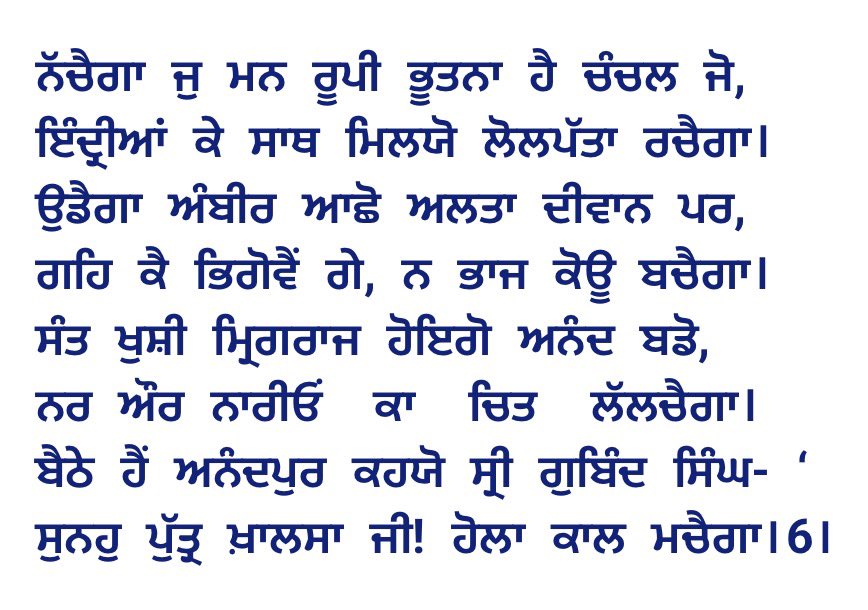
R: Poetry written by Nirmala Sant Nihal Singh in 1876 describing “Holla,” published posthumously in 1902.
L: Volume 3 of Umdat-ut-Twarikh records that in 1832, Sikhs dispatched a battalion toward Anandpur where it was expected a Nihang gathering would be held during “Holi days.”
R: Poetry written by Nirmala Sant Nihal Singh in 1876 describing “Holla,” published posthumously in 1902.
@Sandhu_Kdeep1 Please provide evidence for this claim “Holla Mohalla was actively celebrated .. during Maharaja Ranjit Singh’s time in the early 1800s.”
A proper reference. Not a screenshot from some Khalistani blog.
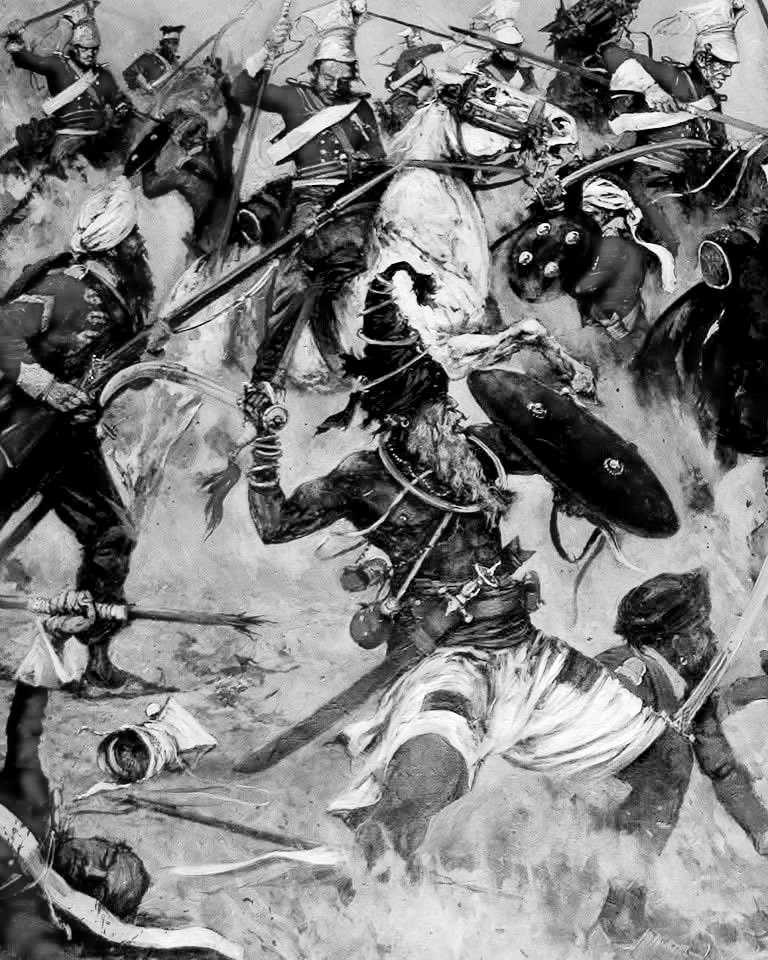
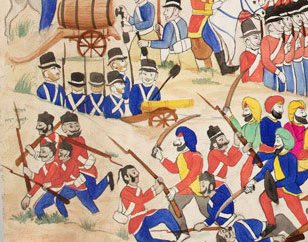
The Battle of Sobrāon was fought 180 years ago today between the Sikh Khālsā army and the troops of the East India Company.
“In all the previous actions in which I had taken part, one or two volleys at short range were as much as the Sirkar’s enemies could stand; but these Sikhs gave volley for volley, and never gave way until nearly decimated. They had their infantry placed between, and behind, their artillery, and their fire was terrible - such as no sepoy has ever had to endure. The Sirkar’s guns were almost silenced and the ammunition wagons exploded. I saw two or three European regiments driven back by the weight of artillery fire which rained down on us like a monsoon downpour. They fell into confusion, and several sepoy regiments did the same. One European regiment was annihilated - totally swept away - and I now thought the Sirkar’s army would be overpowered. Fear filled the minds of many of us.
The correct take on the Devi—what many like Sahani don’t understand is that her presence in Sikh literature functions almost entirely to justify the relentless and at times amoral pursuit of power by the Sikhs.
‘Giani Ditt Singh: Hijacking of the Shuddhi Sabha’ by @SirPentapotamia.
A translation of Giani Ditt Singh's article from the Khalsa Akhbar Lahore about the hijack of the Shuddhi Sabha by Arya Samajists.
🔗 https://t.co/u2kgDdcQjt
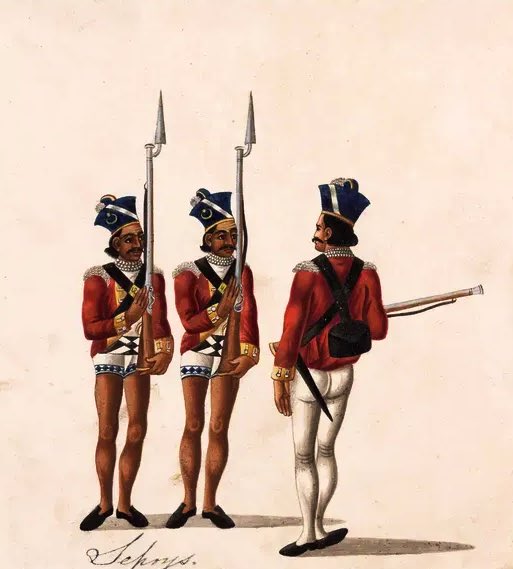
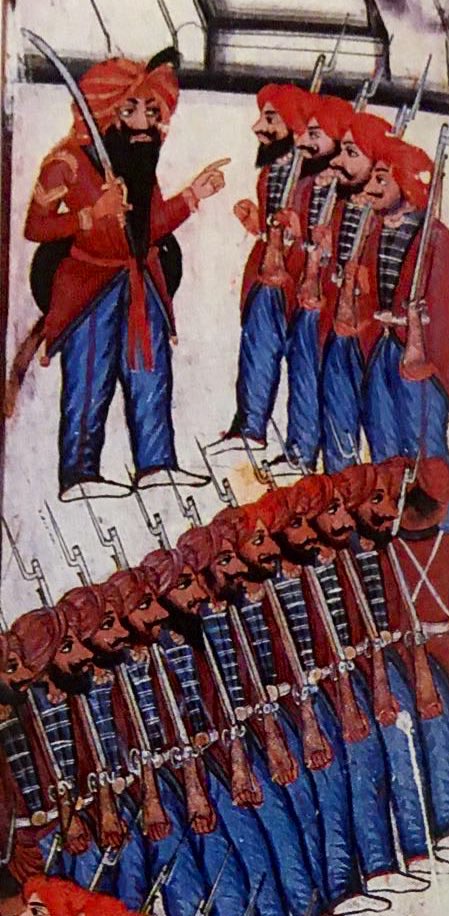
“The Khālsājī army had acquired a formidable reputation, having been drilled by French sāhibs and equipped with muskets comparable to those of the Sarkār’s (East India Company) army. Their artillery was immense. Most sepoy regiments were reluctant to fight the Sikhs (Khālsājī), but the presence of several European regiments in the force gave the sepoys greater confidence.”
- Sita Ram Pande, Purbiya Subedar, From Sepoy to Subedar: Memoirs of a Native Officer of the Bengal Army, p. 136.
Written with reference to the opening phase of the First Anglo Sikh War (1845).
“The Khālsājī army had acquired a formidable reputation, having been drilled by French sāhibs and equipped with muskets comparable to those of the Sarkār’s (East India Company) army. Their artillery was immense. Most sepoy regiments were reluctant to fight the Sikhs (Khālsājī), but the presence of several European regiments in the force gave the sepoys greater confidence.”
- Sita Ram Pande, Purbiya Subedar, From Sepoy to Subedar: Memoirs of a Native Officer of the Bengal Army, p. 136.
Written with reference to the opening phase of the First Anglo Sikh War (1845).