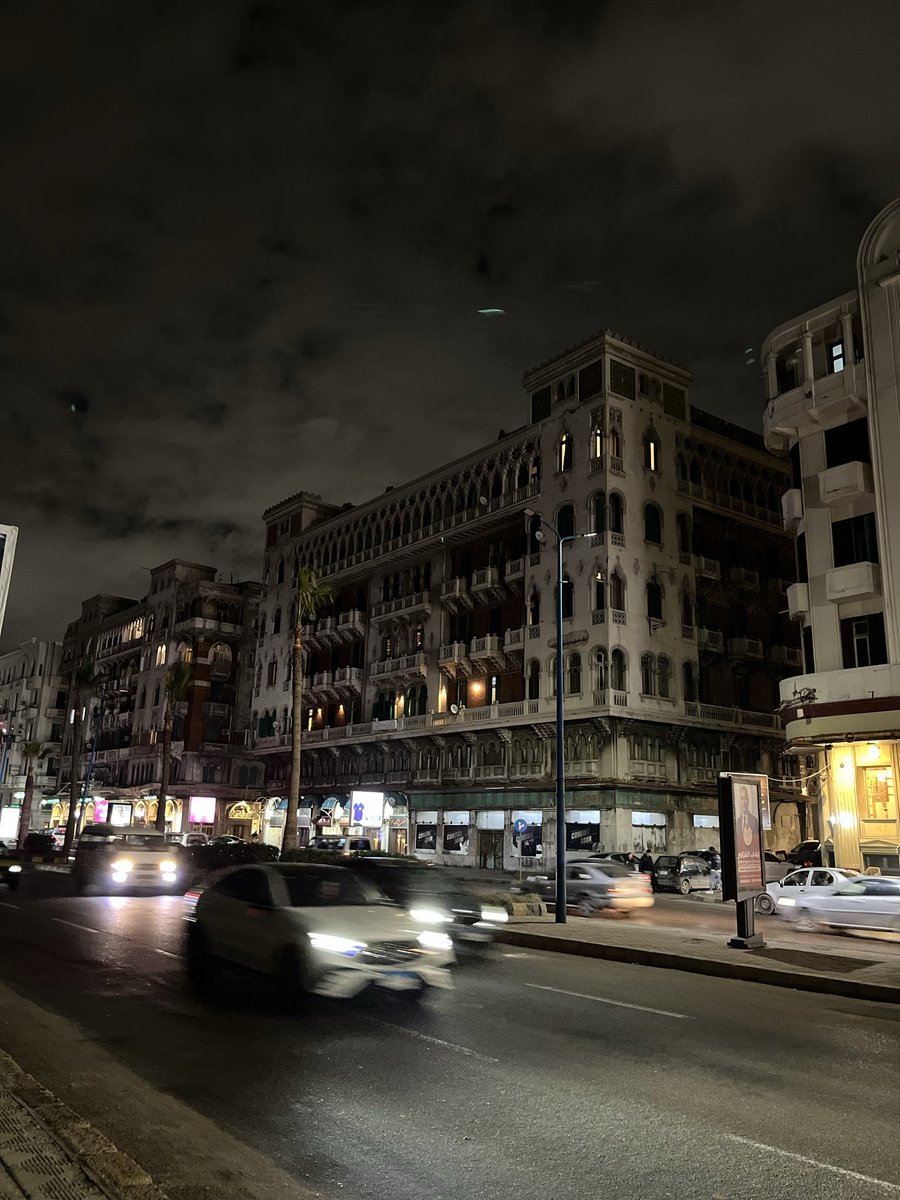
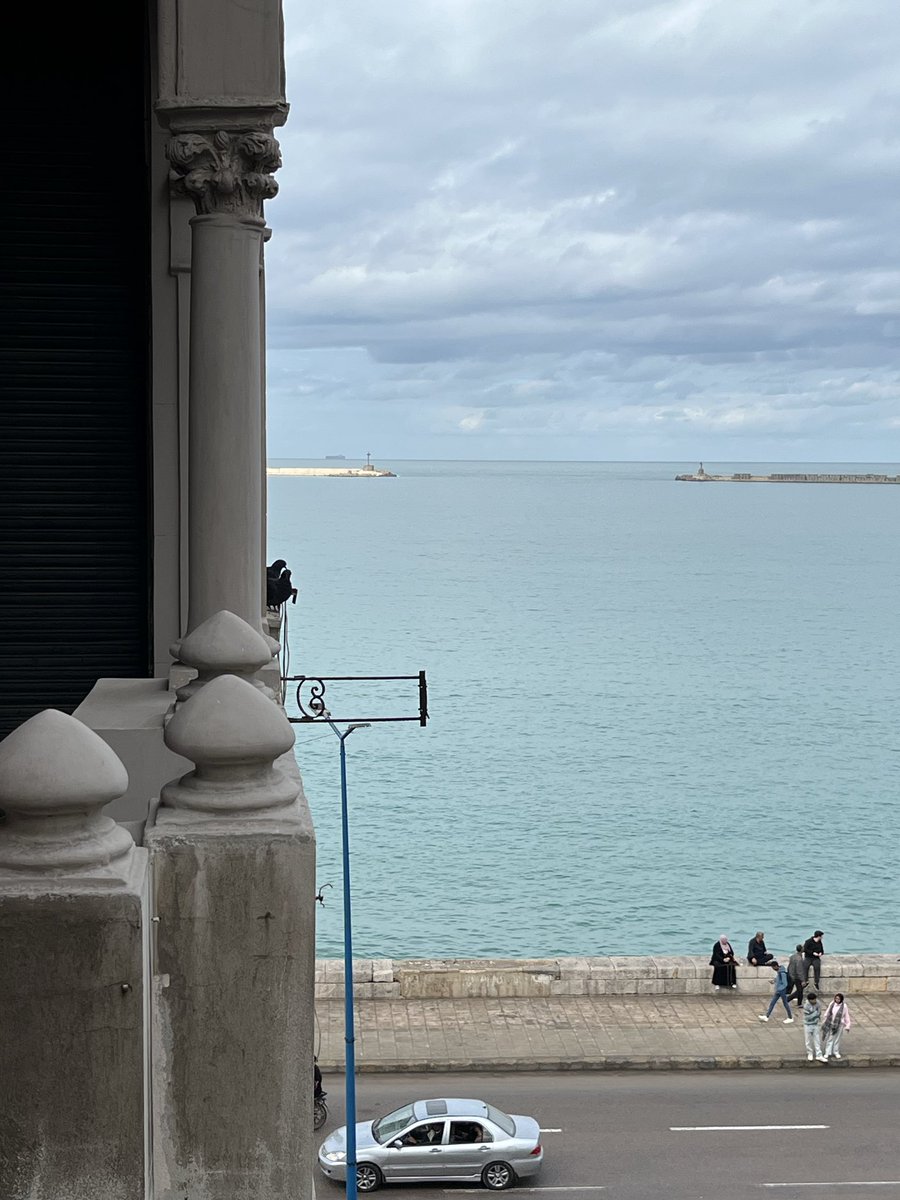
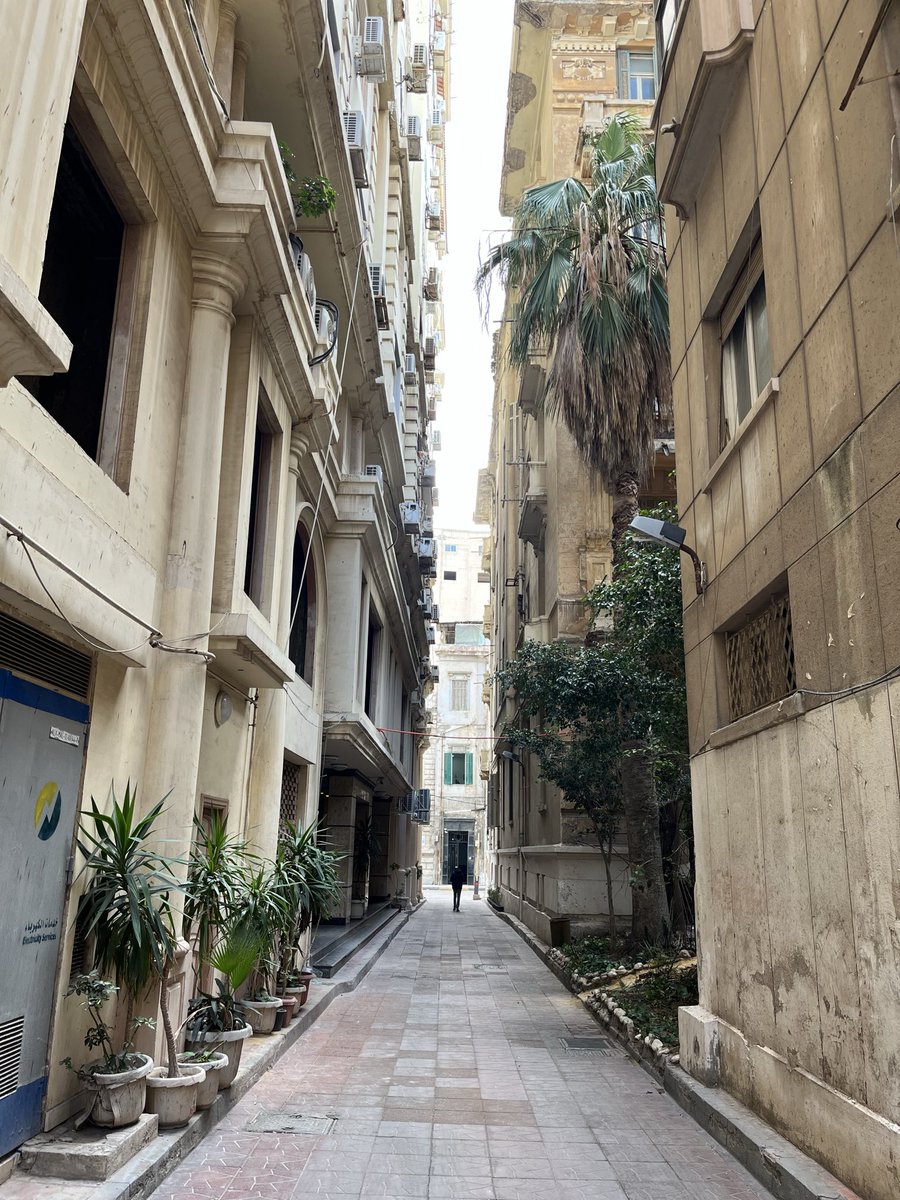
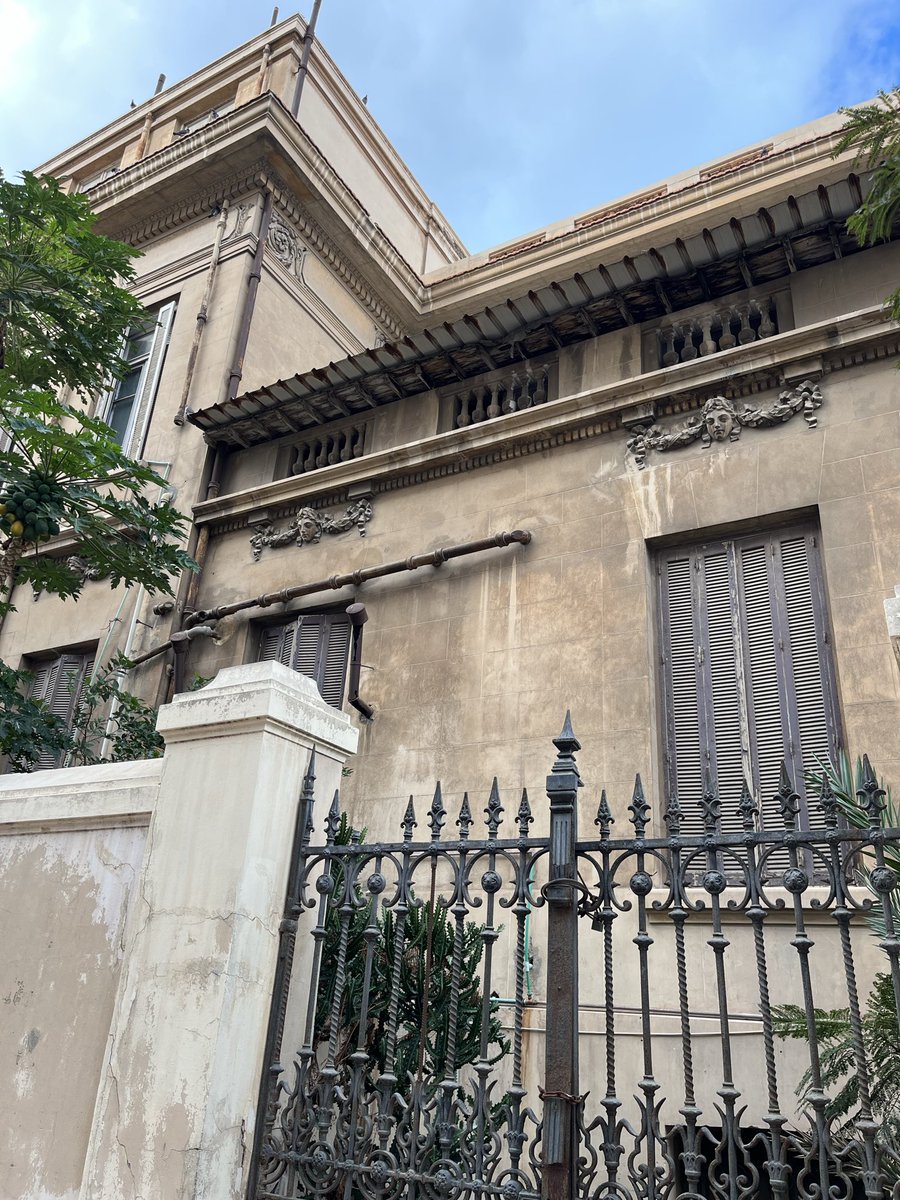
iskenderiye gettolarından geçerken fotoğraf çekemediğim için hala kendime kızsam da birkaç güzel downtown fotoğrafı bırakayım
şehir, tek başına, beni bir
süreliğine helenistik dönem çalışmaya ikna etmişti, büyüsünden yeni yeni kurtuluyorum
fazla romantik olmamak lazım, mümkünse
Hastalıklar altında ezilen, terk edilmiş bir ruhun kalan son umudu ve takatiyle göklere yakarışını konu alan ve şimdiye kadar bir Türkçe çevirisine rastlamadığım üç bin küsür yıllık Akad şiiri Ludlul bel Nemeqi’nin (Bilgeliğin Tanrısını Yücelteceğim) ikinci tabletini çevirdim:
Ancient city of Perge, located 19km east of Antalya, in modern-day Türkiye. It was used to be one of the most important cities of ancient Pamphylia...
According to Greek mythology the legendary origins of Perge date back to 13th century BC, when Greek immigrants arrived to Pamphylia, traversing Asia Minor after the Trojan War. The leaders of this movement were supposed to be three famous seers - Mopsos, Calchas and Amphilochus. The first two of them had been recognized as the founders of Perge. The first settlement in Perge area developed on the acropolis hill, to the north of best-preserved ruins of the later period that are located on the plain below.
The earliest archaeological finds from the area of the acropolis of Perge are dated to the end of 5th Millennium BC. Oldest traces of continuous settlement begin in 3rd Millennium BC and demonstrate that city existed until Byzantine era. Based on a clay tablet found in the Hittite capital, Hattusa, some scholars identify Perge with a Hittite city of Parha. During reign of Hittite king Tudhaliya IV, i.e. at end of 13th Century BC, a peace treaty was signed king Kurunta of Tarhuntassa, who waged war with city of Parha on the river Kashtraia, identified with Kaistros of antiquity.
In 4th Century BC, Perge reappears in written sources, when its existence is reported by a writer known as pseudo-Scylax, author of Periplus - a quasi-scientific geographical account of a clockwise circumnavigation of the Mediterranean and Black Sea. Pseudo-Scylax describes the city on river Kaistros (Aksu), situated 10km away from seaside, but profiting from maritime trade. The wealth of city resulted from fact that river Kaistros was navigable in these times. Perge was then connected with coast by road leading to port of Magydus that is now a district of Antalya called Lara.
Until 334 BC, as all other cities of Pamphylia, Perge was in the zone of Persian influence. When Macedonian army, led by Alexander the Great, reached this region Perge surrendered immediately, opening its gates to the Macedonians. The residents of Perge even offered Alexander their help and services as guides in Pamphylia. Around 300 BC, Perge acquired the status of a colony of Pergamon. Then settlement was expanded and acquired a typically Hellenistic character. In 2nd Century BC, city experienced first period of prosperity and started minting its own coins with image of Artemis.
In 188 BC, Perge came under Roman rule and in 129 BC, it was formally incorporated into province of Asia. When a new Roman province, Galatia, covering an area of central Anatolia was created in 25 BC, Romans decided to connect it to coast of Mediterranean Sea. Soon a new road - Via Sebaste - was constructed, linking Pisidian Antioch in Galatia with Perge in Pamphilia. Christianity reached Perge in 1st Century AD, and was introduced to its inhabitants by Paul the Apostle. He came to Perge by the sea route, during his first missionary journey (45-48 AD), in the company of Barnabas and John Mark, but soon went on his way, to Pisidian Antioch. On the way back to the coast of St. Paul stayed in Perge for a longer time, preaching and teaching.
In 1st-2nd Centuries AD, Perge was one of greatest cities in Asia Minor, competing with Side for role of Pamphylian capital. Most of best preserved buildings in city are dated to this period. The person responsible for development of Perge was Plancia Magna, wife and sister of Roman senators, born into family of Cappadocian kings and a relative of Herod the Great. Her statue, found near Hellenistic Gate in Perge, is now in Archaeological Museum in Antalya.
Third and last period of city prosperity came in 5th-6th Centuries AD, when city had a rank of a bishopric. Unfortunately, end of Perge was very close, as in 8th Century AD, it was razed to ground during Arab invasions of Asia Minor and has never been rebuilt.
#archaeohistories
Ancient Greek statue of Aphroditus at the National museum in Stockholm.
Aphroditus was portrayed as having a female shape and clothing like Aphrodite, but also a penis, and hence, a male name.
Statues are such a great connection to ancient civilizations.
The Dying Gaul (360 BC) is a great example.
Not a god or emperor, just a simple soldier, carved so you feel the breath leaving him.
Two thousand years later and the connection is immediate.
@t_acaru Peki kısırlık bir hastalık mıdır?
Ben soruyu sorarken biraz yanlış sordum, pasif taraf olarak tanımladım da.
Psikolojik olarak kötü oluşla ilişkili olması, eşcinsel ilişki pek çok hastalığa da açık bir ilişki türü olması vs. Bir sürü hastalıkla ilişkili en azından
İzmir, Aydın, Antalya, Üsküdar, Afyon, Keçiören, Tuzla, Çekmeköy… İstanbul’un durumu zaten herkesin malumu.
Hâlâ Turkiye’de bir seçim daha olur mu, bu son seçim miydi diye konuşuluyor, ulan olsa ne olur, adamlar seçimle kazanamadığı bütün belediyeleri alıyorlar zaten. Şu durumda seçimlerin bir işlevi mi var sanki.
bir insandan aynı anda hem eylem adamı hem fikir adamı çıkarmaya çalışmak o kişinin sırtına lüzumsuz bir yük yüklemek oluyor çoğu zaman. che'den bir sosyal teorisyen, muhammed'den bir filozof devşirmeye çalışmak, bi pols öğrencisinden doğru siyasi partiye oy vermesini beklemek vs
@thorfinnight@tfaktoru Kerem can Koçak bu kadar küçük mekanizmaların kuantuma bağlı olduğu, kuantum deterministik olmadığı için belirlenemeyeceğini söylüyor. Ama bu rastgelelilik özgür iradeyi olanaklı kılar mı?