Beste @vrtnws,
Als u uw data over de "Foto van Vlaanderen" echt wil delen, dan zet u ze op een website in een csv, xlsx, pdf, word, sav, en nog een paar andere formaten.
Maar ik kom niet volgende dinsdag om 14h met mijn pc naar Brussel met mijn SPSS licentie.
Dank u voor de parkeerplaats, maar anno 2026 delen we digitaal.
mvg
Geert
“A first look at the prosody of focus and stress in Yami (Tao) [Austronesian; Taiwan]” by Chun-Jan Young and Argyro Katsika (May ’26) https://t.co/kwSMxcvR6E
@freekvdvelde I’m a recovering word cloud aficionado.
The year was 2015 and the wordcloud2 package was an easy implementation. There were many websites that allowed you to drop your text in. Digital Humanities still sounded novel. Word clouds were an easy way in for visualization. 🤷♂️
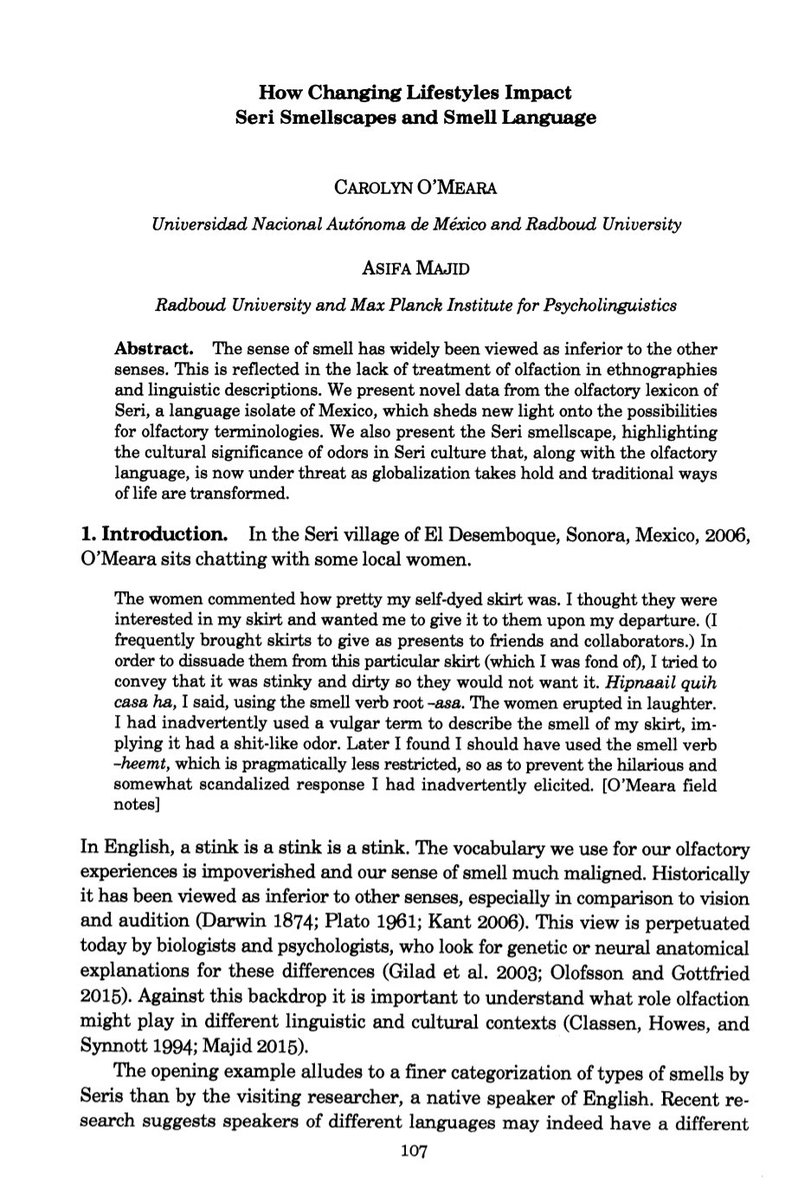
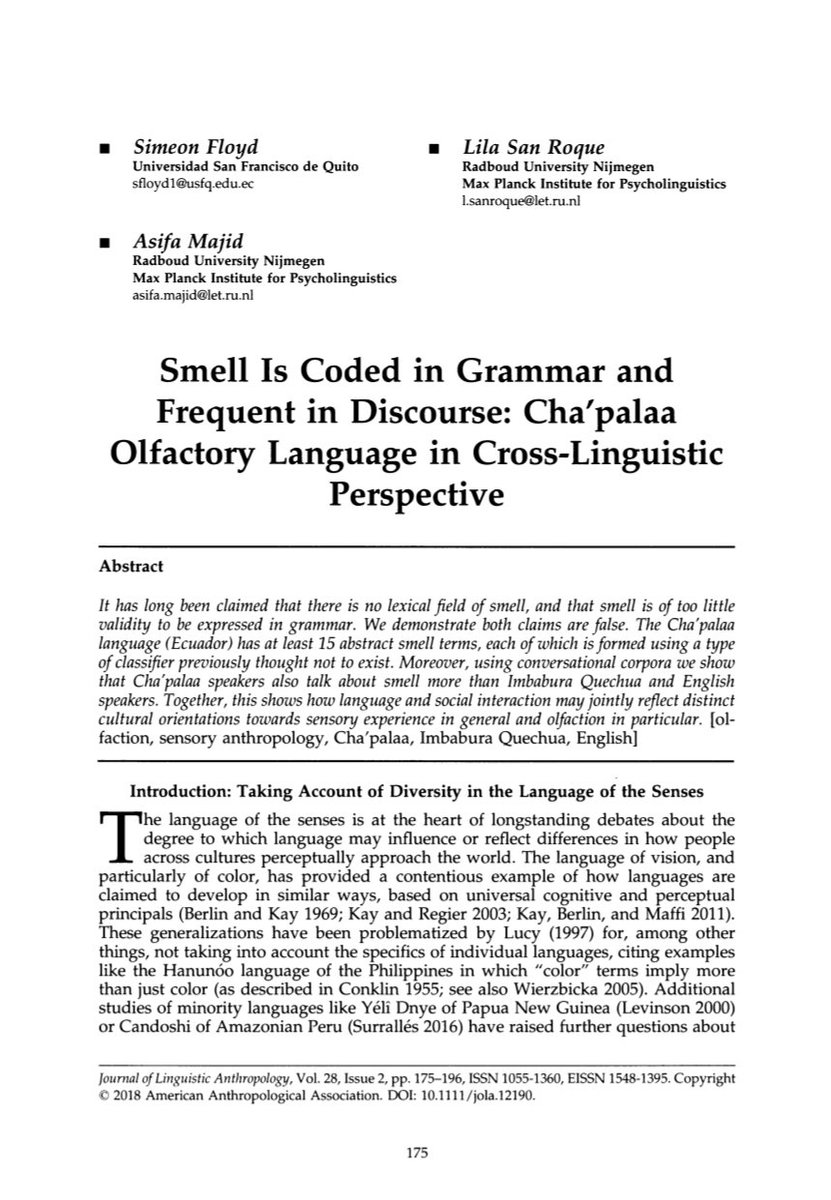
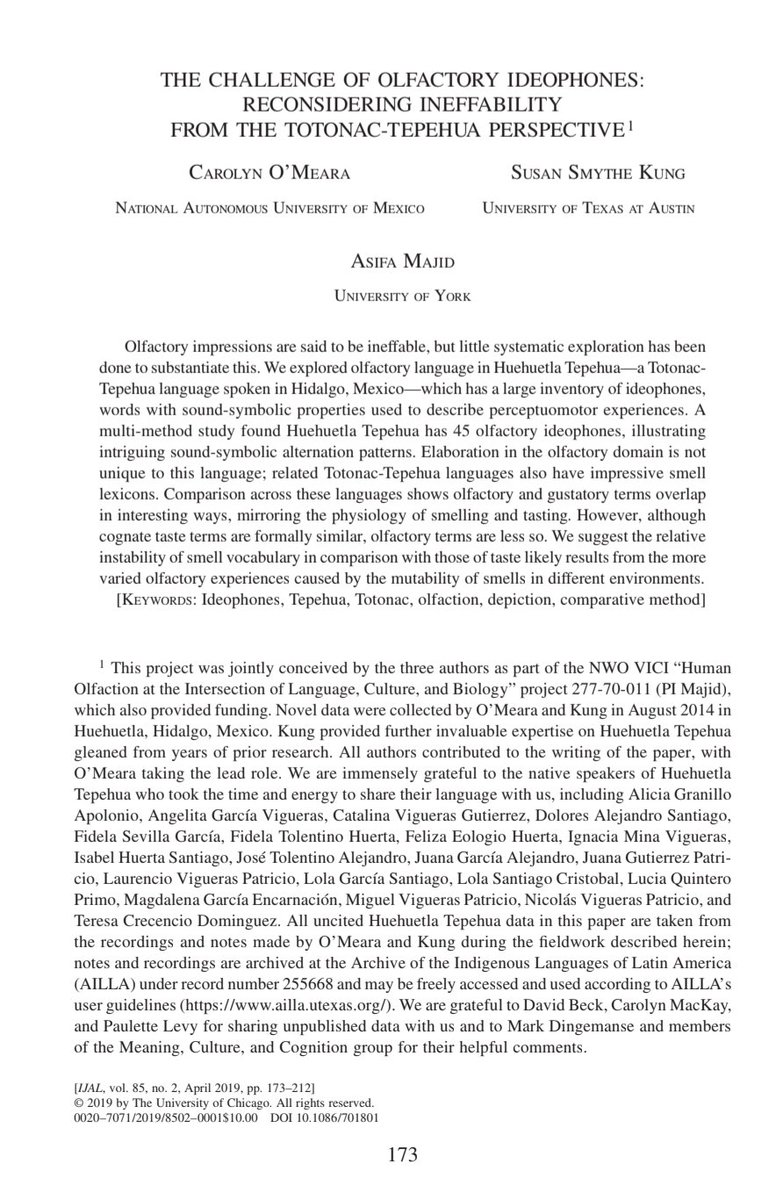
One of my favorite things about teaching the introduction to linguistic anthropology class is that I can linger over olfactory ideophones, examples of linguistic diversity and some of the work done by UT Austin PhDs (Susan Smythe Kung and Simeon Floyd)
"I'm a doctor in Linguistics"
"my friend is dying"
"Don't you find it fascinating that «die», a telic verb, in the progressive means that your friend is on the path to dying but isn't yet dead? Aspect is so cool"
After passing through the focus group, here is the next exciting installment of my blog: Sunsets, spreadsheets, and languishing leaves.
Mostly pictures of the conferences I attended and presented at over the summer. Enjoy!
https://t.co/7aBi2B7GpY
When I review papers about a Chinese variety and there are no tone marks (and preferably also characters), the best score I give is major revision.
I was trained to not put tone marks on transliterated words and I don’t understand why. It’s a tone language and it’s 2025.
Why is Mandarin so often not transcribed with tonal diacritics? Just cuz you're writing a syntax paper doesn't mean you should ignore tones in a tonal language...


![phono_logical's tweet photo. “A first look at the prosody of focus and stress in Yami (Tao) [Austronesian; Taiwan]” by Chun-Jan Young and Argyro Katsika (May ’26) https://t.co/kwSMxcvR6E https://t.co/FXhovBILU3](https://pbs.twimg.com/media/HIvQNAqbwAAk9Vq.png)
![phono_logical's tweet photo. “A first look at the prosody of focus and stress in Yami (Tao) [Austronesian; Taiwan]” by Chun-Jan Young and Argyro Katsika (May ’26) https://t.co/kwSMxcvR6E https://t.co/FXhovBILU3](https://pbs.twimg.com/media/HIvQJXBawAABi50.png)
![phono_logical's tweet photo. “A first look at the prosody of focus and stress in Yami (Tao) [Austronesian; Taiwan]” by Chun-Jan Young and Argyro Katsika (May ’26) https://t.co/kwSMxcvR6E https://t.co/FXhovBILU3](https://pbs.twimg.com/media/HIvQFksbcAAo1WP.png)







![phono_logical's tweet photo. “A first look at the prosody of focus and stress in Yami (Tao) [Austronesian; Taiwan]” by Chun-Jan Young and Argyro Katsika (May ’26) https://t.co/kwSMxcvR6E https://t.co/FXhovBILU3](https://pbs.twimg.com/media/HIvQRhObYAA746f.jpg)