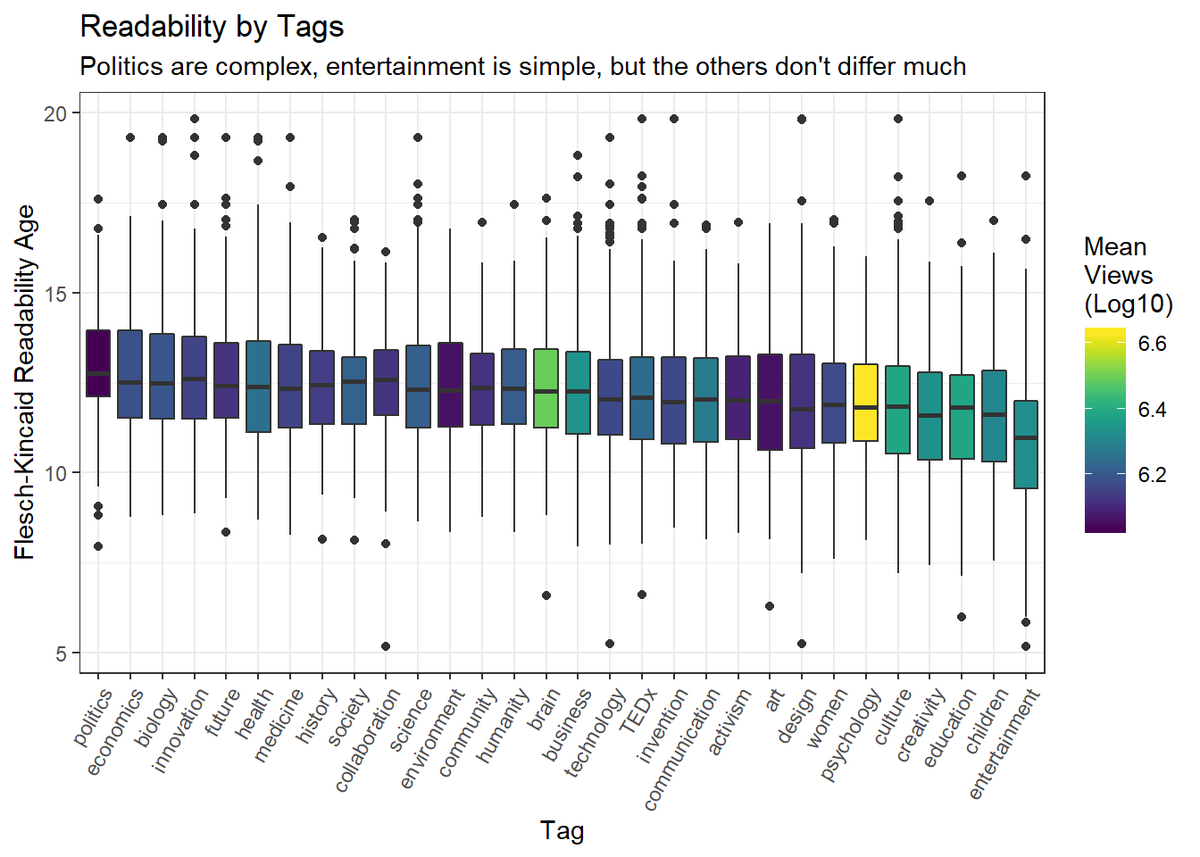
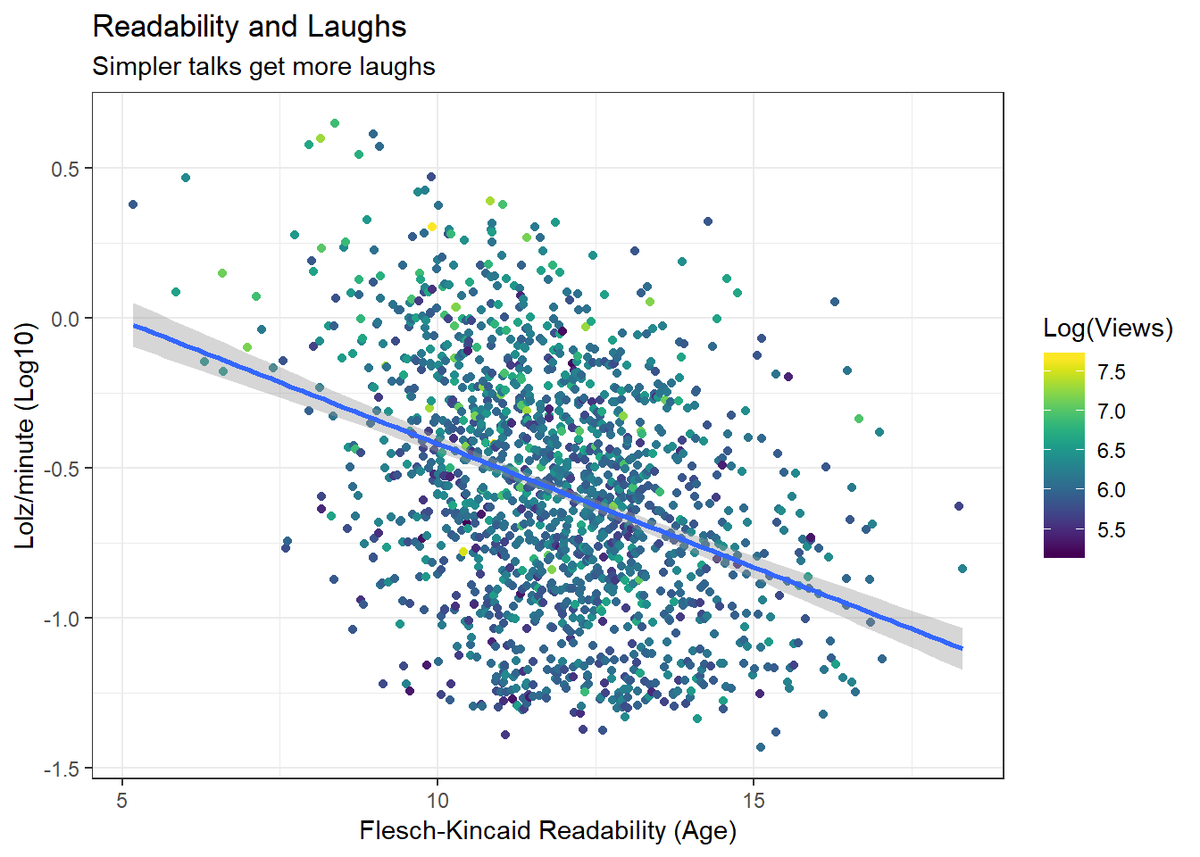
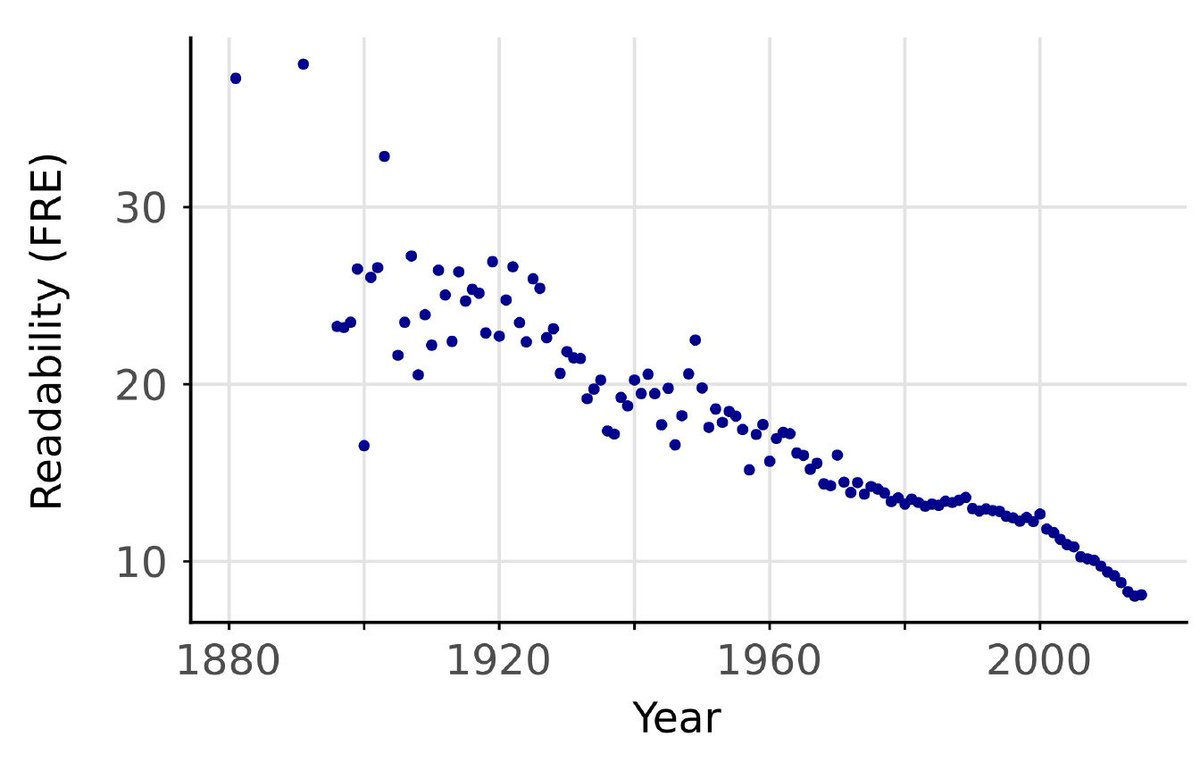
New blog post (🎉): I used #rstats and koRpus to analyse the readability (complexity) of @TEDTalks transcripts. Simpler talks get more views, laughs, engagement. Talks becoming more complicated. Politics hard and boring. https://t.co/TdG7SQ75gO
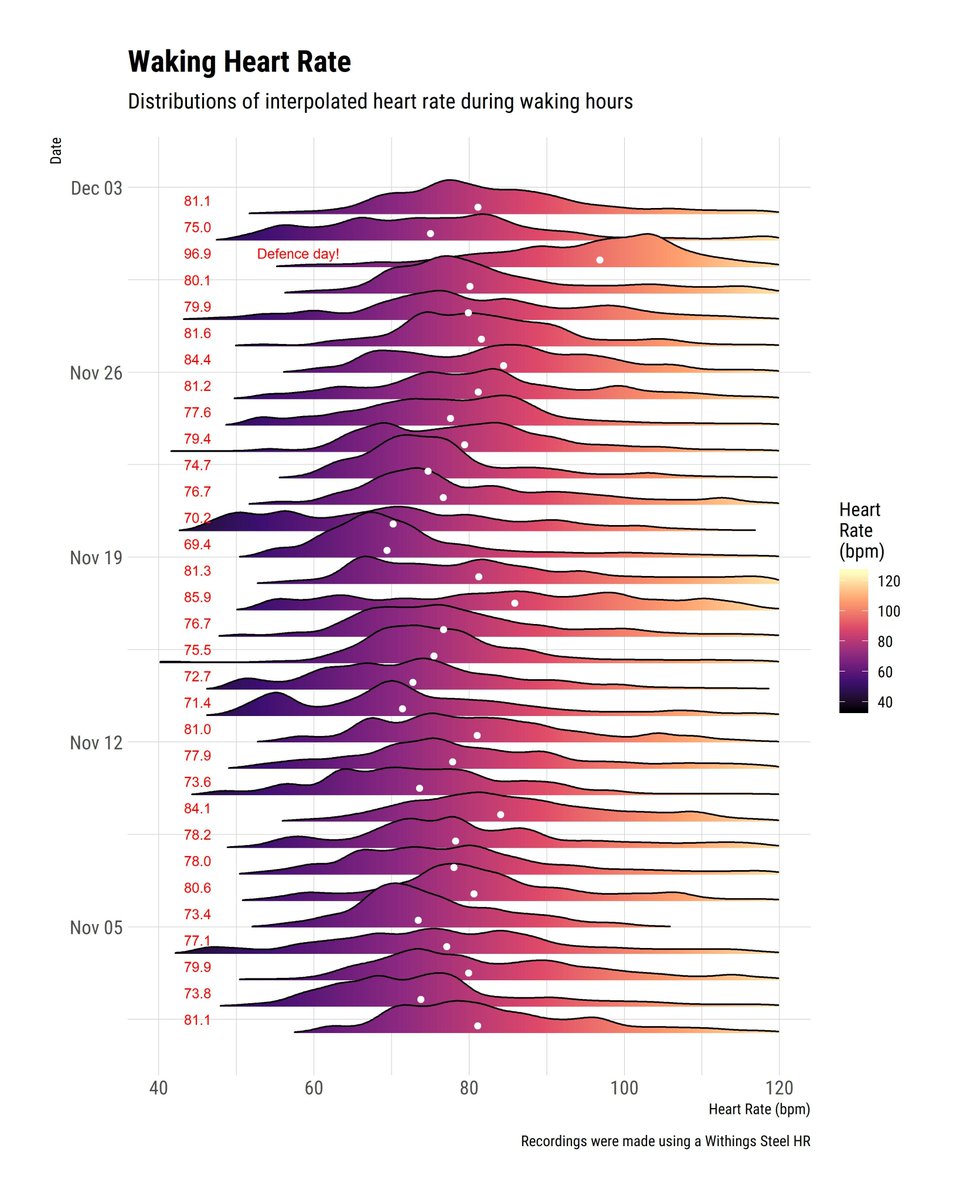
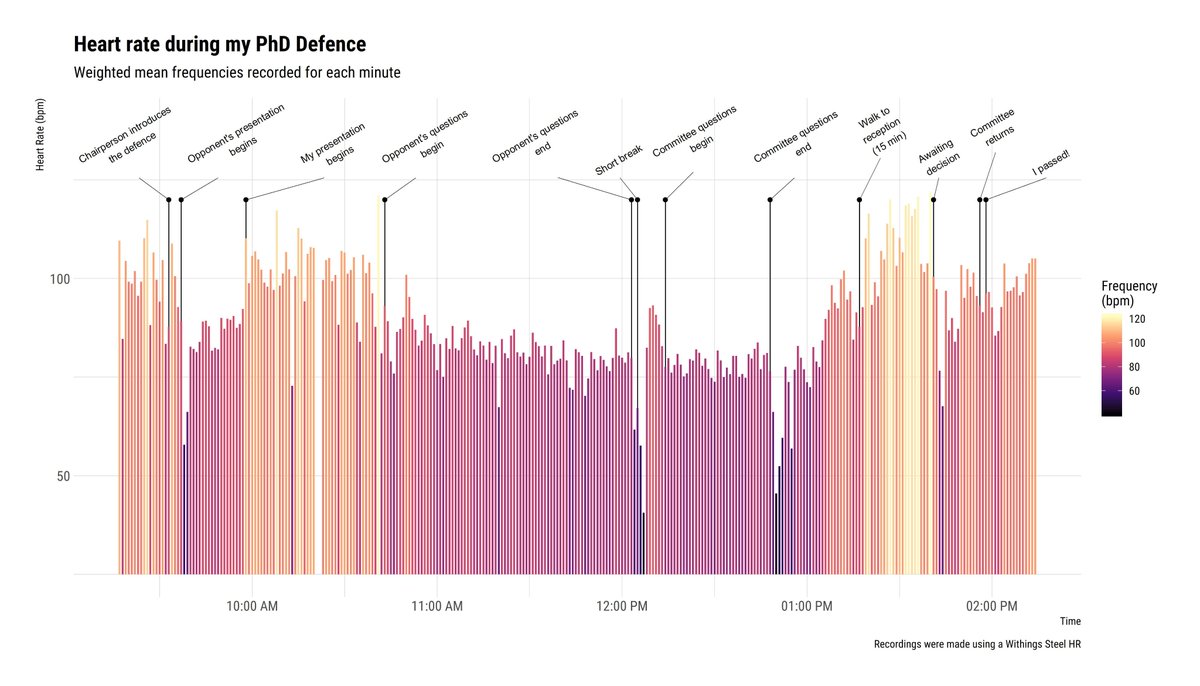
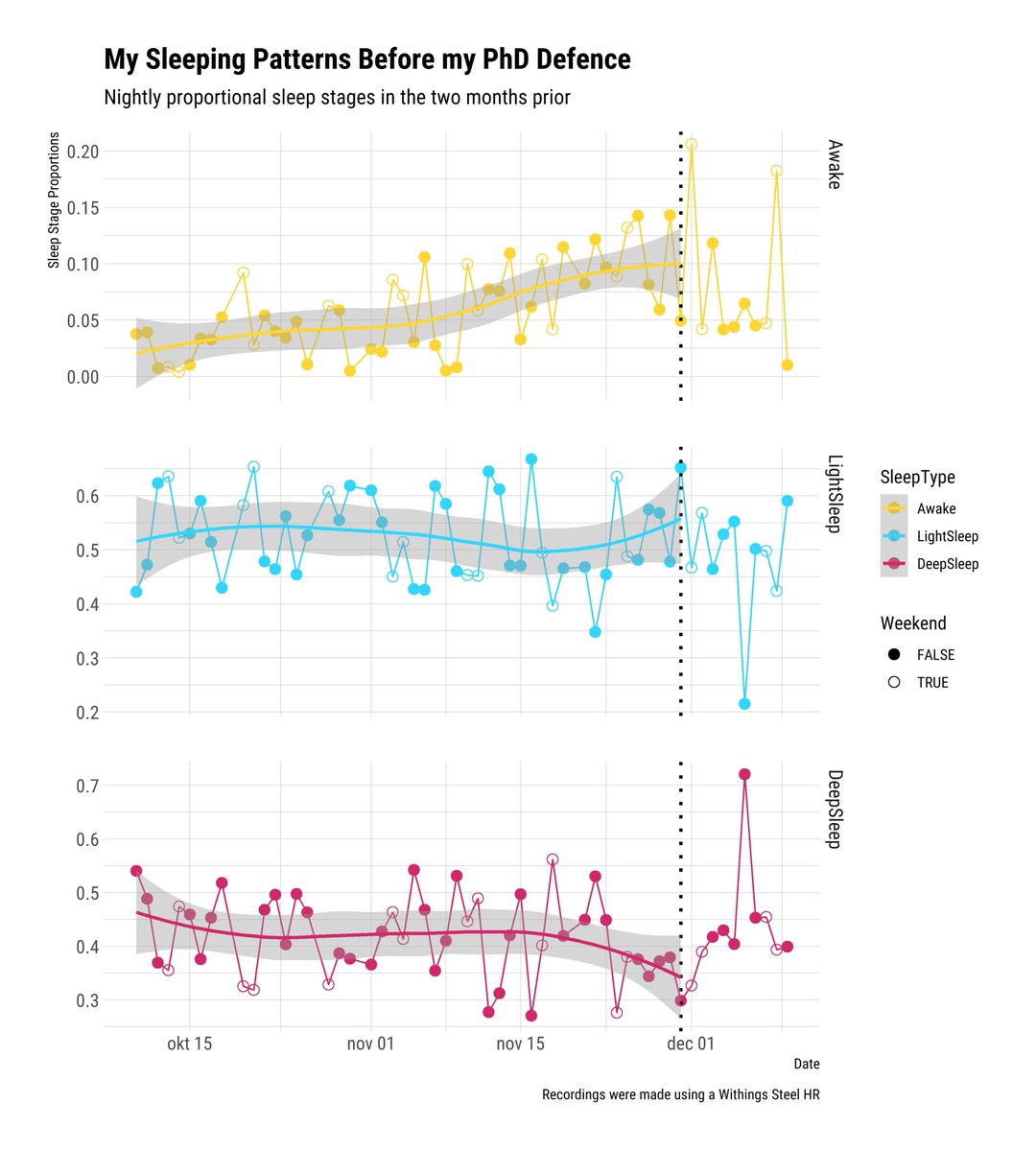
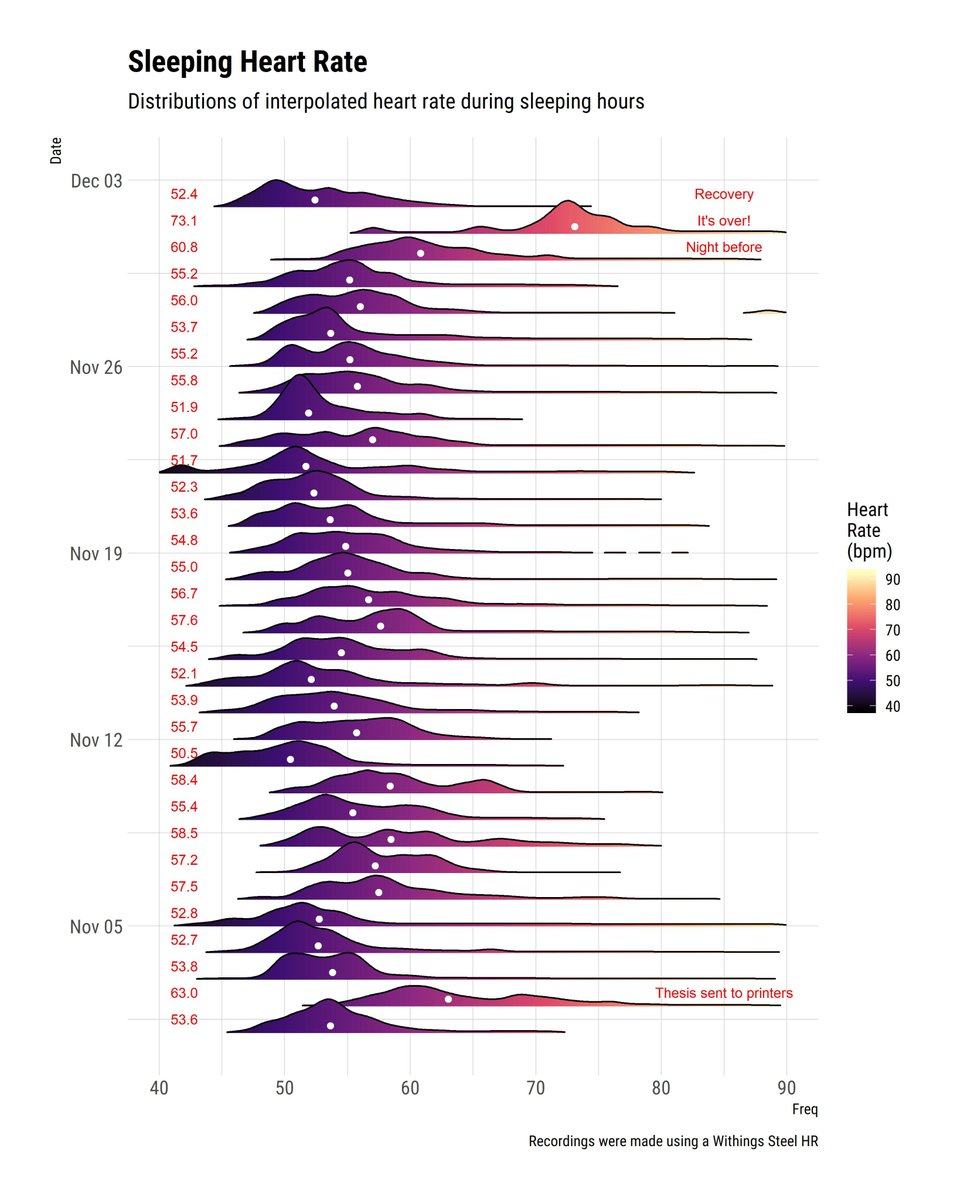
I recorded my heart rate and sleep in the days preceding, during and after my PhD defence, using a @WithingsEN activity tracker, to see how much it would affect my physiology. Turns out, a lot! https://t.co/q6h7dCuypt #rstats#phdchat#DataViz
Just examined a psychiatry PhD thesis that included:
- A statistical disclosure statement (e.g., which analyses were done but not reported)
- A replication study of another study from the thesis
- Open scripts and data
- Pre-registered analyses
The future is bright!
Och sen så kan ju forskaren själv vara emot att dela data av egoistiska skäl. Om man sitter på ett guldägg kanske man inte vill dela med sig men det är ju inget som samhället ska bry sig om. Sammanfattning: sharing is caring.
Tyvärr motarbetas öppna data på många sätt. Sjukvården har fått personuppgiftspanik. Forskningsdata är bundna till projekt och om man senare kommer på att man borde slå ihop data blir det krångligt så en massa data ligger i "datasilos" utan att kunna användas.
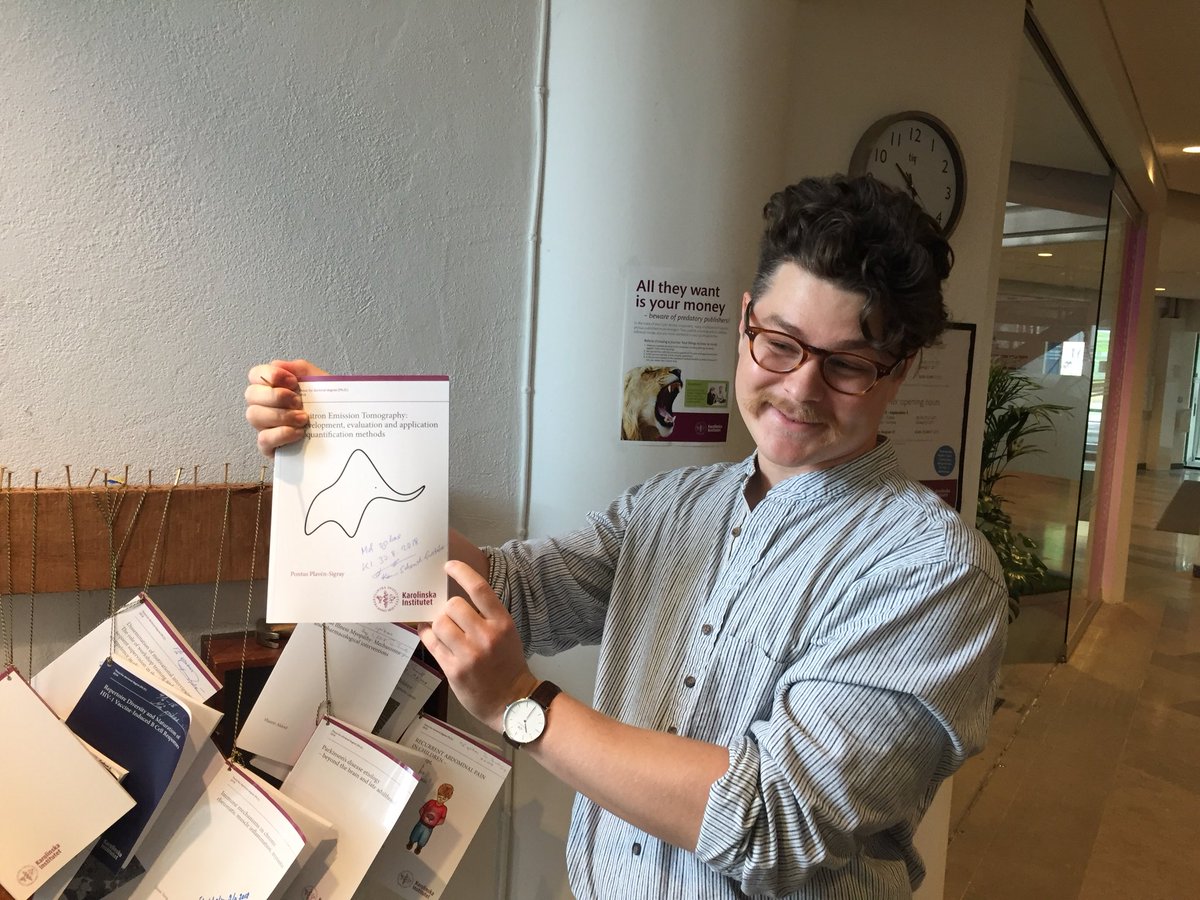
Now it’s out there: ”Positron Emission Tomography: Development, evaluation and application of quantification methods” by Pontus Plavén Sigray. Great stuff!!
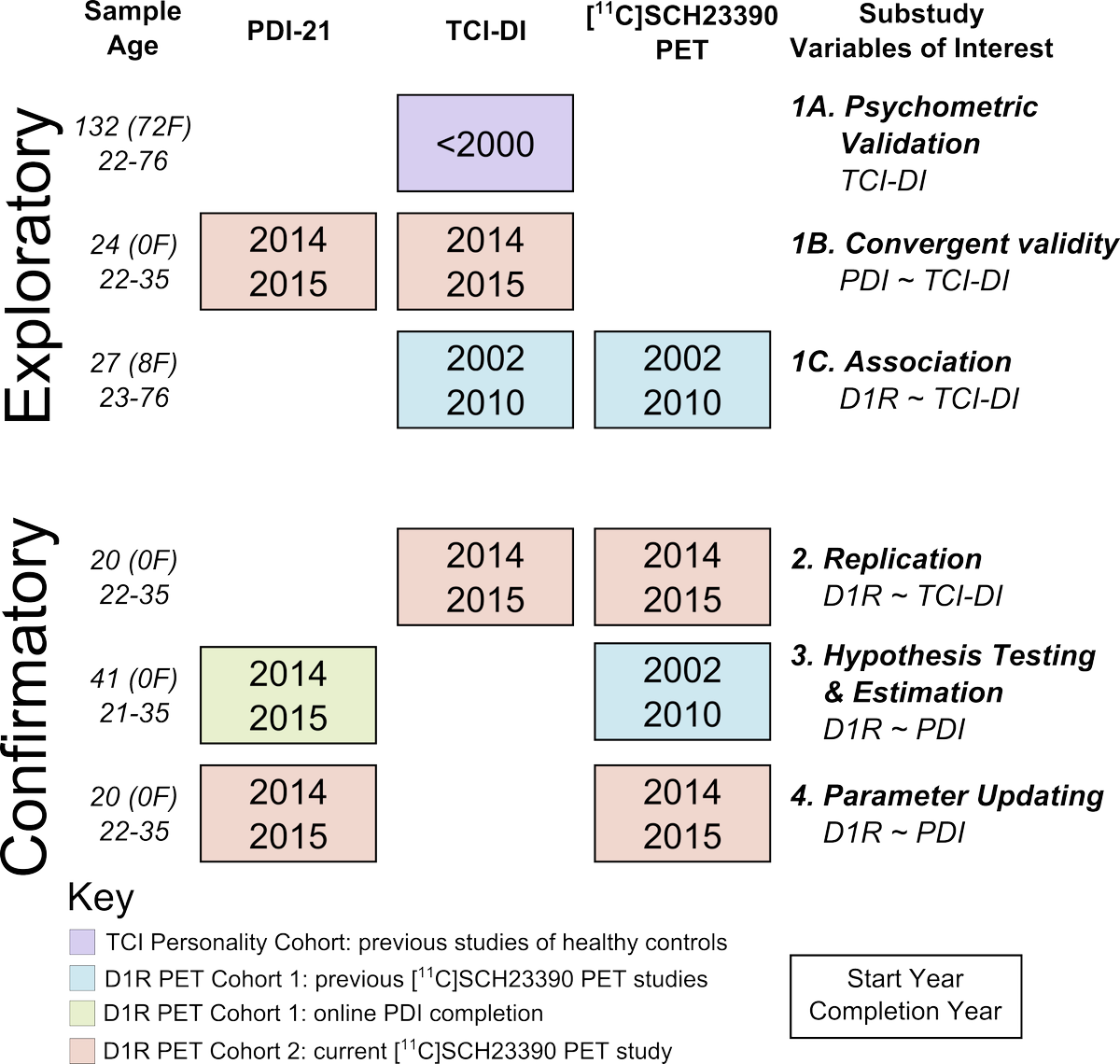
Latest preprint up at last (🎉): no association betw DA D1R and psychosis proneness, feat. exploratory & confirmatory, self-replication, Bayesian & frequentist, BFs & param estim, w informative & regularising priors. Amazing learning experience! https://t.co/s4tv06bRhr
Replication study review. R1: "Can authors explain why identical information is available online: [link to preprint]". Issues w sample and scale (replication study -> same as the original study). R2: Super helpful comments and suggestions: minor revisions. Editor: Reject