New issue of Journal of Latin Cosmopolitanism and European Literatures No. 10 (2024) https://t.co/IQ4f0i47DW #openaccess Latin-Greek Code-Switching in Early Modernity II @RELICSresearch@boomloos
We are delighted to announce a new specialised short course led by scholars William M. Barton, Lucy Nicholas, and Raf Van Rooy!
This course, structured over 8 sessions, offers an in-depth exploration of New Ancient Greek literature.
Book: https://t.co/4zT4HUVMuK #AncientGreek
#CFP Academic Eloquence in Europe from Humanism to the Enlightenment (15th–18th Century) - Université de Picardie Jules Verne, Amiens - 14–15 November 2024 - Due Jan 31 - https://t.co/4d37R4TEhA
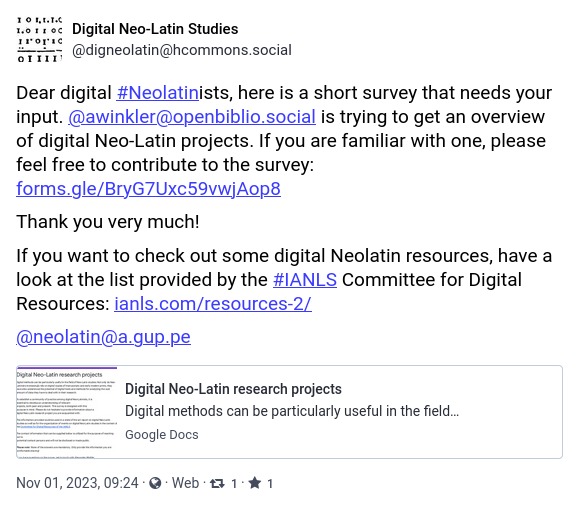
Here's a call for participation in a very brief survey on digital #Neolatin projects. If you know about a relevant project, it would be great if you could share what you know 👉 https://t.co/ETvKGWGsIt
For more info on digital Neolatin studies, follow https://t.co/3K1A8FaH4k
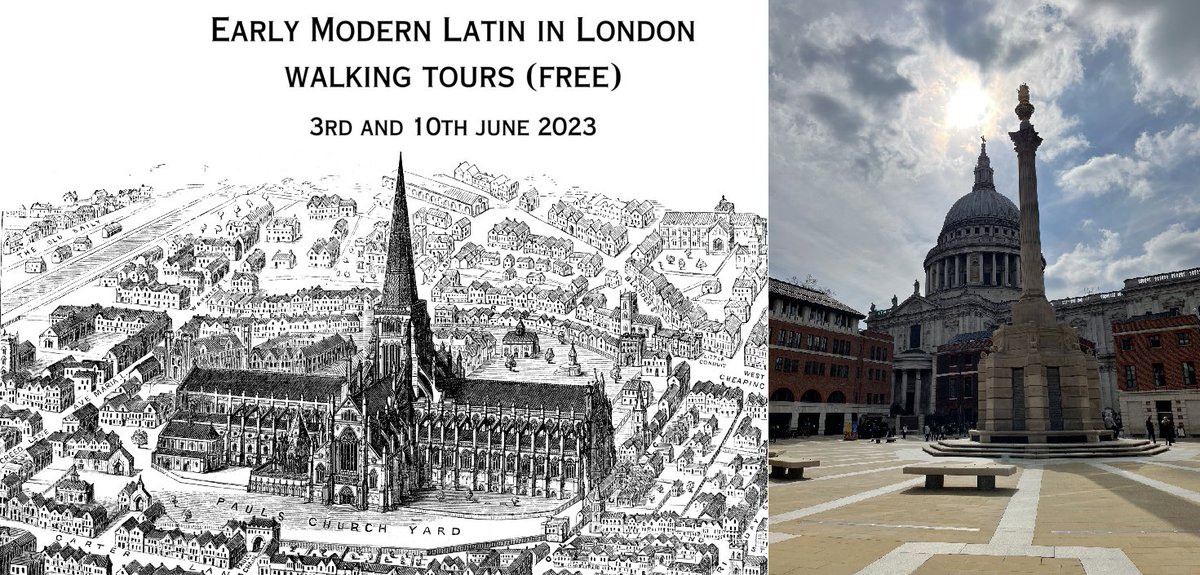
Early Modernists and/or Latinists! Is anyone interested and able to lend a couple hours on 12th or 18th Nov to help run another ‘Early Modern Latin in London’ walking tour?
All the material has been written and tested and it’s always a lot of fun (I think and the feedback says!)
📢 Job opening at ERC-StGr project ERASMOS:
Postdoc - NLP for historical languages (1 year, with option to extend)
Please dare (and care) to share!
https://t.co/1g3PBxYQgo
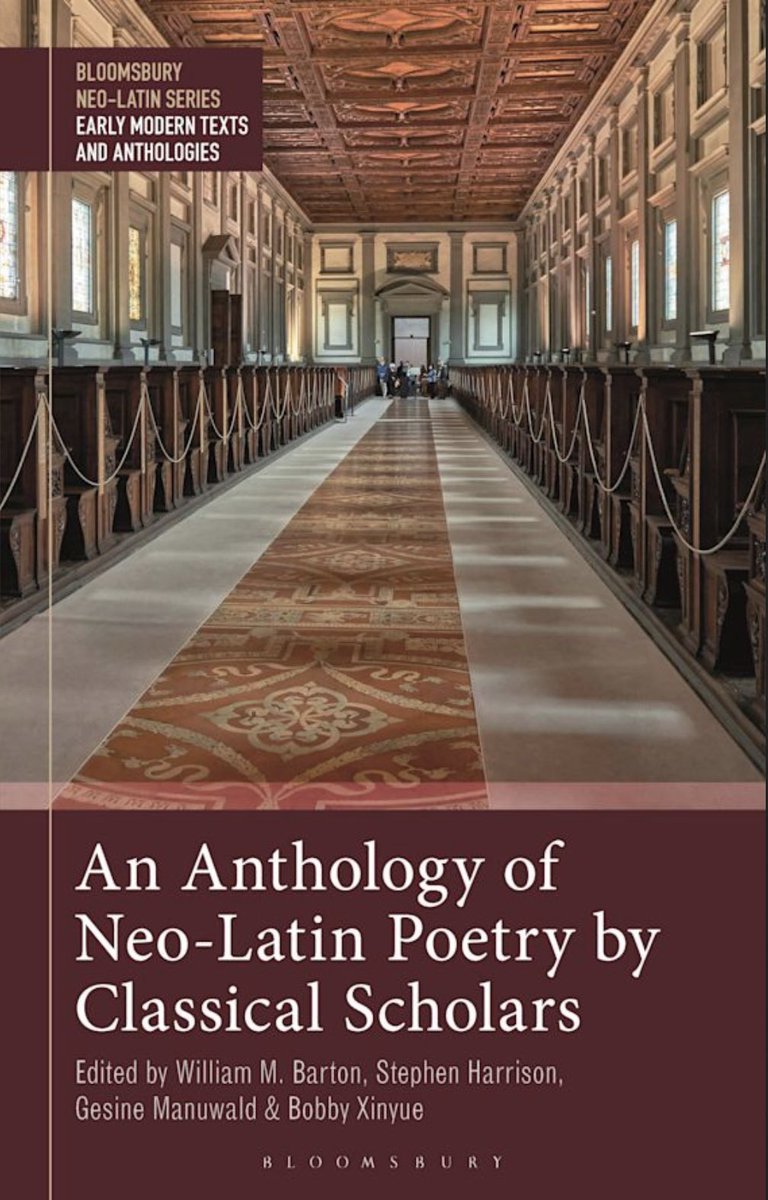
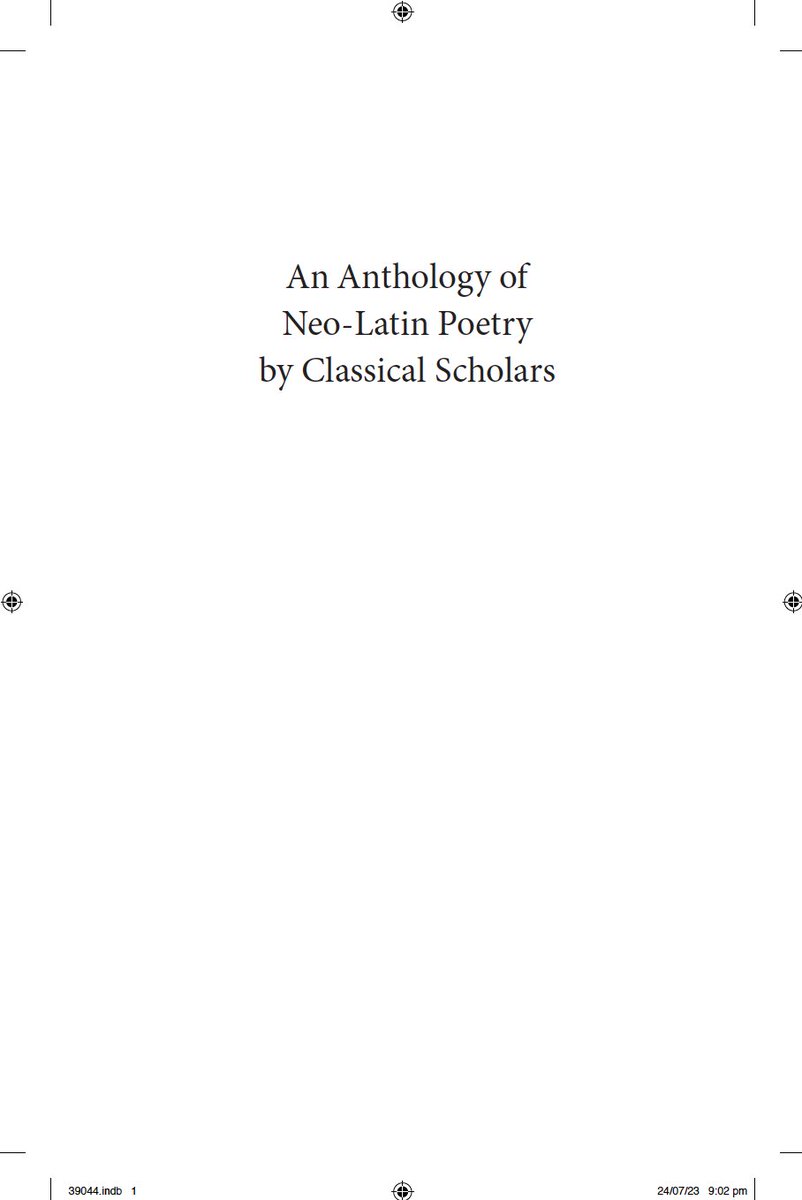
Onto the 2nd proofs today for the latest in the Bloomsbury Neo-Latin Series. The anthology presents poetry by renaissance & early modern #classicists (incl. Manuzio, Dorat & Scaliger!) revealing how song and scholarship blend. Out Jan ‘24: https://t.co/VxzvsVL2y6 @BloomsburyClass
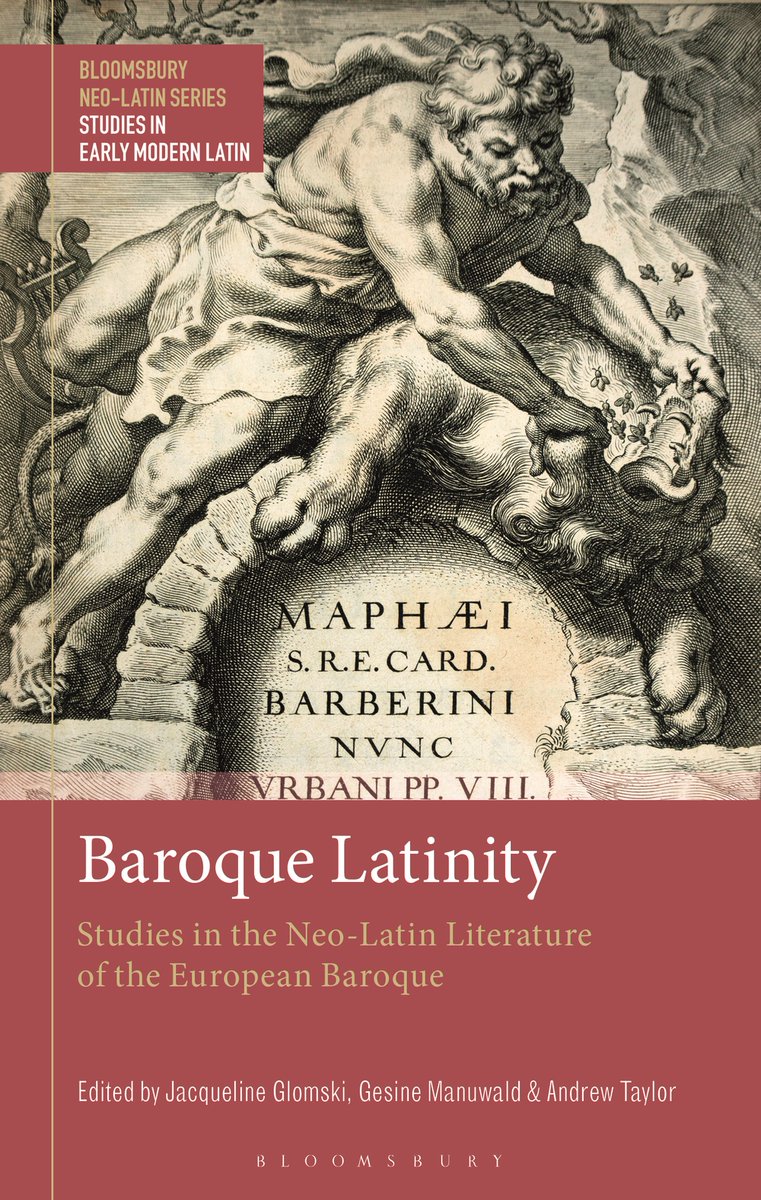
Mark your calendars! @the_IAS (Institute for Advanced Studies) is hosting a launch for Baroque Latinity by Jacqueline Glomski, Gesine Manuwald & Andrew Taylor
Wednesday 1st of Nov, 5:00 pm–7:00 pm
📅 https://t.co/yIPSagVJiH
📖 https://t.co/CKGp92VFu3
Applications for visiting fellowships to use @durham_uni libraries & archives in 2023-24 are now open: https://t.co/SwODhwbc2Y
We welcome applicants aiming to collaborate with members of #Classics & #AncientHistory: please do get in touch!
https://t.co/RIO6QZAJ4C
#AncMedTwitter
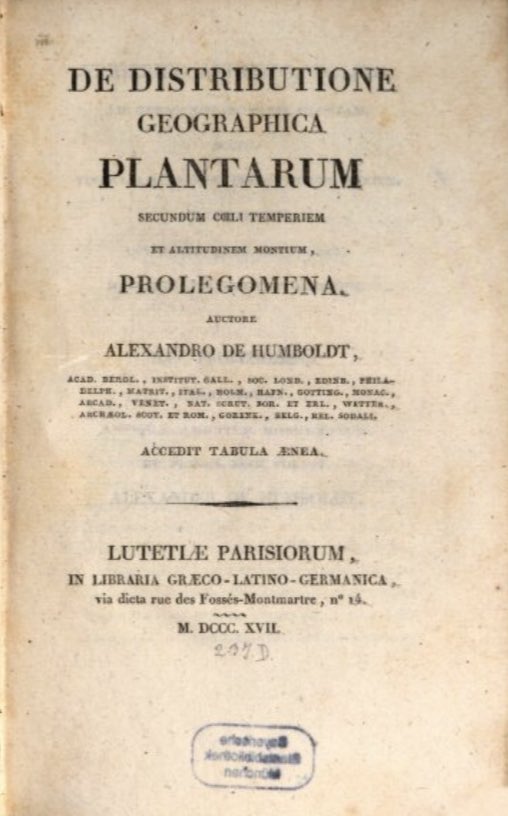
Writing today on Hase’s role in Alexander von Humboldt’s Latin publications. Hase provided lists of Latin vocabulary for his friend’s De distributione geographica plantarum (1817) and later translated a work. For a piece on Hase’s use of the classical languages in 19thc. #19Write
We are gearing up for our first @NeoLatinSociety Early Modern Latin walking tour next Sat!
If you see me and @SimonSmets13 gesticulating wildly in front of some Latin inscriptions in the City next weekend, give us a wave😅
Both tours are totally booked up but we hope to run more!
Lectoribus εὖ πράττειν!
Goed nieuws om de ochtend van een drukke 2-daagse mee te starten (IJsewijn Lecture & Laboratorium): ik ben zowaar 1 van de 5 laureaten van de Eos Pipet 2023! @eos_wetenschap
Stemmen geblazen, en delen maar!
#NieuwOudgrieks
https://t.co/awjTXs8eXu
*Final reminder* to apply for the LECTIO Visiting Scholars Program by 31 May!
Do you work on intellectual history? Legal history? Textual editions? Applying digital humanities methods on pre-modern material? Something else along the LECTIO lines? Come spend some time in Leuven!
❗️Please help us with public engagement! Me, @Sharon_neoLatin, @NeoLatinSociety, with a group of PhDs & ECRs, are putting together a (free!) walking tour: 'Early Modern Latin in London'.
Any suggestions for how to get the word out to communities / members of the public in London?
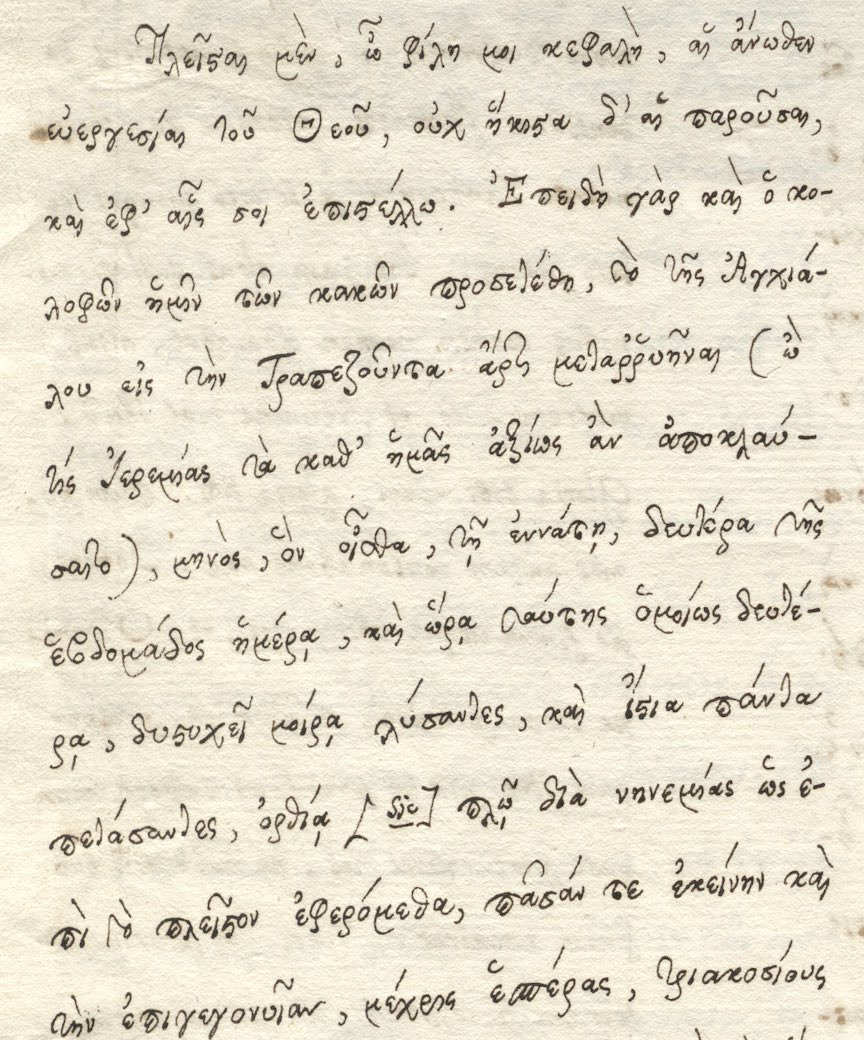
#19write work continues on a first description of Charles-Benoît Hase’s use of Ancient #Greek in his secret diaries. Putting pen to paper on the piece is revealing new insights on H.’s attitudes and activity as a philhellene during an early phase of the Greek ‘language question’.
A good time to remember Coleridge's Greek poem against the slave trade: a Sapphic ode in 24 quatrains, ‘Sors misera servorum in insulis Indiae occidentalis’ (Ode on The West-Indian Slave Trade).
https://t.co/ZeoBI967rJ
CS Lewis, in his inaugural, called the disappearance of Latin in the 20th century a greater loss of learning than was experienced in the post-Roman west of Late Antiquity.
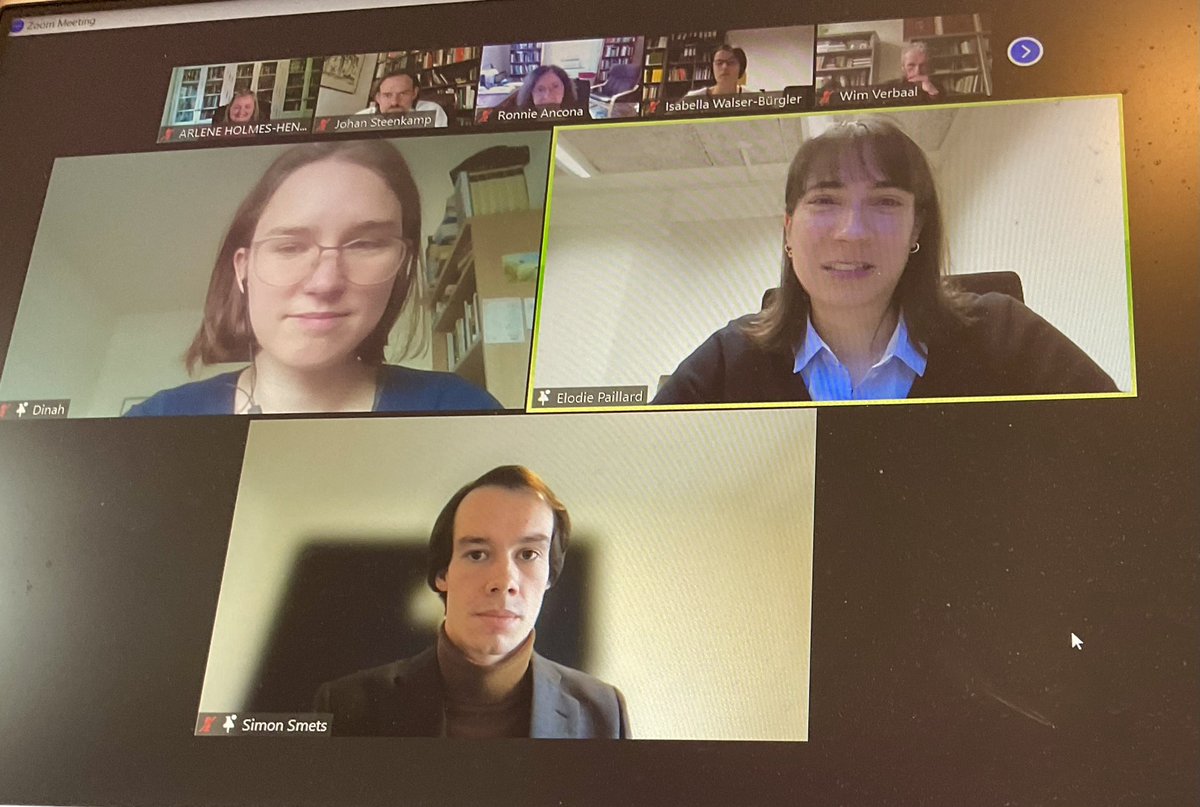
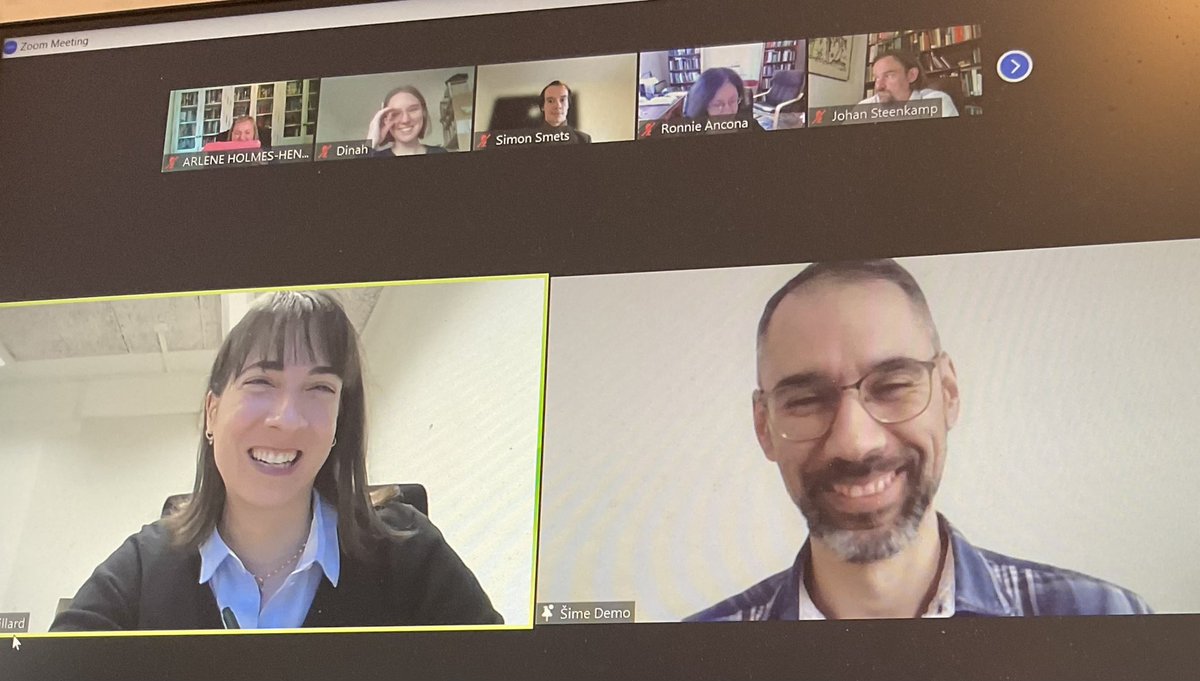
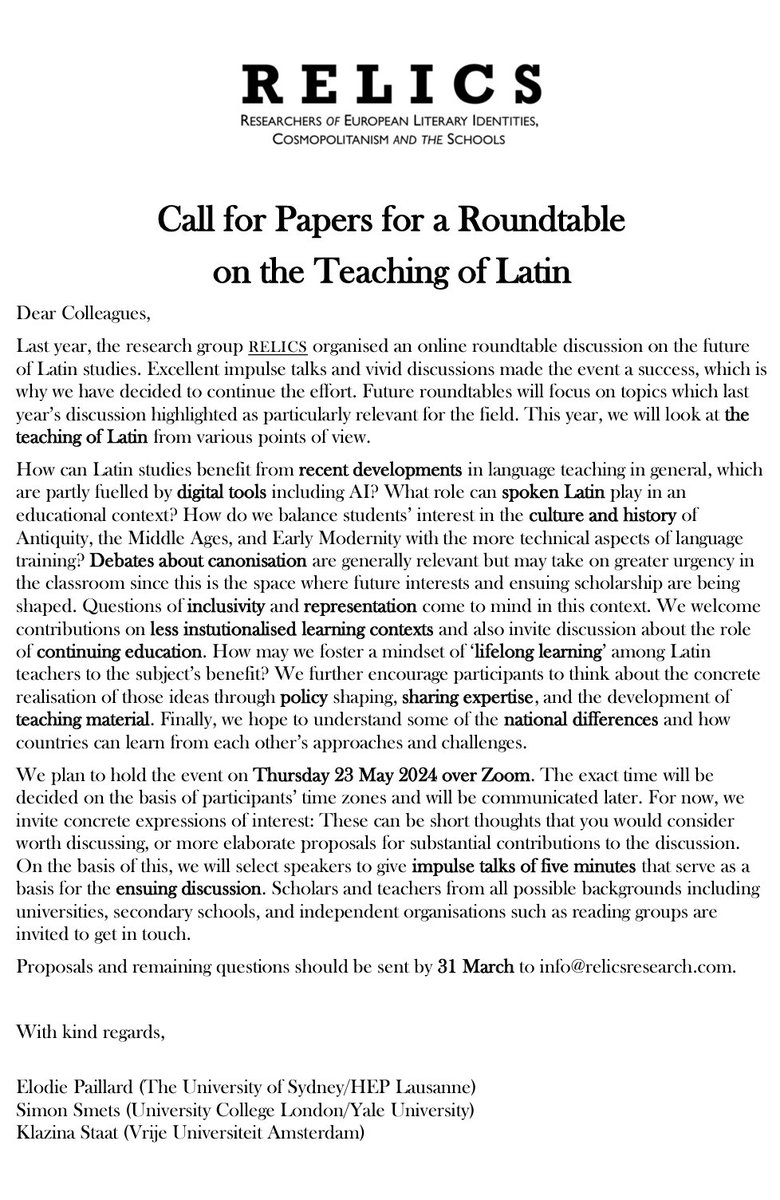
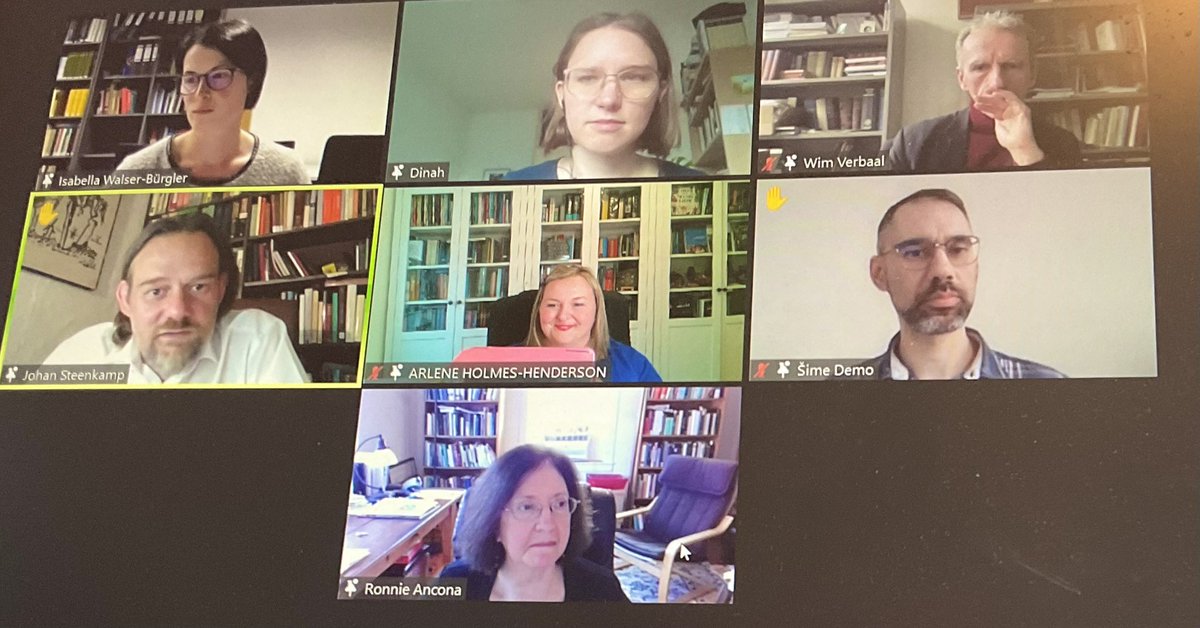
What a stimulating conversation! Thanks to @relics_research, my fellow panelists and to audience members. I hope that we can schedule a follow-up event as we have lots more to discuss (especially regarding how academics & schoolteachers can collaborate effectively).