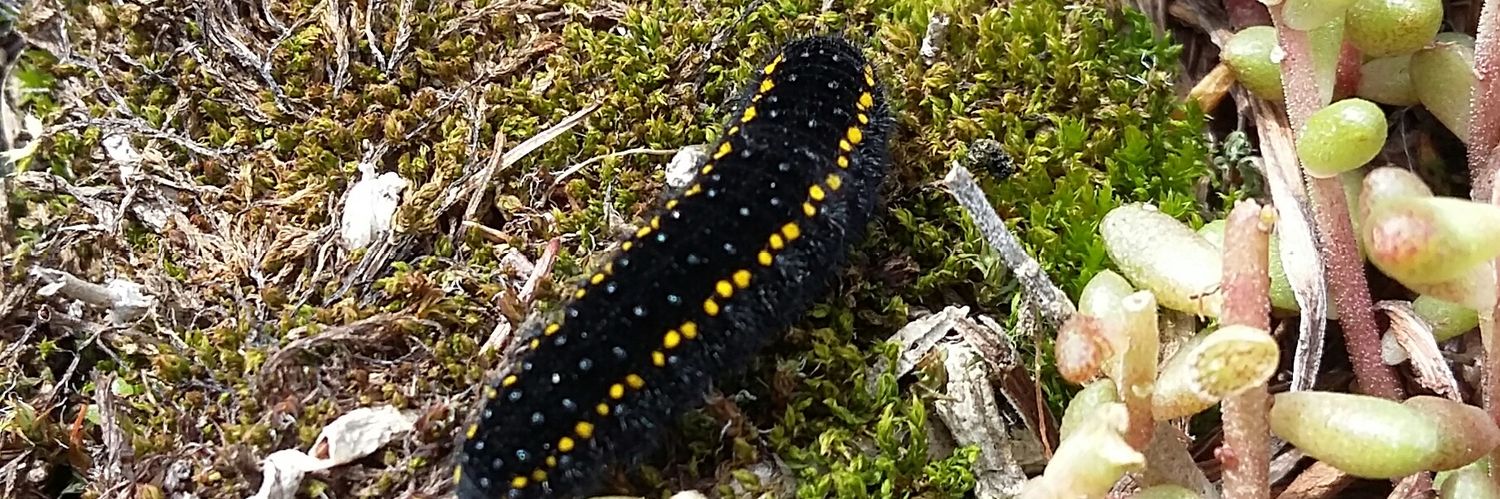
Che mondo sarebbe senza impollinatori?
Questi insetti così importanti stanno scomparendo a una velocità allarmante 🐝
Firma anche tu la petizione per aiutarci a salvarli e a proteggere la biodiversità, la nostra salute, il nostro futuro
🖌️https://t.co/aohyYT6l0R
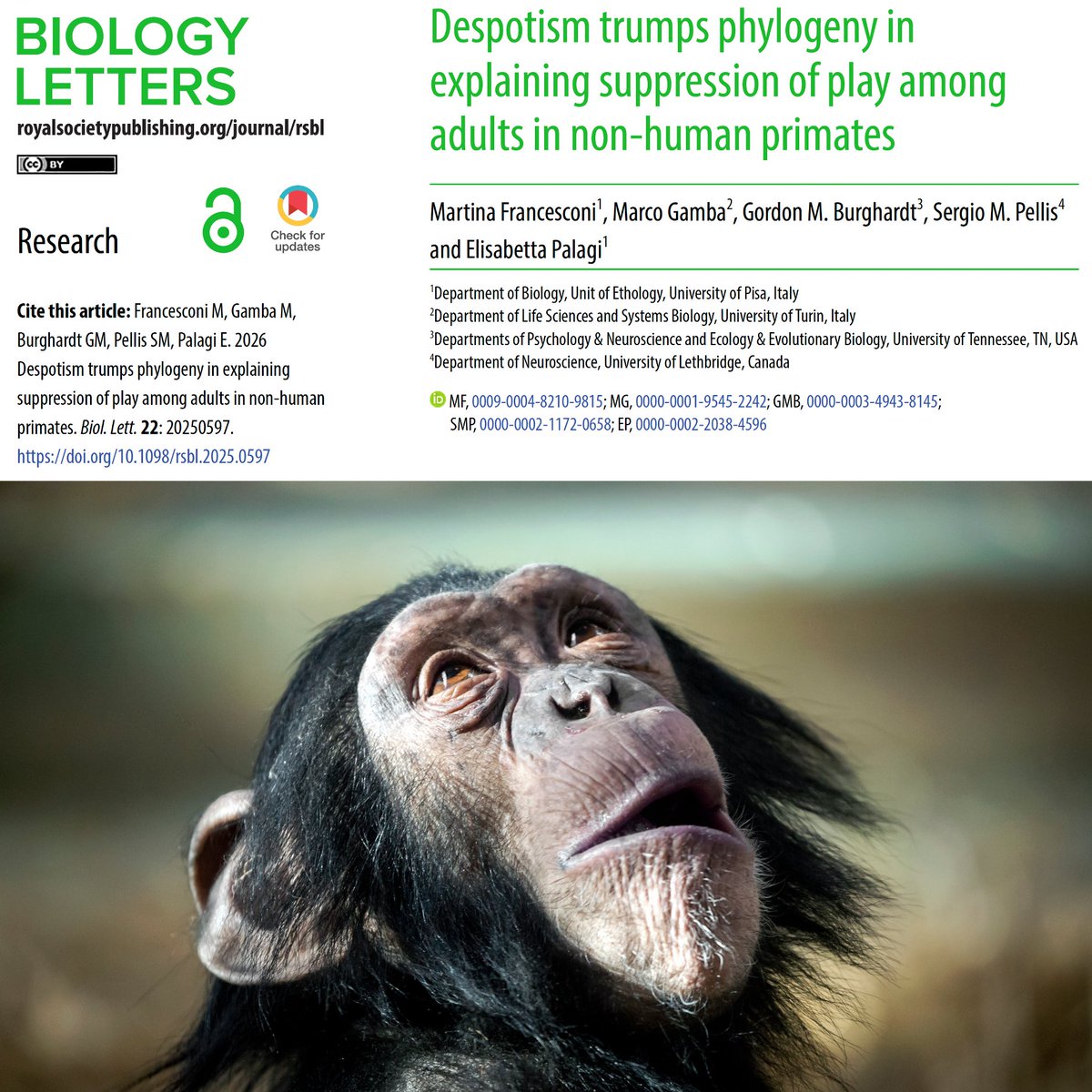
Come out and play! Why do some societies, human and non-human, embrace playfulness among adults, while others suppress it? It is a matter of "style". https://t.co/7Pw6Lfi3Uq
Progetto DOCET4AFRICA – selezionati i primi dottorandi alle Comore.
Il progetto DOCET4AFRICA (https://t.co/uLIUvUblJb), finanziato dall’Unione Europea nell’ambito di ERASMUS+ KA2 CBHE e coordinato dall’Università di Torino, raggiunge un nuovo importante traguardo
@unito
🎉📢 We are delighted to welcome California and Massachusetts as new Members to IUCN.
They are the first U.S. states to join the Union and are part of growing group of subnational governments.
https://t.co/6U8uWF04Bs @CalNatResources
📢 The latest European #RedList assessment has been launched. This document presents an updated regional evaluation of the conservation status of 420 most commonly used medicinal plant species across Europe.
Download: https://t.co/MwQ8XKIMPB
#WeAreSSC
Espectáculo puro en el Puente del Arzobispo, entre Extremadura y Castilla La Mancha.
El baile sincronizado de esta colonia de Avión común —posiblemente la más grande de la Península— es simplemente hipnótico.
🎥Enara ipurzuria - Delichon urbicum.
Sigue: 1/2 ⏬
Nearly six in ten native European freshwater fish species are of elevated #conservation concern, according to the most comprehensive assessment in over a decade.
Learn more from the updated European @IUCNRedList ➡️ https://t.co/C8MVIhqMMP
Dal 6 al 10 settembre, la @sibe_iseb organizza a #Firenze l’edizione 2026 del suo congresso nazionale. Un evento di riferimento per la comunità di biologi evoluzionisti e #ricercatori delle discipline affini.
We’re missing a global indicator to track insects. By analyzing thousands of butterfly populations, we highlight both promising signals and key challenges—showing why these taxa are strong candidates for building a Global Index to support conservation. https://t.co/fbXCIiOUff
The latest update of the IUCN Red List of Threatened Species™ reveals that more than half of bird species globally are in decline.
The most prevalent cause of bird population declines is habitat loss and degradation.
Learn what can be done https://t.co/G0z1gDXfdl
Nature loss is a systemic risk to economies and financial stability.
A new #IPBES report shows why policy, business and finance must work together to measure and manage impacts on nature.
Learn more 👉 https://t.co/lg8muyXLn0
@IPBES#IPBES12
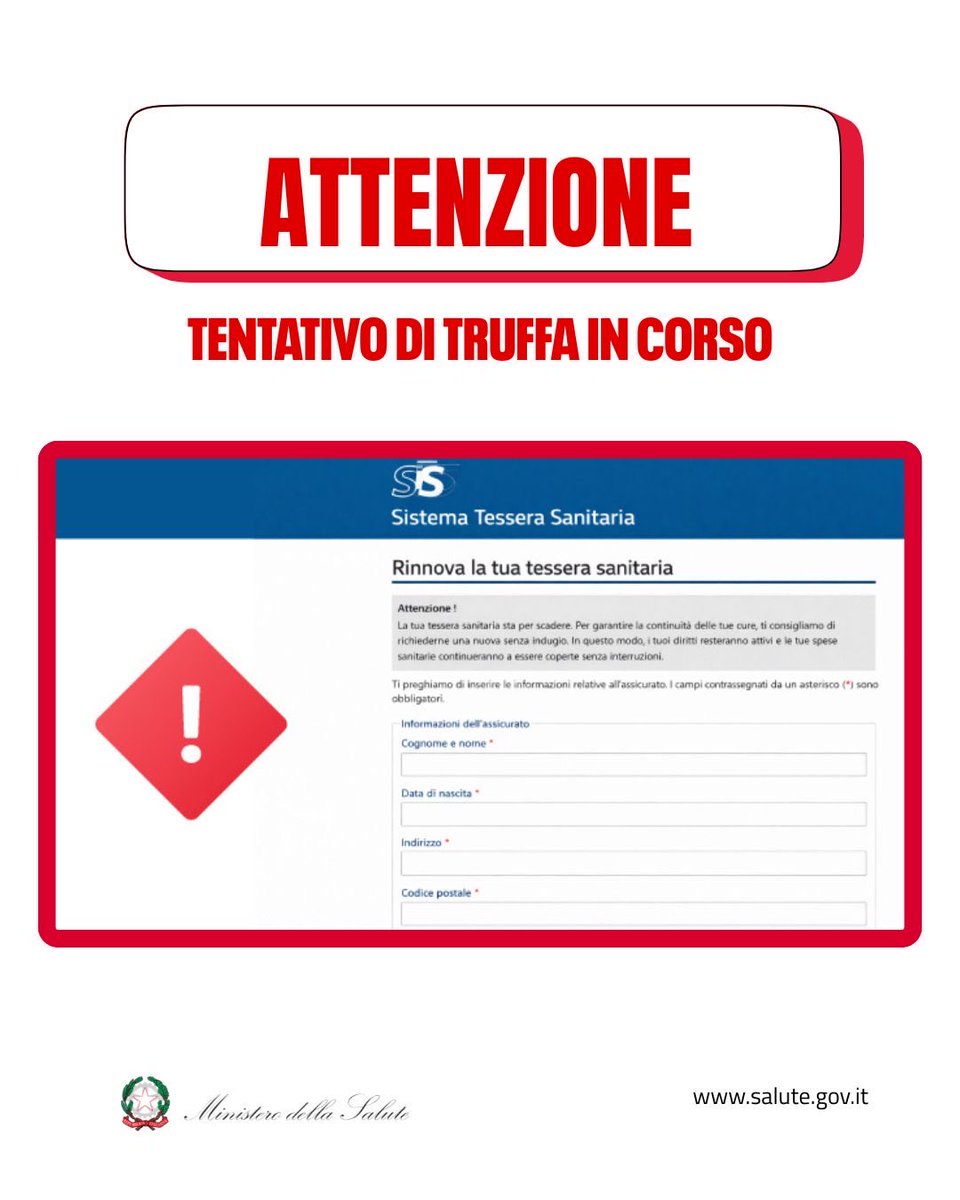
⚠️‼️ Attenzione: tentativo di truffa in corso
Stanno circolando false email a nome del Ministero della Salute, che mirano a ottenere dati personali e finanziari delle vittime con la scusa di rinnovare la tessera sanitaria.
ℹ️ Per informazioni corrette: https://t.co/TB9r2JaSH9.
🌿 Ecosystems are more than landscapes — they’re essential units of biodiversity that require careful, informed decision-making.
A new issue brief from the BEFoRE (Benefits from Restoration) project underscores the importance of understanding which ecosystems are present at a project site, along with their condition and risk status.
👉 Read more https://t.co/VEcfj8NjCC
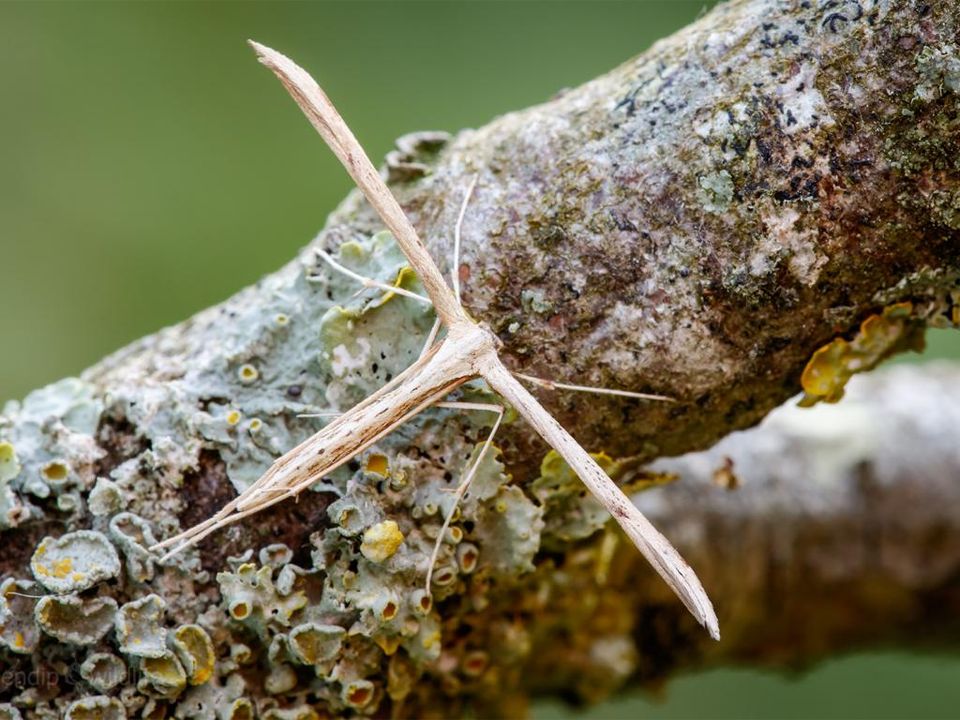
Moths come in all shapes and sizes and the unusual-looking Common Plume (Emmelina monodactyla) is a perfect example 🤩
They can often be found resting, with wings tightly rolled, on fence posts, walls, and even indoors.
📷: Heath McDonald
#MothMonday#MothsMatter
📢Did you know that natural World Heritage sites make up less than 1% of the Earth’s surface but protect over 20,000 globally threatened species?
We need enhanced efforts are needed to strengthen #ClimateAction at the site level, regionally and globally.
Our new Issues Brief explains what can be done ➡️ https://t.co/3LEEKwtboA
Freshwater landscapes are home to 10% of all known species on Earth but a recent IUCN co-authored study reveals 1/4 of freshwater animals at risk of #extinction.
It is the largest global assessment of freshwater animals on the @IUCNRedList to date.
https://t.co/rfjNJi2Aud