😜 Monday mood alert: Tilt your mug, reveal the hidden message. Coworkers see stripes - you see freedom. Caffeine + humor = instant upgrade.
☕ Grab yours and own the day: https://t.co/qd0X7d2LXG
In the dense forests of southern Småland, Sweden, a small cabin nearly disappears into the landscape. Known as a backstuga, or “hill cottage,” this type of home was a lifeline for Sweden’s poorest during the 17th and 18th centuries. Built partially into a hillside, these dwellings featured three wooden walls, with the hill itself forming the fourth. The roofs, covered with sod, merged with the surrounding earth, providing both insulation and camouflage.
These cottages were often just a single room, offering little more than the bare essentials for survival. Backstugas were particularly common in southern and southwestern Sweden, where wood was a luxury and practicality shaped every element of construction. While rare today, they stand as a reminder of a time when ingenuity met necessity in the face of hardship.
#drthehistories
Fun fact.
Earth's magnetic field was approximately twice as strong in Roman times as it is now.
We know this from studies of the magnetization of minerals in ancient clay pots.
This coffee shop uses AI to track the productivity of baristas and how much time customers are spending in the shop.
The NeuroSpot Barista Staff Control and Customer Monitoring Video Analytics Module, are tools designed to enhance the efficiency.


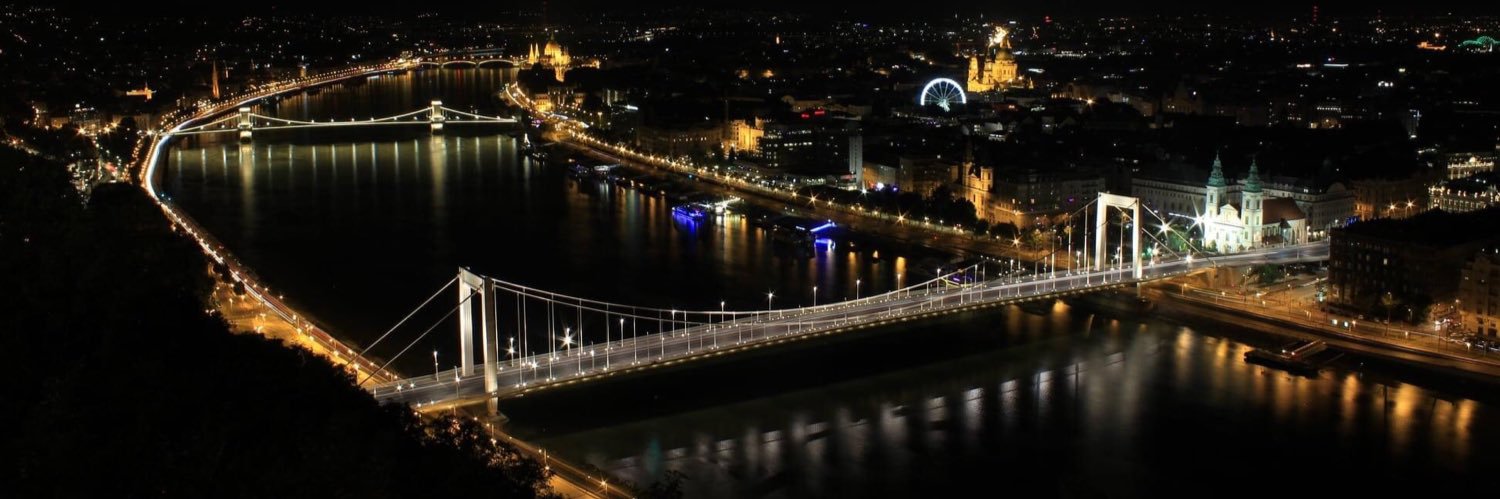


![Rainmaker1973's tweet photo. Where the city meets the Amazon rainforest.
[📍Manaus, Brazil] https://t.co/vfBqEUE0i9](https://pbs.twimg.com/media/GvQ4q23WYAEQLBs.jpg)
![Rainmaker1973's tweet photo. The complexity of the human brain and its functions in a neat infographic map
[zoomable version: https://t.co/4KyqZPbJ23] https://t.co/NyP7IcYeWz](https://pbs.twimg.com/media/GvKXMWUWAAAKDUB.jpg)