Un vétéran de 76 ans atteint d’un cancer de la prostate a pris de l’ivermectine pendant 8 semaines.
Selon le cas présenté :
📉 PSA : 12,6 → 5,3
📊 PET scan : aucune anomalie détectée
Une preuve définitive ? Non.
Une raison de poursuivre les recherches ? Absolument.
Vous recherchez de l’ivermectine, du fenbendazole ou du mébendazole ? Découvrez @RxMeds_store.
🚨 A 76-YEAR-OLD VETERAN WITH PROSTATE CANCER TOOK IVERMECTIN FOR 8 WEEKS. THEN CAME THE PET SCAN.
A doctor recently shared a case that immediately got people's attention.
The patient?
🇺🇸 A 76-year-old veteran.
The diagnosis?
📌 Gleason 7 prostate cancer.
For those unfamiliar, a Gleason score is one of the primary ways doctors grade the aggressiveness of prostate cancer.
According to the discussion, the veteran began taking:
💊 Ivermectin 12mg daily
For 8 weeks.
Then came the follow-up.
At 12 weeks, he underwent a specialized PET scan designed to detect abnormalities in the prostate.
What happened next surprised everyone in the conversation.
According to the doctor:
📊 The scan reportedly found no detectable abnormalities in the prostate.
But that wasn't the only result.
His PSA (Prostate Specific Antigen), one of the most commonly used markers for monitoring prostate cancer, reportedly changed from:
📉 12.6 → 5.3
The reaction from the host was immediate:
"That's amazing."
And it's easy to see why the case sparked discussion.
Stories like this are one reason interest in repurposed medicines continues to grow.
Not because of headlines.
Because of patient outcomes.
Because of case reports.
Because people are taking a closer look at compounds that have been around for decades.
Does a single case prove effectiveness?
No.
But cases like this often become the starting point for bigger conversations, further investigation, and future research.
That's why more people than ever are reading the studies, reviewing the data, and asking questions about Ivermectin.
Whether you're skeptical, curious, or somewhere in between, one thing is clear:
The conversation around Ivermectin and cancer research isn't going away.
💊 Looking for Ivermectin, Fenbendazole, or Mebendazole? Explore @RxMeds_store.
#Ivermectin #ProstateCancer #CancerResearch #Fenbendazole #RepurposedDrugs #CancerAwareness
🚨 Un veterano de 76 años con cáncer de próstata tomó ivermectina durante 8 semanas.
Según el caso compartido:
📉 PSA: 12.6 → 5.3
📊 PET scan: sin anomalías detectables
¿Prueba definitiva? No.
¿Razón para seguir investigando? Absolutamente.
🚨 A 76-YEAR-OLD VETERAN WITH PROSTATE CANCER TOOK IVERMECTIN FOR 8 WEEKS. THEN CAME THE PET SCAN.
A doctor recently shared a case that immediately got people's attention.
The patient?
🇺🇸 A 76-year-old veteran.
The diagnosis?
📌 Gleason 7 prostate cancer.
For those unfamiliar, a Gleason score is one of the primary ways doctors grade the aggressiveness of prostate cancer.
According to the discussion, the veteran began taking:
💊 Ivermectin 12mg daily
For 8 weeks.
Then came the follow-up.
At 12 weeks, he underwent a specialized PET scan designed to detect abnormalities in the prostate.
What happened next surprised everyone in the conversation.
According to the doctor:
📊 The scan reportedly found no detectable abnormalities in the prostate.
But that wasn't the only result.
His PSA (Prostate Specific Antigen), one of the most commonly used markers for monitoring prostate cancer, reportedly changed from:
📉 12.6 → 5.3
The reaction from the host was immediate:
"That's amazing."
And it's easy to see why the case sparked discussion.
Stories like this are one reason interest in repurposed medicines continues to grow.
Not because of headlines.
Because of patient outcomes.
Because of case reports.
Because people are taking a closer look at compounds that have been around for decades.
Does a single case prove effectiveness?
No.
But cases like this often become the starting point for bigger conversations, further investigation, and future research.
That's why more people than ever are reading the studies, reviewing the data, and asking questions about Ivermectin.
Whether you're skeptical, curious, or somewhere in between, one thing is clear:
The conversation around Ivermectin and cancer research isn't going away.
💊 Looking for Ivermectin, Fenbendazole, or Mebendazole? Explore @RxMeds_store.
#Ivermectin #ProstateCancer #CancerResearch #Fenbendazole #RepurposedDrugs #CancerAwareness
🚨 SHE TOOK IVERMECTIN FOR 20 DAYS. THE ONE CHANGE SHE DIDN'T EXPECT IS WHY PEOPLE ARE TALKING.
A woman recently shared her personal experience after taking Ivermectin for about 20 days.
Before anyone jumps to conclusions:
⚠️ This was not a cancer protocol.
⚠️ This was not medical advice.
⚠️ This was simply her personal experience.
According to her, she and her husband decided to try Ivermectin on its own as part of a maintenance routine.
No Fenbendazole.
No Mebendazole.
Just Ivermectin.
They paired it with:
💧 Lots of water
🌿 Milk Thistle
⚫ Activated Charcoal
🥗 Whole foods
🚫 No sugar during protocol periods
She described following a schedule of:
📌 5 days on
📌 5 days off
📌 5 days on
At first, she wasn't sure what to expect.
But she says the hardest part wasn't physical.
It was mental.
According to her, she experienced:
⚠️ Irritability
⚠️ Mood changes
⚠️ Feeling mentally drained
⚠️ Symptoms she described as "die-off" effects
Interestingly, her husband experienced a different reaction.
What affected her didn't affect him the same way.
And what affected him didn't affect her.
Which raises an important point:
People often report very different experiences.
But here's the part that caught people's attention.
After completing the protocol, she said:
🧠 Her brain fog felt significantly improved.
🧠 She felt mentally clearer than she had weeks earlier.
🧠 Overall, she felt better than before starting.
Her husband's biggest observation was different.
According to her, he reported seeing evidence of worms during the process.
Her biggest takeaway?
The improvement in mental clarity.
Whether you agree with these experiences or remain skeptical, stories like this continue spreading for one simple reason:
People are sharing what they notice.
They're comparing experiences.
They're asking questions.
And they're looking for answers beyond what they previously knew about Ivermectin.
That's why conversations around Ivermectin continue to generate millions of views online.
💊 Looking for Ivermectin? Explore @RxMeds_store.
#Ivermectin #BrainFog #Parasites #HealthResearch #WellnessJourney
🚨 DR. WILLIAM MAKIS' UPDATED CANCER PROTOCOL IS GETTING PEOPLE TALKING
Not because it includes a new breakthrough drug.
Because it relies heavily on two inexpensive, repurposed medicines that have been around for decades:
🔹 Ivermectin
🔹 Fenbendazole
According to Dr. Makis, the protocol uses different dosing tiers depending on cancer aggressiveness, disease burden, and patient response.
Key points from the protocol:
✅ Ivermectin often starts at 1 mg/kg daily
✅ Fenbendazole is commonly used 6 days per week
✅ Many patients combine both together
✅ Often paired with supportive nutrients and liver support
✅ Intended for long term use alongside ongoing monitoring
What's driving the interest?
Researchers have proposed that drugs like ivermectin and fenbendazole may target cancer metabolism, cancer stem cells, mitochondrial dysfunction, and treatment resistance pathways. These mechanisms continue to be investigated in laboratory and preclinical research.
The bigger question is:
If cancer is driven by more than genetics alone, should more attention be given to metabolism, mitochondria, and repurposed medicines?
That conversation is growing every day.
📌 Save this protocol chart for future reference.
🔁 Share this with someone researching alternative or adjunctive cancer approaches.
📩 Visit @PharmacyinUSA to access ivermectin, fenbendazole, mebendazole globally
🚨 WHY ARE THOUSANDS OF CANCER PATIENTS RESEARCHING DR. WILLIAM MAKIS' IVERMECTIN PROTOCOL?
A few years ago, almost nobody was talking about Ivermectin and cancer.
Today, one of the most talked-about repurposed medicine protocols in cancer circles comes from Dr. William Makis.
Why?
Because it brings together three things that continue to capture attention worldwide:
📌 Repurposed medicines
📌 Published research
📌 Real-world case reports
The chart above outlines dosing categories Dr. Makis has publicly discussed:
🟢 LOW DOSE (≤ 0.5 mg/kg)
Often discussed for:
• Cancers in remission
• Strong family history
• Genetic predisposition
🟡 MEDIUM DOSE (1.0 mg/kg)
Often discussed as a starting dose for many cancers.
🔵 HIGH DOSE (2.0 mg/kg)
Often discussed for aggressive cancers, including:
• Leukemia
• Pancreatic Cancer
• Brain Cancer
🔴 VERY HIGH DOSE (≥ 2.5 mg/kg)
Often discussed for:
• Extensive metastatic disease
• Advanced brain cancers
• Extremely poor prognosis cases
But what really gets people talking are the reported cases referenced in the chart.
📌 Dr. Tess Lawrie discussed a Stage 3 ovarian cancer case where CA125 reportedly fell from 288 to 22 after two months.
📌 Dr. Shankara Chetty discussed a prostate cancer patient whose PSA reportedly fell from 89.1 to 10.9 after two months.
📌 Dr. Allan Landnio discussed a Stage 4 gallbladder cancer patient who reportedly used 2.0 mg/kg/day for 14 months.
These are the kinds of reports that have thousands of patients digging deeper into the research.
Why are people paying attention?
Because Ivermectin wasn't originally developed as a cancer drug.
Yet researchers around the world have spent years investigating its potential effects on:
✅ Cancer stem cells
✅ Tumor metabolism
✅ Cell signaling pathways
✅ Drug resistance mechanisms
✅ Immune system regulation
Supporters point to:
✔️ Decades of use
✔️ A long safety history
✔️ Low cost
✔️ A growing body of published research
Critics argue that larger human clinical trials are still needed.
But regardless of where someone stands, one thing is clear:
People aren't just reading headlines anymore.
They're reading studies.
They're reviewing protocols.
They're comparing outcomes.
And they're asking questions.
Whether you agree with it or not, interest in repurposed medicines is growing rapidly.
That's why Dr. William Makis' Ivermectin protocol continues to be shared across cancer communities worldwide.
💊 Looking for Ivermectin, Fenbendazole, or Mebendazole? Explore @RxMeds_store.
⚠️ Always consult a qualified healthcare professional before making treatment decisions.
#Ivermectin #WilliamMakis #CancerResearch #CancerProtocol #RepurposedDrugs
🚨 A 76-YEAR-OLD VETERAN WITH PROSTATE CANCER TOOK IVERMECTIN FOR 8 WEEKS. THEN CAME THE PET SCAN.
A doctor recently shared a case that immediately got people's attention.
The patient?
🇺🇸 A 76-year-old veteran.
The diagnosis?
📌 Gleason 7 prostate cancer.
For those unfamiliar, a Gleason score is one of the primary ways doctors grade the aggressiveness of prostate cancer.
According to the discussion, the veteran began taking:
💊 Ivermectin 12mg daily
For 8 weeks.
Then came the follow-up.
At 12 weeks, he underwent a specialized PET scan designed to detect abnormalities in the prostate.
What happened next surprised everyone in the conversation.
According to the doctor:
📊 The scan reportedly found no detectable abnormalities in the prostate.
But that wasn't the only result.
His PSA (Prostate Specific Antigen), one of the most commonly used markers for monitoring prostate cancer, reportedly changed from:
📉 12.6 → 5.3
The reaction from the host was immediate:
"That's amazing."
And it's easy to see why the case sparked discussion.
Stories like this are one reason interest in repurposed medicines continues to grow.
Not because of headlines.
Because of patient outcomes.
Because of case reports.
Because people are taking a closer look at compounds that have been around for decades.
Does a single case prove effectiveness?
No.
But cases like this often become the starting point for bigger conversations, further investigation, and future research.
That's why more people than ever are reading the studies, reviewing the data, and asking questions about Ivermectin.
Whether you're skeptical, curious, or somewhere in between, one thing is clear:
The conversation around Ivermectin and cancer research isn't going away.
💊 Looking for Ivermectin, Fenbendazole, or Mebendazole? Explore @RxMeds_store.
#Ivermectin #ProstateCancer #CancerResearch #Fenbendazole #RepurposedDrugs #CancerAwareness
🚨 WHY ARE THOUSANDS OF CANCER PATIENTS RESEARCHING DR. WILLIAM MAKIS' IVERMECTIN PROTOCOL?
A few years ago, almost nobody was talking about Ivermectin and cancer.
Today, one of the most talked-about repurposed medicine protocols in cancer circles comes from Dr. William Makis.
Why?
Because it brings together three things that continue to capture attention worldwide:
📌 Repurposed medicines
📌 Published research
📌 Real-world case reports
The chart above outlines dosing categories Dr. Makis has publicly discussed:
🟢 LOW DOSE (≤ 0.5 mg/kg)
Often discussed for:
• Cancers in remission
• Strong family history
• Genetic predisposition
🟡 MEDIUM DOSE (1.0 mg/kg)
Often discussed as a starting dose for many cancers.
🔵 HIGH DOSE (2.0 mg/kg)
Often discussed for aggressive cancers, including:
• Leukemia
• Pancreatic Cancer
• Brain Cancer
🔴 VERY HIGH DOSE (≥ 2.5 mg/kg)
Often discussed for:
• Extensive metastatic disease
• Advanced brain cancers
• Extremely poor prognosis cases
But what really gets people talking are the reported cases referenced in the chart.
📌 Dr. Tess Lawrie discussed a Stage 3 ovarian cancer case where CA125 reportedly fell from 288 to 22 after two months.
📌 Dr. Shankara Chetty discussed a prostate cancer patient whose PSA reportedly fell from 89.1 to 10.9 after two months.
📌 Dr. Allan Landnio discussed a Stage 4 gallbladder cancer patient who reportedly used 2.0 mg/kg/day for 14 months.
These are the kinds of reports that have thousands of patients digging deeper into the research.
Why are people paying attention?
Because Ivermectin wasn't originally developed as a cancer drug.
Yet researchers around the world have spent years investigating its potential effects on:
✅ Cancer stem cells
✅ Tumor metabolism
✅ Cell signaling pathways
✅ Drug resistance mechanisms
✅ Immune system regulation
Supporters point to:
✔️ Decades of use
✔️ A long safety history
✔️ Low cost
✔️ A growing body of published research
Critics argue that larger human clinical trials are still needed.
But regardless of where someone stands, one thing is clear:
People aren't just reading headlines anymore.
They're reading studies.
They're reviewing protocols.
They're comparing outcomes.
And they're asking questions.
Whether you agree with it or not, interest in repurposed medicines is growing rapidly.
That's why Dr. William Makis' Ivermectin protocol continues to be shared across cancer communities worldwide.
💊 Looking for Ivermectin, Fenbendazole, or Mebendazole? Explore @RxMeds_store.
⚠️ Always consult a qualified healthcare professional before making treatment decisions.
#Ivermectin #WilliamMakis #CancerResearch #CancerProtocol #RepurposedDrugs
🚨 WHY ARE SO MANY PEOPLE LOOKING INTO IVERMECTIN AND FENBENDAZOLE FOR CANCER?
A few years ago, hardly anyone was talking about Ivermectin, Fenbendazole, or Mebendazole in cancer discussions.
Today?
Millions of views.
Thousands of testimonials.
Hundreds of published papers.
And a growing number of doctors, researchers, and patients asking the same question:
What if some of the most interesting compounds in cancer research aren't new drugs at all?
The protocol shown above combines several of the most frequently discussed repurposed medicines and supportive strategies, including:
💊 Ivermectin
💊 Fenbendazole (or Mebendazole)
💊 Curcumin
💊 Modified Citrus Pectin
🌿 Black Seed Oil
🌿 Berberine
🌿 Olive Leaf Extract
☀️ Vitamin D3 + K2
🍄 Turkey Tail Mushroom
🥗 Dietary and fasting strategies
Why are people paying attention?
Because researchers have been investigating how these compounds may interact with:
✅ Cancer metabolism
✅ Cellular signaling pathways
✅ Inflammation
✅ Immune function
✅ Tumor growth mechanisms
Unlike many conventional discussions that focus on a single drug, these protocols take a multi-target approach.
The idea is simple:
• Target multiple pathways.
• Support overall metabolic health.
• Create an environment that may be less favorable for cancer growth.
Whether you're skeptical, curious, or actively researching, one thing is undeniable:
Interest in repurposed medicines is growing rapidly.
People are reading studies.
They're reviewing case reports.
They're comparing protocols.
And they're asking questions that weren't being asked a decade ago.
That's why Ivermectin, Fenbendazole, and Mebendazole continue to be among the most discussed repurposed compounds in the cancer space.
💊 Looking for Ivermectin, Fenbendazole, or Mebendazole? Explore @RxMeds_store.
#Ivermectin #Fenbendazole #Mebendazole #CancerResearch #CancerProtocol #RepurposedDrugs #IntegrativeMedicine
🚨 IVERMECTIN PILLS VS. LIQUID VS. PASTE: WHAT'S THE REAL DIFFERENCE?
Most people assume Ivermectin is Ivermectin.
Pill.
Liquid.
Paste.
Same thing, right?
Not exactly.
The active ingredient is the same:
💊 Ivermectin
But the formulation, dosing accuracy, and added ingredients can be very different.
And that's why experienced users often have a preference.
🥇 PILLS
When available, tablets are generally considered the gold standard.
Why?
✅ Pharmaceutical-grade manufacturing
✅ Precise dosing
✅ Consistent formulation
✅ Easy to track and measure
No guesswork.
No complicated calculations.
Just straightforward dosing.
That's why tablets are often the first choice.
🥈 LIQUID
Liquid Ivermectin is another option that many people use successfully.
Most liquid formulations are mixed with carriers such as:
• Propylene Glycol
• Glycerin
Supporters often prefer liquids because:
✅ Easy to adjust dosage
✅ Flexible for weight-based protocols
✅ Precise measurement when concentration is known
The key?
Know the concentration before measuring.
Many liquid formulations are commonly sold at 1%.
🥉 PASTE
This is the version that made headlines.
Yes, it contains the same active ingredient.
But paste formulations often include flavorings, fillers, and other inactive ingredients.
That creates one major challenge:
⚠️ Dosing accuracy
According to the discussion:
• Measuring can be more difficult
• Mistakes are easier to make
• It's generally viewed as a last-resort option when other forms aren't available
So what's the takeaway?
The active ingredient doesn't change.
The delivery method does.
And when dosing matters, formulation matters.
That's why more people are researching the differences before choosing pills, liquids, or paste.
Because making informed decisions starts with understanding what you're actually using.
💊 Looking for Ivermectin options? Explore @RxMeds_store.
#Ivermectin #IvermectinTablets #MedicalEducation #HealthResearch #RepurposedMedicine #RxMeds
🚨 WHY ARE THOUSANDS OF PEOPLE COMBINING IVERMECTIN AND MEBENDAZOLE?
For years, most people only associated these medicines with one thing:
📌 Parasites.
Today, a growing number of people are researching them for a different reason.
A simple two-drug protocol that has been generating a lot of discussion in parasite research communities.
In a recent discussion, one practitioner described Ivermectin + Mebendazole as one of the simplest antiparasitic combinations to start with.
The strategy wasn't complicated.
Start low.
See how your body responds.
Then gradually increase.
The protocol discussed began with:
💊 Ivermectin: 6mg twice daily
💊 Mebendazole: 100mg twice daily
These were described as very low starting doses.
Then, if well tolerated, the goal was to gradually work toward:
📈 Ivermectin: 12mg three times daily
📈 Mebendazole: 500mg three times daily
Why are people paying attention to this combination?
Because supporters believe different antiparasitic compounds may work through different mechanisms and may help address a broader range of parasites, including worms that can form cysts and become more difficult to eliminate.
One point that caught many people's attention:
Unlike antibiotics, these compounds were described as not being associated with the same concerns about disrupting the gut microbiome.
That's one reason conversations around parasite protocols have exploded in recent years.
People are asking questions.
They're comparing experiences.
They're reading studies.
And they're taking a closer look at topics that were rarely discussed in mainstream health conversations just a few years ago.
Whether you're researching parasites, exploring protocol discussions, or simply trying to understand why interest keeps growing, one thing is clear:
The conversation around Ivermectin and Mebendazole is getting bigger, not smaller.
💊 Looking for Ivermectin or Mebendazole? Explore @RxMeds_store.
#Ivermectin #Mebendazole #Parasites #ParasiteResearch #ParasiteCleanse
🚨 IVERMECTIN PILLS VS. LIQUID VS. PASTE: WHAT'S THE REAL DIFFERENCE?
Most people assume Ivermectin is Ivermectin.
Pill.
Liquid.
Paste.
Same thing, right?
Not exactly.
The active ingredient is the same:
💊 Ivermectin
But the formulation, dosing accuracy, and added ingredients can be very different.
And that's why experienced users often have a preference.
🥇 PILLS
When available, tablets are generally considered the gold standard.
Why?
✅ Pharmaceutical-grade manufacturing
✅ Precise dosing
✅ Consistent formulation
✅ Easy to track and measure
No guesswork.
No complicated calculations.
Just straightforward dosing.
That's why tablets are often the first choice.
🥈 LIQUID
Liquid Ivermectin is another option that many people use successfully.
Most liquid formulations are mixed with carriers such as:
• Propylene Glycol
• Glycerin
Supporters often prefer liquids because:
✅ Easy to adjust dosage
✅ Flexible for weight-based protocols
✅ Precise measurement when concentration is known
The key?
Know the concentration before measuring.
Many liquid formulations are commonly sold at 1%.
🥉 PASTE
This is the version that made headlines.
Yes, it contains the same active ingredient.
But paste formulations often include flavorings, fillers, and other inactive ingredients.
That creates one major challenge:
⚠️ Dosing accuracy
According to the discussion:
• Measuring can be more difficult
• Mistakes are easier to make
• It's generally viewed as a last-resort option when other forms aren't available
So what's the takeaway?
The active ingredient doesn't change.
The delivery method does.
And when dosing matters, formulation matters.
That's why more people are researching the differences before choosing pills, liquids, or paste.
Because making informed decisions starts with understanding what you're actually using.
💊 Looking for Ivermectin options? Explore @RxMeds_store.
#Ivermectin #IvermectinTablets #MedicalEducation #HealthResearch #RepurposedMedicine #RxMeds
🚨 WHY ARE SO MANY PEOPLE LOOKING INTO IVERMECTIN AND FENBENDAZOLE FOR CANCER?
A few years ago, hardly anyone was talking about Ivermectin, Fenbendazole, or Mebendazole in cancer discussions.
Today?
Millions of views.
Thousands of testimonials.
Hundreds of published papers.
And a growing number of doctors, researchers, and patients asking the same question:
What if some of the most interesting compounds in cancer research aren't new drugs at all?
The protocol shown above combines several of the most frequently discussed repurposed medicines and supportive strategies, including:
💊 Ivermectin
💊 Fenbendazole (or Mebendazole)
💊 Curcumin
💊 Modified Citrus Pectin
🌿 Black Seed Oil
🌿 Berberine
🌿 Olive Leaf Extract
☀️ Vitamin D3 + K2
🍄 Turkey Tail Mushroom
🥗 Dietary and fasting strategies
Why are people paying attention?
Because researchers have been investigating how these compounds may interact with:
✅ Cancer metabolism
✅ Cellular signaling pathways
✅ Inflammation
✅ Immune function
✅ Tumor growth mechanisms
Unlike many conventional discussions that focus on a single drug, these protocols take a multi-target approach.
The idea is simple:
• Target multiple pathways.
• Support overall metabolic health.
• Create an environment that may be less favorable for cancer growth.
Whether you're skeptical, curious, or actively researching, one thing is undeniable:
Interest in repurposed medicines is growing rapidly.
People are reading studies.
They're reviewing case reports.
They're comparing protocols.
And they're asking questions that weren't being asked a decade ago.
That's why Ivermectin, Fenbendazole, and Mebendazole continue to be among the most discussed repurposed compounds in the cancer space.
💊 Looking for Ivermectin, Fenbendazole, or Mebendazole? Explore @RxMeds_store.
#Ivermectin #Fenbendazole #Mebendazole #CancerResearch #CancerProtocol #RepurposedDrugs #IntegrativeMedicine
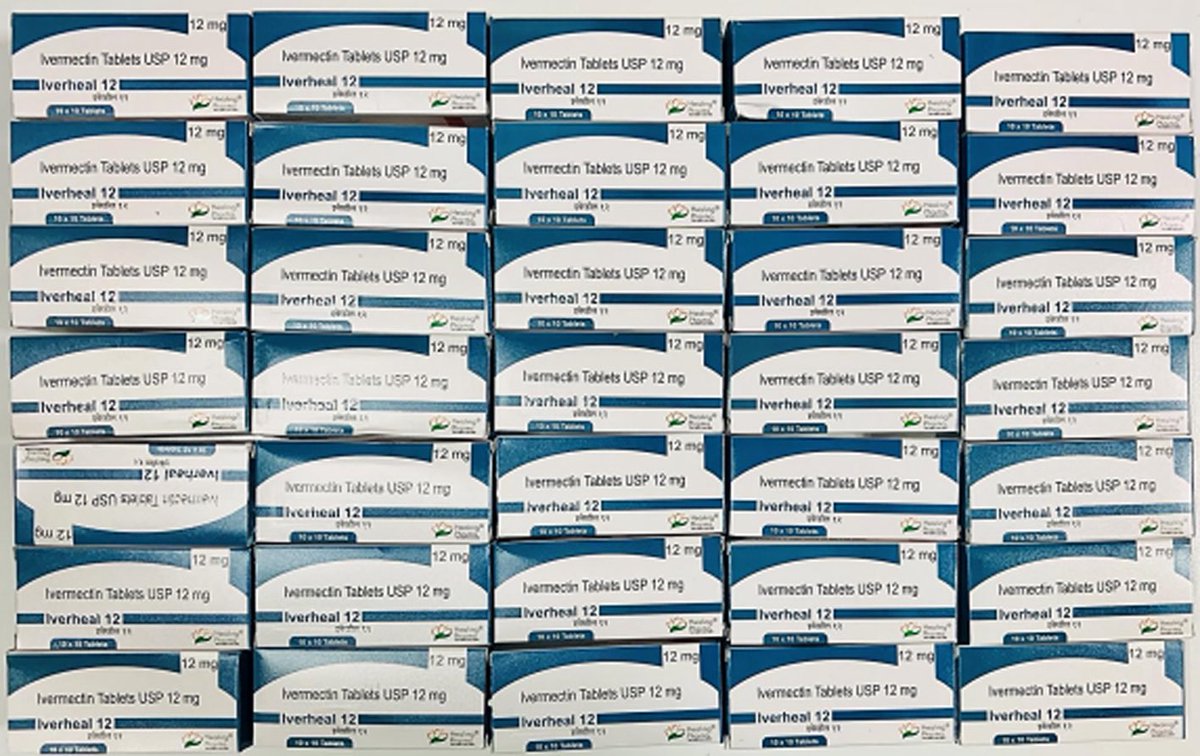
📦💊 Another shipment packed and on the move.
From a few boxes to bulk orders, demand for Ivermectin continues to grow as more people seek trusted and affordable access worldwide.
✅ Quality sourced products
✅ Secure packaging
✅ Worldwide delivery
Looking for Ivermectin, Fenbendazole, or Mebendazole?
🌍 Available through @RxMeds_store
#Ivermectin #Fenbendazole #Mebendazole #RxMedsStore #WorldwideShipping #HealthFreedom
🚨 PAUL MARIK ASKED AI ABOUT IVERMECTIN AND CANCER STEM CELLS. THE ANSWER SPARKED A BIG DEBATE.
What if one of the most important targets in cancer isn't the tumor itself...
But the cells hiding behind it?
The cells believed to survive treatment.
The cells that may help tumors return years later.
The cells researchers call:
📌 Cancer Stem Cells
In a discussion with Dr. Paul Marik explained that AI was asked to evaluate compounds based on:
✅ Tumor targeting
✅ Cancer stem cell targeting
✅ Safety
The ranking came back as:
🥇 Ivermectin
🥈 Mebendazole
🥉 Fenbendazole
🏅 Curcumin
Why is that getting so much attention?
Because cancer stem cells are believed by many researchers to be one of the biggest challenges in oncology.
Traditional treatments may destroy large numbers of tumor cells.
But if cancer stem cells survive, they may contribute to recurrence, metastasis, and treatment resistance.
According to Dr. Marik, one reason Ivermectin ranked so highly was its potential activity against both cancer cells and cancer stem cells.
Mebendazole and Fenbendazole also ranked near the top, while Curcumin remained one of the most researched natural compounds in this area.
Here's what makes the ranking so controversial:
None of these compounds were originally developed as cancer drugs.
Yet researchers around the world have published hundreds of studies investigating how Ivermectin, Mebendazole, and Fenbendazole interact with pathways involved in cancer growth, metabolism, survival, and stem cell biology.
That's why the conversation keeps growing.
Not because of headlines.
Not because of social media.
Because researchers keep publishing studies.
Doctors keep asking questions.
And patients keep looking for answers.
Whether you agree with the conclusions or not, one thing is clear:
When AI was asked to rank compounds for tumor targeting, cancer stem cell targeting, and safety...
Ivermectin came out on top.
And that's exactly why this discussion isn't going away anytime soon.
💊 Looking for Ivermectin, Fenbendazole, or Mebendazole? Explore @RxMeds_store
#Ivermectin #CancerStemCells #CancerResearch #Mebendazole #Fenbendazole #PaulMarik #RxMeds
🚨 THEY SAID THE CANCER DRUG COSTS $100,000. SO WHY ARE PEOPLE RESEARCHING A $5 DEWORMER?
A growing number of researchers have been investigating compounds like Fenbendazole and Ivermectin for something few people ever hear about:
Their potential effects on cancer cells.
The theory is simple.
Cancer cells divide relentlessly.
Certain antiparasitic compounds were originally designed to disrupt critical cellular structures that parasites rely on to survive and reproduce.
Researchers have spent years studying whether some of those same mechanisms could affect cancer cells as well.
🔬 Studies have explored:
• Effects of Fenbendazole on cellular structures involved in cancer growth
• Effects OF Ivermectin on signaling pathways linked to tumor biology
• Potential impacts on cancer stem cells, the cells believed to help tumors return after treatment
• Metabolic pathways that tumors use as fuel
What's driving the conversation isn't social media.
It's the growing number of laboratory studies, animal studies, published papers, and patient stories that continue to emerge.
Supporters argue that because these compounds are inexpensive, off patent, and widely available, they receive far less attention than high profit treatments.
Critics point out that more large scale human clinical trials are still needed.
Either way, one thing is undeniable:
More people are reading the research.
More people are questioning old assumptions.
And more people are asking why some of the most discussed compounds in cancer research aren't household names.
That's why interest in Ivermectin, Fenbendazole, and Mebendazole continues to grow around the world.
💊 Looking for Ivermectin, Fenbendazole, or Mebendazole? Explore @RxMeds_store.
Credit: Dr Eric Berg
#Ivermectin #Fenbendazole #Mebendazole #CancerResearch #RepurposedDrugs #OncologyResearch