A global leading company focused on improving how scientists utilize knowledge & data to predict the properties/outcomes of pharmaceutical & biotech agents.
AI can accelerate drug discovery, but scientific rigor remains essential.
Join Peter Kilford at the AI Drug Discovery & Development Summit, Oct. 27–29 in Boston, to explore AI and scientific modeling.
Schedule a meeting: https://t.co/b2CjfFudr4
Heading to #RedIF2026 in Santiago, Chile? Join Máximo Pettarin and Sandra Suárez-Sharp, Nov. 2–3, for hands-on PBBM–PBPK modeling with GastroPlus®. Plus, don't miss Amparo de la Peña's course during the congress!
Learn more: https://t.co/lFDFdSuZTa: https://t.co/hIGH3GMpcH
You don't have to blindly trust an AI agent to use it.
Before using AI in your #MIDD workflows, can you verify its results, inspect its actions, and stay in control?
Learn how Composer addresses these questions: https://t.co/RTI2pRETLv
The wait is over. Composer is here!
Spend less time on software management, manual scripting, and data wrangling. Let Composer orchestrate your MIDD workflows so you can focus on the science.
Request your four-week evaluation license: https://t.co/jVGftGaL35
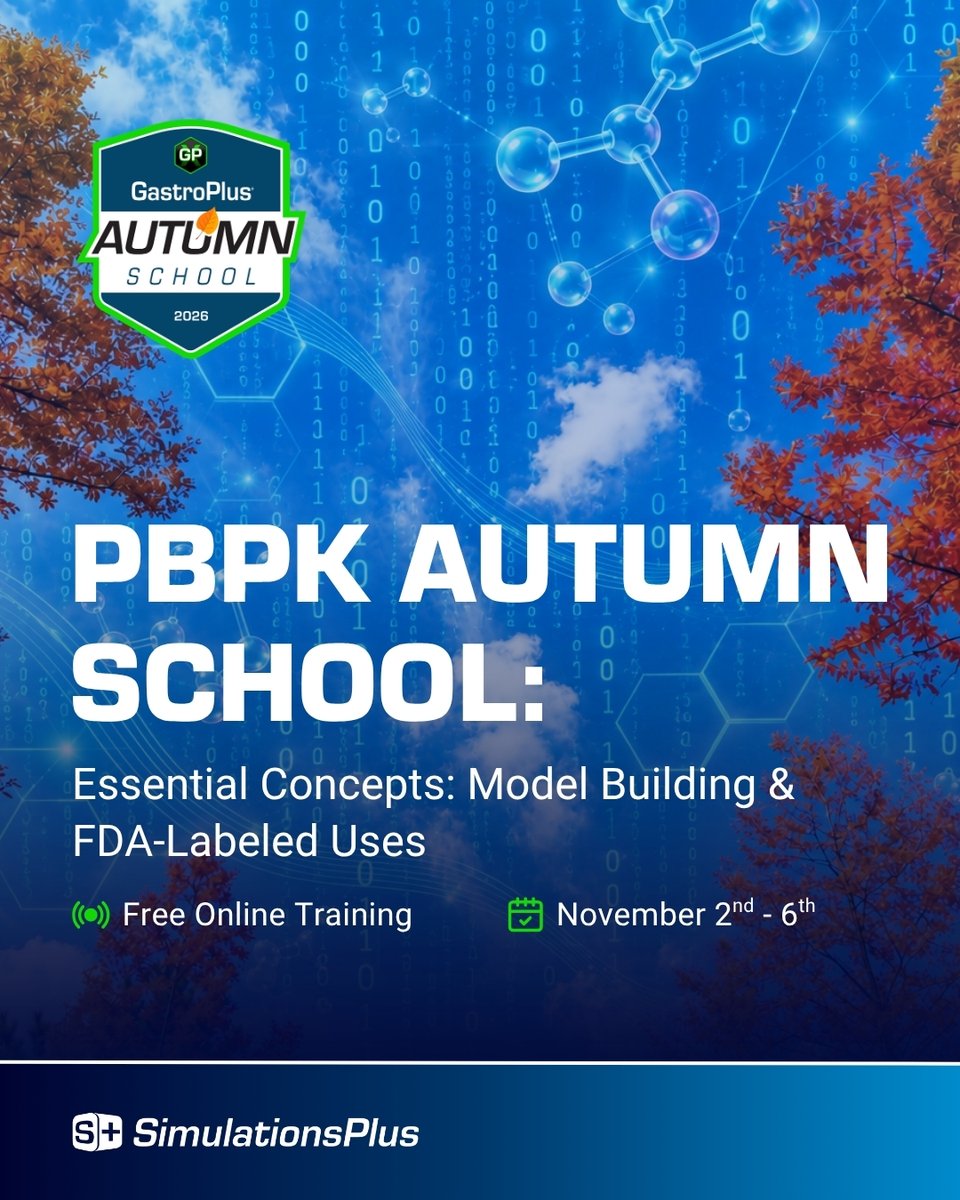
Back by popular demand! PBPK Autumn School returns November 2–6.
Learn PBPK modeling with hands-on GastroPlus® exercises, expert guidance, and practical applications for FIH and regulatory decisions.
Register: https://t.co/94TSiOqSG9
A few snapshots from #ISSX2026!
At the meeting? Stop by booth #307 to explore ADMET Predictor® 14, learn about Composer, or discuss your modeling challenges with Viera Lukacova and Arlene Padron.
Bring your questions and see what's new!
We’re bringing Rx to Rock to New Orleans for an evening of live band karaoke, food, drinks, and plenty of opportunities to catch up with fellow attendees.
Join us for the NOLA Edition: https://t.co/tEQsjD9pU7
#RxToRock#PharmSci360
Heading to PhysChem Forum? See ADMET Predictor® 14 in action, including new predictive models, expanded bRo5 coverage, HTPK improvements, and AI-enabled workflows.
Stop by our table and ask Rafal Bachorz what’s new: https://t.co/ilheasFZIJ
Heading to #ISSX2026? Join Short Course 2 on Sunday to hear Viera Lukacova discuss tissue partitioning and volume of distribution predictions.
Can’t attend? Stop by booth #307 with your modeling and AI questions: https://t.co/paOGPM36ZK
ACoP attendees: Join us for live music, food, drinks & time to connect outside the conference halls!
📅 Oct. 13 | 7–10 PM
📍 Bobby McKey’s | National Harbor
Space is limited—save your spot: https://t.co/4oxA47mXxN
That’s a wrap on #DMDG2026 in Prague! Thanks to everyone who stopped by Table #12 and connected with our team.
Want to know where you can find our experts next? Subscribe for upcoming events, webinars & more: https://t.co/8QngZiwTEv
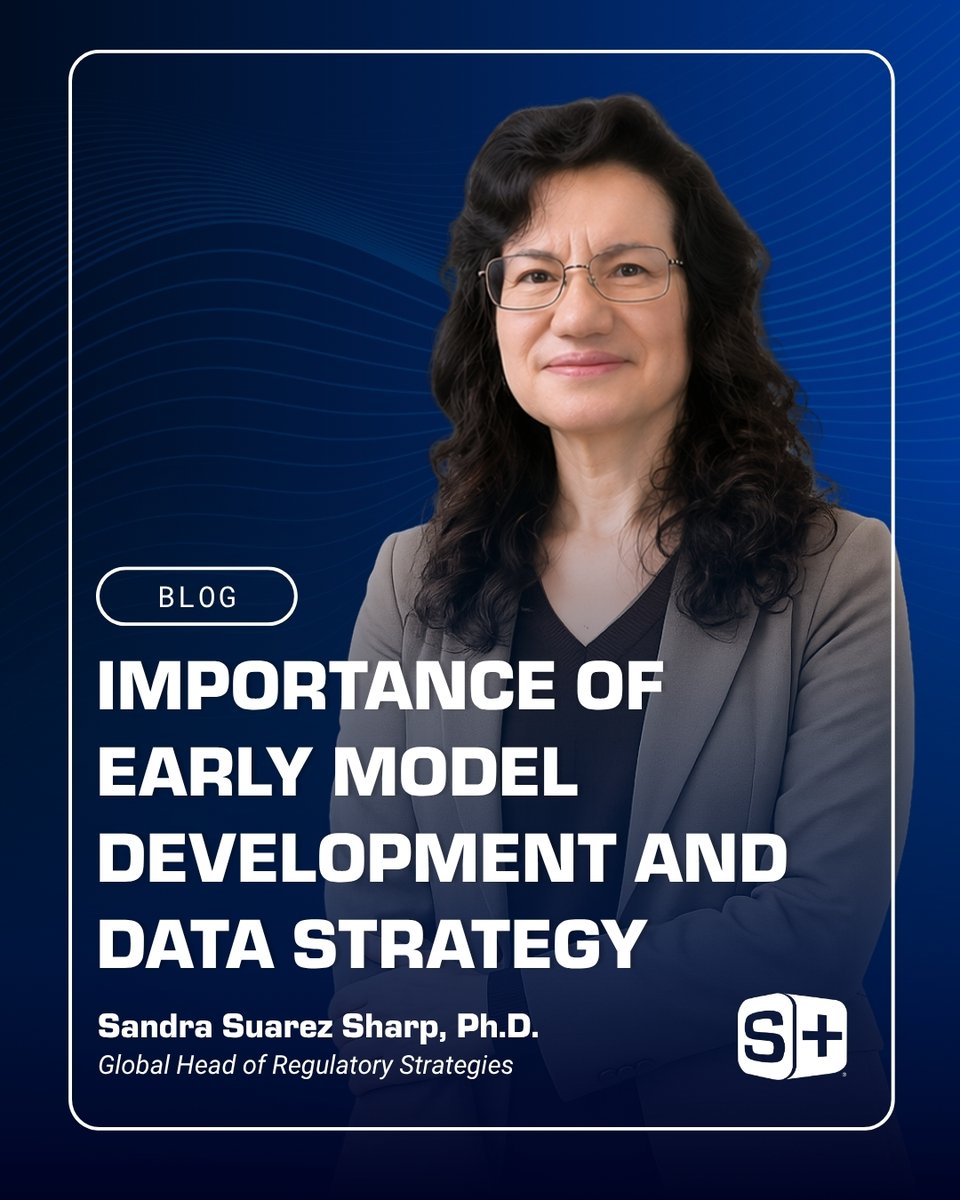
What if modeling guided drug development from the beginning, rather than at the end?
Sandra Suarez-Sharp explores how early model development can support better data strategies, decision-making, and regulatory confidence. Read more: https://t.co/6TOlsTunpD
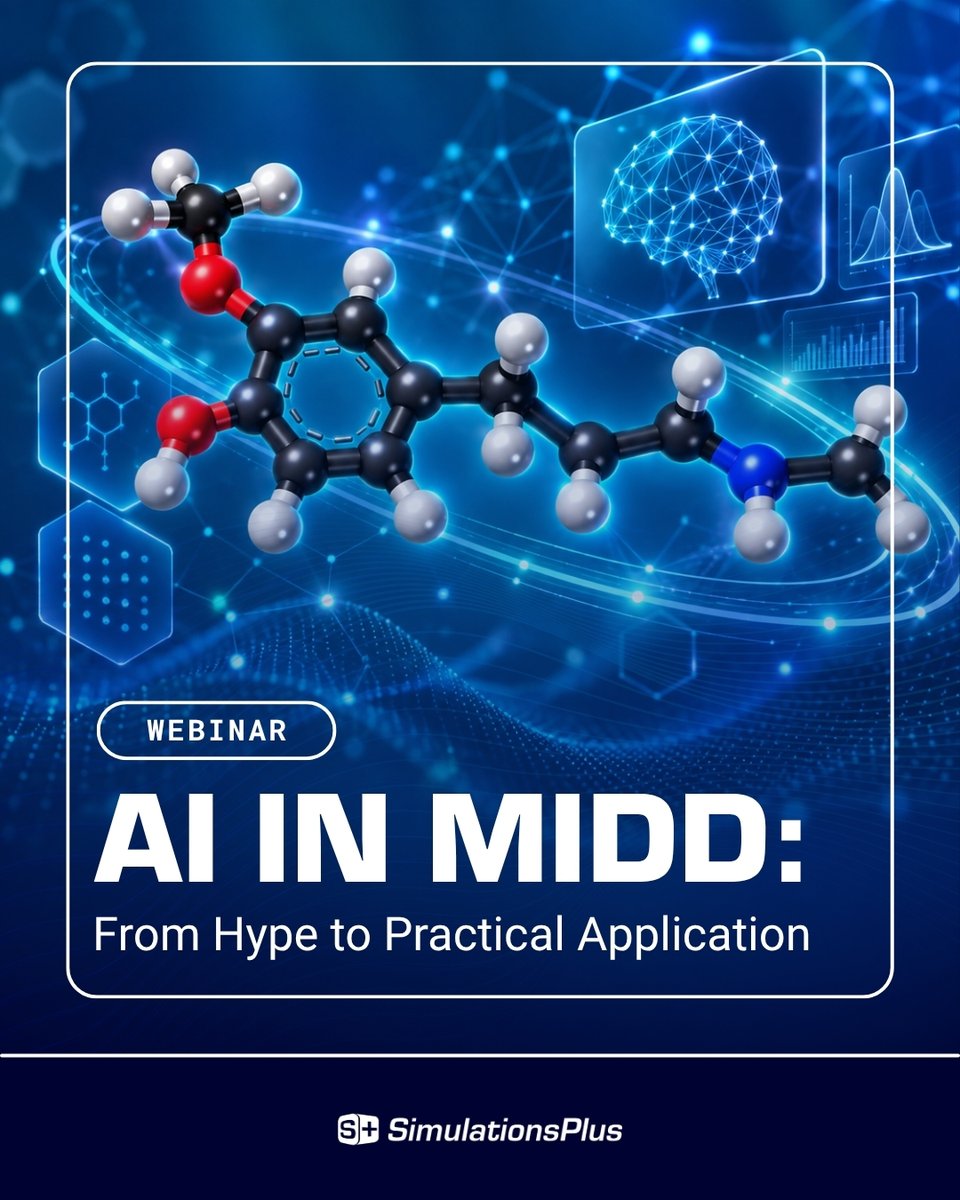
How are leaders from Pfizer, Bristol Myers Squibb & Incyte using AI in #MIDD? Join us to explore where AI is creating value today, how it’s evolving, and what responsible integration looks like across scientific & regulatory workflows. Register: https://t.co/oudtZ5YEVG
What if a simple sentence—in English, Spanish, Portuguese, Mandarin, or Japanese—could handle MIDD workflows and data wrangling?
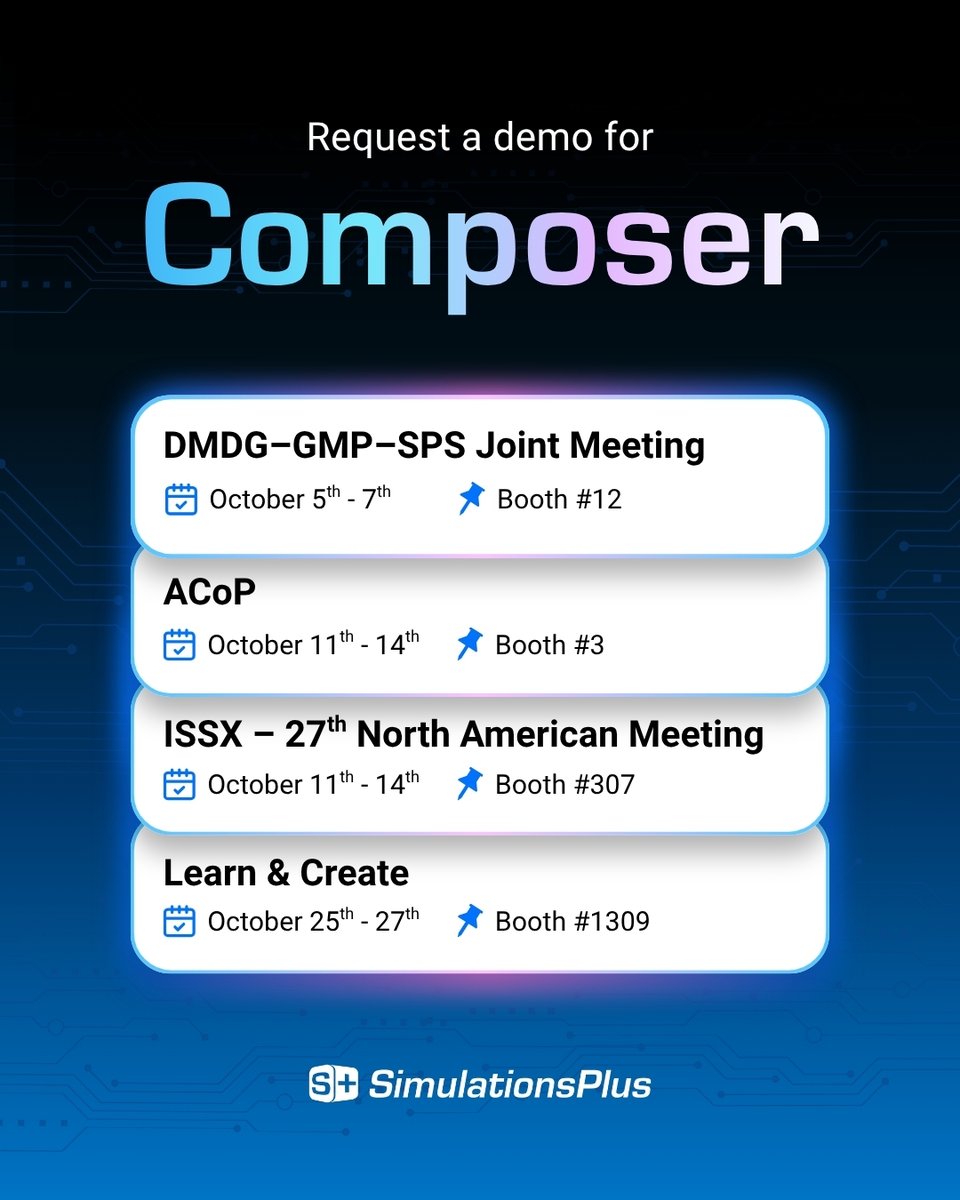
See Composer at a conference this fall, or join the waitlist: https://t.co/b3CIZe9hAS
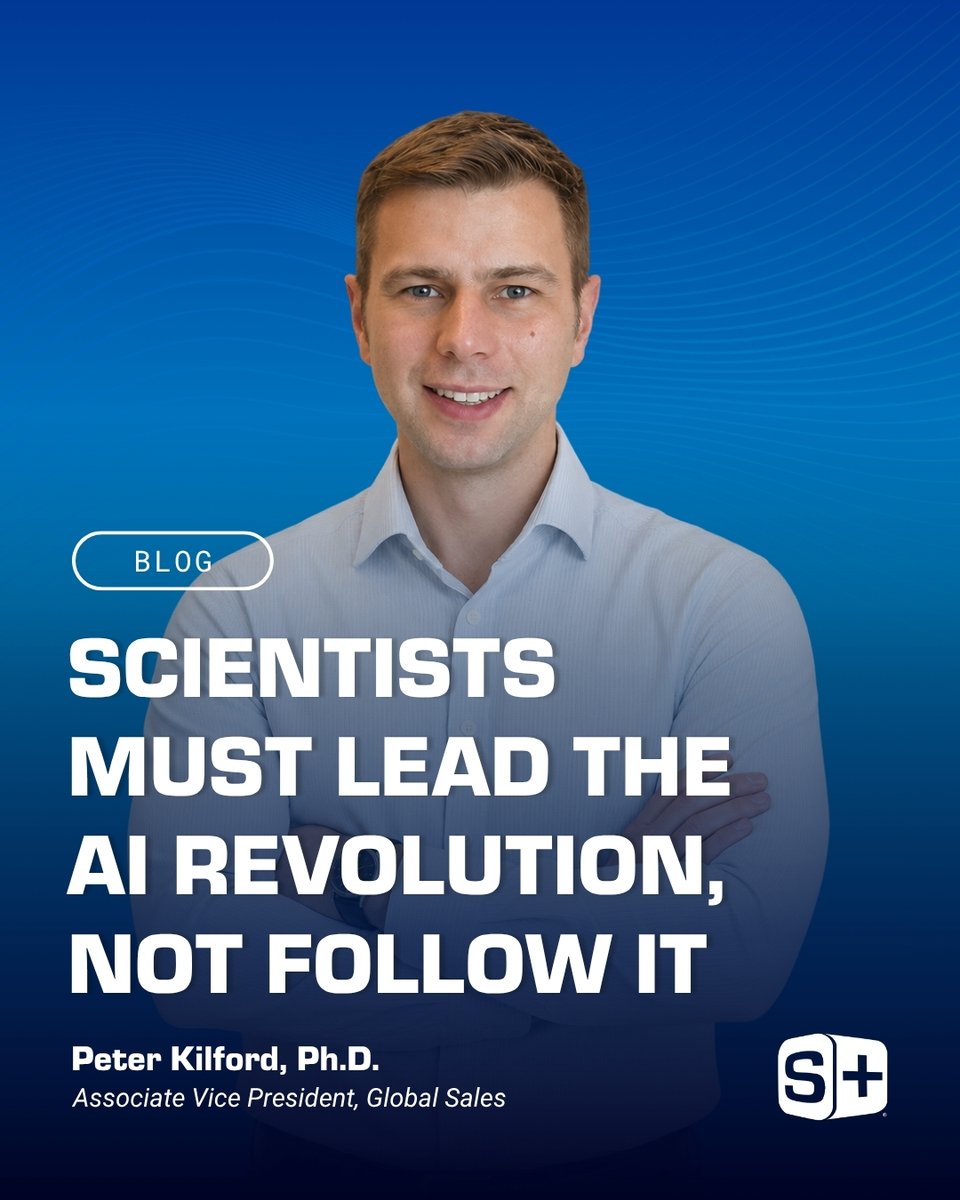
AI can accelerate research—but speed alone doesn’t ensure biological or clinical relevance. Dr. Peter Kilford explores why experienced scientists must remain at the center of AI-driven research.
Read more: https://t.co/YhfZ0fYFDI
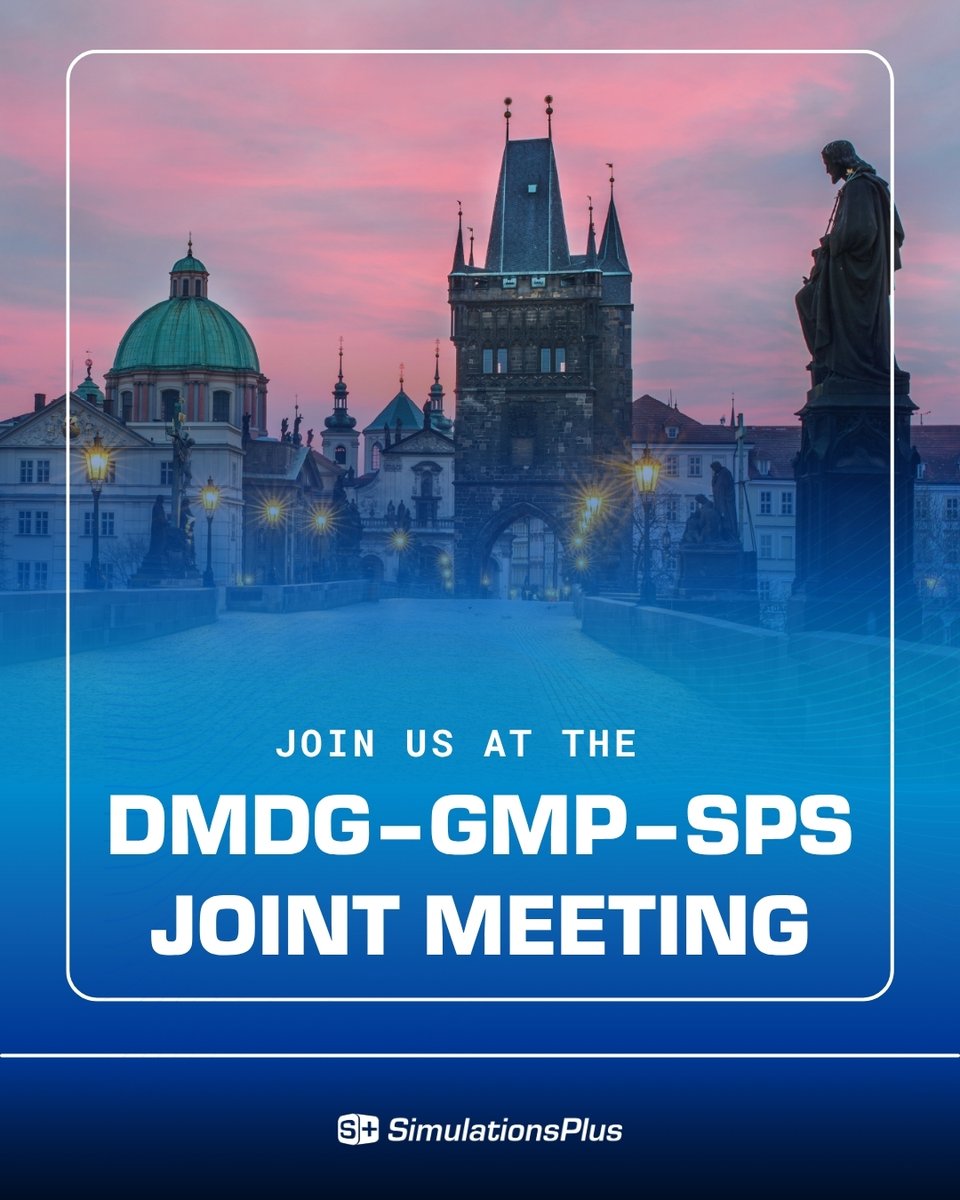
Headed to DMDG–GMP–SPS 2026? Don’t miss Fiona Plait’s poster on PBPK modeling for mesalamine with ACATPlus. Have a modeling challenge? Visit Table #12 to connect with Fiona, Francois Bouzom & Tom Sanderson. Learn more: https://t.co/g2LAIgV6Sn
IAttending #ISSX2026? Join Short Course 2, where CSO Viera Lukacova will present on tissue partitioning and volume of distribution predictions. Can’t attend? Visit Simulations Plus at booth #307 to discuss your modeling questions: https://t.co/paOGPM36ZK
ACoP attendees: Join us Oct. 13, 7–10 PM at Bobby McKey’s Dueling Piano Bar for live music, food, drinks & networking with fellow scientists! 🎹
Space is limited—register now: https://t.co/4oxA47mXxN