Delighted to see this paper published in @CommsBio: Climate-induced forest dieback drives compositional changes in insect communities that are more pronounced for rare species. https://t.co/XFiiCEnShO part of #ClimTree project.
@Belmont_Forum@AgenceRecherche
Thread #1/6
Just out in print today, our unexpected finding of a new species of Pine Hawkmoth in Corsica (https://t.co/yO7VGRHjfF) from combined evidence of morphology and DNA barcodes! One of many findings on the Island of Beauty!
https://t.co/fJvv8nN8lh
#PlanèteRevisitée @SocEntomolFr
I am very happy to share with you our latest publication:
𝐓𝐡𝐞 𝐢𝐧𝐜𝐫𝐞𝐝𝐢𝐛𝐥𝐞 ✨𝐯𝐞𝐧𝐨𝐦 𝐠𝐥𝐚𝐧𝐝𝐬✨ 𝐨𝐟 𝐠𝐚𝐥𝐥-𝐰𝐚𝐬𝐩𝐬.
https://t.co/TMsz5drkAo
#gall#wasp#insects#venom#spooky
1/12
📢
@IRBI_Tours
Our paper on the use of sampling media for insect DNA metabarcoding is finally out!
🧬🐝 🧬🦋🧬 🪰 🧬🪲 🧬
Special thanks to @SireLucas and @lopezvaamonde
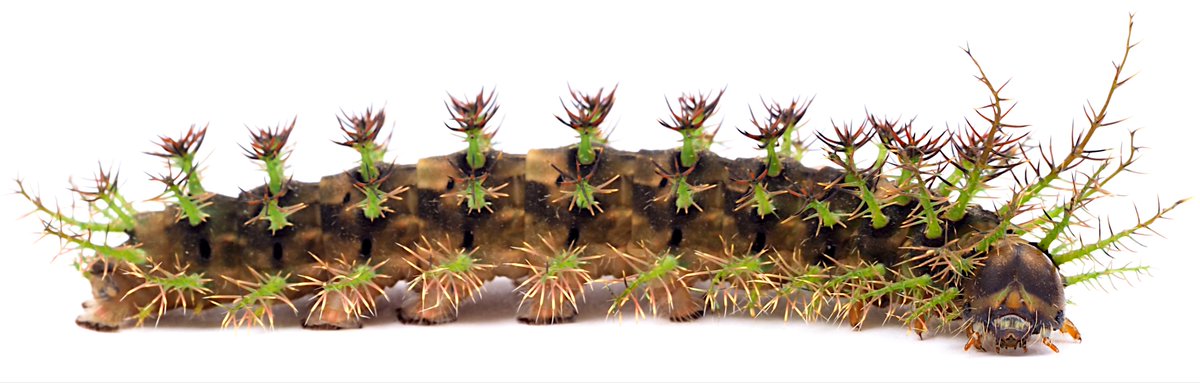
Excited to share our work on venomous Lonomia caterpillars, just published in @PLOSNTDs! Fantastic collaboration with many colleagues in Colombia, France, UK and Brazil. @CamilaGonzRosas@lilibamej
Horse Power. A €10 million ERC Synergy grant project in which the Terracotta warriors meet the ancient Mongolian state
So excited to start working with a truly amazing team on that project! Can't wait!
https://t.co/1izpF9yRhN
Looking for a 2-years postdoc researcher and/or a 3-years PhD student with a background in population genetics and statistical genomics. Please RT and DM if you are interested in analyzing MANY ancient horse genomes to assess the impact of horses in human history.
Big shout out to my friend Guilhem who did a fantastic work: our new paper is out! 🥳🪲 (yeah, variability of Coleoptera emojis should also be investigated..!)
https://t.co/ZAvNF3RJmN
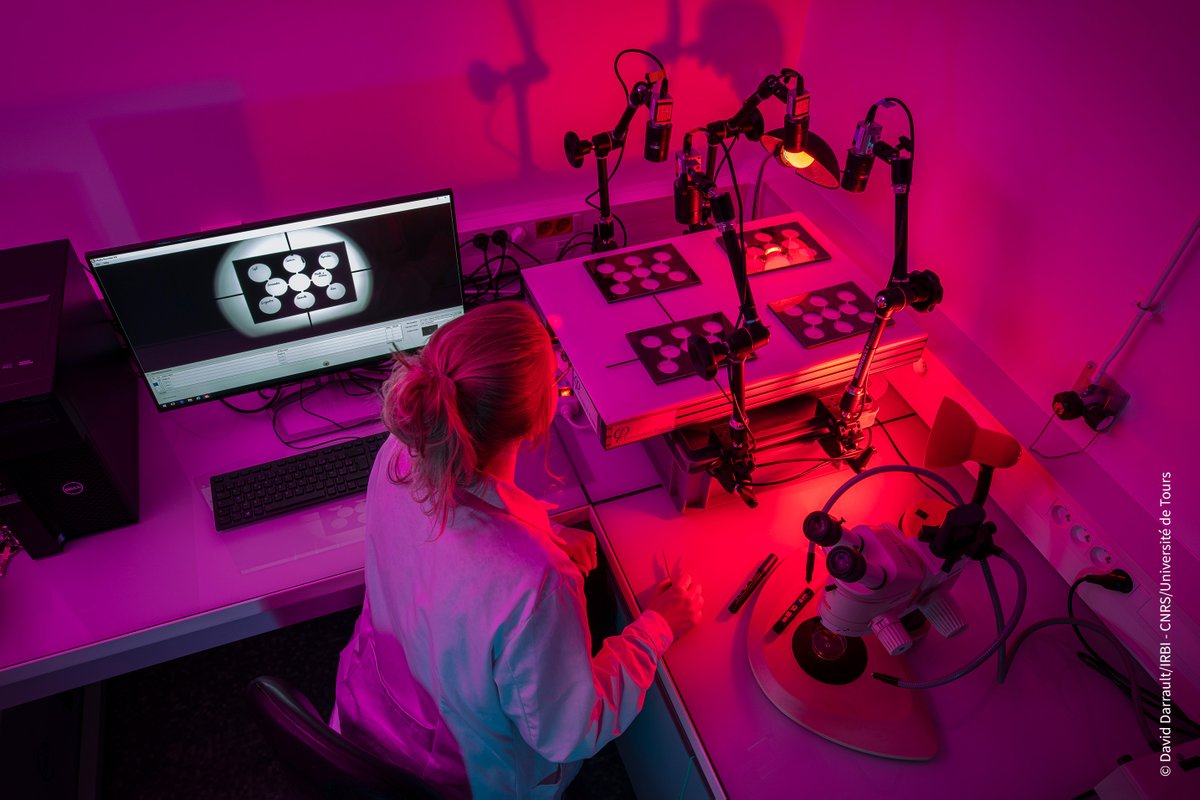
#JeudiPhoto 📷| 🔬Zoom sur le pince-oreille ! À l’@IRBI_Tours, un dispositif expérimental filme et analyse les comportements du forficule européen en condition infrarouge.
Intrigué ? ➡️#microscoop p.7/13 : https://t.co/5nKn17kvFV
@INEE_CNRS @UnivTours #biologie#insecte
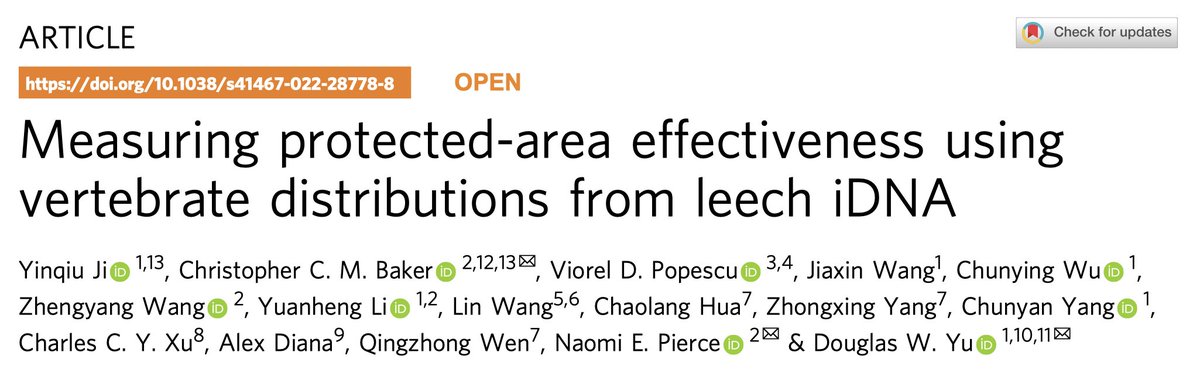
Finally out! A paper 2 years in review.
https://t.co/OzulD7VtPf
We used 30,468 leeches, collected by 163 park rangers, to map vertebrate wildlife across a 677 km2 nature reserve.
🚨📢We seek candidates for a 3-year PhD position combining behavioral ecology and thermal biology. The aim is to explore the role of thermal heterogeneity in driving the co-existence of two competing parasitoid species. Deadline: 31/03/2022.
https://t.co/8Un3KZ9zzm. @UnivTours
Delighted to see this paper published in @CommsBio: Climate-induced forest dieback drives compositional changes in insect communities that are more pronounced for rare species. https://t.co/XFiiCEnShO part of #ClimTree project.
@Belmont_Forum@AgenceRecherche
Thread #1/6
The environmental factors driving compositional changes are: Altitude and canopy openness at the plot scale and tree-related microhabitats (diversity and density) as well as deadwood amount at landscape scales.
#5/6