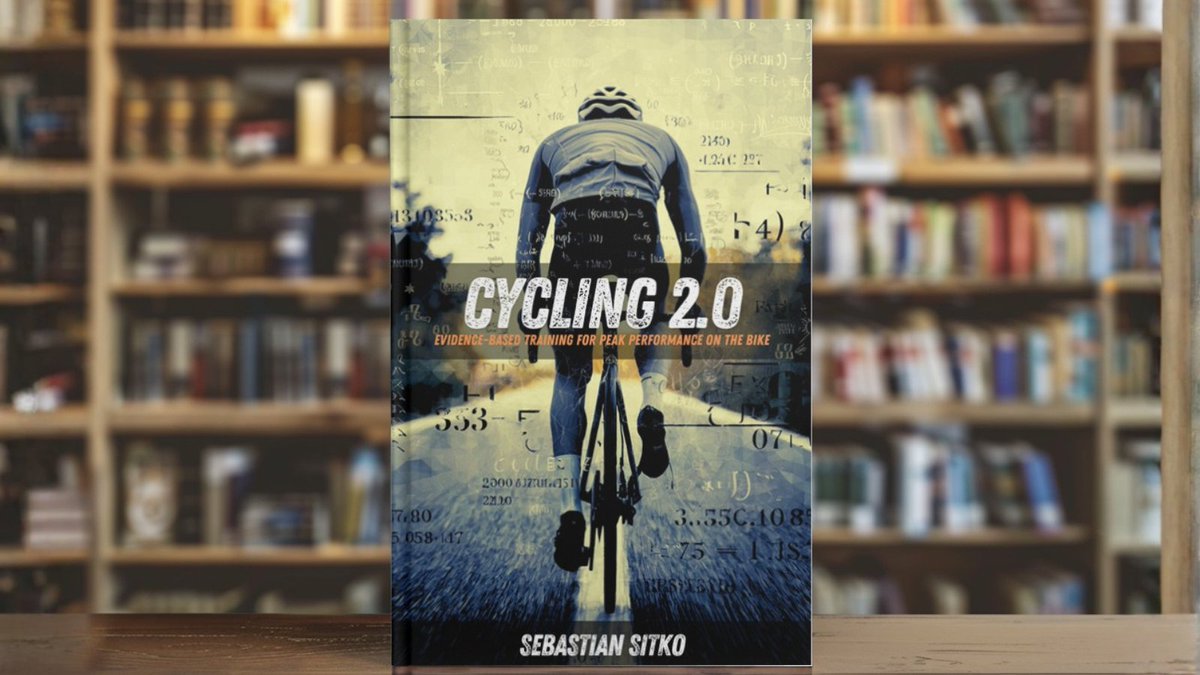
After 2 editions and 2,000+ copies sold in Spanish, Cycling 2.0 is back in its English edition — now with worldwide shipping.
319 pages · 32 chapters · ~200 studies · peer-reviewed science
Evidence-based performance & health for cyclists🚴♂️📘
👉 Buy now: https://t.co/bZlLUnsdcN
He aquí la primera parte de una pequeña entrevista que di para los chicos de @diarioas hace poquito.
👇🏻
¿Más velocidad con menos gasto de energía? Los detalles que puedes aplicar y que casi nadie aprovecha encima de la bici
https://t.co/DQDLdQlc4C vía @diarioas
@ericguzman Several new tables/figures and +10 pages of new info. Take into account almost a year passed between both versions were finished, lots of new evidence in between.
Two week after its release...
500+ readers
30+ countries
One shared mindset: training with science.
What are you waiting for to get your copy of Cycling 2.0? 🚴♂️📚
https://t.co/UeVoTFj1uM
@mrOLEZZ In my experience many elite athletes can sustain close to 1.00 RER during a 30-40min all out time trial even after substantial fatigue. I would expect at least that here, and more probably even higher. But maybe he’s an outlier.
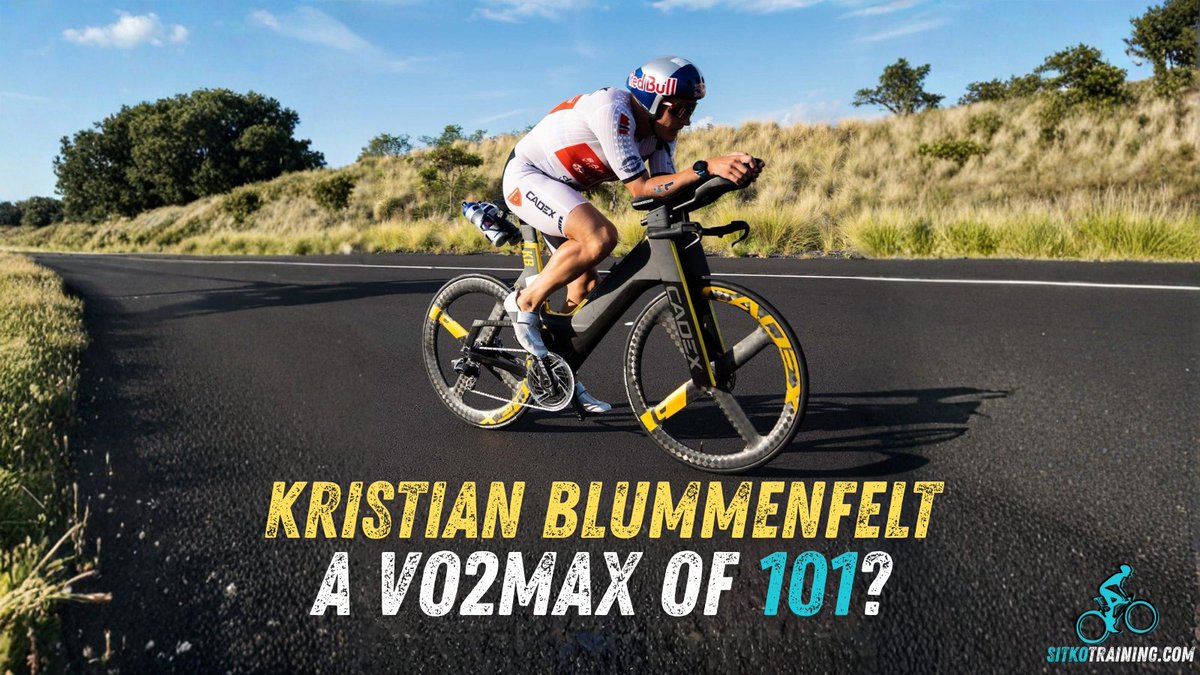
🧵 VO₂max of 101? Let’s slow down.
Recently, Olympic triathlete Kristian Blummenfelt shared images from a lab test on social media.
Headlines followed instantly:
👉 “World record VO₂max”
👉 “Over 101 ml·kg⁻¹·min⁻¹
But is this real?
Let’s analyze it with lab eyes👇
@jem_arnold In my experience in the lab many pro athletes can sustain close to 1.00 RER during a 30min all out time trial even after substantial previous fatigue. For me there’s no way for this 0.93 together with the abnormally high associated absolute VO2. But maybe he’s just an outlier…
🧠 Final takeaway
📸 Instagram is not the lab.
📊 A screenshot is not a performance passport.
Performance should be interpreted with physiological criteria, not with likes.
End of thread 🧵
📚 A historical note
Triathletes undeniably display outstanding physiology.
But record VO₂max values, which require lower than Blummenfelt's body mass, are still predominantly found in:
🚴 cyclists
🎿 and especially cross-country skiers.
7/ Still, this study shows that fueling doesn’t have to be perfect, as long as your gut tolerates it.
Bottom line:
Races aren’t won by those who calculate grams per hour perfectly, but by those who reach the final effort with a calm gut and a clear mind.
https://t.co/EgUoipR62h
Does carbohydrate timing really matter for cycling performance?
We’ve been told for years that when you take carbs is crucial.
But what if it matters less than we think?
An elegant study by @timpodlogar and colleagues helps answer this question.
Let’s go with a brief thread🧵
6/ What does this tell us?
Carbohydrate distribution doesn’t necessarily limit performance, but it can strongly influence how you feel late in hard sessions.
A constant carbohydrate intake remains the safest and most sensible strategy.