BREAKING: MICROSOFT JUST ANNOUNCED TO BAN ITS OWN ENGINEERS FROM USING AI DUE TO THE COST OF USING IT.
VP OF NVIDIA SAID, “THE COST OF AI FOR MY TEAM WAS MORE THAN HUMANS”
“AI CAN COST MORE THAN HUMAN WORKERS NOW”
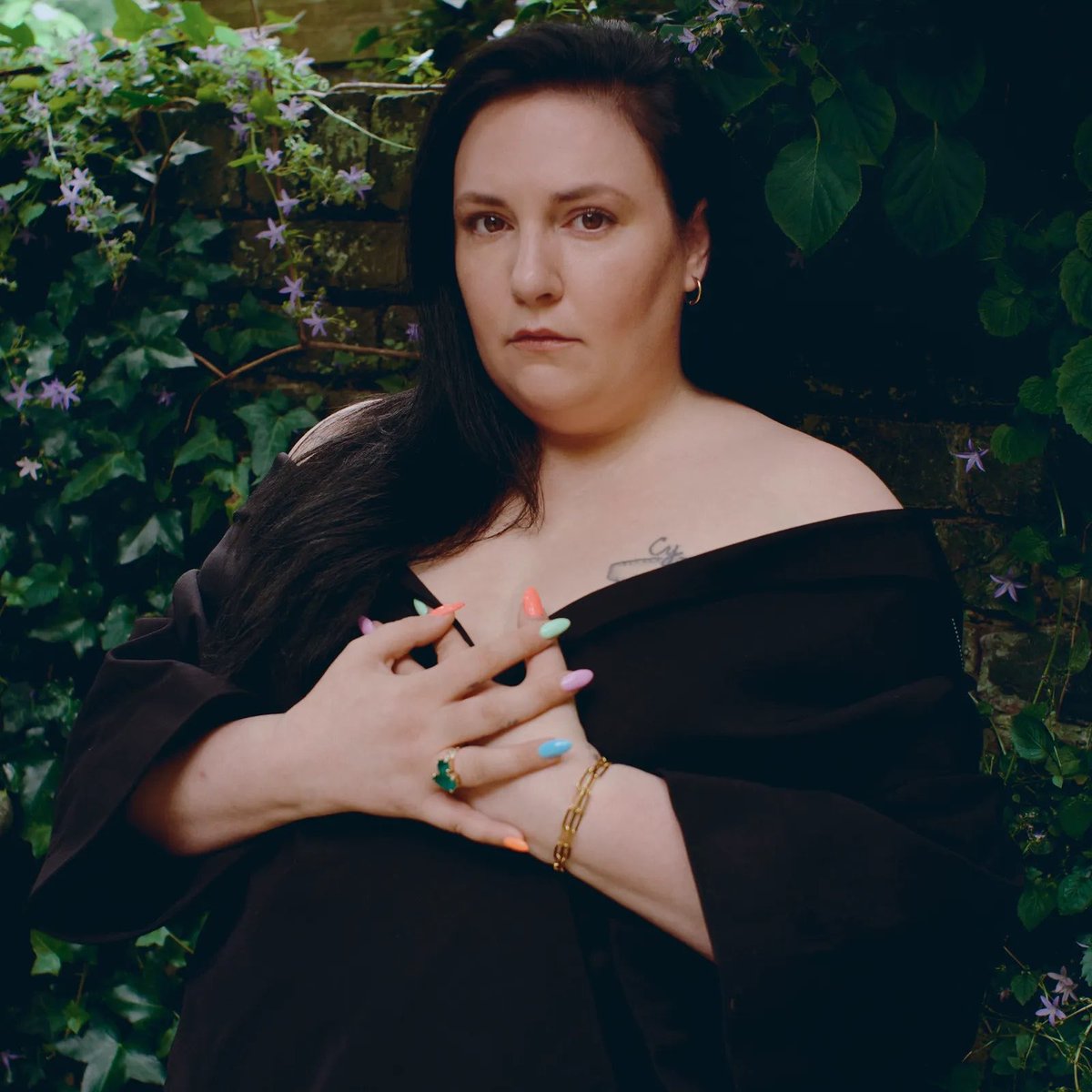
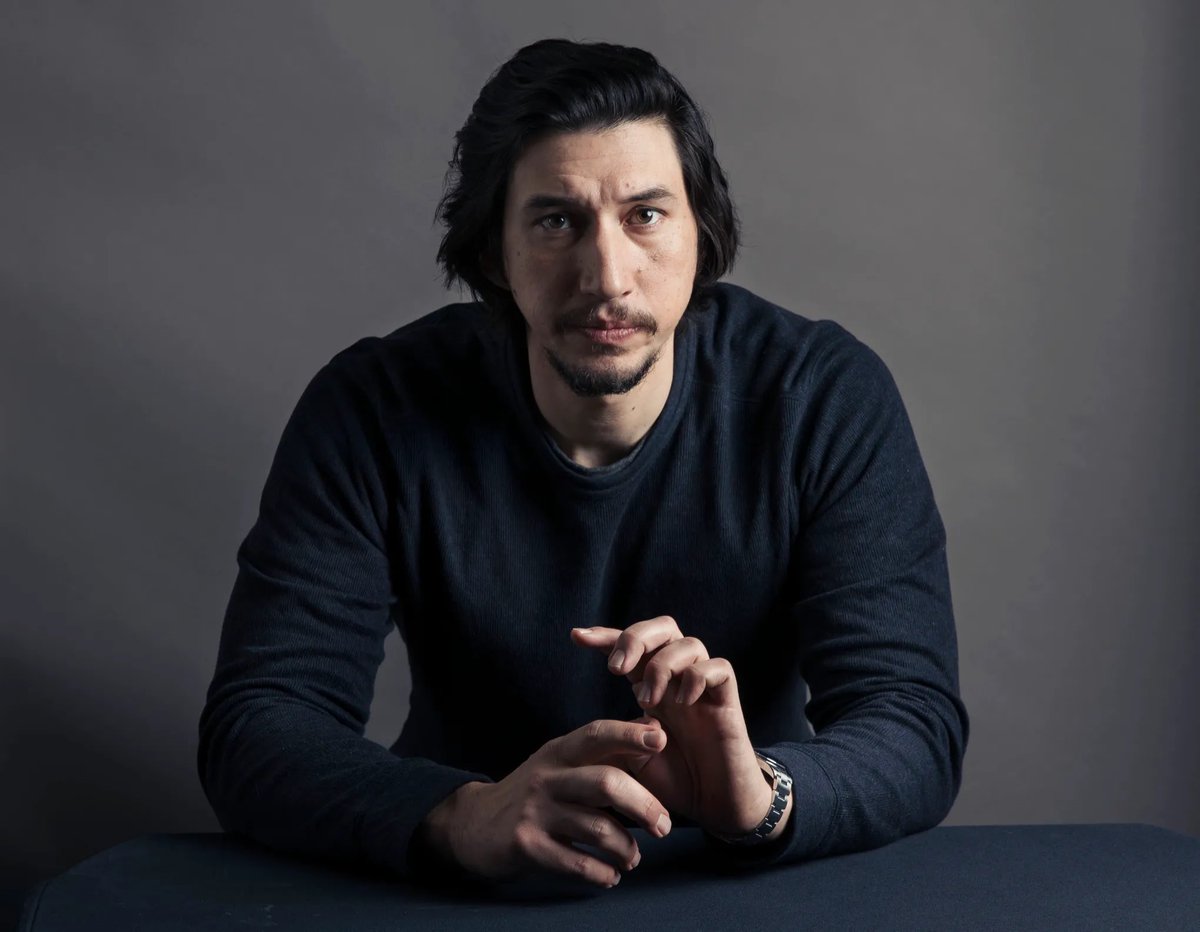
Adam Driver addresses Lena Dunham’s memoir allegations at Cannes, which claim he was “verbally aggressive” and “hurled a chair at the wall” next to her on the ‘Girls’ set:
“I have no comment on any of that, I’m saving it all for my book.”
The Onion has acquired Infowars in a bankruptcy auction.
They plan to debut a new Infowars in January that will serve as parody, mocking weird Internet personalities like Alex Jones.
The Onion CEO says they acquired it because “this is the funniest thing that has ever happened”
A doctor died at a Disney Springs restaurant from an allergic reaction after being assured the meal was allergen-free
The widower then sued
Disney is now trying to dismiss the suit — arguing he agreed to arbitrate all disputes when signing up for a Disney+ free trial years earlier
Today, with the cost of creating content being close to zero, people can share an incredible amount of content. This has sparked my curiosity about the concept of long shelf life versus short shelf life. While much of what we see and hear quickly becomes obsolete, there are timeless ideas or even pieces of music that can remain relevant for decades or even centuries.
For example, we’re witnessing a resurgence of Stoicism, with many of Marcus Aurelius’s insights still resonating thousands of years later. This makes me wonder: what are the most unintuitive, yet enduring ideas that aren’t frequently discussed today but might have a long shelf life? Also, what are we creating now that will still be valued and discussed hundreds or thousands of years from today?