A new molecular biology workflow for Claude Science.
Introducing Motif — a molecular biology workbench that brings plasmid design, cloning workflows, sequence analysis, and biological engineering tasks into your Claude workflow.
From sequence to solution
A glimpse of how AI assistants are moving beyond text generation and becoming true scientific collaborators.
Open source: https://t.co/Tnj0RGd1c8
#AI4Science #BioAI #ClaudeScience #SyntheticBiology #MolecularBiology
Andrew Ng just released a 1-hour course on building agentic knowledge Graphs from scratch:
• 00:00 - Introduction to agentic knowledge Graphs
• 03:07 - Construction of agentic Graphs
• 14:00 - Architecture of multi-agent systems
• 23:00 - Building agentic graphs with Google ADK
• 01:06:03 - Why Graphsare the future of agentic AI
Worth more than 10 articles on loop engineering.
Watch it today, then read how to become a graph engineer in the article below.
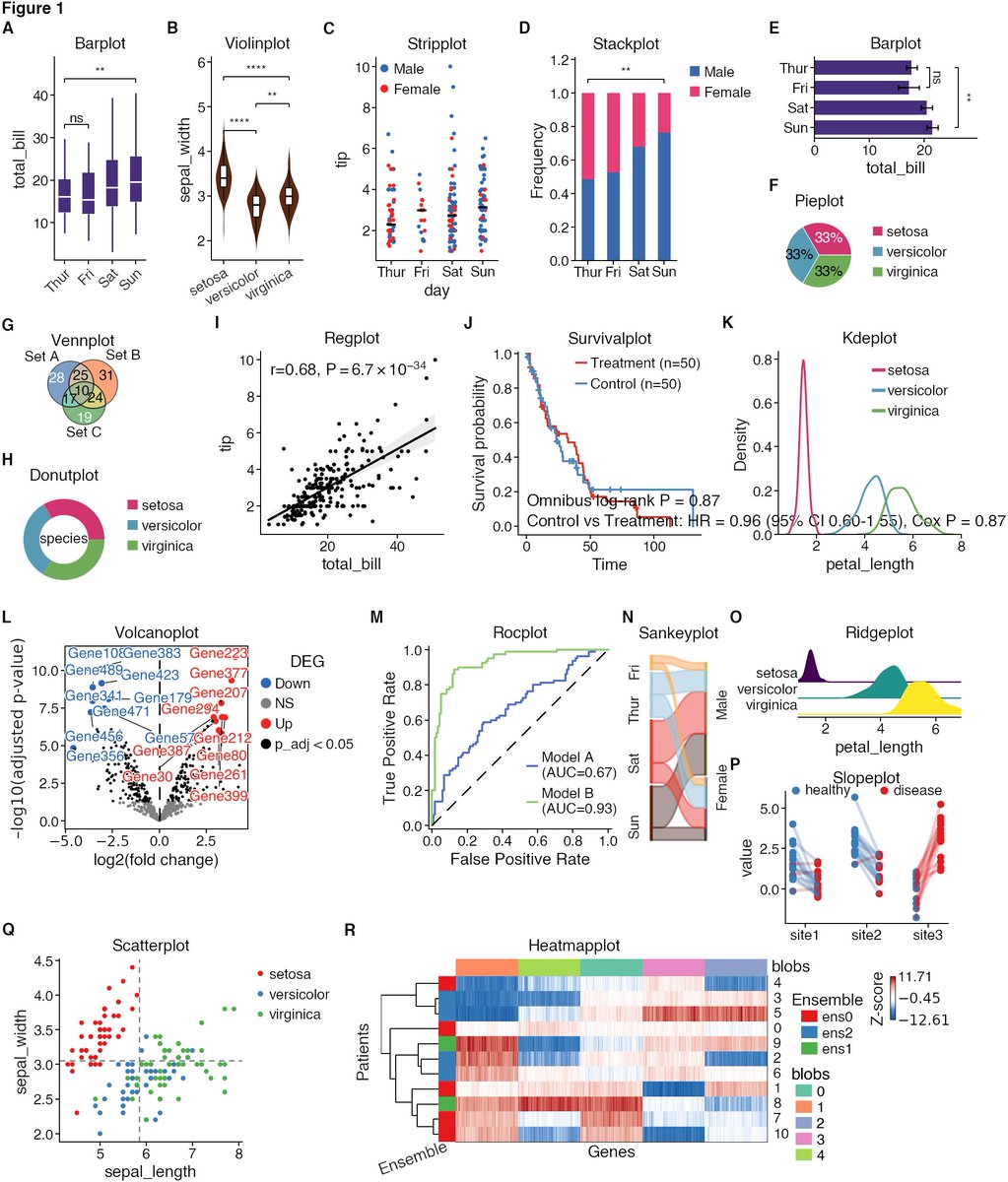
Want to master bioinformatics data visualization?
I almost quit when I first tried ggplot2.
But once I “got it,” it changed how I saw data forever.
Here’s the hard-won path that makes ggplot2 click. 🧵
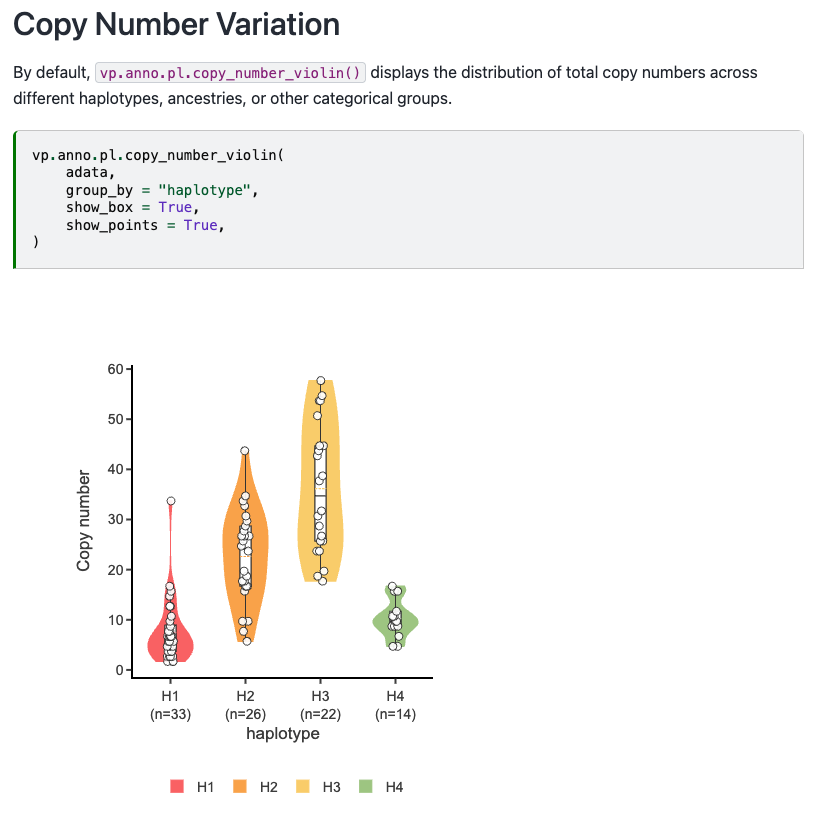
Now you can use VAMPIRE to classify #TandemRepeat across populations and explore repeat-type-aware copy number variation.
See here for detailed turtorials:
https://t.co/QTJvWaWVRa
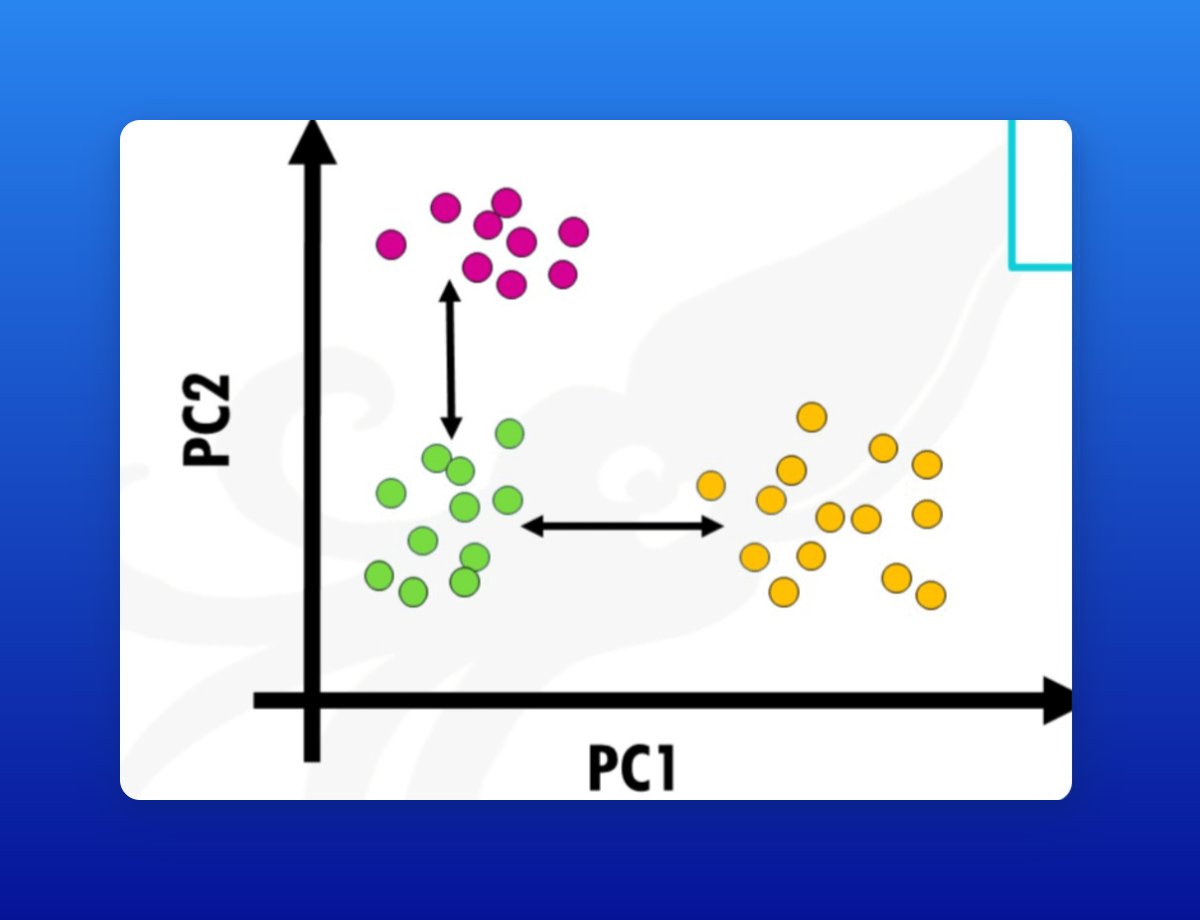
1/ Exploratory Data Analysis (EDA) is the first step in any data analysis journey.
When working with RNA-seq data, one of the most commonly used techniques is Principal Component Analysis (PCA).
But what exactly is PCA, and why does it matter? Let’s break it down. 🧵👇
A senior Anthropic engineer just dropped 11-page PDF on "Loop Engineering" for agentic systems.
The shift: you stop prompting the agent. You build the system that prompts it instead.
Schedule → Discover → Build → Verify → Repeat
Every loop runs one turn, five moves:
• Discovery: it finds its own work - failing CI, open issues, recent commits - instead of being handed a list.
• Handoff: each task gets an isolated git worktree so parallel agents don't collide.
• Verification: a second agent, told to assume the code is broken, reviews the first. The "thing that can say no."
• Persistence: results get written to disk, never left in a context window that gets flushed.
• Scheduling: an automation wakes it on a timer. That's what makes it a loop.
The key insight: an agent grading its own work always praises it.
This 11-page PDF changed how I'm building agentic systems today.
Read it now, then explore the article below.
🚨 Karpathy was right.
He warned that 90% of AI advice dies in 6 months
spoiler: most tools will not even survive 90 days
this guy is literally giving away the exact 2026 playbook for AI Agents.
he covers what to learn, how to build, and when to skip 👀
↓ read this today
Turn Claude Code into a full academic research team with this guide.
> Deep Research: 13 agents, 8 modes
> Academic Paper: 12 agents, 11 modes
> Academic Paper Reviewer: 7 agents
> Academic Pipeline: 10-stage orchestrator with citation verification
Free for non-commercial use.
this is f*cking gold
How to build your first AI agent (Full guide)
if I had this a year ago, I would've shipped my first agent in a day instead of 2 weeks
in the right hands, this changes everything: