The average person spends about 10 hours a day looking at screens. While we blame some of that on work, most of us spend our off-time with our faces glued to devices. Not only does this vast amount of blue light decrease sleep quality, but can also increase stress and anxiety!
When our energy levels are low so is our motivation. Fatigue can make it hard to stay focused and concentrate, thus making our work much more tedious. Being tired at work is normal but when it becomes persistent then we know there is an issue.
Lack of iron in your diet, increased stress, and even dehydration can affect our body from always putting its best foot forward. Which of these have you been neglecting? Once you identify the one you're struggling with, you will find yourself more rested and ready for anything!
Having a nice day off once in a while gives us a proper chance to catch up on some needed rest or tackle some errands that we just haven't gotten around to do. Bright light exposure and physical exercise are two great ways to ensure a great night's rest. So get out there !!
Many of us are looking forward to Labor Day Weekend. It is a time to travel, spend time with family, and catch up on some needed relaxation. One of the things we can recommend is taking things a bit slower. No need to race into the weekend-- instead pace yourself, and plan ahead.
By budgeting your time and devoting specific hours for unwinding and relaxation, we allow our body to adjust to this newly implemented routine. Instead of focusing on what time you need to be awake, work in the opposite direction and try to stick to a target bedtime.
Making changes to your sleep schedule can be difficult if not approached the right way; little changes help our body ease into this transition. By adjusting our sleep schedule little-by-little, with no more than 1-2 added hours, we are giving our body a chance to adapt.
Keeping a sleep diary is a great way to track quality sleep. You can even use it to identify factors that might be helping or hurting your sleep process. Try using a sleep diary to track your progress when implementing new tactics into your routine!
Both coffee and alcohol can play a key role in limiting the stages of slumber our body truly reaches when sleeping. Instead, try a small glass of something with a calming effect, such as herbal tea or milk. But not too big of a glass, bathroom breaks can disrupt our sleep.
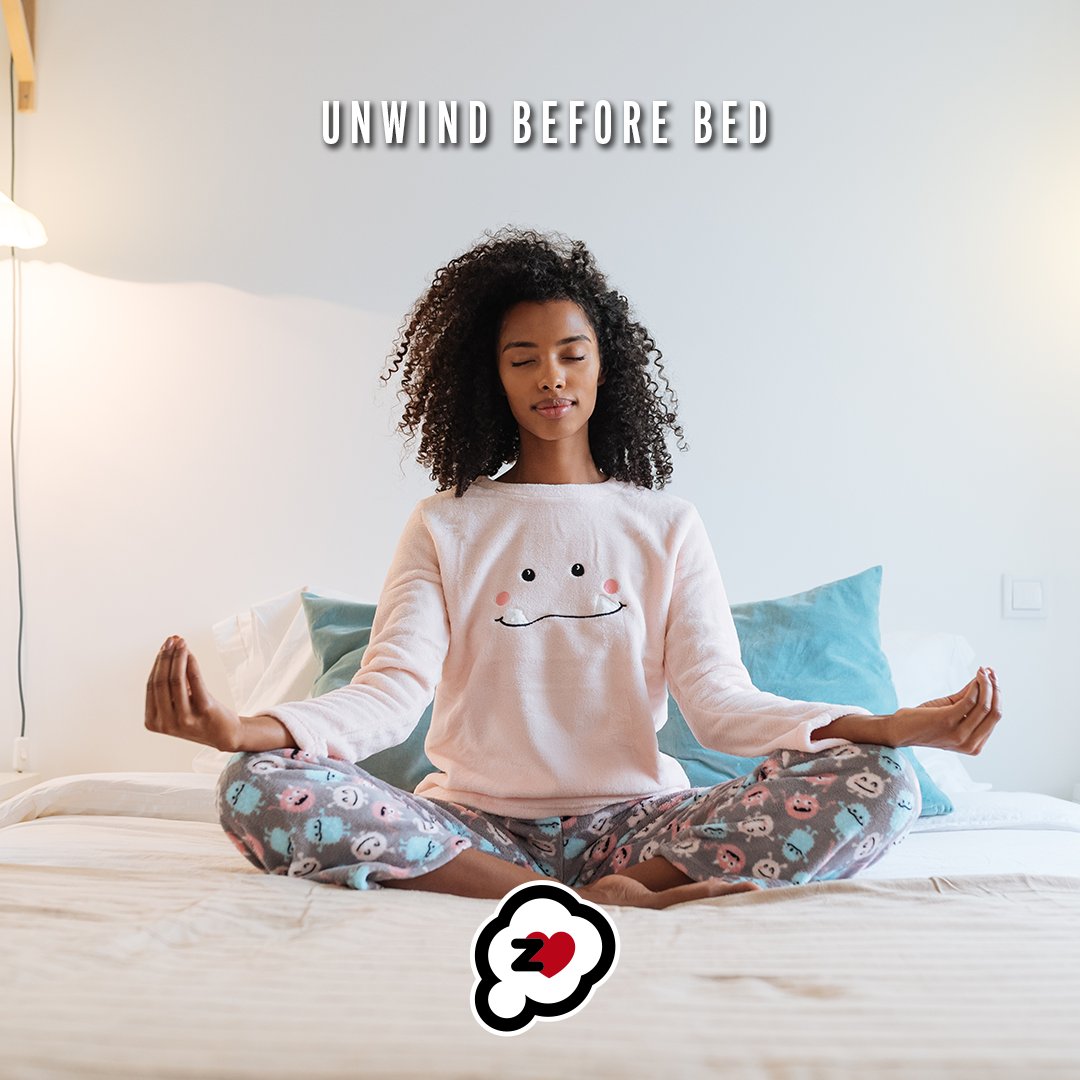
The best time to start your nightly routine is 30-60 minutes before you enter the bed. Something as simple as gentle stretches, deep breaths, meditating, or a warm bath can make a world of difference to your sleep pattern!
If you aren't ready for bed, avoid scrolling on your phone in bed. Alternatively, you can do a relaxing activity to help you unwind. After 20 minutes in bed, if you find yourself still awake, get up. You can become frustrated, which can lead to staying awake even longer.
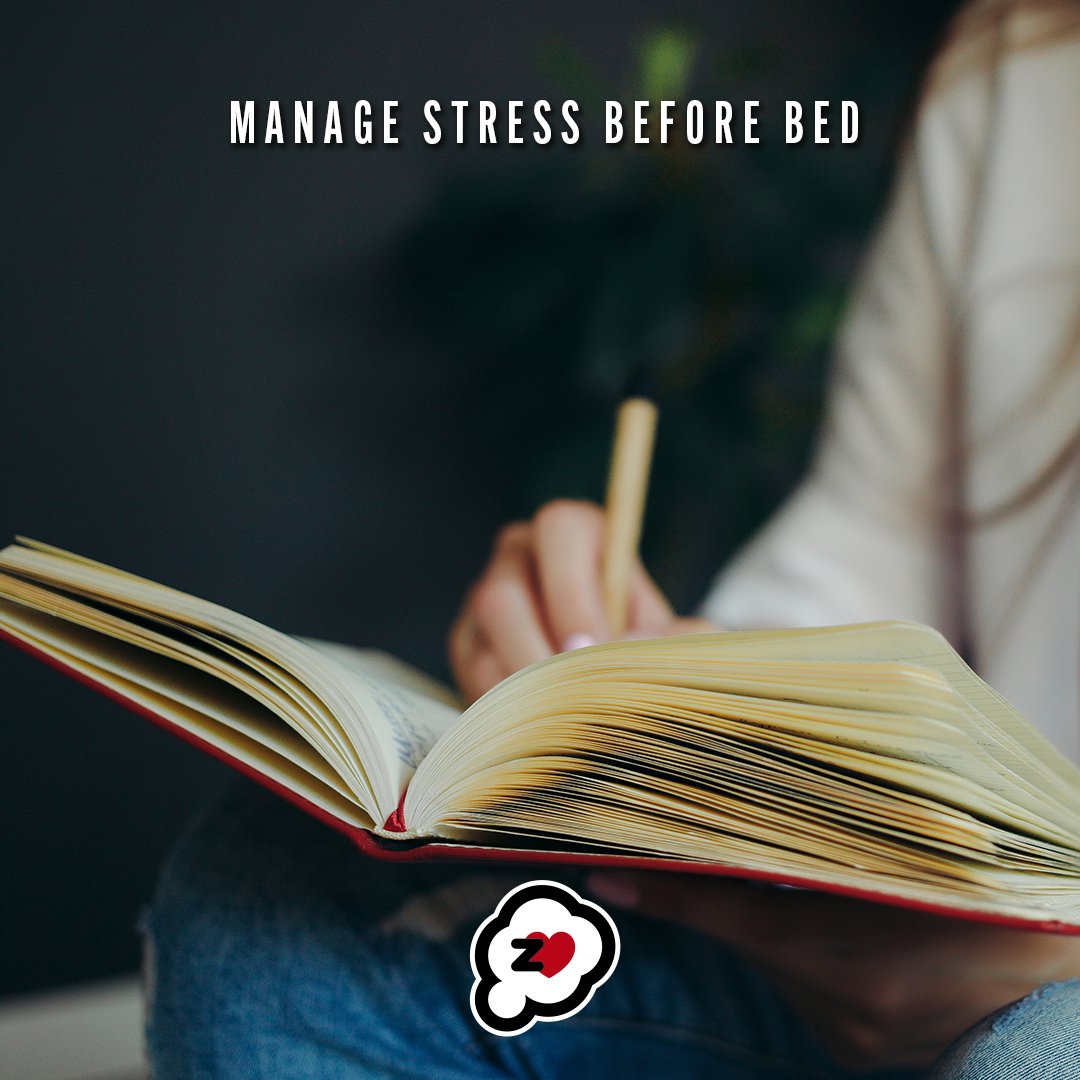
Worrying about things can often affect the way we unwind-- and can often keep us from falling asleep. One of the tips we have seen work wonders is simply writing things down. Writing out your to-do list will help the next day feel less hectic.
Eating in the late evening can negatively affect sleep quality and the natural release of melatonin and HGH. However, the type of food you're eating can play a key factor. Studies have shown that a high-carb snack before bed led to falling asleep faster.
Nocturia is the medical term for excessive urination during the night, which can negatively affect your sleep quality and daytime energy. Keeping your body hydrated is vital; however, it is wise to decrease fluid intake in the late evenings.
Studies have shown that 50% of people experience better sleep when light and noise are diminished. To optimize your bedroom try to reduce background noise as well as light sources. A clean and enjoyable place to sleep will make unwinding much easier.
Our bodies operate off an internal clock known as our circadian rhythm. It creates hormones that affect our body, letting us know when it is time for bed. Natural sunlight or bright light during the day helps keep your circadian rhythm healthy.
A relaxing bath or shower is another great way to unwind before bed. Studies have shown that not only does it lead to better quality sleep, but even falling asleep sooner. Taking a hot bath or shower 90 minutes before bed can also aid you in achieving deeper sleep.
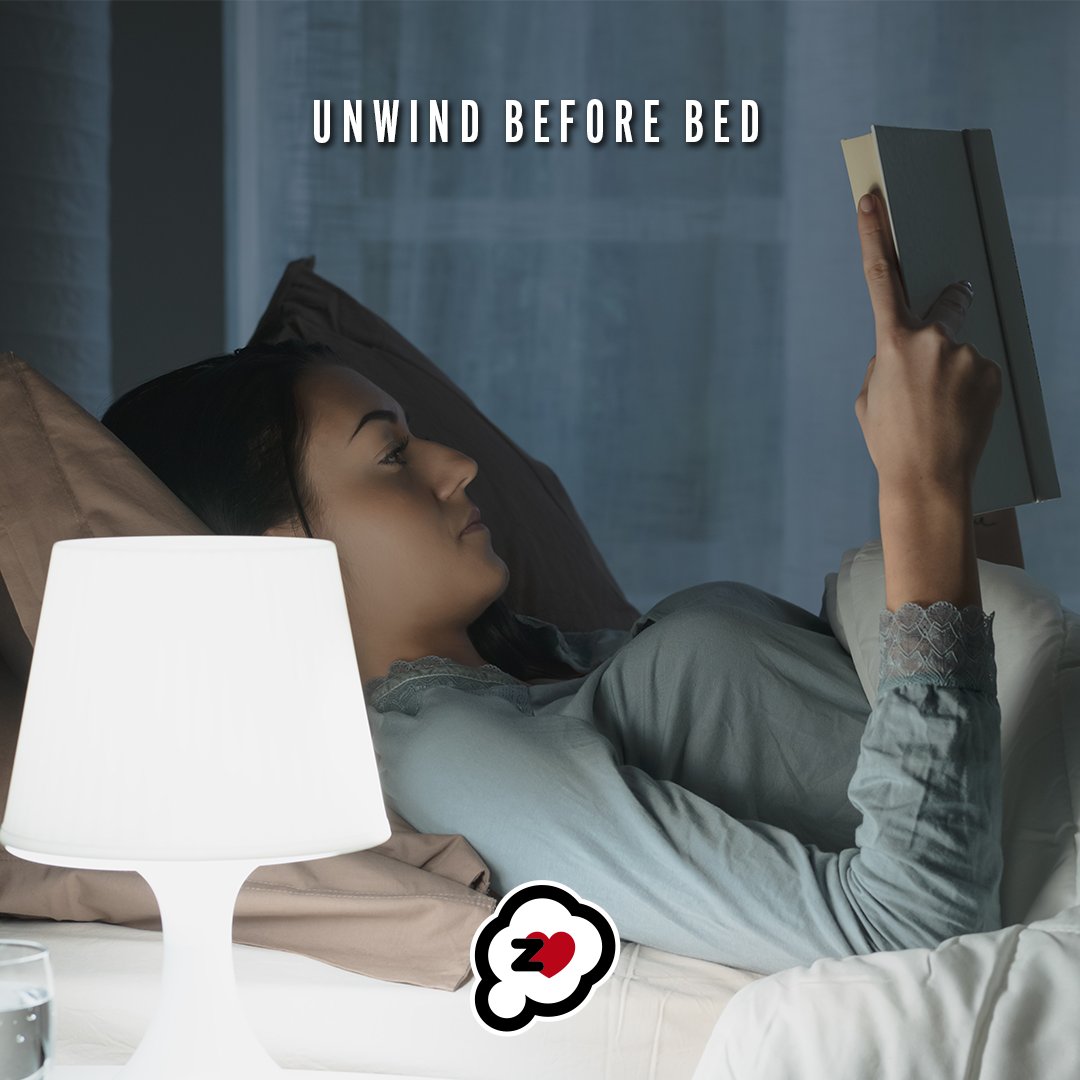
A pre-sleep routine can be more beneficial thank you think! Relaxation techniques before bedtime can reduce insomnia and increase overall sleep quality. Some of the tips we suggest are listening to relaxing music, reading a book, taking a hot bath, and deep breathing.
Exercising is one of the simplest ways to ensure more restful sleep. Working out during the daylight hours has actually been linked to decreasing symptoms of insomnia. By adding exercise into your daily routine, you nearly halve the amount of time it takes to fall asleep.