Exciting findings on thermal tolerance in Enchytraeus albidus! E. albidus has a wide thermal niche ranging from ca. −25 to +35 °C. Injury accumulation rates can predict TDT50 in dynamic assays. #thermalbiology#soilinvertebrates
https://t.co/J2Eh5FgALg
Congratulations 👏 to our Master student, Sara Marie Kryger, for her wonderful Master's thesis defense 👩🎓and all her interesting work on thermal tolerance❄️in E. albidus 🪱 within our research group, @ClimateStress
Does soil drought influence detoxification processes in springtails?
Results from @ClimateStress@wybiology351
show this could be the case.
https://t.co/TOtl2sfSSE
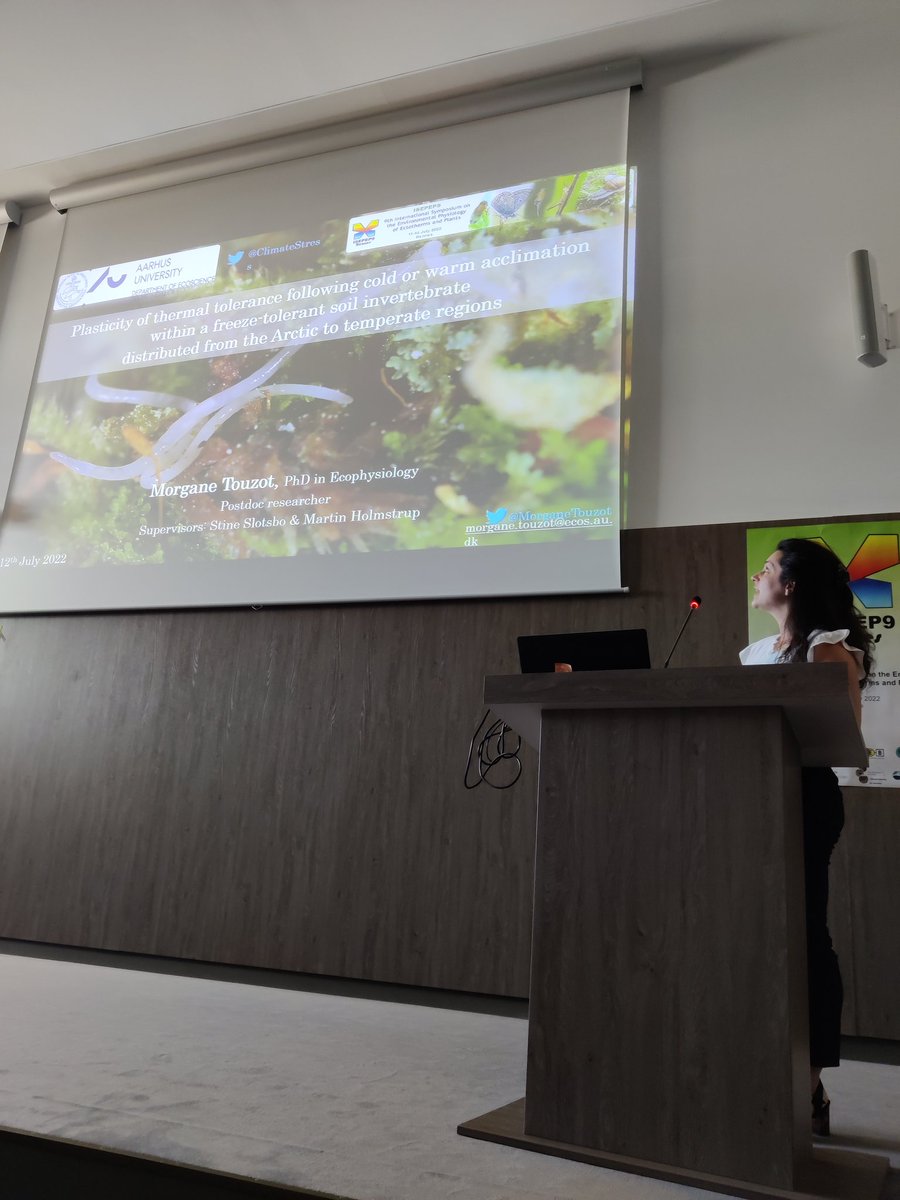
Last before the break is @MorganeTouzot on plasticity of thermal tolerance following cold or warm acclimation within a freeze-tolerant soil in vertebrates distributed from Arctic to temperate regions !
#ISEPEP9
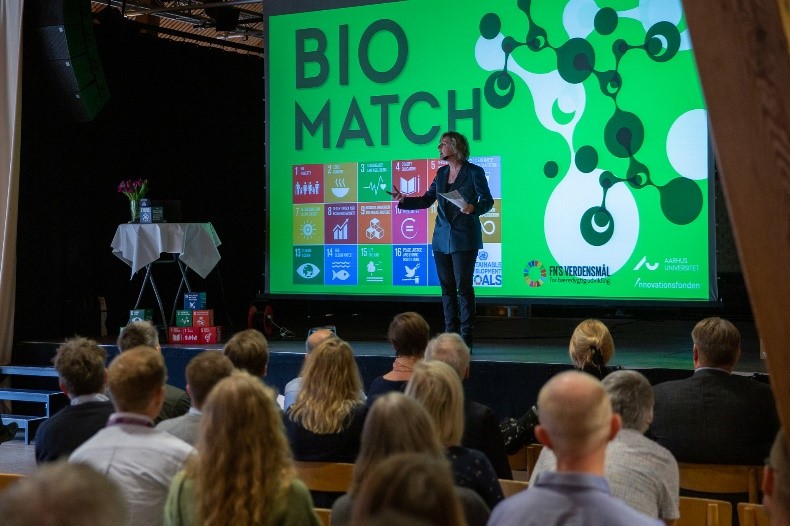
Grønomstilling kræver amarbejde. Grib muligheden og lad din virksomhed være en del af en spændende netværks dag BIO Match d. 23. Maj 2022 på Aarhus Universitet. Gratis deltagelse efter først til mølle princippet. Læs mere og tilmeld dig her: https://t.co/QTsedLUBNZ
New research shows how tree species, and to some extent the type of mycorrhizal association, define the soil fauna communities in forests.
#SoilFauna#SoilInvertebrates#SoilHealth#soil
https://t.co/rhxmjAaJvv
Mercury contaminated soil reduce freezing survival in earthworms. Likely caused by mercury-induced oxidative stress which impairs cell membrane, and by draining of carbohydrate energy storage which are used as energy source during freezing.
https://t.co/q9i9chpfJ5