This school is 5–7°C cooler inside than outside.
And the roof does most of the work.
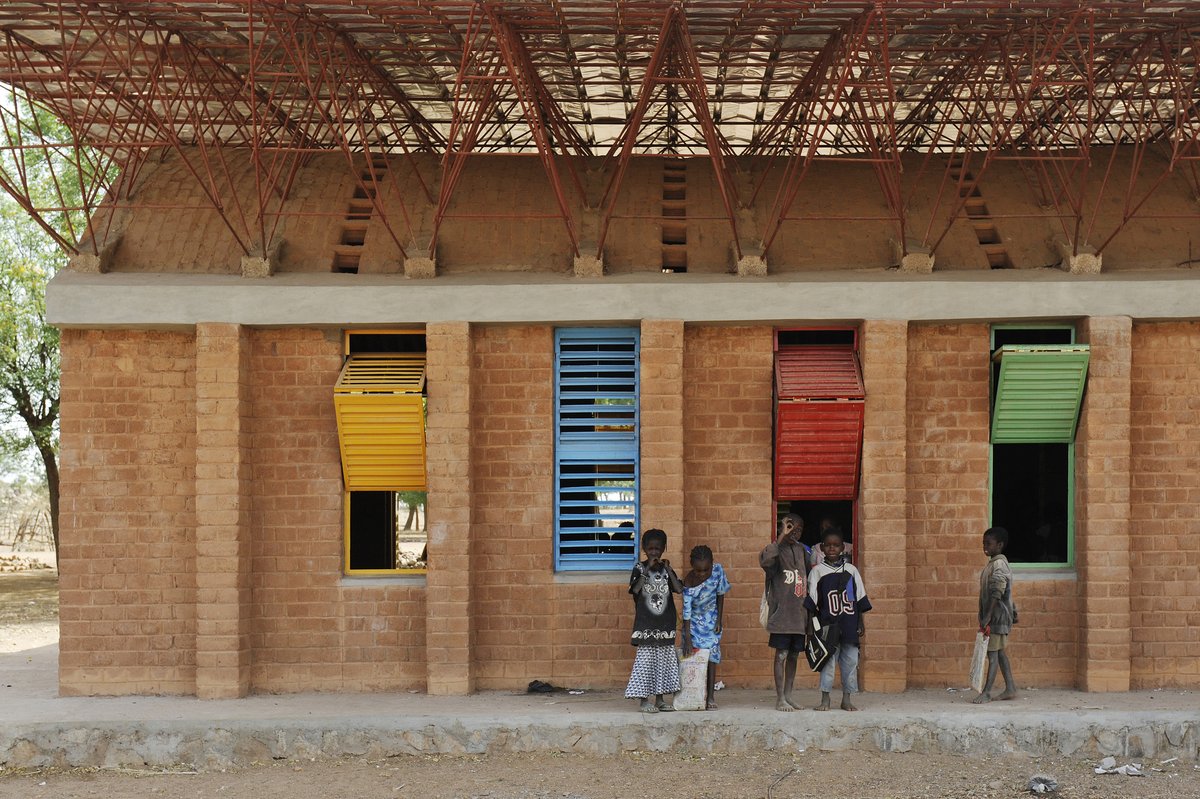
Gando Primary School was designed by Francis Kéré and built with the local community in Gando, Burkina Faso.
In hot climates, 40–60% of heat enters a building through the roof.
So if the roof performs well, indoor comfort improves significantly.
Here are key strategies used:
1. Double roof system
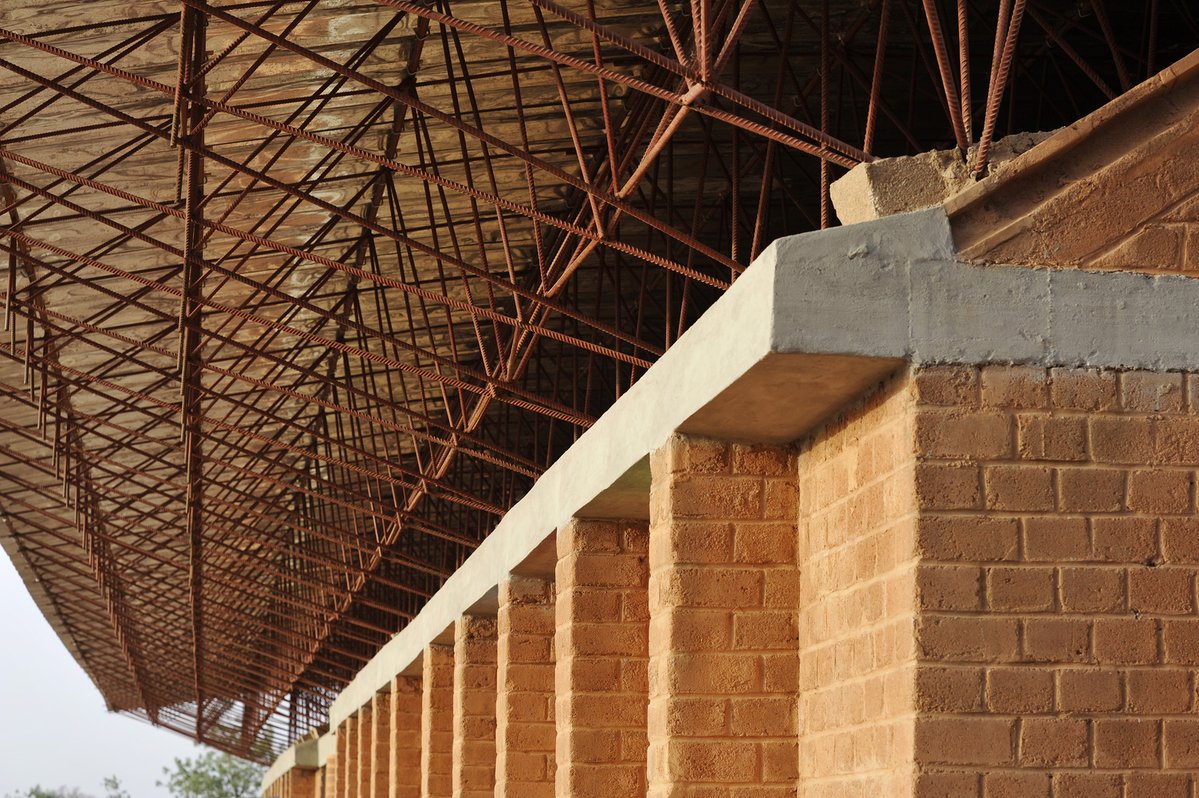
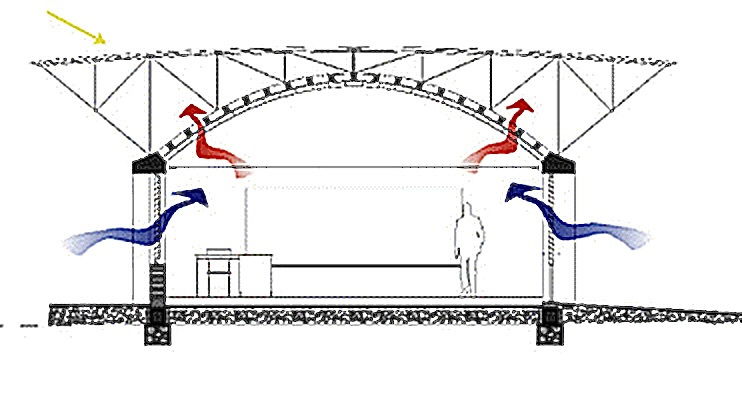
A metal roof sits above a clay brick ceiling.
Between them is an air gap.
When the metal roof heats up, hot air escapes through the gap instead of entering the classroom.
2. Clay brick vault
The clay ceiling absorbs heat slowly during the day and releases it at night, helping stabilise indoor temperatures.
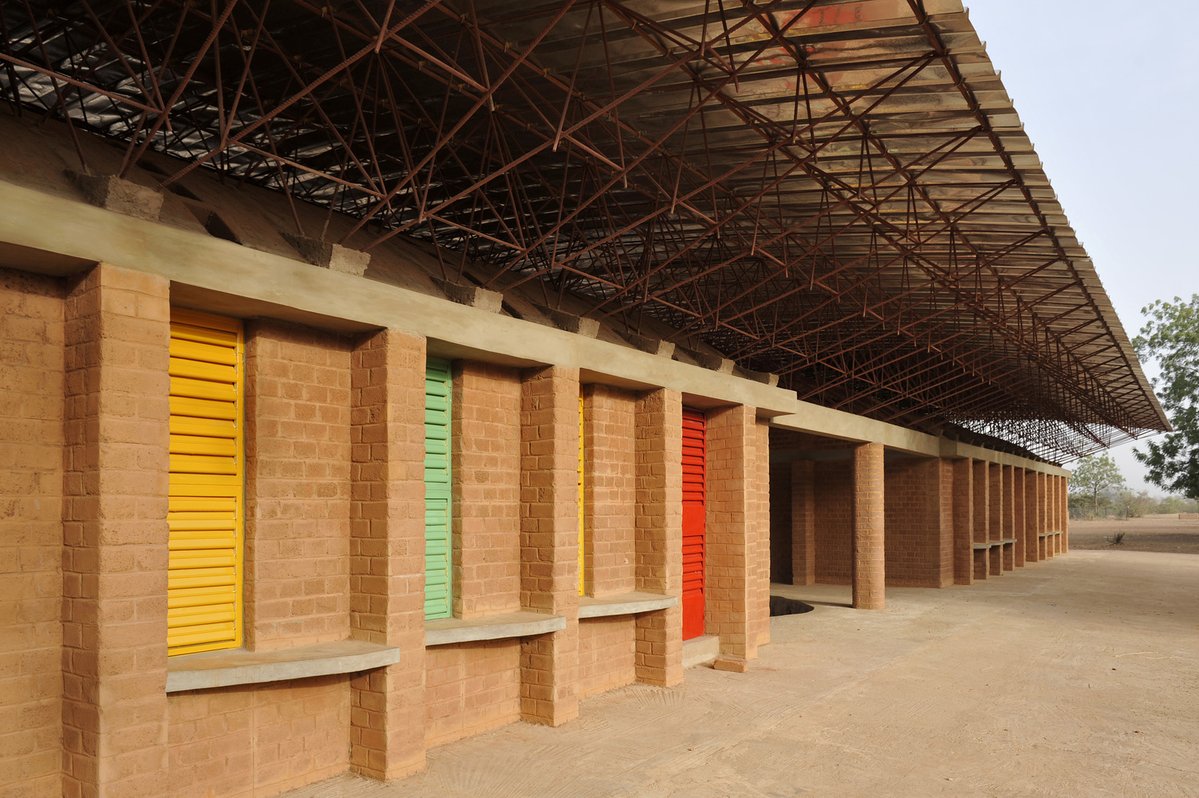
3. Large roof overhangs
They shade the walls and reduce solar exposure.
4. Raised roof structure
The lifted metal roof allows continuous airflow around the building.
5. Lightweight outer roof
The aluminium sheet heats quickly but releases heat quickly because of the ventilated cavity.
6. The most important cooling principle in this building is something I talk about often.
If you’ve been following my posts, you probably know it.
What is it?
Drop your guess in the comments.
Temperatures in Gando can reach 40–42°C, yet the classrooms stay around 34–36°C without air conditioning.
I’ve been getting many questions about climate-responsive design lately, so I’m building a framework that breaks down the principles behind passively cooled buildings in hot climates.
If you'd like early access,
join the waitlist via the link in the comments.
You had all the time to tweet whatever nonsense you tweet to us everyday and share pictures of your scorecard, instead you’ve watched the country going to pits from your high seat because you are too powerful none can touch you, but there’s the finger of God. His finger alone.