Exploring #humancentric#PositiveEnergyDistricts. Focused on building efficiency and energy justice for sustainable living. Funded by @EU_H2020 @MSCActions
Last article as part of my PhD has been published! This is one I particularly enjoyed writing as it involved speaking to those working in the clean energy transition in Latvia and the Netherlands. (1/2)
https://t.co/qgKJL8W3jh
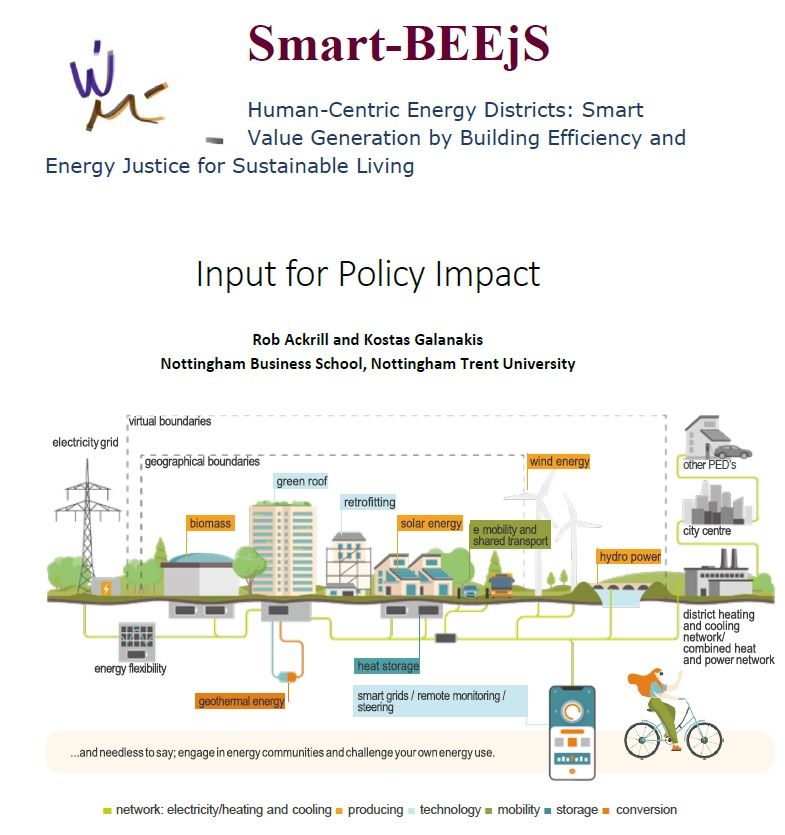
🔋🏘Ya está disponible el informe final del proyecto #SmartBEEjS que resume las claves para promover el desarrollo de 'Distritos de Energía Positiva'
➡ Descárgatelo aquí: https://t.co/xxLhXknDnU
🔎https://t.co/3IS7KOPw9z
#PositiveEnergyDistricts#PEDs#PolicyReport @MSCActions
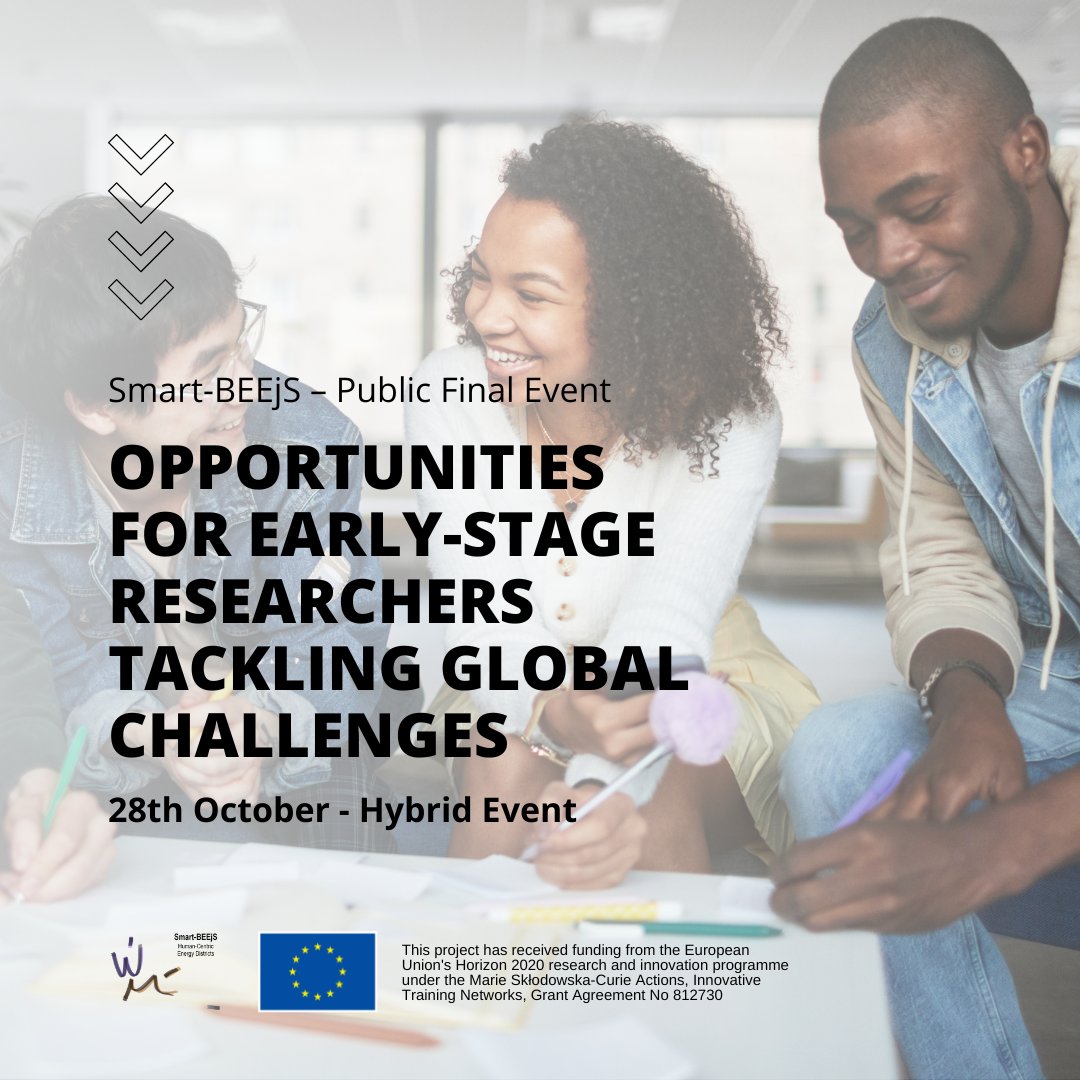
🔬Ven a conocer las oportunidades para desarrollar tu carrera investigadora en la Jornada de @SmartBEEjS de este viernes, de la mano de expertos de @MSCActions, @EURAXESS/@FECYT_Ciencia y @ULPGC
🗓28 octubre🕘9:00
📍ITC, SC Tenerife💻ONLINE
https://t.co/fa0wZh53sG
#researchers
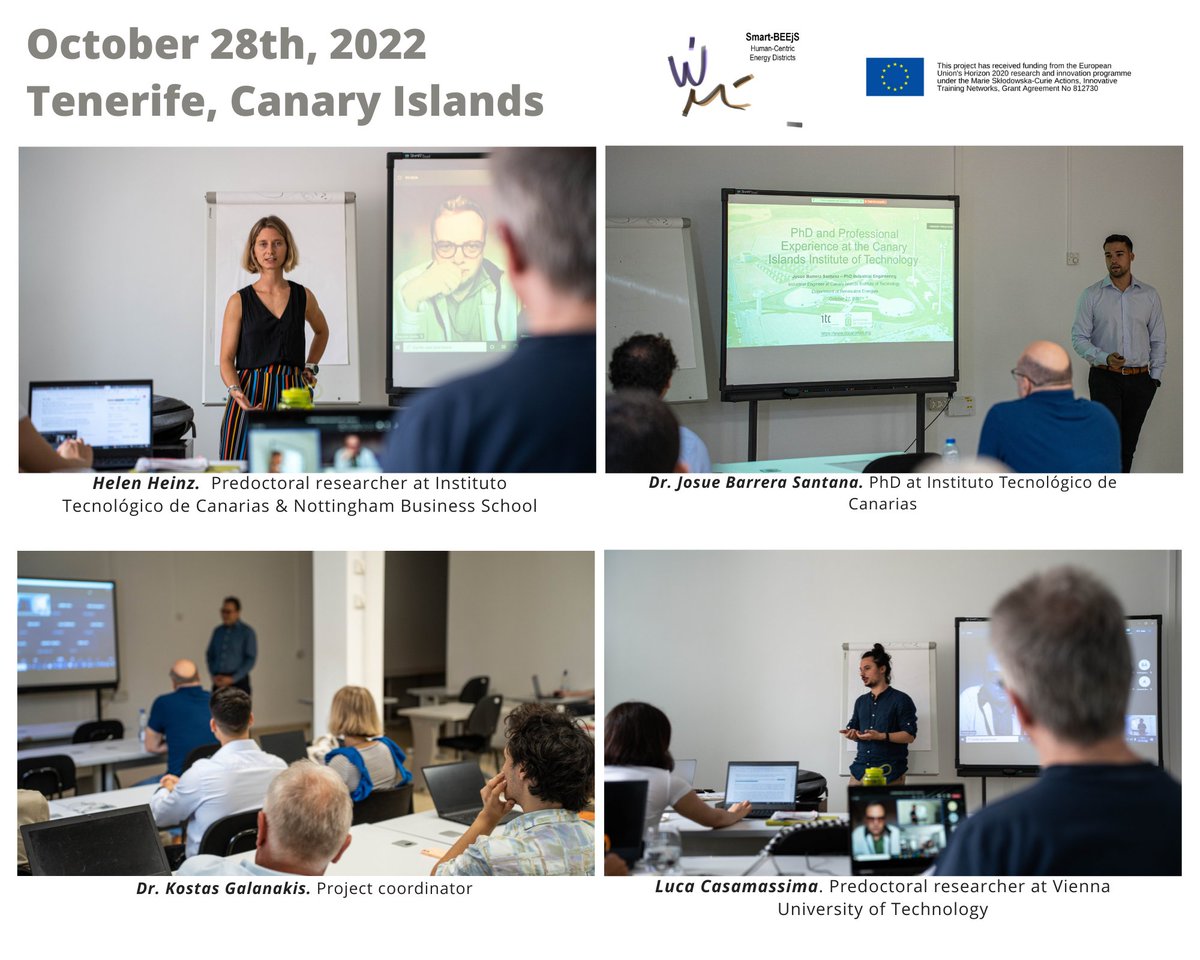
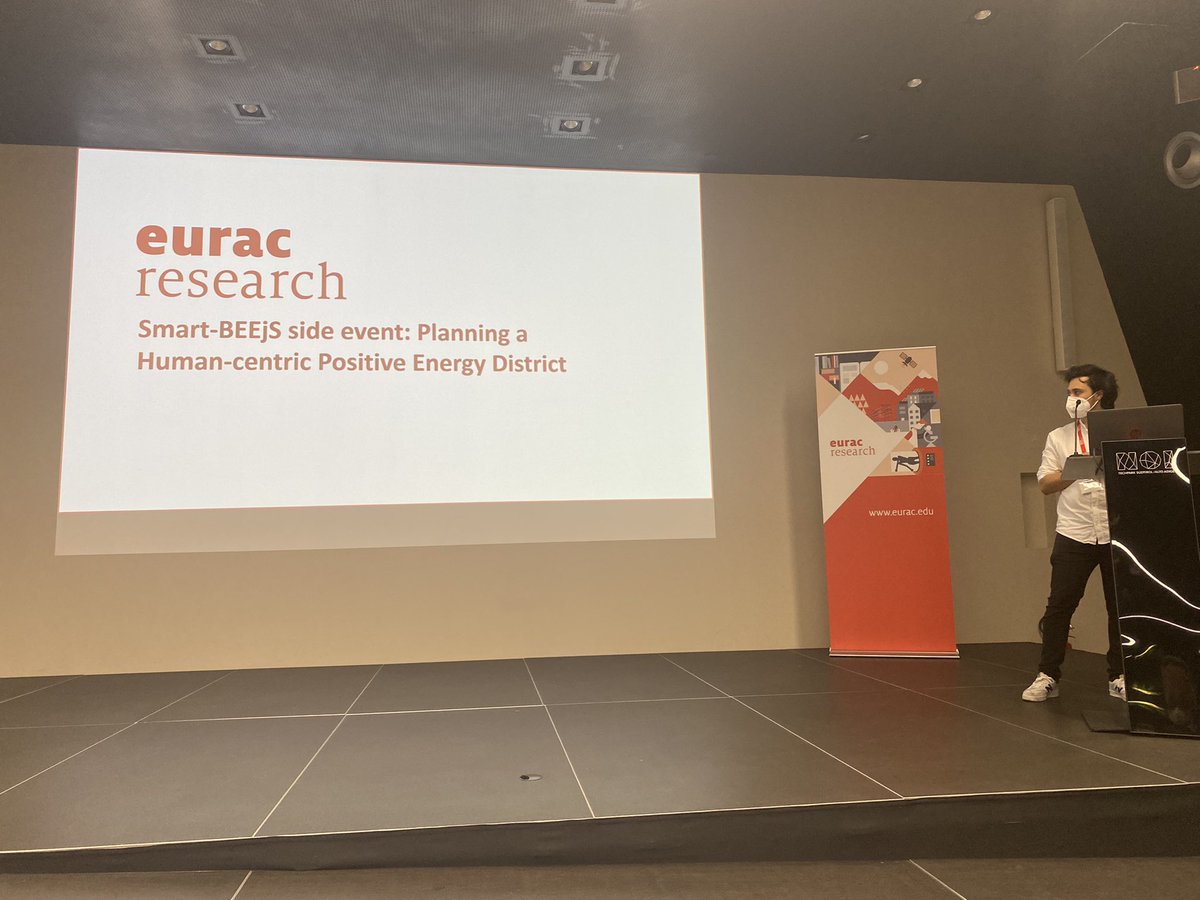
The @SmartBEEjS project is drawing to a close and we will celebrate on Friday, Oct 28th with a hybrid event to share our project results. PhD students and local researchers from the #CanaryIslands will also share and exchange. Register to join here: https://t.co/6BqJplVGgK
Help us to figure out the best ways to navigate through the energy transition! Fill in this online questionnaire & share it to help scientists to develop tailor-made solutions to support municipalities' climate friendly urban developments: https://t.co/cQgZHQWOjY
@Energy4Europe
Are you developing Positive Energy Districts?
🏙 ⚡️➕
Join us to discuss the methodology developed by the #Cities4PEDs to make sure you are asking yourself the right questions at the right time.
📆 Oct 20th
🕐 2 to 5 pm
💻 Online Workshop
✍️ Register https://t.co/BgMV8pN8z9
New research on building envelope #retrofitting for #PositiveEnergyDistricts by @Axel0lexA. In this paper he shows that envelope retrofitting is critical to achieve PED status but climate and settlement density determine the actual value of retrofitting... #renovationwave@ped_eu
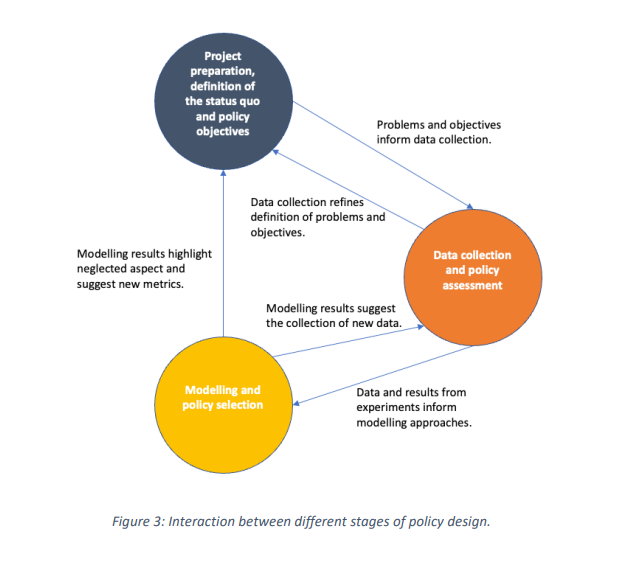
We finalize by describing interactions between the different stages of policy design, suggesting that
the design of policies needs to be a recurring process based on cooperation and comprising multiple
discussions with the population. (3/3)
These include adopting a systems thinking approach, carrying-out representative interviews, living labs to co-create solutions with citizens, and using modelling approaches that can give an idea of how policies impact environmental and social conditions in the district. (2/3)
🎉Hot off the press!
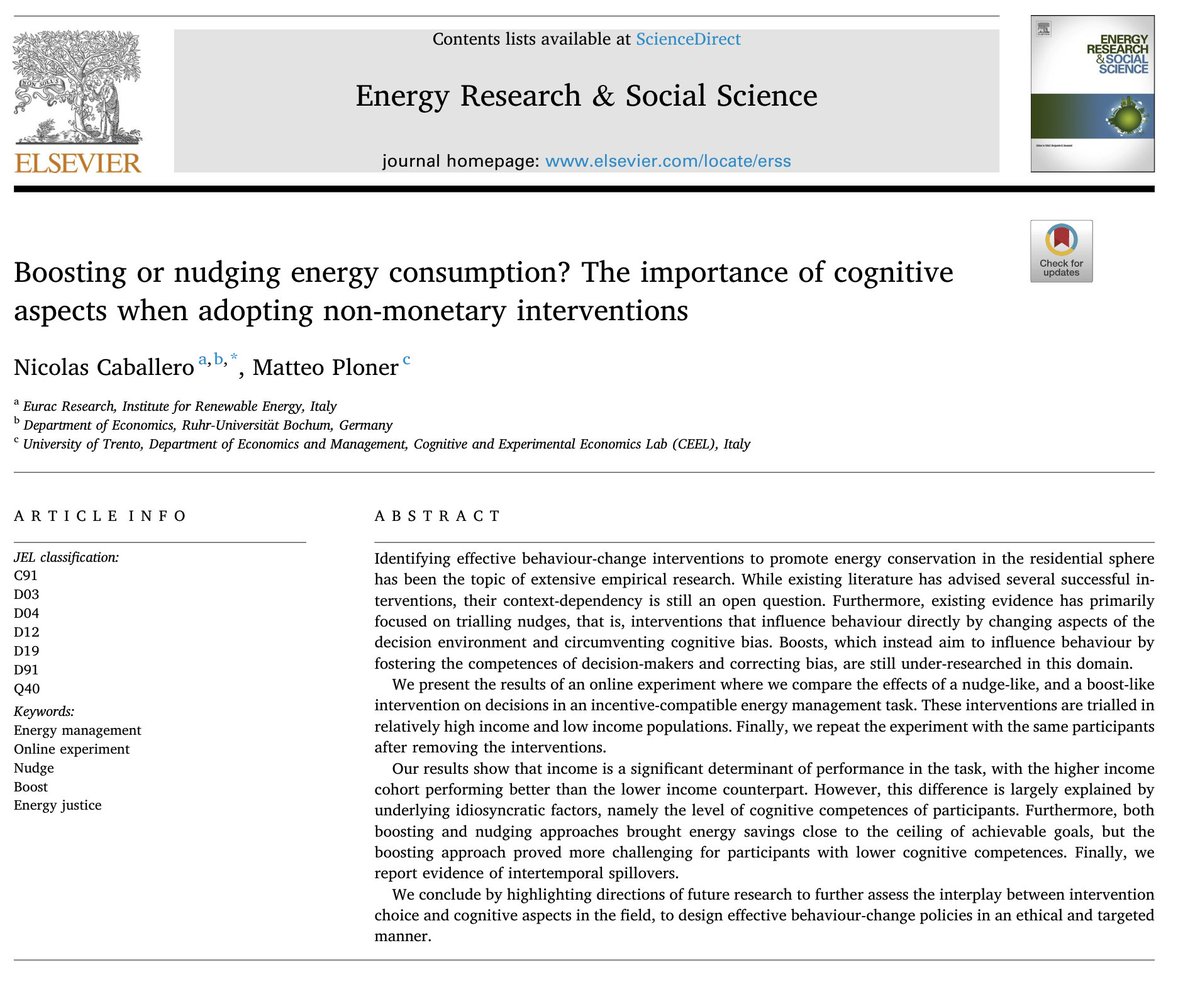
In our new paper with @ploteo we take an experimental approach to assess the effectiveness of boosts and nudges for optimising residential energy consumption - both can be effective but we need to consider cognitive aspects! https://t.co/BRqZ9y3RVr
We published a paper to facilitate the comparability of districts for the creation of Positive Energy Districts to increase the ability to learn from existing projects. This work was done as part of the @SmartBEEjS Techno-Economic Work Package:
https://t.co/Wi0BXVq9fy
#peds
😵Sharing learnings about sharing learnings.
✍In our newest #blog, @poelmarije from @HvA reflects on her experiences of developing the introductory module of our #MOOC https://t.co/dLkdu9sn2Q on Positive Energy Districts.
https://t.co/7UGYQair88
#EnergyTransition#Amsterdam
Everything you need to know about Positive Energy Districts (PEDs) answered in ten questions about enabling 100 PEDs across Europe by 2025, in terms of framework conditions, prefiguration and emerging impact! Collaboration through @COSTprogramme@ped_eu: https://t.co/pP7WATir5H
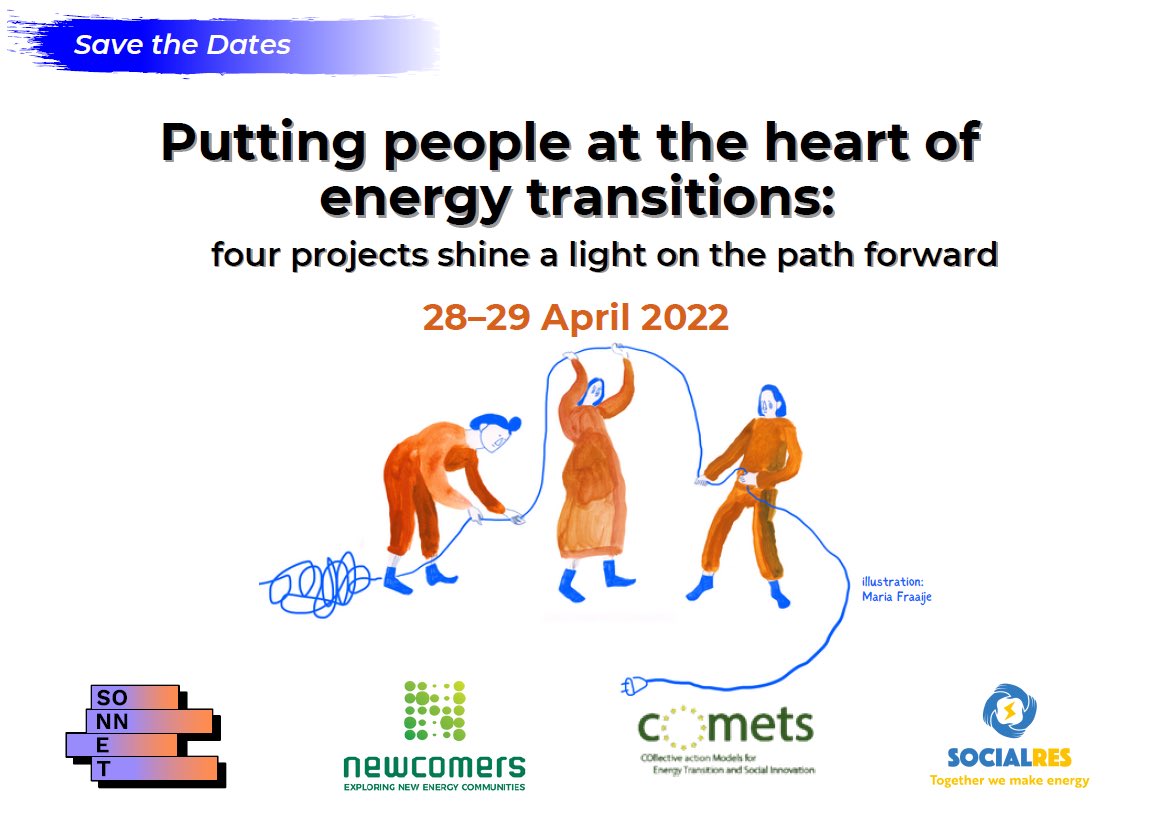
📆 SAVE THE DATE 📆 We are joining
@SocialRESeu , @CometsH2020 and @SONNET_energy to host a conference on "Putting people at the 💚 of #energytransition"
Join us online: https://t.co/A5LJwUOjNS
More info: https://t.co/Sj6WVDpm1S