The goal is to develop and demonstrate a next generation, cost-effective, smart multimodal sensing platform to reduce incidences of sudden death caused by CVD.
Assessing doping strategies for monolayer MoS2 towards non-enzymatic detection of cortisol: a first-principles study - now published in Physical Chemistry Chemical Physics https://t.co/rBSEdQVoBM
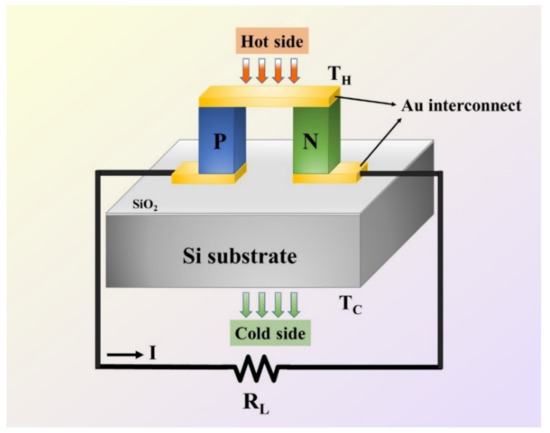
Structural Design Optimization of Micro-Thermoelectric Generator for Wearable Biomedical Devices https://t.co/ED92veDbb3 #mdpienergies via @energies_mdpi
Structural Design Optimization of Micro-Thermoelectric Generator for Wearable Biomedical Devices https://t.co/ED92veDbb3 via @MDPIOpenAccess@SmartVista_EU
Tyndall & @UCC Researchers Awarded €3.5 million To Turn Waste Heat into Electricity. Read the full story here - https://t.co/hqf6AkcKHF.
@EUeic#H2020#TechNews#Sustainable#Energy
1D Nanomaterial‐Based Highly Stretchable Strain Sensors for Human Movement Monitoring and Human–Robotic Interactive Systems
@SmartVista_EU
https://t.co/a3U8dH5jAl
In our series, The ECS Community Adapts and Advances, University College Cork (UCC) Professor of Chemistry Colm O’Dwyer talks about how he, his students, and colleagues are managing research and coursework since Ireland shut down on March 11, 2020.
https://t.co/ViIablC846
Enhanced Thermoelectric Properties of Electrodeposited Cu-Doped Te Films https://t.co/zSDSU34pDE
A promising high power-factor electrodeposited Cu doped Te thermoelectric material for thin-film device applications.
@TyndallInstitut@SmartVista_EU#EnergyHarvesting
Game changing technology - Tyndall leads €4m @SmartVista_EU project to develop a wearable, wireless heart monitor, potentially saving lives and allowing patients to live more independently. Read more https://t.co/j2YegpVksc … #tyndallinstitute#deeptech#digitalhealth#heart