Before lifting: check the load, clear the route and use mechanical help when needed. Keep loads close and avoid twisting. https://t.co/5yg99kyxfM #WorkplaceSafety#TalksZone
Carbon monoxide is invisible and odourless. Test CO alarms monthly. Never run generators or barbecues indoors or in a garage. If an alarm sounds, get outside and call 911. https://t.co/5yg99kyxfM #HomeSafety
Prepare for winter slips and falls: inspect walkways, clear snow and ice, stock salt or sand, and wear slip-resistant footwear. https://t.co/5yg99kyxfM #WinterSafety#WorkplaceSafety
A near miss is a warning. Report it, identify the hazards, take corrective action and follow up. Encourage reporting, not blame. https://t.co/5yg99kyxfM #WorkplaceSafety#NearMiss
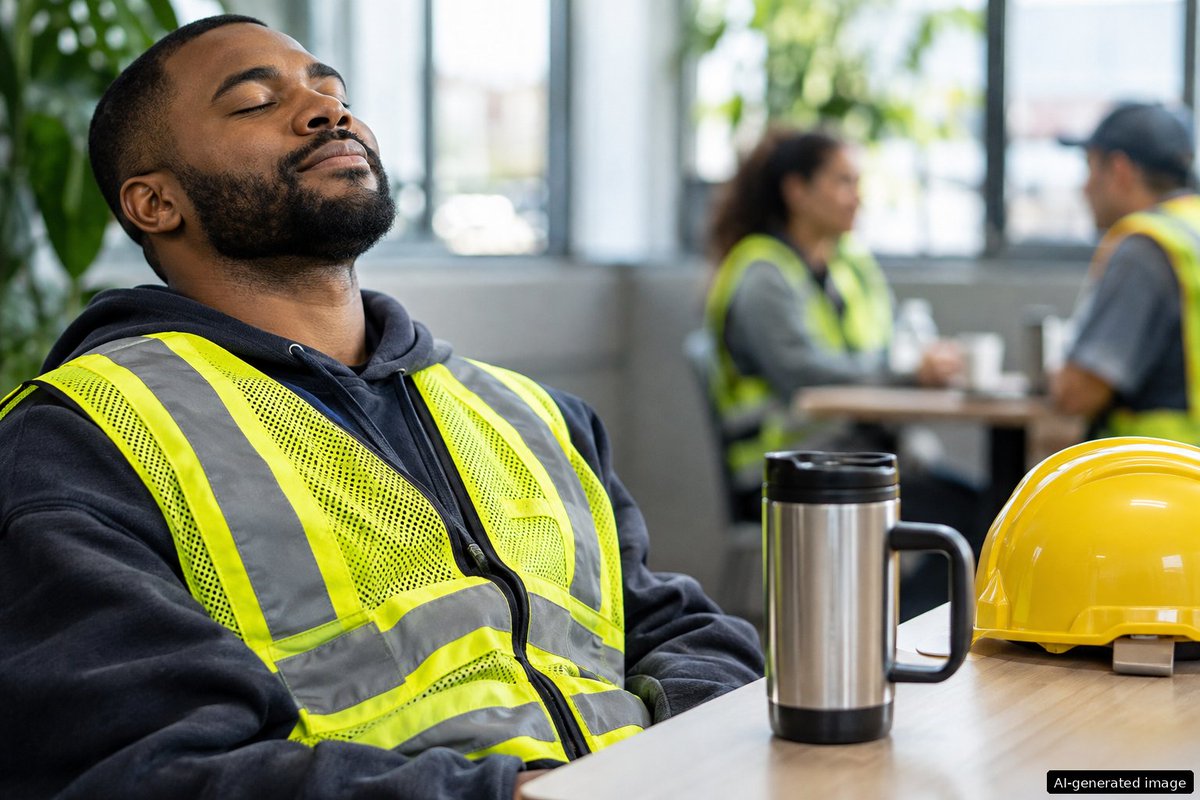
Breaks support focus and well-being. Step away, hydrate and recharge. Supervisors: make sure breaks are planned and respected. https://t.co/5yg99kyxfM #WorkplaceWellness
Training isn't just attendance. Demonstrate safe procedures, let workers practise, and check understanding before independent work. https://t.co/5yg99kyxfM #SafetyTraining#WorkplaceSafety
Five Minutes That Could Prevent a Workplace Accident
A short safety conversation at the start of a shift can make a real difference.
Before work begins, take five minutes to discuss:
✅ What hazards are present today?
✅ Has anything changed since the last shift?
✅ Does everyone have the right equipment and training?
✅ Are there any concerns or near misses to discuss?
The best safety meetings aren't lectures. They're conversations that encourage workers to speak up, share experiences and identify risks before someone gets hurt.
Make safety part of every shift, not just a monthly reminder.
Keep your team engaged with TalksZone Weekly Safety Meeting Briefs.
🌐 https://t.co/M6G5C4sxnJ
#WorkplaceSafety #SafetyTalks #TalksZone #SafetyLeadership #SmartWorkplace
Carbon monoxide is invisible and odourless. Test CO alarms monthly, service fuel-burning appliances and never run a vehicle or generator in a garage. If an alarm sounds, get outside and call 911. https://t.co/5yg99kyxfM #HomeSafety#CarbonMonoxide
First frost can make entrances and walkways slippery—even without snow. Clear wet leaves, check walking routes, wear footwear with good traction and report hazards promptly. https://t.co/5yg99kyxfM #SlipPrevention#WorkplaceSafety
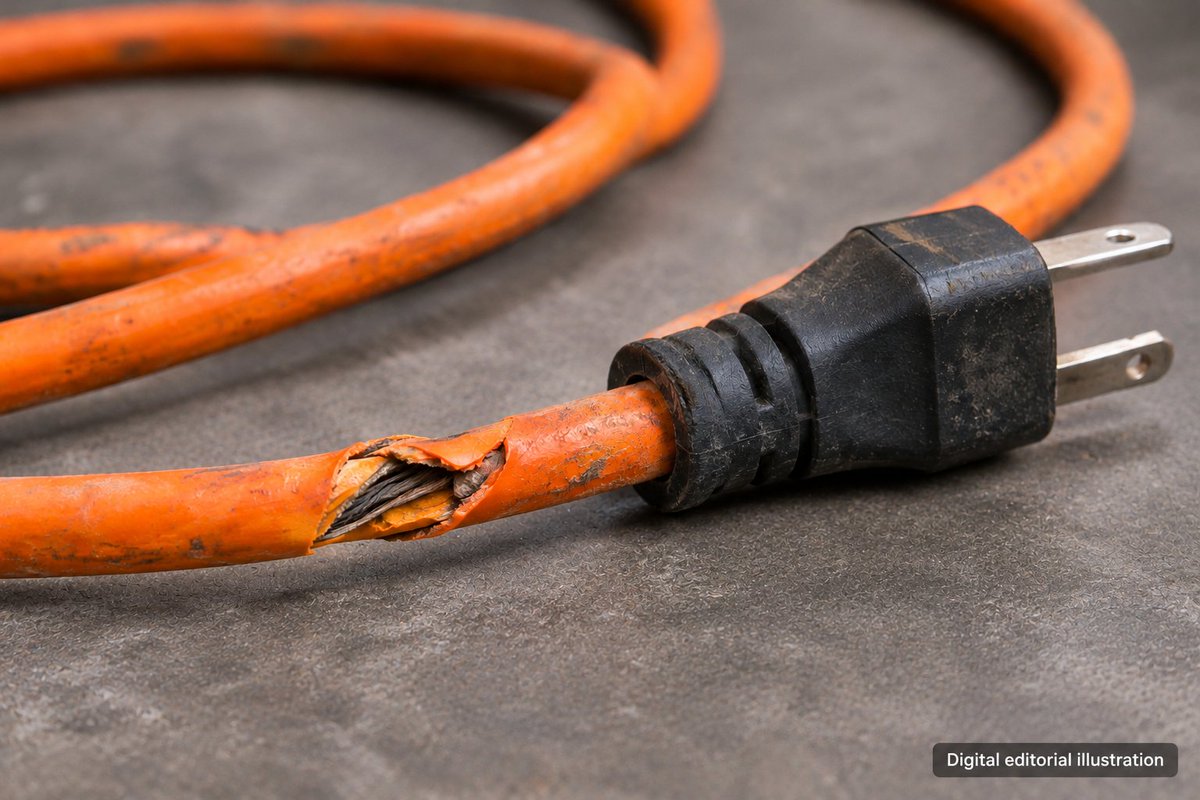
Check extension cords before use. Frayed insulation and damaged plugs can cause shock or fire. Remove damaged cords from service; never tape over damage and keep using them. https://t.co/5yg99kyxfM #ElectricalSafety#WorkplaceSafety
Shorter days can affect energy and alertness. Keep a consistent sleep schedule, get daylight when possible, recognize fatigue and speak up if you're too tired to work safely. https://t.co/5yg99kyxfM #WorkplaceWellness#FatigueAwareness
Safety training shouldn't end with a signature. Can workers demonstrate the task safely? For lockout procedures, practise identifying energy sources, isolating equipment and verifying isolation under supervision. https://t.co/5yg99kyxfM #SafetyTraining#WorkplaceSafety
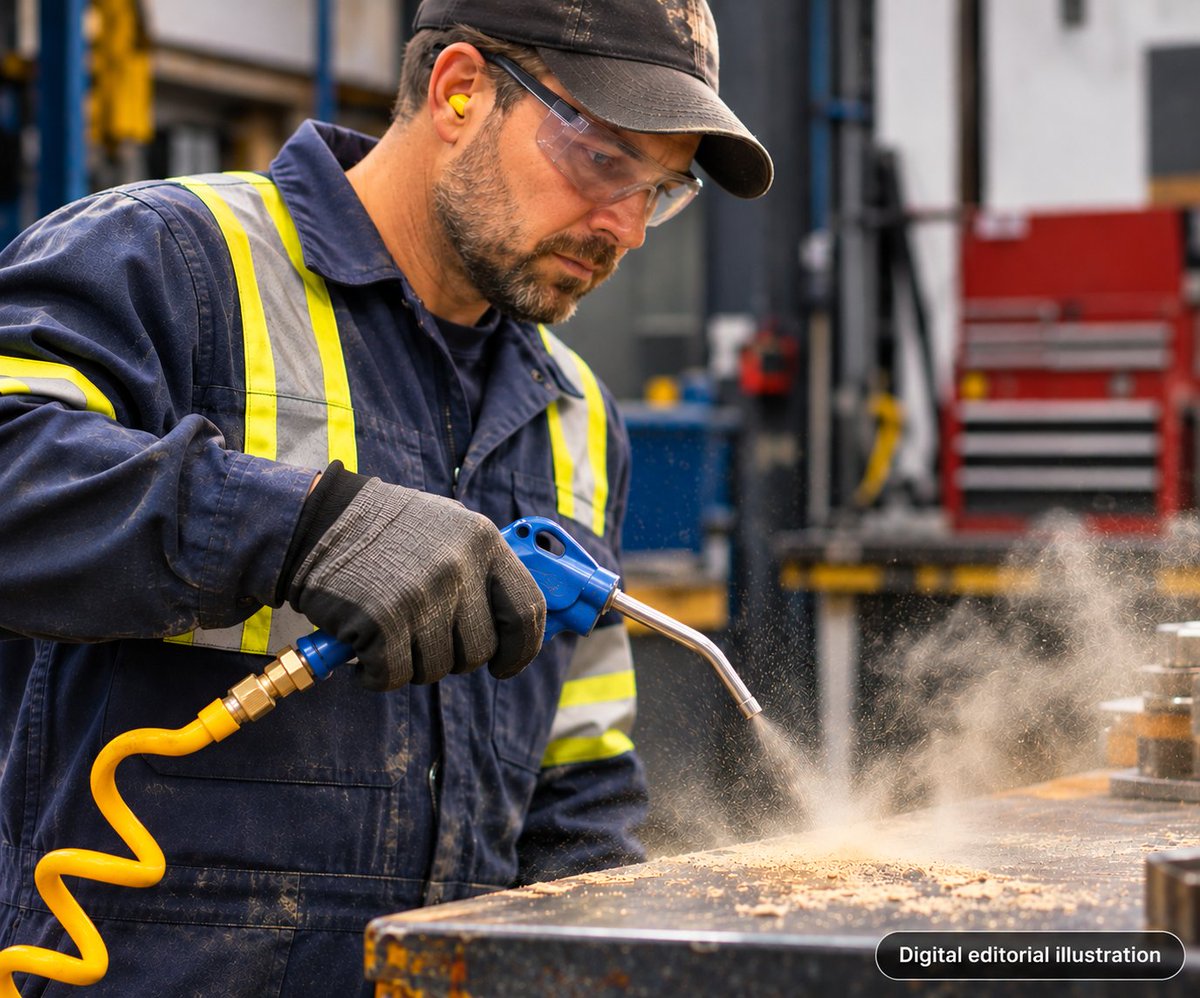
Compressed air is not harmless air. Never use an air hose to clean clothing or skin. Flying debris and damaged fittings can cause serious injuries. Use approved cleaning methods and inspect equipment. https://t.co/5yg99kyxfM #WorkplaceSafety#TalksZone
⏰ Clocks back. Alarms checked? Test smoke and carbon monoxide alarms, check batteries and expiry dates, and make sure they're installed where required. A few minutes today could save a life. https://t.co/5yg99kyxfM #HomeSafety#FirePrevention
🎃 Keep the scares in the decorations—not the first-aid kit! Carve pumpkins on a stable surface, let adults handle cutting tools, and use LED candles instead of flames. Happy Halloween from Smart Workplace! https://t.co/5yg99kyxfM #HalloweenSafety
Shorter daylight hours mean more work in low light. Check stairwell and walkway lighting, report burned-out bulbs, and watch for obstacles that are hard to see. Good lighting helps prevent injuries.
https://t.co/5yg99kyxfM
#WorkplaceSafety#InjuryPrevention
A lifting injury can happen in seconds. Before lifting, check the load, clear your route and keep it close. Avoid twisting, and use a cart or ask for help with awkward loads. A few seconds of planning can prevent serious injuries.
https://t.co/M6G5C4sxnJ
#WorkplaceSafety #InjuryPrevention
You don't have to fall asleep to be too tired to drive.
Fatigue can affect reaction time, concentration and decision-making—sometimes before drivers realize how tired they are.
Watch for warning signs:
• Frequent yawning or heavy eyelids.
• Difficulty concentrating or remembering the last few kilometres.
• Drifting within your lane or missing road signs.
• Feeling unusually restless or irritable.
If you're struggling to stay alert, pull over somewhere safe and rest. Coffee, loud music and open windows are no substitute for adequate sleep.
Whether you're commuting home or driving for work, arriving safely matters more than arriving quickly.
More practical safety guidance at https://t.co/M6G5C4sxnJ
#RoadSafety #DriverFatigue #WorkplaceSafety #SafeDriving
A machine that's switched off isn't necessarily safe. Every year, workers are injured when equipment unexpectedly starts or releases stored energy during maintenance, cleaning or repairs. Before working on equipment: Identify all energy sources, including electrical, hydraulic and pneumatic. Follow the approved lockout/tagout procedure. Release or secure stored energy. Verify isolation before beginning work. Never assume equipment is safe simply because it has stopped running. Proper energy isolation can save lives. More workplace safety guidance at https://t.co/M6G5C4sxnJ #WorkplaceSafety #LockoutTagout #MachineSafety #InjuryPrevention
A stopped machine isn't always a safe machine.
Before clearing a jam, follow your lockout procedure: isolate all energy sources, control stored energy and verify isolation before starting work.
Safety starts before the repair.
https://t.co/M6G5C4sxnJ
#WorkplaceSafety #LockoutTagout