Rearabilwe - Out This Friday
A heartfelt thank you to everyone who poured their time, talent, and energy into bringing this album to life. Your contributions made this project everything it is.
https://t.co/9Iqn7oDvCk
Buy land from the Municipality
1. Identify the land you want
Visit your municipality’s Town Planning or Property Management office and ask for a list or map of land available for sale.
You can also point out a vacant plot you’re interested in and ask if it’s municipal property.
2. Confirm who owns it
Get the Erf number and check ownership at the Deeds Office or online (Windeed, Lightstone, Property24 Pro).
If it’s owned by the municipality, you can apply to buy it.
3. Write a formal application
Send a letter of intent to the Municipal Manager or Property Department.
Include:
Your name & ID
Erf number
Intended use (home, business, farming, etc.)
Short motivation for why you want to buy it.
4. Wait for the municipal review
They’ll check:
Zoning and land use
Whether it’s available for sale
If it needs council approval.
5. Valuation & offer stage
A municipal or independent valuer sets the market price.
You’ll then get invited to make an offer — either directly or through a tender/bidding process.
6. Payment & transfer
Once approved:
👍 You’ll get a formal offer to purchase (OTP)
✅ Pay the agreed amount
✅ Their lawyers handle the transfer at the Deeds Office
When registration is done — the land is officially yours! 🏡
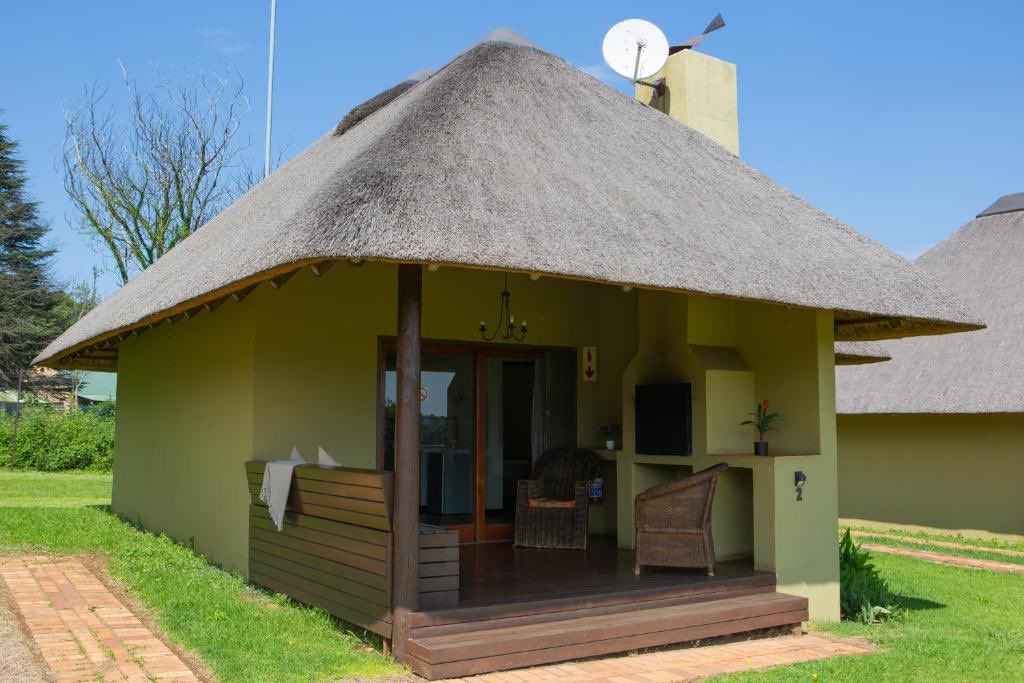
Impangele lodge in Krugersdrop This is for those who want to try out bush getaways on a low budget . First time for everything, this is for you. Less than R1000 per night.
1. Research the company; always good to know their competitors, their competitive advantages & anything interesting you may talk about the company/organisation if asked in the interview.
2. If it’s physical face to face, arrive early at least 15 minutes, this helps to calm you down. If it’s virtual test your connection 15 minutes before and make sure you have a quiet room to conduct the interview. Your face must be presentable, background clean without clutter/noise. If its face to face, pay attention to your dress code; don’t overdress nor underdress.
3. Mind your language, posture, and nonverbal language. It is a professional meeting so casual banter that is not relevant can make you appear as not too serious
4. Be brief but concise about who you are. If applicable, be clear about your skills, abilities, what you’ve accomplished/achieved. This includes but not limited to specific examples of how you achieved your KPIs, dealt with difficult situations or met/exceeded targets. Also have an idea of your career interests; that is, why are you keen on this career path.
5. If not experienced, focus on the specific job requirements and how your education, skills are relevant to the post, and how you intend using them to achieve the position’s KPIs. Have key selling points about yourself, why should you be hired. Highlight any specific skills, competencies you have, and which are relevant to the applied post. In other words, think as if you are the employer. Why would/should they hire you? No one likes a complainer, so avoid negative experiences during an interview unless you were asked about them. Be polite but assertive and confident, show that you are confident, not overconfident, and make respectable eye contact; be engaging
5.1 Prepare for common questions; the usual, tell us about yourself, your marital status, etc. Here you simply focus on who you are (summarising your CV profile).
5.2 Have an idea of your strongest points and abilities which you think make you the best candidate suited for that position. It goes to my point of selling yourself if asked why we should hire you
6. Ask about development opportunities available and career growth opportunities. Can also ask about the company’s culture, its remuneration policy, working conditions, and career growth policy
7. If applicable, demonstrate how you have used specific skills and experience to deal with situations and how you approach problems, tasks, and challenges
8. Situational scenarios like tell us what you would do if this happened, etc, requires you to think fast and provide a credible response that addresses the problem mentioned. They are trying to see if you have problem solving skills. You can also be asked how well you work with others, and whether you are a team player. Be specific about your ability/willingness to work in a multidisciplinary team and equally competent to work with minimum supervision
9. If applicable, and when asked why you want to leave your current employer, be truthful about what attracted you to the post/company, and you can list reasons such as career growth which you do not think your current environment provides; opportunity to learn new skills/take on new challenges; upward mobility; career change because you want growth; excited at the prospect of working for a progressive and growth organisation, etc.
10. When asked about your weaknesses, focus on areas you would want to improve in terms of your skills, knowledge, and career development; identity where you think you need greater proficiency
11. If asked how you solved a problem, describe what it was, what was required of you and the specific actions you took and the outcome. If you were part of a group solving a problem, outline your specific contribution
12. If asked about where do you see yourself in 5 years, or whatever period, there is no one straight answer. As an example, you can focus on the eventual role/s you want to fill if given the opportunity.