A Vietnamese fisherman poses with a China Coast Guard firing water cannon in the South China Sea.
ASEAN states are so done with China's harassment that fishermen simply mock the bully instead of getting intimidated.
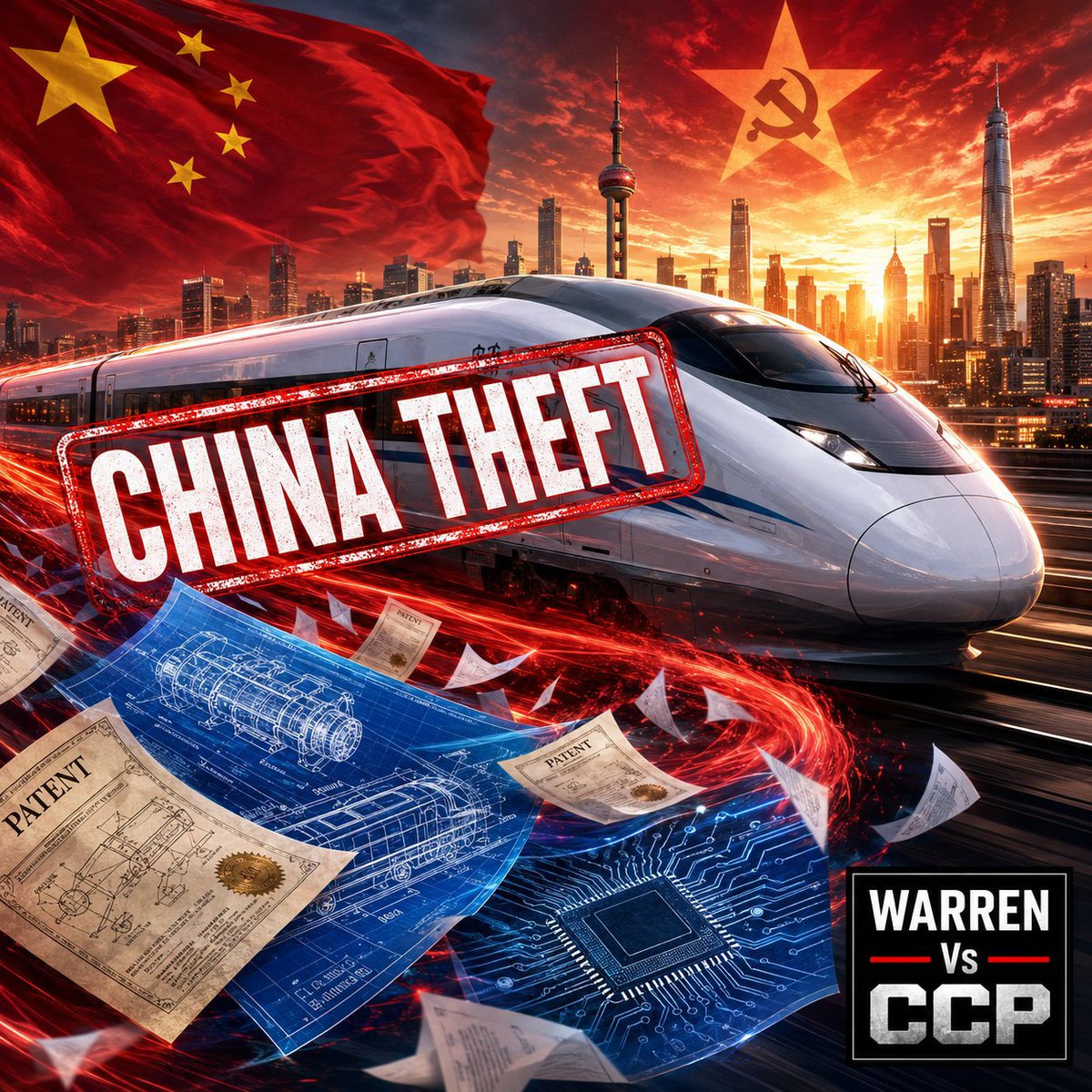
China Theft!
In the early 2000s, the Chinese Communist Party used its vast domestic high-speed rail market as a bargaining chip to successfully persuade international giants such as Kawasaki Heavy Industries of Japan, Siemens of Germany, and Alstom of France to sign technology transfer agreements.
Kawasaki Heavy Industries, based on the E2 series 1000 model of the Shinkansen, exported core technologies to China and cooperated in producing the CRH2 "Harmony" high-speed train.
Based on the principles of mutual commercial trust and technological exchange, the Japanese side provided complete structural drawings, manufacturing processes, and on-site guidance, and clearly stipulated in the contract that the imported technology was only for use within China and could not be disclosed or exported overseas without authorization.
However, after mastering the technology, China's railway authorities and China State Railway Group quickly launched a large-scale reverse engineering project, disassembling, precisely mapping and fully replicating the Japanese vehicles one by one. They made only slight adjustments to the front design or some lines, and then claimed to have "independently developed" the vehicles without obtaining further authorization from the original manufacturers. They then launched the "Harmony" series and the subsequent "Fuxing" series.
This practice of directly appropriating the research and development achievements accumulated by other countries over decades and deliberately downplaying original contributions is essentially a typical act of technology plunder, which seriously undermines the foundation of trust in international business cooperation.