One of the biggest misconceptions in high school sports is that coaching is primarily about practices, games, and wins.
The reality is that coaching has become one of the most challenging roles in education because coaches are expected to wear dozens of hats while being evaluated from every direction.
Every parent, player, administrator, and community member often has a different expectation of success.
One family wants college recruiting to be the priority.
Another wants playing time.
Another wants winning.
Another wants player development.
Another wants discipline.
Another simply wants their child to enjoy the experience.
The challenge is that those goals frequently conflict, and coaches are often expected to satisfy all of them simultaneously.
Most coaches are balancing far more than what happens between the lines. They manage team culture, player conflicts, parent concerns, academics, transportation, fundraising, budgets, equipment, scheduling, eligibility, social media issues, and the emotional needs of teenagers.
At the same time, every roster includes athletes with different abilities, goals, motivations, and commitment levels. Some dream of college athletics. Some are trying to make varsity. Some simply want to belong. Building one program that serves all of them is incredibly difficult.
Perhaps the greatest challenge is decision-making.
Who starts?
Who plays?
Who sits?
Who travels?
Who gets moved up?
Who gets cut?
Every decision creates opportunity for one athlete and disappointment for another. Even well-intentioned decisions can be viewed as favoritism or politics when seen through the lens of an individual family.
Recruiting adds another layer of complexity. Coaches are expected to help athletes pursue college opportunities while also managing the needs of an entire team. Supporting one athlete can sometimes raise questions from another family about their child’s opportunities.
Social media has amplified many of these challenges. One lineup decision, one difficult conversation, or one emotional moment can quickly become public discussion, often without the full context.
There are also pressures many people never see.
Pressure from administrators to represent the school well.
Pressure from parents to provide opportunities.
Pressure from athletes to help them achieve their goals.
Pressure from communities that often measure success by wins and losses.
Pressure to retain athletes in an era of increasing transfers and movement.
And all of this occurs while coaches are trying to develop young people, not just athletes.
What makes coaching difficult is not that people don’t care.
It’s that everyone cares deeply, but often about different things.
Parents focus on their child.
Players focus on their opportunities.
Administrators focus on the school.
Communities focus on results.
Coaches must somehow balance all of those interests while making decisions they believe are best for the team.
As a former college coach, athletic director, and high school administrator, I’ve learned that most coaches are not trying to hold athletes back, play favorites, or make life difficult for families. Most are simply navigating competing priorities, limited resources, and difficult decisions while trying to do what’s best for kids.
Because at its core, coaching has never really been about managing games.
It’s about managing people.
And that’s what makes it both incredibly challenging and incredibly important
My dad retired at 59
I will not
He had a pension. I have a 401k I can barely fund.
He bought his house at 28.
I can't touch a down payment at 30.
He paid $90 a month for health insurance. I pay $430.
At dinner he told me I need to be smarter with money.
I nodded.
Didn't tell him his entire life was built on an economy that no longer exists.
Didn't tell him my generation is paying for his Social Security while ours gets gutted.
Didn't tell him the ladder he climbed got pulled up right after him.
Just passed the potatoes.
Make it make sense
SHOCKING: A growing number of middle school athletes — mostly boys — are intentionally repeating 8th grade to delay their start in high school, giving themselves another full year to get bigger, stronger, and faster, which in turn dramatically boosts their chances at elite high school spots, college scholarships, and massive NIL deals potentially worth millions.
William La Jeunesse: “Of 8M high school students in sports only 7% will play in college.”
“On the other hand, the [likely] number one pick in this year’s NBA draft, [AJ Dybantsa], did 8th grade twice.”
CRAZY IDEA: How about we let more kids be kids!
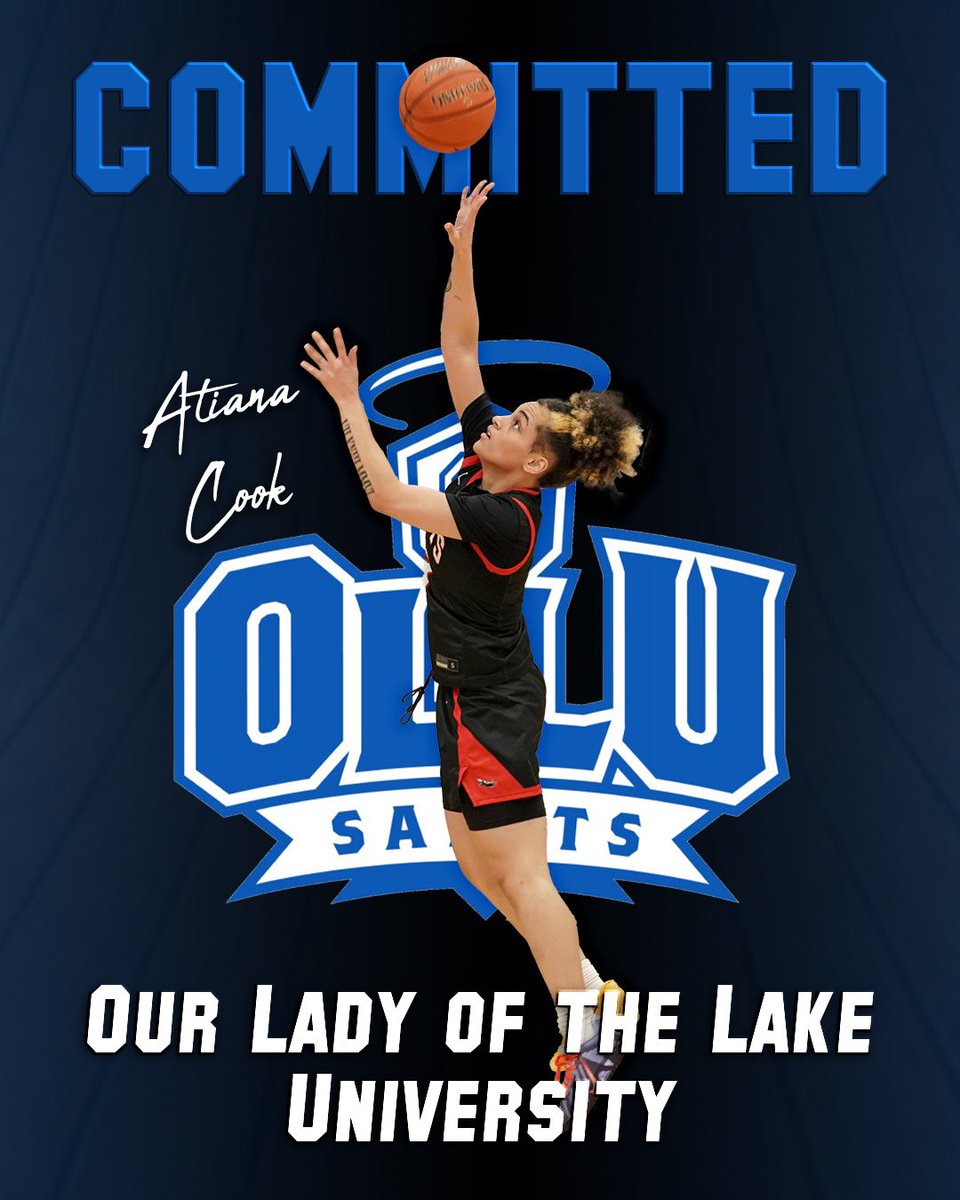
I am so excited and grateful to continue my academic and athletic career at @OPSUWBB@MariaWiltzius. I can’t wait to see what the next season holds for me.
$1,200,000. College Athlete. 1099 Income.
Here’s what nobody tells NIL athletes pulling real money:
The moment your first revenue share or NIL check cleared, you became a small business owner.
The IRS doesn’t care that you’re a student-athlete in college.
They don’t care that your earning window might be just a few years.
They want their cut. Today.
Here’s what we did to keep serious money in his pocket instead of sending a check to Uncle Sam:
1️⃣ LLC taxed as an S-Corp
Put him on his own payroll and paid him a reasonable salary. The rest? Taken available as distributions.
Stops 15.3% self-employment tax from gutting every endorsement check.
→ Saves tens of thousands of dollars.
2️⃣ Maximize business deductions
Training. Recovery. Content production. Travel. Equipment. Agent and legal fees. Home office.
The real cost of running a 7-figure brand, finally run through the entity.
→ Saves tens of thousands of dollars.
3️⃣ Solo 401(k)
$24,500 employee + $47,500 employer = $72,000 deferred for retirement.
At age 20 with 45 years of compounding ahead, that single contribution can grow to millions of tax free money.
And we plan to do this every year that we’re earning 1099 income.
→ Saves roughly $26,000 per year.
4️⃣ Pass-Through Entity Elective Tax
State tax paid at the entity level. Sidesteps the federal SALT cap.
→ Saves about $30,000
5️⃣ Backdoor Roth IRA
$7,500 in. Tax-free growth for life.
At 20 years old, this is the highest-leverage account he’ll ever own.
6️⃣ Donor Advised Fund / his own Private Non-Profit
Builds a giving legacy. Aligns with his personal brand. Generates real federal deductions.
→ Saves $15,000–$40,000+, depending on giving level
Total tax savings for 2026: $150,000+
This is what we do.
Same story every time with NIL athletes earning 6 and 7 figures:
→ Treating the income like an allowance
→ Spending before structuring
→ Trusting the same tax preparer their family used for W-2 income their whole life
You’re not a college kid with a side hustle.
You’re the CEO of a 7-figure personal brand.
Your team should look like one.
📍 If you want to see where you stand with your money, take our Moment Money Quiz and find out in two minutes 👇
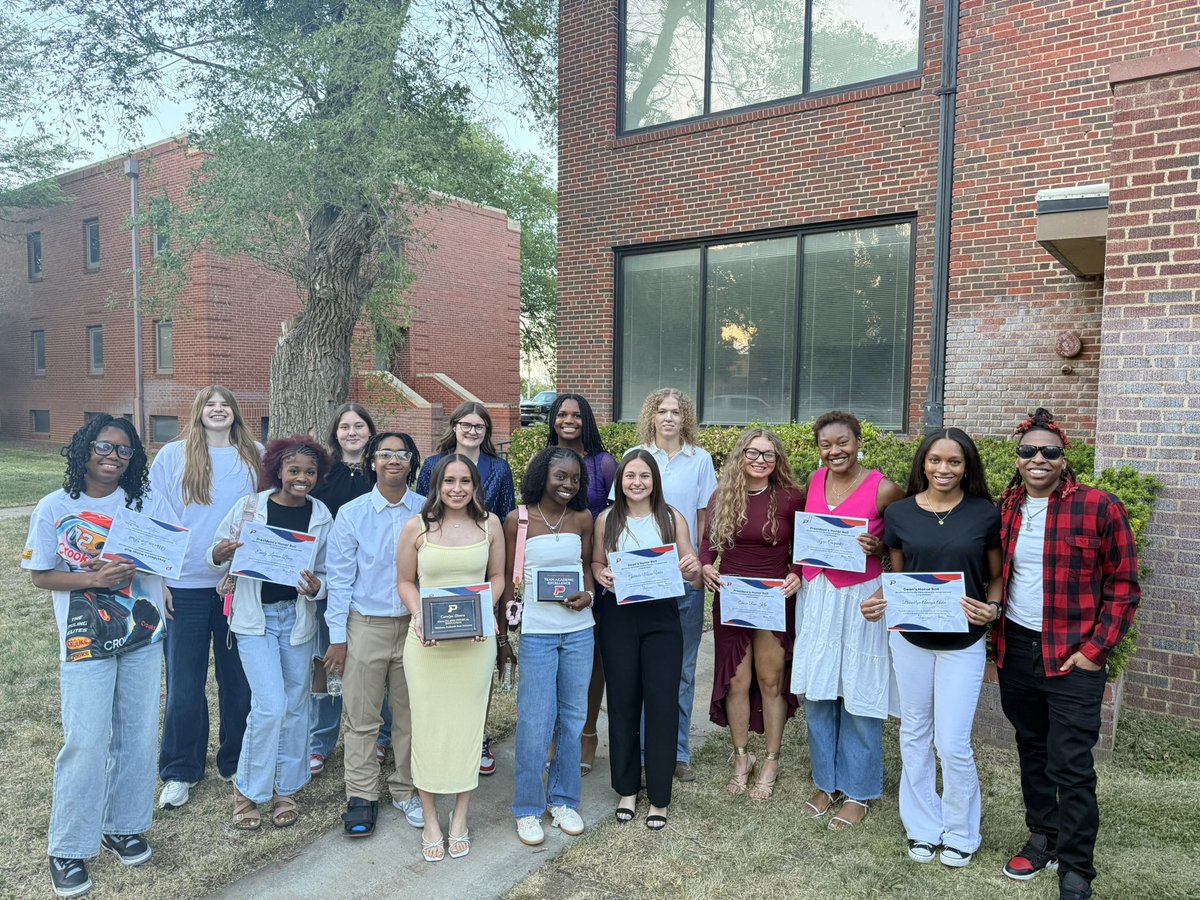
Great night to be an Aggie!
WBB took home a handful of academic and athletic awards.
Capped off the awards night with Athletic Department Award - Highest GPA in the Department!!
Great work ladies!