Is political discourse feeling a bit… distorted lately?
Jason Hannan’s “Reactionary Speech” argues that reactionary rhetoric—from Burke to Kirk—is essentially DARVO in a suit.
https://t.co/8hnYxC9fDp
Why do we feel so busy?
For your downtime, consider reading Robert Levine’s "Geography of Busyness," where he breaks it down into speed and activity. Yet for many around the world, busyness is about survival, not achievement.
https://t.co/vw3jyVVAPe
Is your reality being bent?
Sanford F. Schram analyzes "Trumpism as Discourse," breaking down how gaslighting, co-opting, and boomeranging are used to normalize extremism and push us toward authoritarianism.
https://t.co/XmP1cvH9DK
#TBT to Fall 2001: “Altered States of Consciousness.”
From the neuroscience of brain function to the history of drug policy and the “War on Drugs,” we explored the science, culture, and ethics of how we experience—and regulate—our minds.
https://t.co/0PMl2vWcEl
In "Political Identities in Changing Politics," Tilly explores how identity struggles shift over time, from Henry VIII’s era to post-9/11 society, showing how rights rely on negotiation.
https://t.co/rJfwNvlhul
2/2
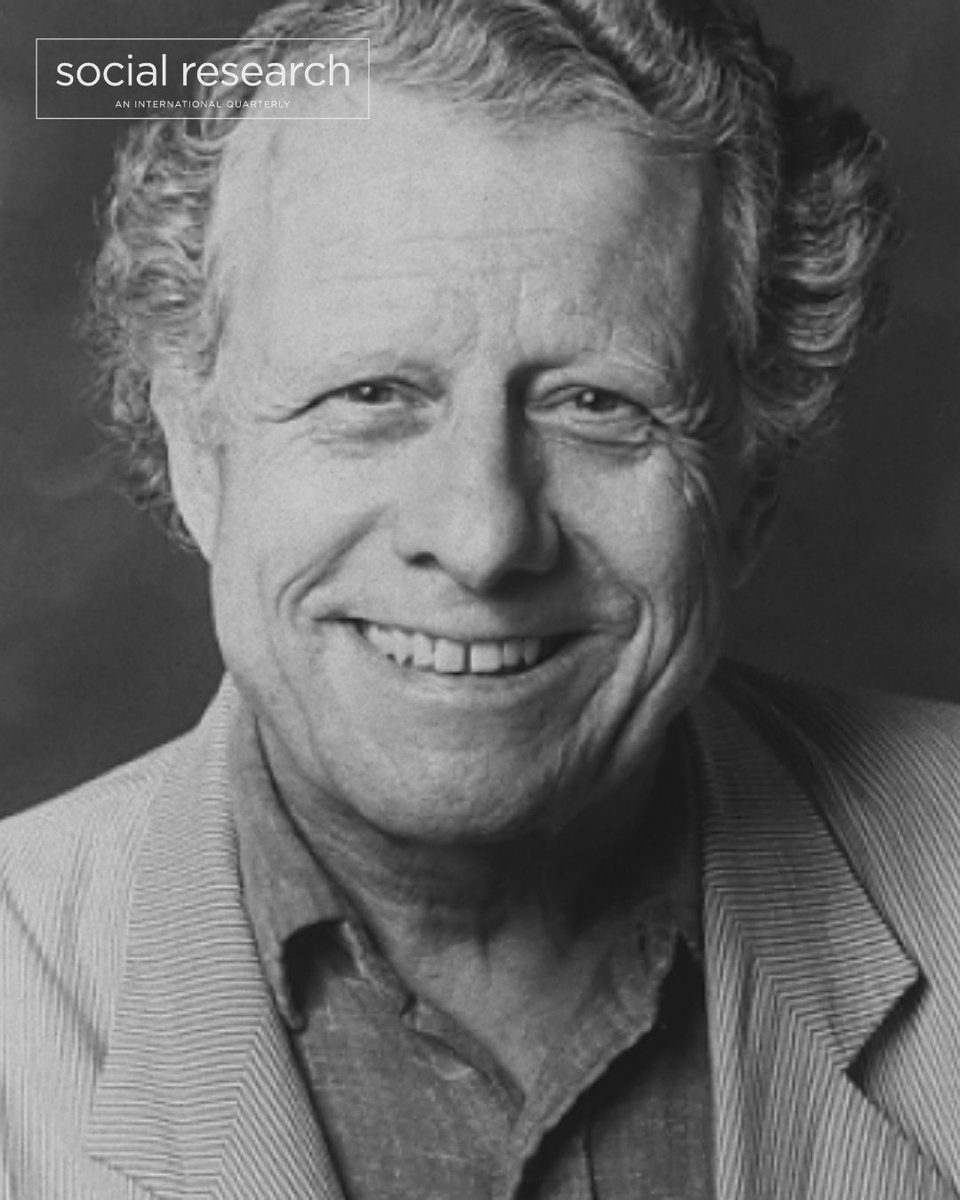
#BOTD in 1929 in Lombard, IL: Sociologist Charles Tilly transformed how we view conflict and state-building. A prolific scholar at the New School and beyond, Tilly rigorously examined the mechanics of social movements, democracy, and inequality.
1/2
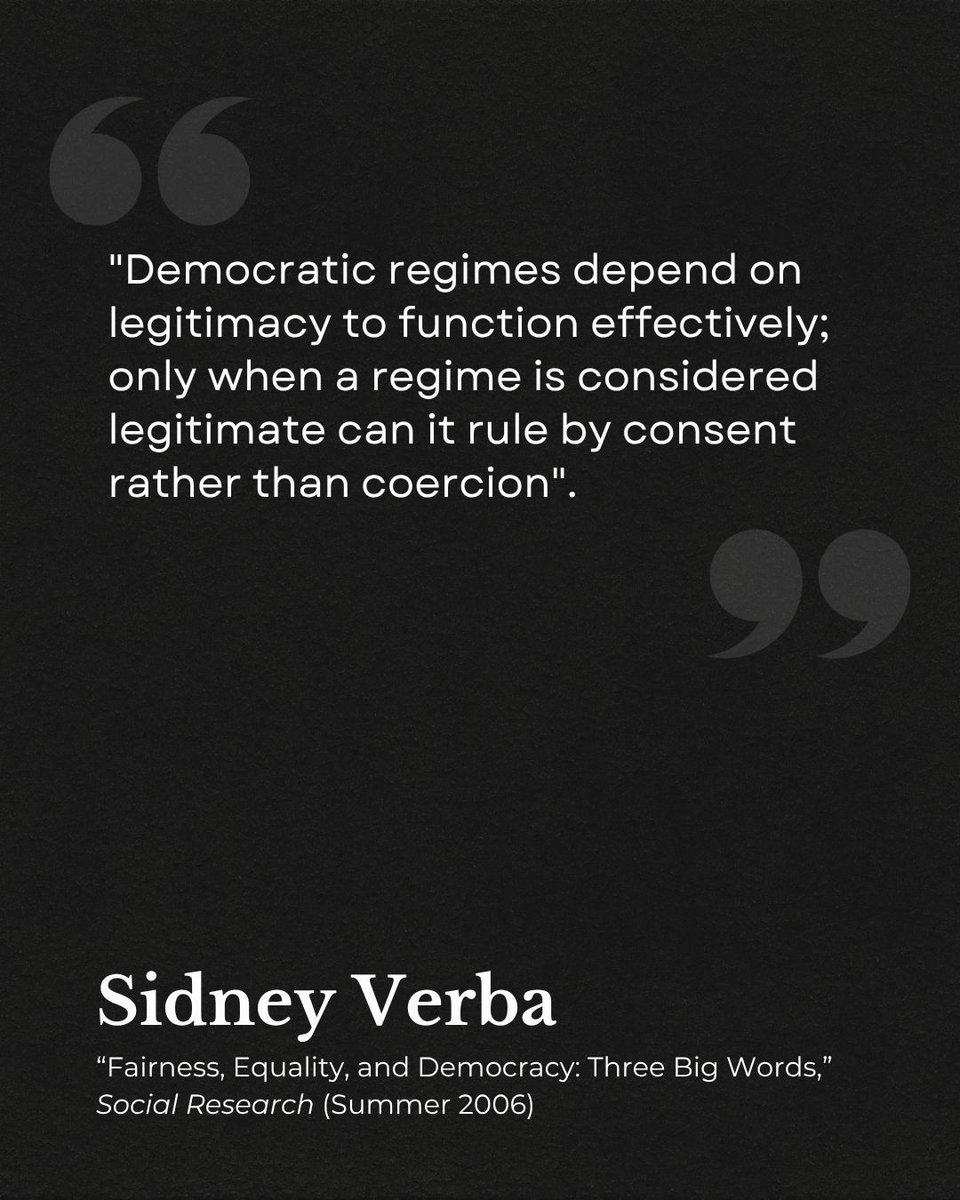
In "Fairness, Equality, and Democracy," Verba explores how political equality defines fair democratic decision-making, arguing it is more critical than economic or social equality within the US system.
https://t.co/r3mdP8Ytd3
3/3
Known for seminal work on political participation and culture, he served as Harvard’s Carl H. Pforzheimer University Professor and director of the Harvard University Library, deeply shaping academic research and institutional scholarship.
2/3
As we reflect on their courage, we look to George Kateb’s “Courage as a Virtue,” and that true bravery is a foundational virtue, defining the excellent person through service, honorable deeds, and a commitment to justice rather than destruction.
https://t.co/VHLnaHGkPe
2/2
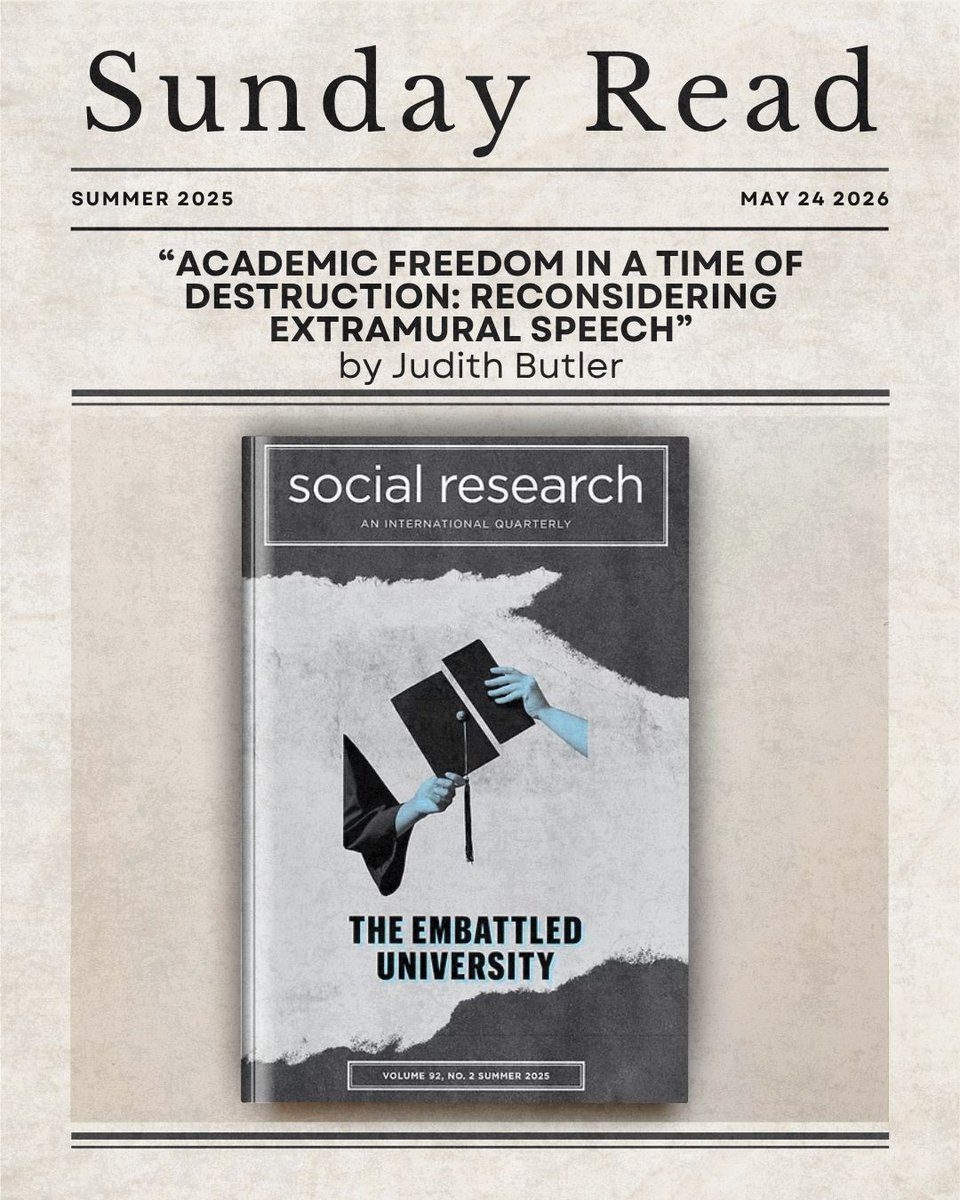
This #SundayRead reflects on the academic year through Judith Butler's exploration of the vital (and threatened) protection of extramural speech—the right of scholars to speak freely outside the classroom without fear of retaliation.
https://t.co/Oja4WKj4LZ
2/2
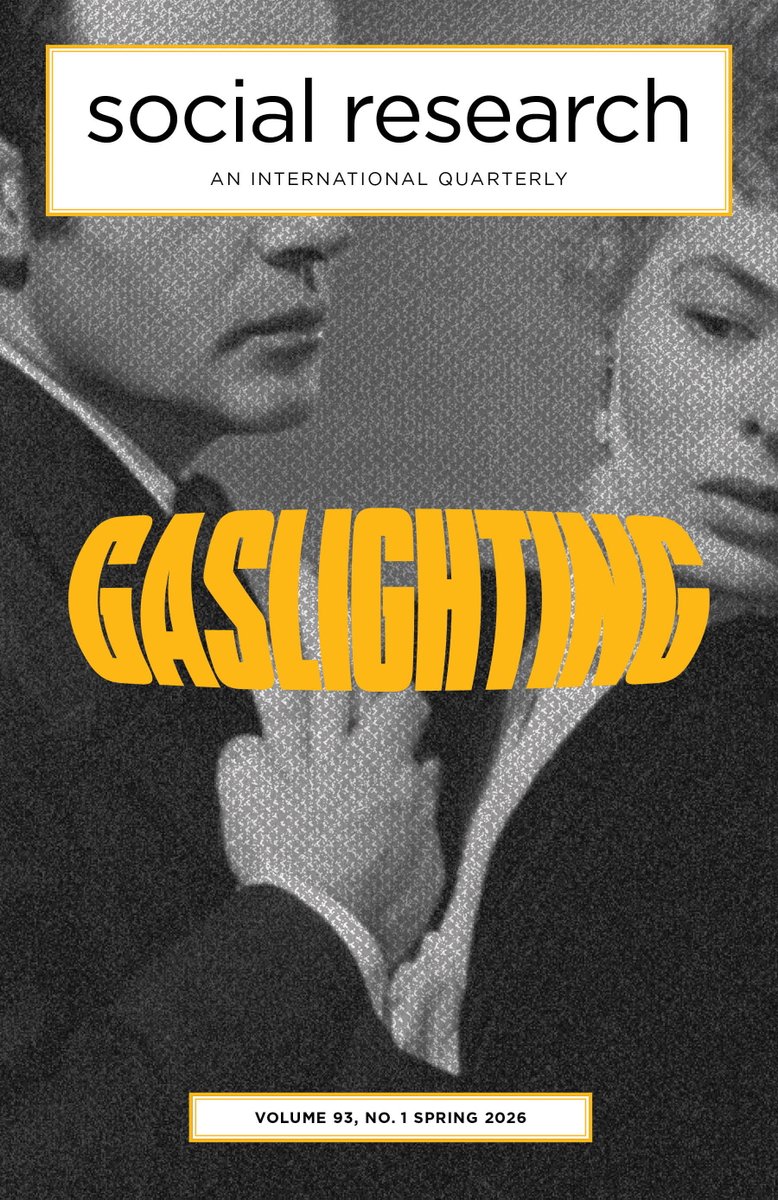
Why do political tactics so often mimic the psychological traps of classic film?
Probing “gaslight noir,” Nora Gilbert shows how modern political gaslighting weaponizes the language of "protection" & "care" to control & disempower women.
https://t.co/fisPsrDwam
#TBT to our Fall 2018 issue, “Books That Matter.”
From Balzac's “fake news” to Spinoza's secular ethics, top writers reflect on the powerful books and ideas that deeply shape our lives and minds.
https://t.co/cCrAcBCOob
✏️ Regina Rini
✏️ Matthew Kirschenbaum
✏️ John Cayley
✏️ Jeff Dolven
✏️ Daniel Anderson and Matthew Duncan
✏️ Tahneer Oksman
✏️ Nancy K. Miller
✏️ Otto Kruse
✏️ Charles Bazerman
2/2
How did a Victorian melodrama coin a term for modern psychological abuse?
Shelley Stamp breaks down the film “Gaslight” and how patriarchal norms fuel the “mad” heroine’s self-doubt, proving that gaslighting is rooted in gendered violence.
https://t.co/PrrVQrp2Rb
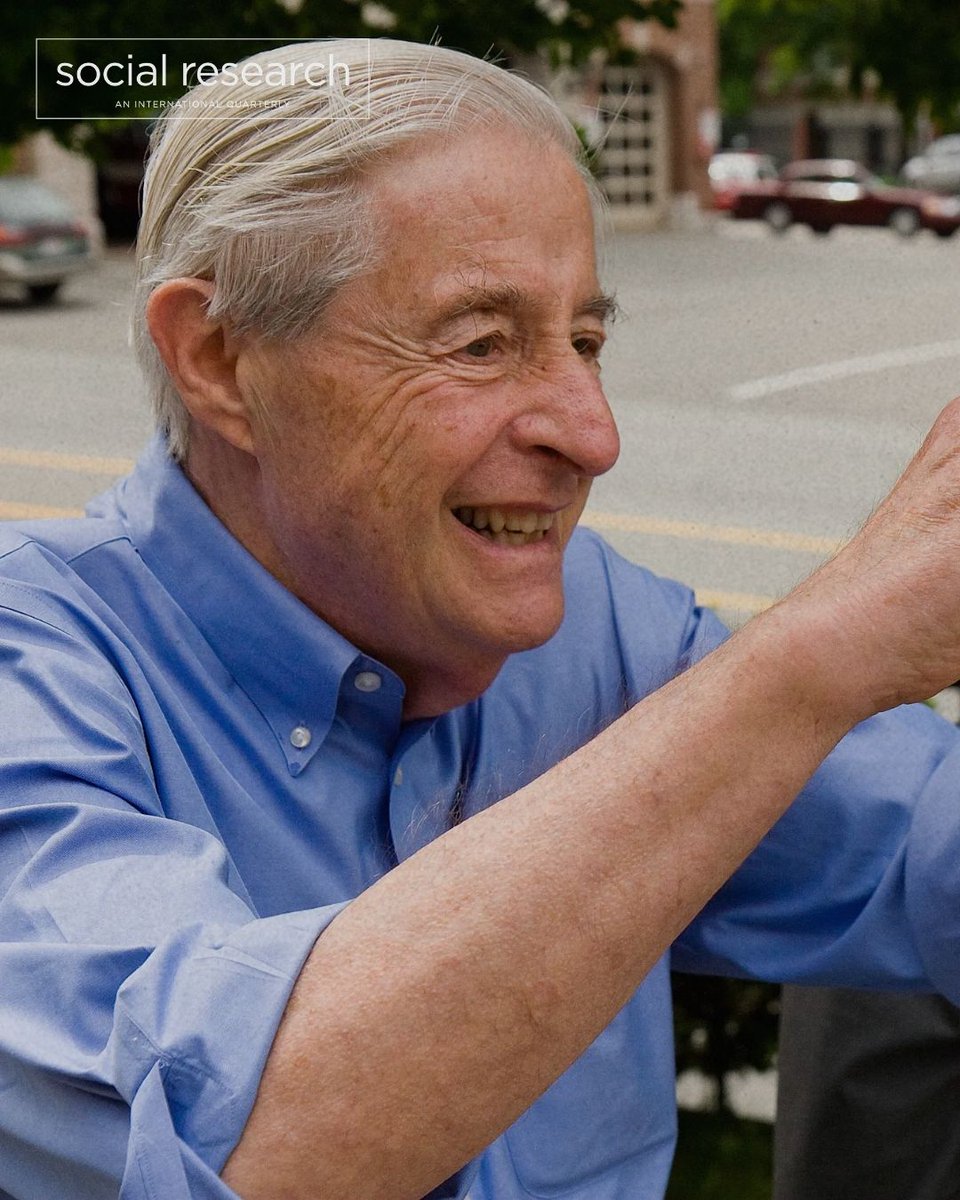
This #SundayRead celebrates Richard Bernstein, who was born on May 14, 1932, in Brooklyn. NY. He was a towering figure in American philosophy, renowned for bridging the gap between Continental philosophy and pragmatism.
1/4
In "Is Politics 'Practicable' Without Religion?" Bernstein challenges the presupposition strain in political theology. He critically examines the idea that politics requires theological foundations, challenging both Simon Critchley and Carl Schmitt.
3/4