I’ll be launching a channel fairly soon* & I plan to produce videos exploring topics including, but not limited to, those listed below.
For now, this will be mostly be a space to gather information and images relating to the topics I plan to explore
Why did they call the first nuclear explosion the Trinity Test? Why did they do it on the Catholic feast day of Our Lady of Mount Carmel? Why did Marian apparitions and UFO sightings increase afterwards?
They even built basement windows so you could enjoy the premium view down into the depths...
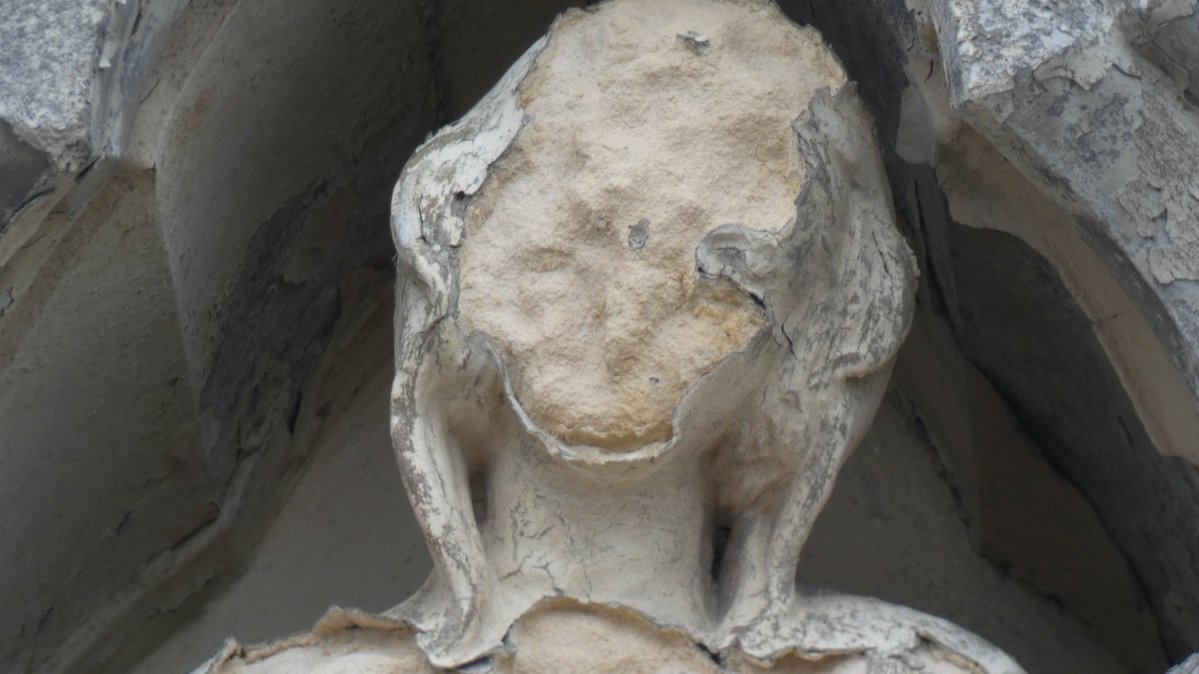
And doors? They build them, only to brick them up again with wobbly bricks...
None of it makes any sense unless you know the truth about our real past!😉
#tartaria#1800sReset #IncubatorBabies #OrphanTrains #MudFlood
Italy returns 2,300-year-old François Tomb frescoes to the public after more than a century
Italy has placed one of the best surviving works of Etruscan art on public display after bringing the famous François Tomb frescoes into state ownership...
https://t.co/F4cQeWxfVM
A pharmacist in Taipei walked off a trail in 2022 and photographed a 1mm blue mushroom on a piece of wood. It turned out to be one of the smallest mushrooms ever described.
Eric Cho was told by a friend that there was a "special tiny mushroom" on a trail in Shilin District. He went looking, found one on a piece of wood, took it home, and was initially disappointed because it wasn't glowing in the dark like he'd hoped. He posted the photos to iNaturalist anyway.
The images went viral globally. Mycologists at Taiwan's Academia Sinica formally described the species in 2023, citing Cho's photographs as part of the documentation.
The mushroom is now called Mycena subcyanocephala. It grows on decaying wood in Taiwan's subtropical lowland forests. Its cap is about 1mm wide, the whole fruiting body just a few millimeters tall. When young, the cap is intensely blue and fuzzy. As it matures, the blue fades to a pale whitish color. It has been formally documented in the wild only a handful of times.
Most new species described in the last decade weren't found by professional biologists in remote jungles. They were found by amateurs with smartphones in places you'd consider well explored.
The forest behind your house may still be full of things nobody has named yet.
One of my favorite ancient artifacts is this fist-shaped silver Hittite drinking vessel. It was used in rituals relating to Teshub, the storm god, who is depicted on the cuff relief scene. ca. 1450-1300 BCE. MFA, Boston. Photo by me.
The 2,000-year-old Hallaton Helmet is the only Roman helmet ever found in Britain that still has most of its silver-gilt plating attached. 1. AD England.
St Enodoc Church, Trebetherick, Cornwall 🏴 Half buried for more than 300 years, the vicar was forced to climb in through a hole in the roof once a year to conduct services.
Tell me again why you don’t believe in mudfloods?
i think it’s really interesting how a day and a year are obviously tied to the movement of earth and a month is roughly the length of a cycle of the moon but a week is a culturally-derived measurement of time
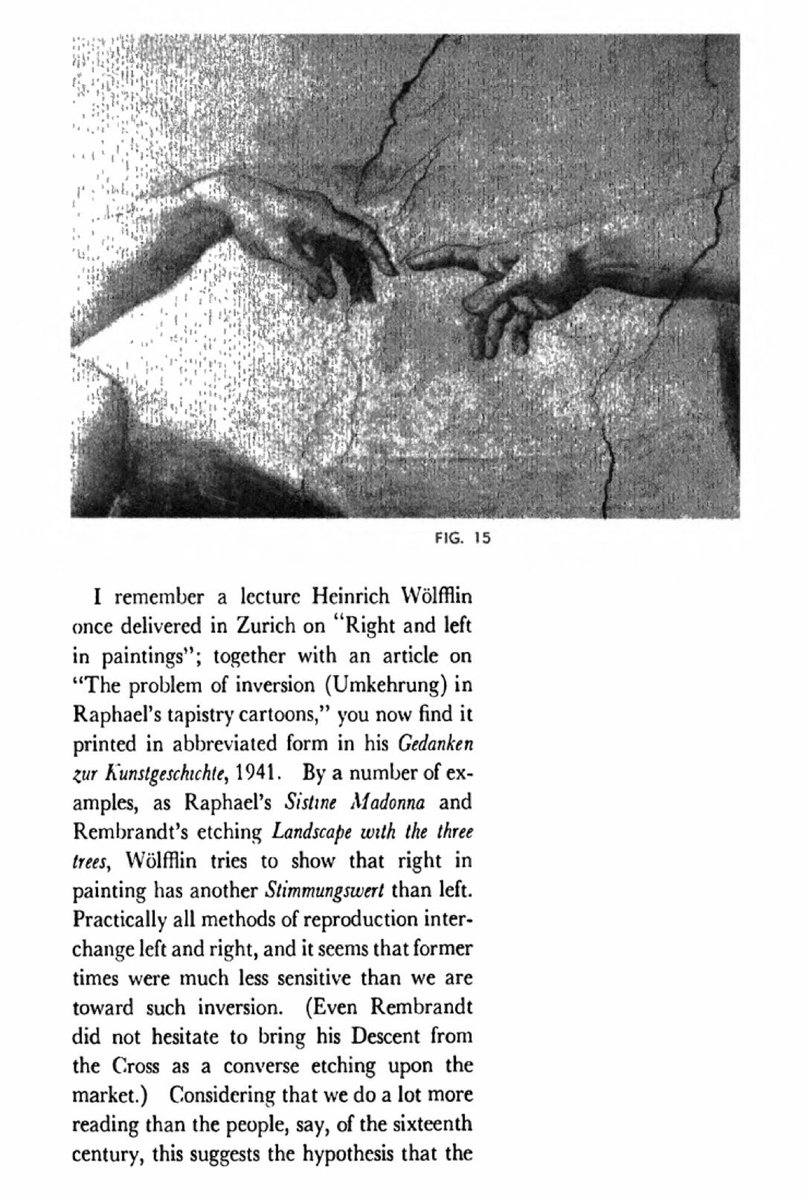
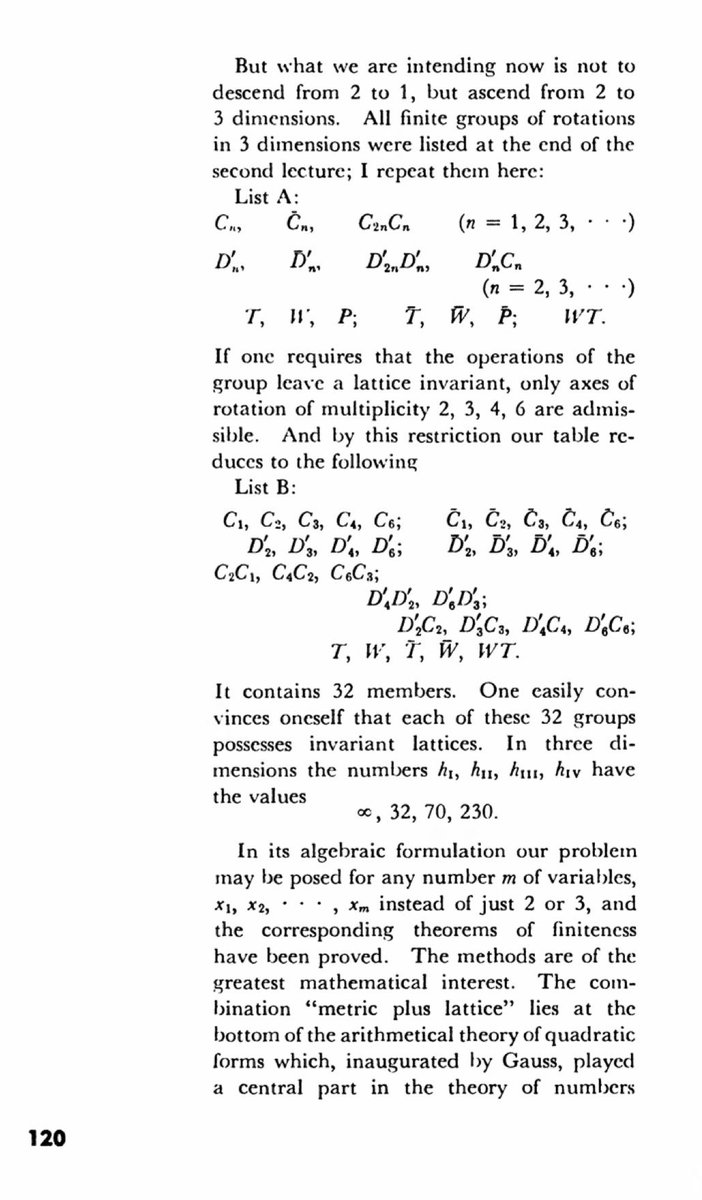
this is a cool pdf. it touches on analytic geometry, theology, etymology, art history, and much more. weyl was a one of a kind thinker and a very good expositional writer