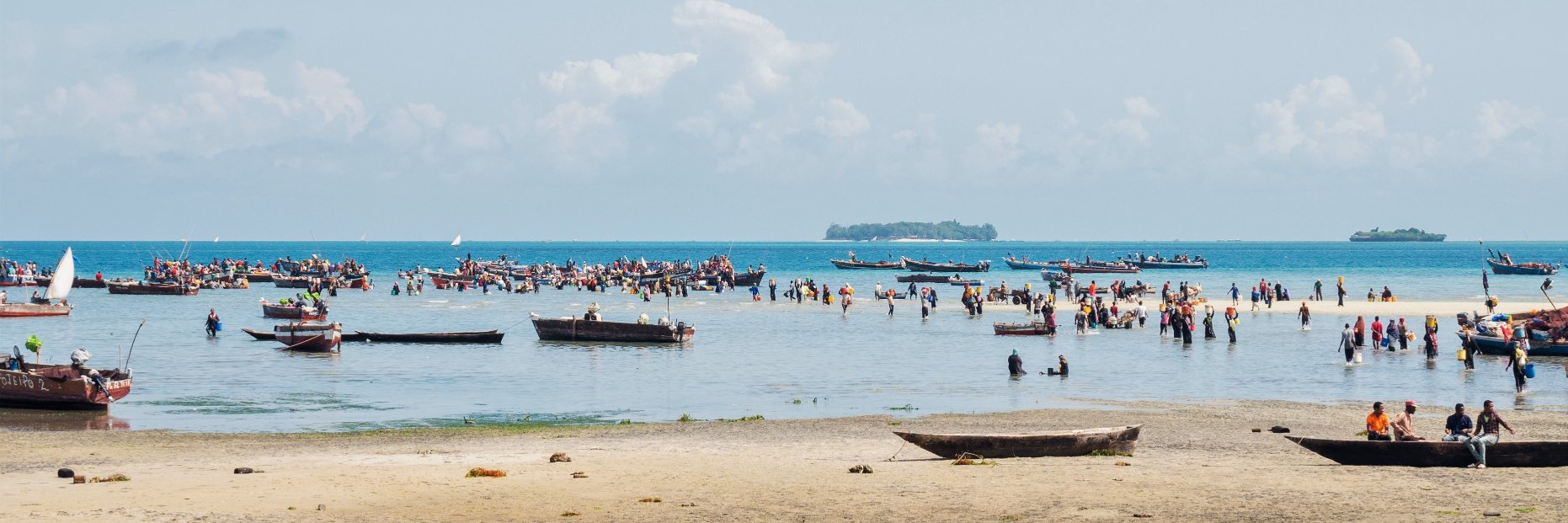
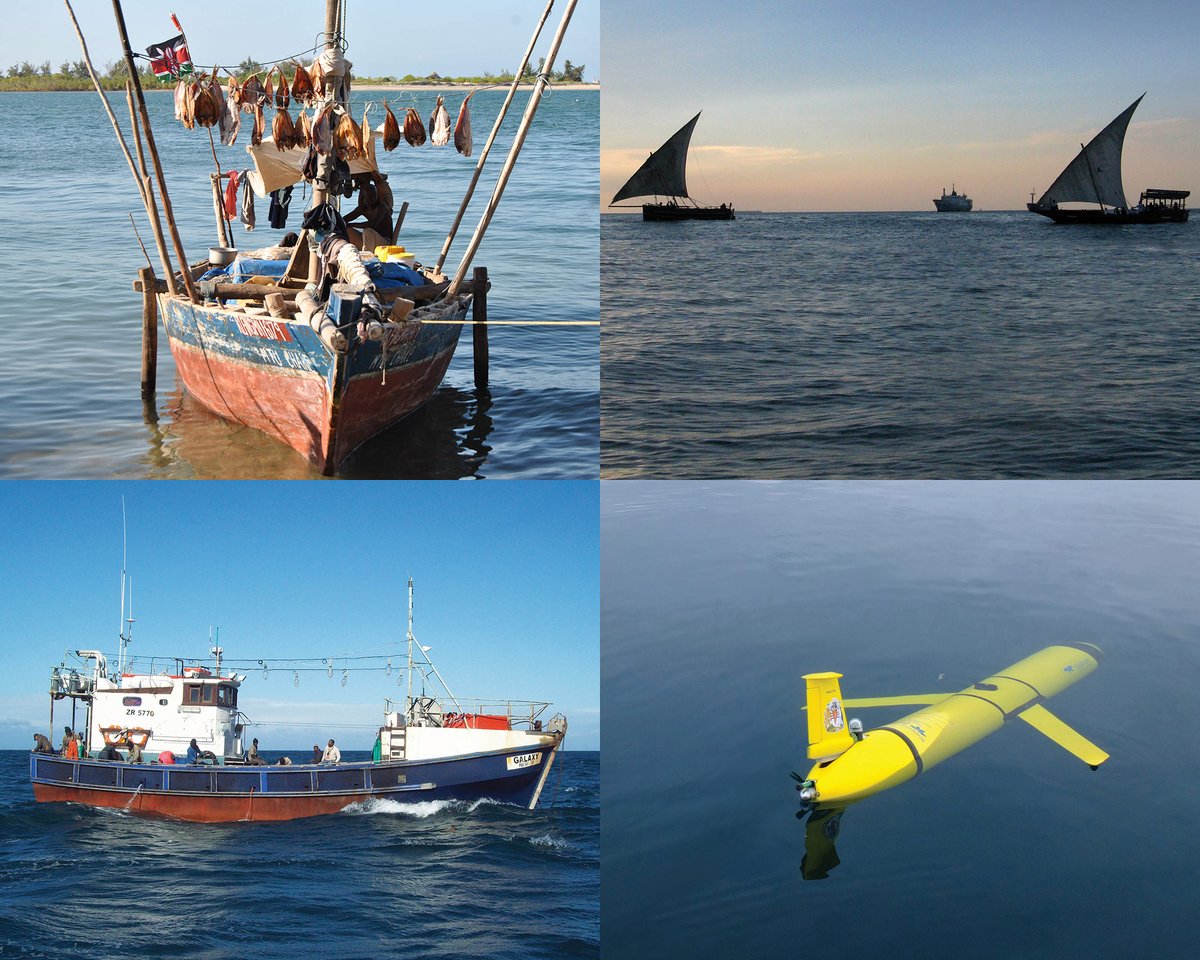
Sustainable Oceans, Livelihoods and food Security Through Increased Capacity in Ecosystem research in the Western Indian Ocean is a 4-year GCRF funded project
Delighted to be included in @HakaiInstitute’s long-form feature “The Autonomous Ocean” telling the story of the new generation of robots venturing into hurricanes, under ice shelves & into African seas—and changing the face of oceanography. @NOCnews
https://t.co/8giymZU0g4
NOC scientists have developed a new method to monitor the effects of climate change on coastal upwelling.
The new methodology will support the growth of local fisheries in Somalia. 🐟
Learn more about the development and the SOLSTICE project here 📰 https://t.co/CM68k57U38
My latest (& final 😭) paper from @SolsticeWio is now fully available online 🥳, which uses #lagrangian#modelling to investigate #retention properties on the #Agulhas Bank, #SouthAfrica 🇿🇦 in relation to the chokka squid 🦑 species. Check it out here :D
https://t.co/UuMwl3bhpD
Another @SolsticeWio paper has been published by Bruggeman et al. who use process-based modelling to explore whether environmental variability explains variability in catch of the chokka squid off the Agulhas Bank, South Africa. Check it out here:
https://t.co/IMY6H3qY7O
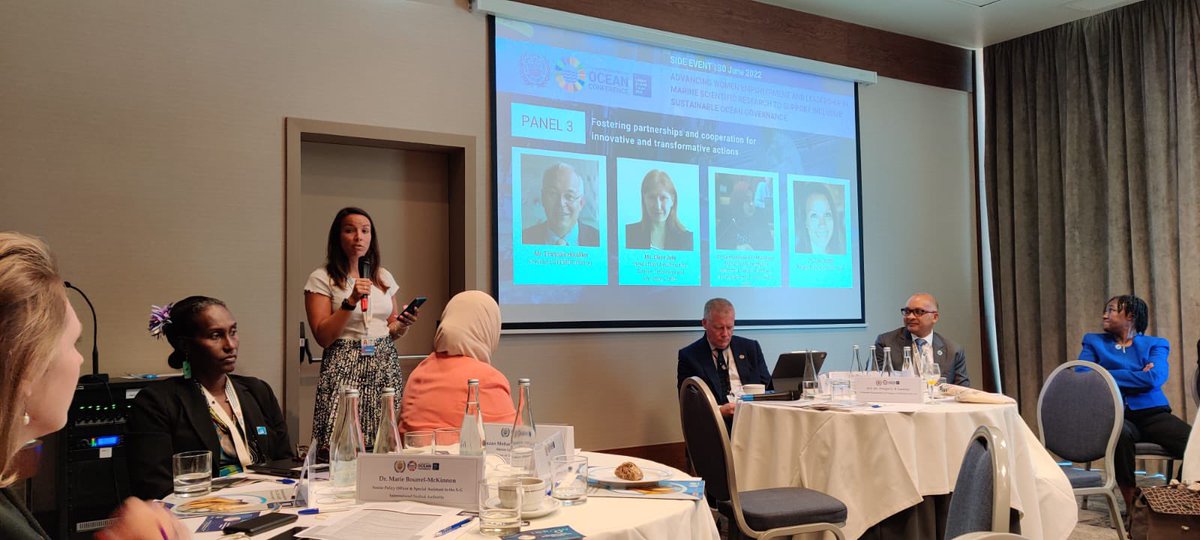
Thank you @ISBAHQ for inviting me to present a statement this morning on women empowerment & leadership. I talked about the great capacity building activities conducted during @SolsticeWio resulting in publications led by women scientists in the WIO region. @NOCnews
📢Paper alert📢
Drivers of productivity on the Agulhas Bank and the importance for marine ecosystems 🦑🦠🌬️
🔗https://t.co/ZgYwWdSi4p
by Z Jacobs @ZoeJacobs27 , M Roberts, F Jebri, M Srokosz, S Kelly, W Sauer, J Bruggeman, E Popova @SolsticeWio#MarineEcosystems@NOCnews
In a ground-breaking study, scientists from the NOC have used AI to understand the effects of the Agulhas Current on the productivity of upwelling regimes. 🌐
The study was conducted as part of @SolsticeWio.
Find out more about how it was done here 🆕 https://t.co/ppozWmdM5u
📢Paper alert📢
Earth Observation and Machine Learning Reveal the Dynamics of Productive Upwelling Regimes on the Agulhas Bank🛰️🖥️
by F Jebri, M Srokosz, Z Jacobs, F Nencioli, E Popova in @FrontMarineSci
🔗https://t.co/Mmn4JxsKHH
#NERCpapers#MachineLearning#OceanObservation
Really gratefully to my two examiners @AdelHeenan and Piran White who made the my PhD viva enjoyable, and my two supervisors @BD_Stew and Colin McClean for stimulating a rich discussion over the last three years!!
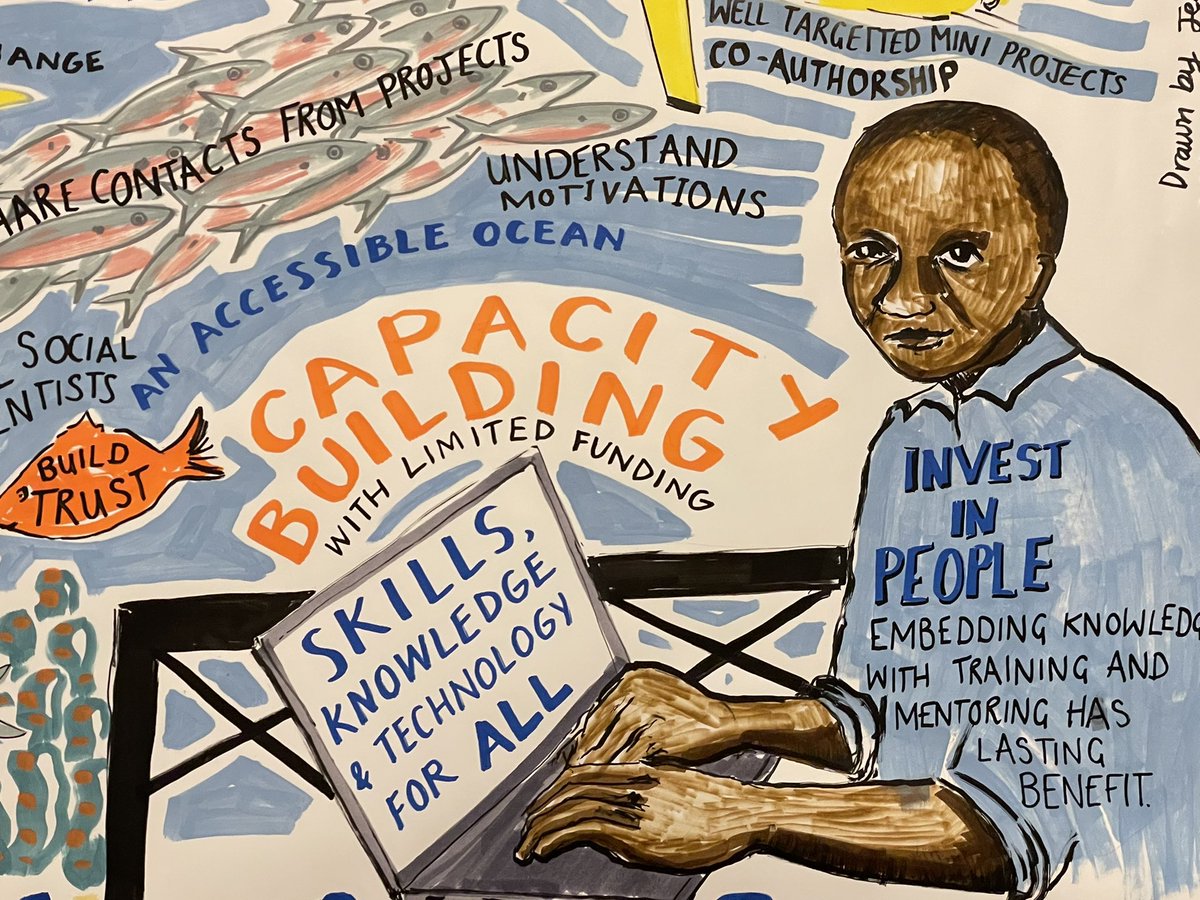
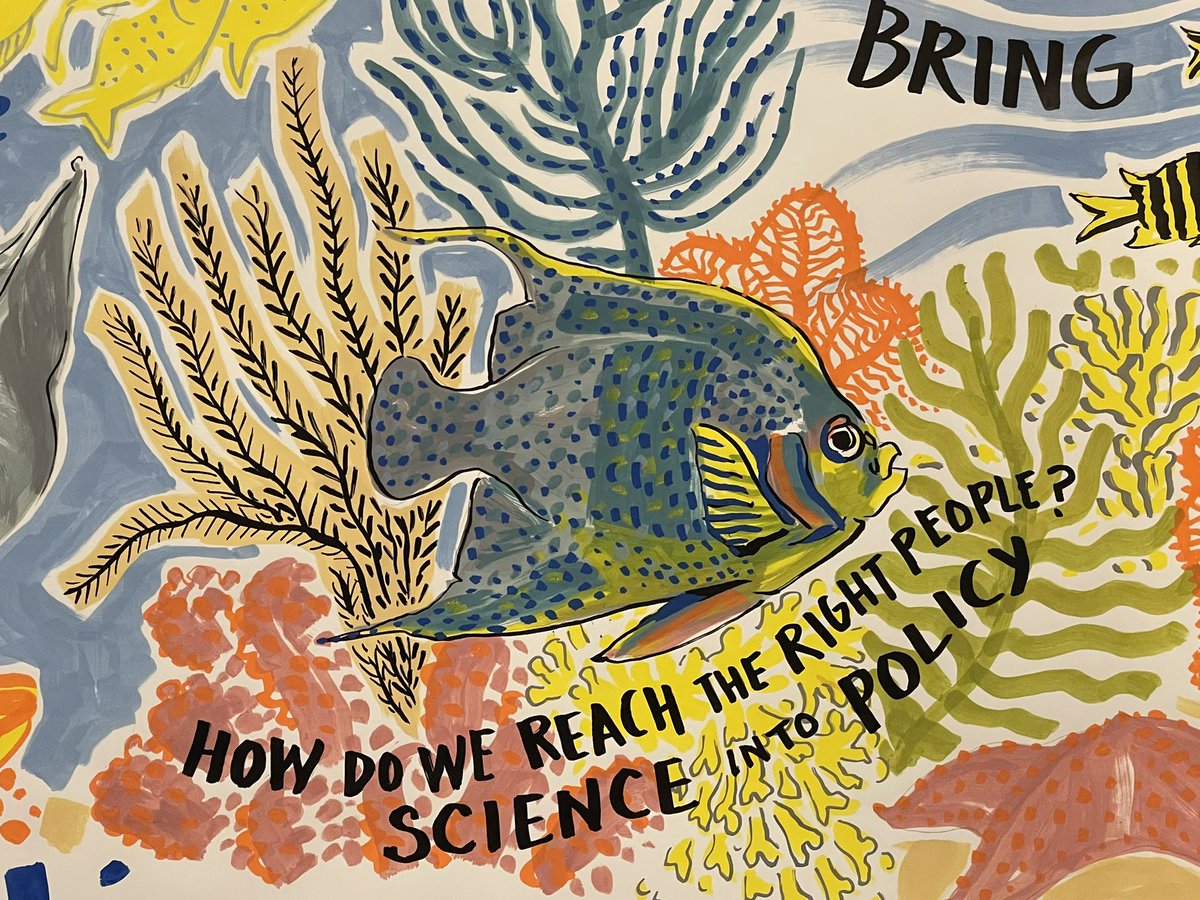
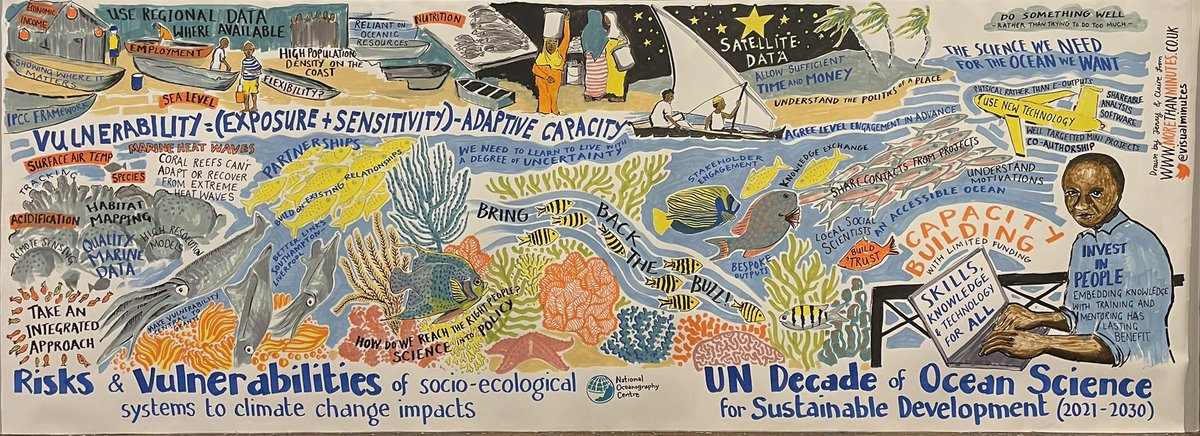
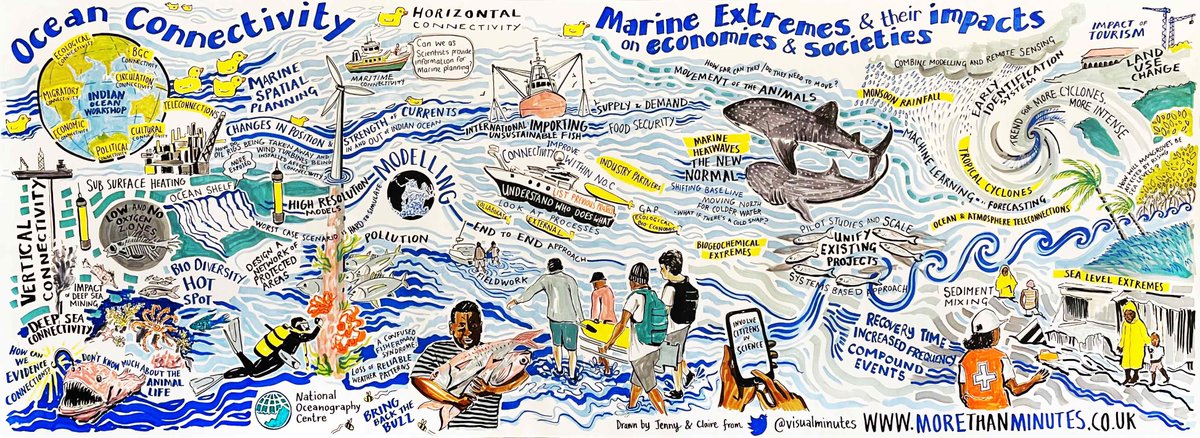
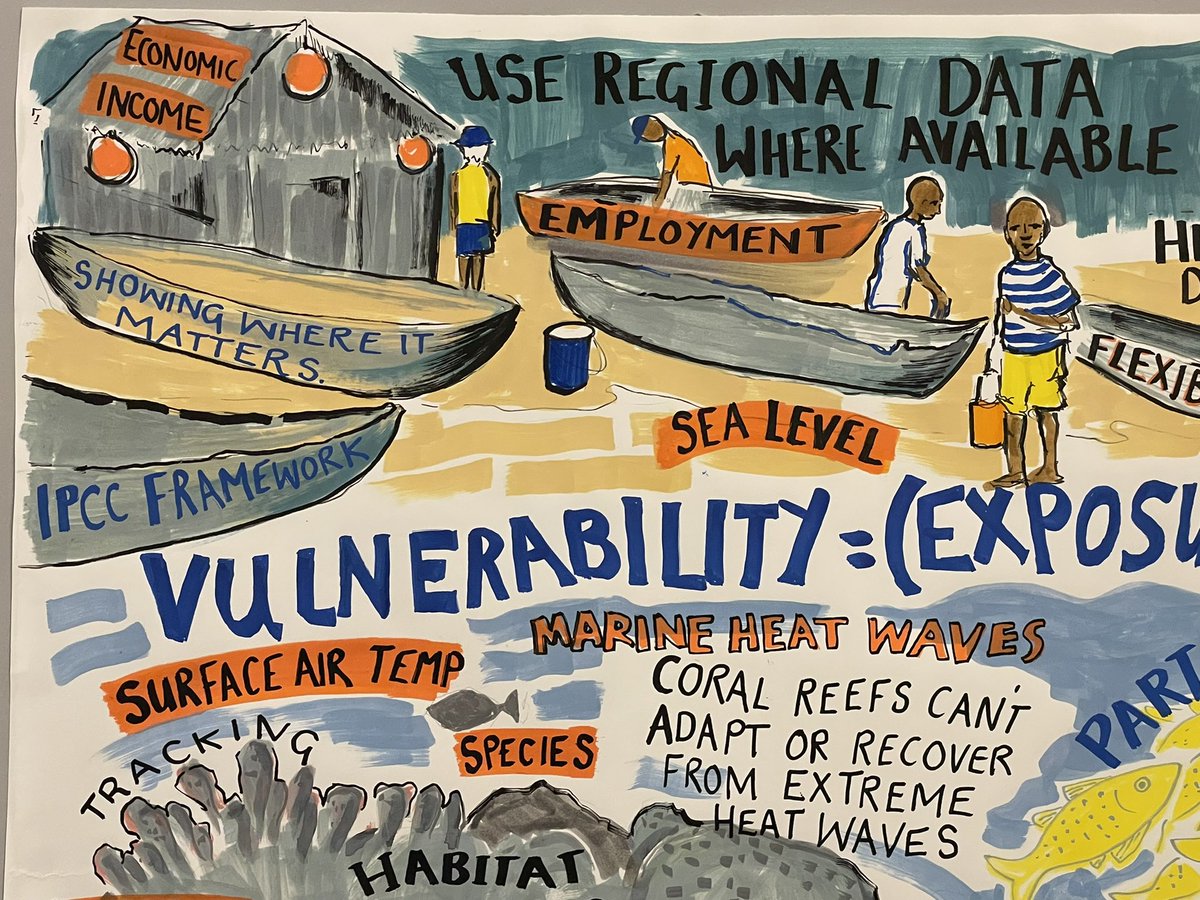
Received digital copies of our visual minutes from our @NOCnews#IndianOcean Workshop today
Thanks @visualminutes they are fantastic!
Available to download along with other outreach materials from our website https://t.co/FhqYwQPoXN
#OceanDecade#OceanScience
In this LATEST study in MarEnvironRes, we highlight some interesting interaction patterns between habitat and depth in shaping the abundance of #predatory reef fish off an oceanic #PembaIsland, Tanzania @BD_Stew@pmuss21@Samoilys Enjoy 50days free access https://t.co/7ngy0NDSi9
Delighted to see this latest publication by my very talented PhD student @kenosuka - especially just before his viva!
Depth and habitat are important drivers of abundance for predatory reef #fish off #PembaIsland, #Tanzania https://t.co/8CmokDVpUo #CoralReefs#BRUVs 🐟📹🎬📈
In this SHORT COMMUNICATION in #WIOJMS@aboud_swaleh and I demonstrate and present a framework to process #AUVs images semi-autonomously. @wiomsa https://t.co/9JNYoimjCg
📢 NEW PAPER! Our new @SolsticeWio paper is out, led by Dr Fatma Jebri at @NOCnews "Unravelling links between squid catch variations and biophysical mechanisms in South African waters"
https://t.co/rbe1ekMJpV
Missed the @SolsticeWio Webinar Series? 🤔
Recordings of all four webinars are now available to watch on SOLSTICE-WIO website and our YouTube channel!
The webinars highlight project successes from the Western Indian Ocean.
Watch now 📺 https://t.co/Ag1Wphm1P1