1717 | From Tōdo Kunmō Zui 📜
Mention of Pipalo (modern-day Somalia) in Japanese literacy:
“The lord of this country and the Yanki(?) mutually engage in affairs together. The country’s people gather in the fields every three days singing, shooting arrows and eating beforehand.”
1900, Sayyid war news reach 🇪🇬:
The Sayyid war revives old memories of the Mahdi. Locals say Sayyid camps near Suez and will descend on Cairo and riots begin. In Tanta, a man rallies crowds chanting «Al Mādad Al Mādad ya Darwish Laah». Elsewhere, armed clashes erupt with police.
Somalis in the Ming imperial court 📜 1402–1424:
During the reign of the Yongle Emperor , 16 envoys from the Somali kingdom (“Sù má lǐ ér guó”—literally, “Kingdom of Somalia.”) arrived at the Ming court.
The text proceeds to describe the land and a myth about a White Tiger.
"...And it was completed on the day of Jumu'ah, at the time of al-Asr, during the blessed month of Ramadan in the year 1202 AH, by Sheikh Abu Bakr bin Sheikh Dadab bin Khayr bin Umar bin Jamal al-Qutbi..."
1838, Harar.
A manuscript featuring commentaries on Tuhfa al-Wardiyya and Alfiyyat Ibn Malik, copied by the Somali scholar Sheikh Abu Bakr ibn Umar ibn Jamal al Qutbi.
Somali ⛵:
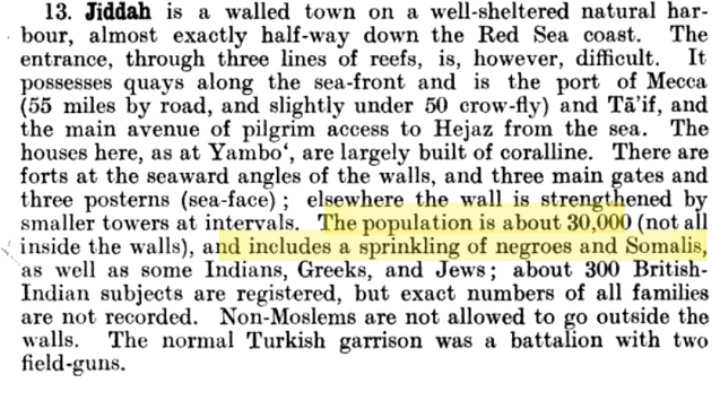
Majority of ships in the red sea were sailed by somalis.
"Trade is mainly conducted with ships belonging to the inhabitants of Suakin and Jeddah... the majority of the sailors consist of Somalis from the African coast who are the most active seafarers in the Red Sea"
1905, Zawiya al Rashidiya, Damascus.
Musa ibn Adam ibn Jad Allah Khalaf al Somali, from Hāhi village in Somalia, was the head of the zawiya and khalifa of Muhammad al Dandarawi in the Levant during the late 19th and 20th centuries.
The zawiya was also his family’s residence.
1915, addis ababa.
Mazher Bay’s telegram to the Sublime Porte, titled "Sayyid Muhammad ibn Abdullah Hassan’s Expulsion of the British from Somalia" reports the Sayyid ending British rule in Somalia and notes that he was "20" days away from Mazher’s location in Addis Ababa.
1817, izmir, Turkey.
Letter from the Ottoman Sultan Mahmoud II to a Somali merchant, one of Europe's prominent traders residing at the Khan Hotel in Izmir, granting him permission to conduct business and complete exemption from taxes.
Somali papermaking 📃:
Somalis have used the frankincense trees native to Somalia to produce writing paper. By harvesting the tree’s second layer of bark, they created a material perfectly suited for writing.
1901, Harar, Sayyid's letter to Ras makonnen.
"Do not leave, because I do not want to quarrel with your servants. And, just so you know, not one stone shall remain upon another, and I will defile your church as you defiled our mosque eighteen years ago."