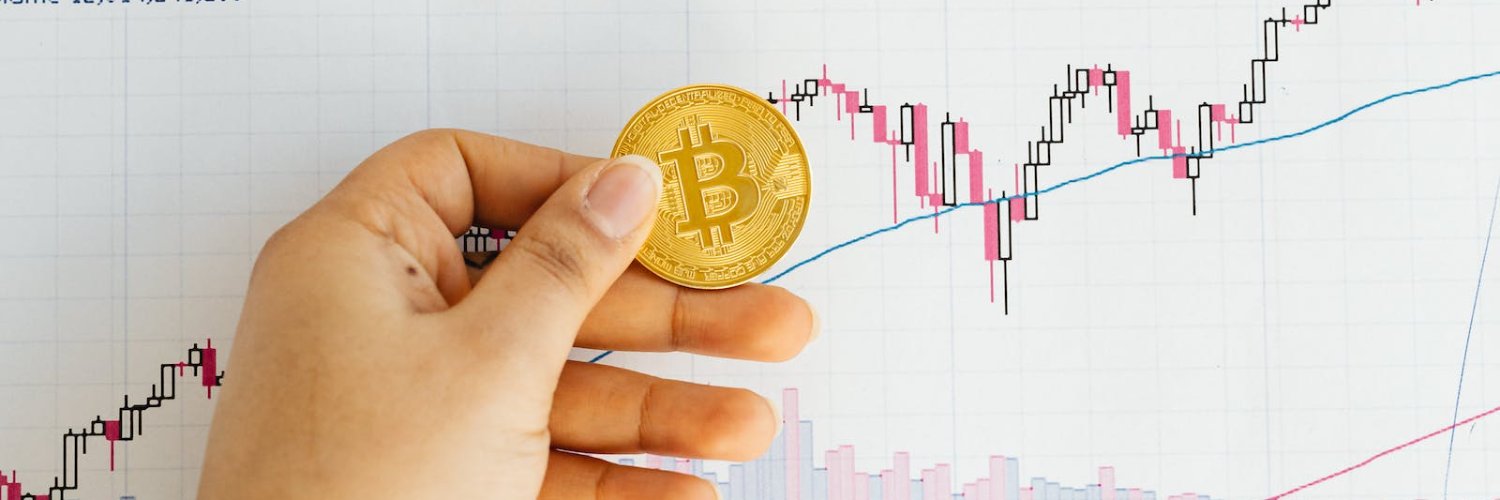
HODLing Bitcoin with confidence, believer in the power of decentralized currency. Embrace the future, secure your financial sovereignty. ???? #BitcoinHODLer#Fi
Taming the Rollercoaster: Managing Emotions in the USA Market
The US stock market, while offering significant potential, can be susceptible to emotional swings. Understanding the role of emotions and developing sound coping mechanisms can be crucial for long-term success.
Fear and greed are two powerful emotions that can cloud judgment and lead to impulsive decisions. Fear of missing out (FOMO) can prompt buying at market highs, while fear of loss can lead to selling at lows, potentially locking in losses. Recognizing these emotions and developing a rational investment strategy based on research and risk tolerance is key.
Maintaining a long-term perspective and avoiding making emotional decisions based on short-term market fluctuations is essential. Sticking to your investment plan and staying disciplined can help you weather market storms and potentially achieve your long-term financial goals. Additionally, seeking professional guidance from a qualified financial advisor can provide invaluable support in navigating emotional responses and making sound investment decisions. #EmotionalInvesting #FinancialDiscipline #USMarket
Edward Jones: Stock Market Correction Doesn't Signal Long-Term Downturn
Financial services firm Edward Jones remains optimistic about the long-term outlook of the US stock market, despite the recent pullback. They believe the market correction is a natural consequence of the strong performance earlier in the year and doesn't necessarily indicate an impending downturn. They point to the gradual improvement in the labor market as a positive sign for the overall economy. Investors are advised to maintain a long-term perspective and not panic over short-term fluctuations. #FinancialPlanning #InvestmentStrategy
@ChrisSpahrNJ The cryptocurrency market experiences volatility as Bitcoin sees fluctuations following a recent peak, echoing a familiar pattern observed in the past.
@NaomiLiechet Exploring available tools and resources can enhance decision-making in the stock market, ensuring informed choices and successful investments.
Examining Different Investment Styles: Growth vs. Value
There are various investment styles that investors can adopt, each with its own approach to selecting stocks. Growth investors focus on companies with the potential for high future growth, even if they are currently trading at a premium valuation. In contrast, value investors seek undervalued companies with strong fundamentals that may be temporarily out of favor with the market.
Understanding the differences between these styles and their associated risks and rewards can help investors choose the approach that best aligns with their individual investment goals and risk tolerance. #GrowthInvesting #ValueInvesting #InvestmentStyles #RiskManagement
Cracking the Code: Unveiling US Stock Market Trends
The US stock market serves as a barometer of economic health, reflecting trends, sentiments, and investor behavior. In recent times, the market has witnessed the ascent of technology stocks, fueled by innovation and digital transformation. Companies like Tesla, Amazon, and Microsoft have captured the spotlight, driving market momentum with their disruptive technologies and forward-thinking strategies.
However, beyond the tech sector, new opportunities emerge in areas such as renewable energy, healthcare innovation, and e-commerce. The COVID-19 pandemic has accelerated shifts in consumer behavior and industry dynamics, presenting fertile ground for savvy investors. By deciphering market trends, diversifying portfolios, and staying attuned to global developments, investors can unlock the potential of the US stock market and capitalize on emerging opportunities for growth.
#USStockMarket #Investing #MarketTrends #Technology
The Role of Corporate Governance in Stock Investing: Evaluating Management Practices
Corporate governance refers to the system of rules, practices, and processes by which companies are directed and controlled. It encompasses the relationship between a company's management, its board of directors, and its shareholders, with the goal of ensuring transparency, accountability, and ethical behavior. Good corporate governance is essential for maintaining investor trust and confidence, as well as protecting shareholder interests. Investors often evaluate corporate governance factors when making investment decisions, considering factors such as board independence, executive compensation, shareholder rights, and disclosure practices. Companies with strong corporate governance practices are more likely to attract investment and deliver long-term value to shareholders, making corporate governance an important consideration for stock investors.
The Rise of ESG Investing: Exploring Environmental, Social, and Governance Factors in US Stocks
ESG (Environmental, Social, and Governance) investing has gained traction in the US market as investors increasingly prioritize sustainability and corporate responsibility. Companies that score well on ESG metrics tend to outperform their peers over the long term, as they are better positioned to manage risks and capitalize on opportunities. By incorporating ESG considerations into their investment strategies, investors can align their portfolios with their values while potentially generating competitive returns.