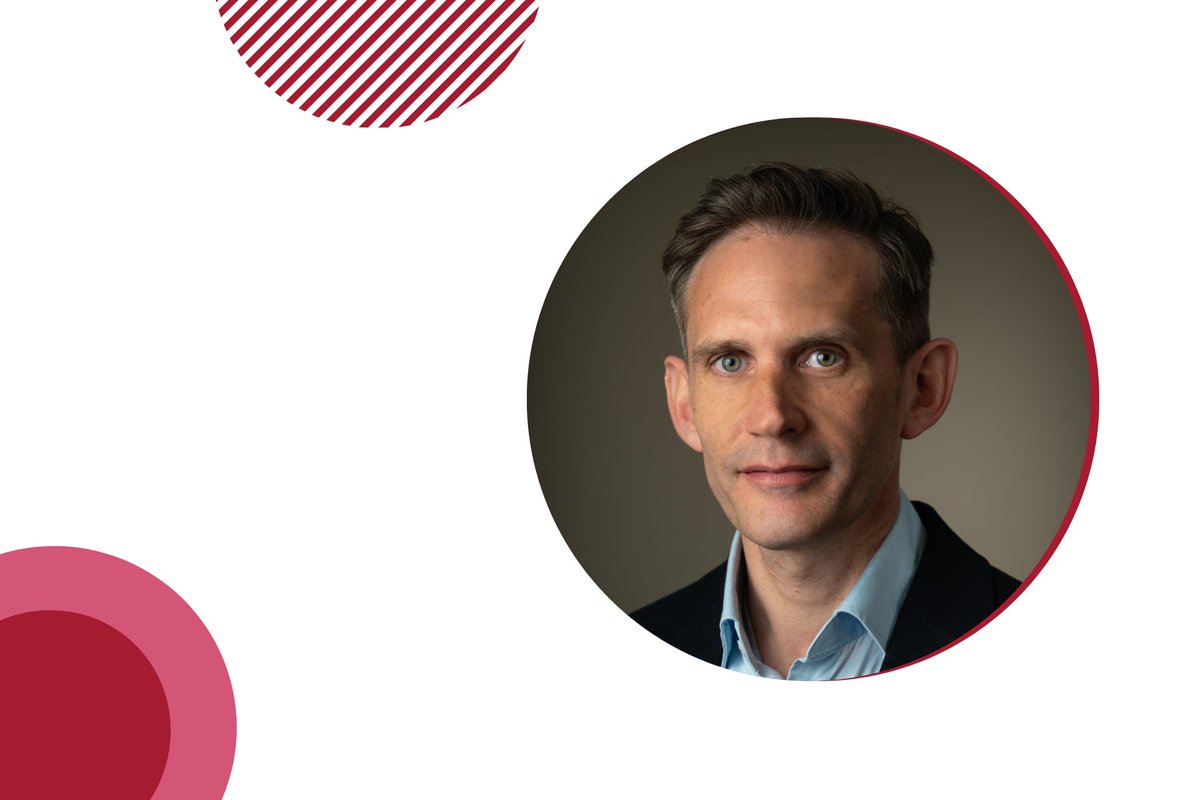
Advancing #CancerResearch with actionable insights on diet, lifestyle, and health data. Transforming prevention and survivorship outcomes @HarvardChanSPH.
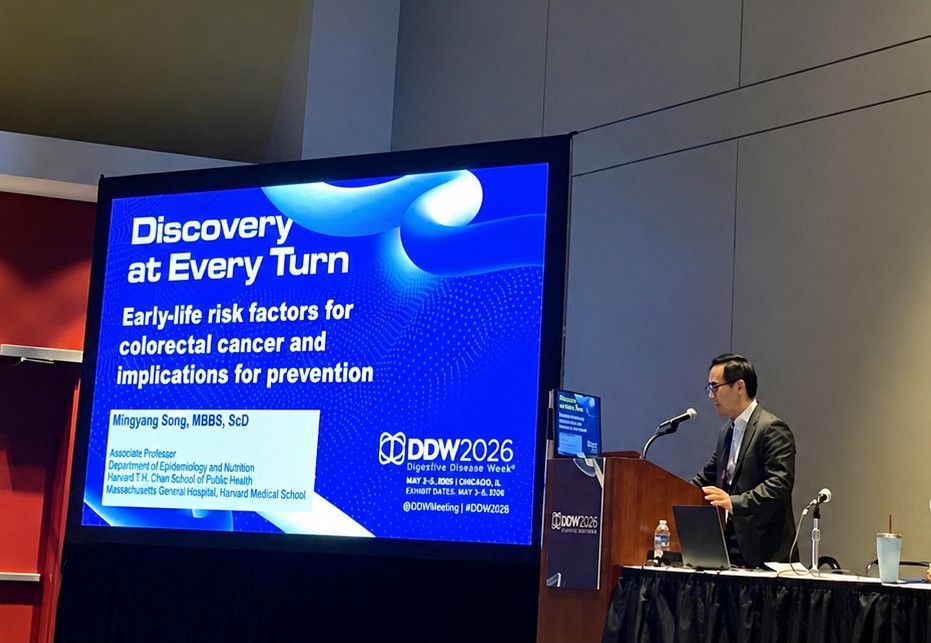
Invited talk at #DDW2026: our PI, Dr. Mingyang Song (@HarvardChanSPH), presented on early-life risk factors for colorectal cancer and implications for prevention.
Glad to share this work on such a stage and to continue advancing the field of early-onset CRC. #ColorectalCancer #CancerPrevention
Can colorectal cancer risk begin before birth?
Excited to present our transgenerational study at #DDW2026, using data from NHS/NHSII/HPFS to examine prenatal parental lifestyles and offspring CRC risk.
Our findings highlight pregnancy as a potential window for intergenerational cancer prevention.
Stay tuned!
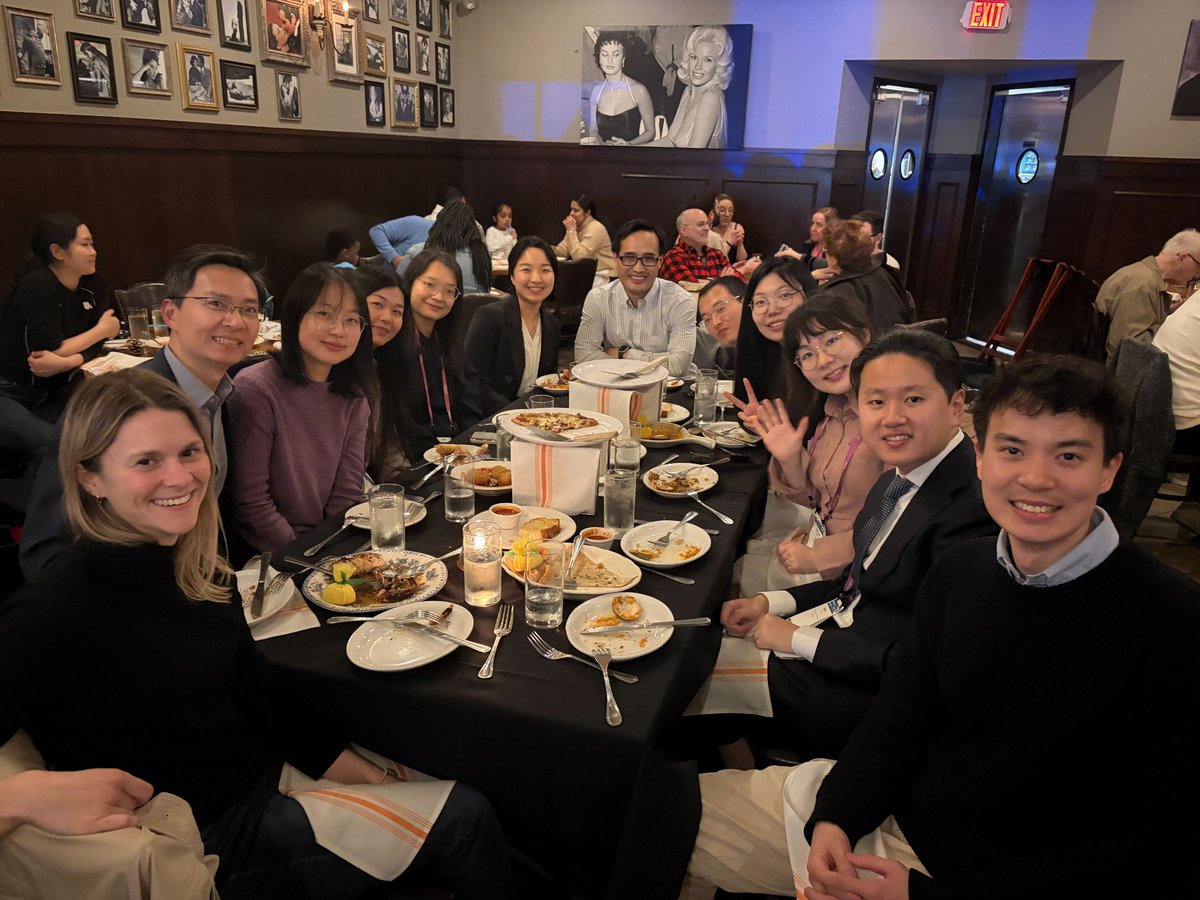
Celebrating #DDW2026 with a Song Lab group dinner 🍽️
DDW has always been a special time to wrap up our academic year of achievement—taking a moment to reflect, connect, and celebrate (even if it’s not quite the end yet).
Cheers to all the contributions to our lab, to science, and to improving human health! 🎉
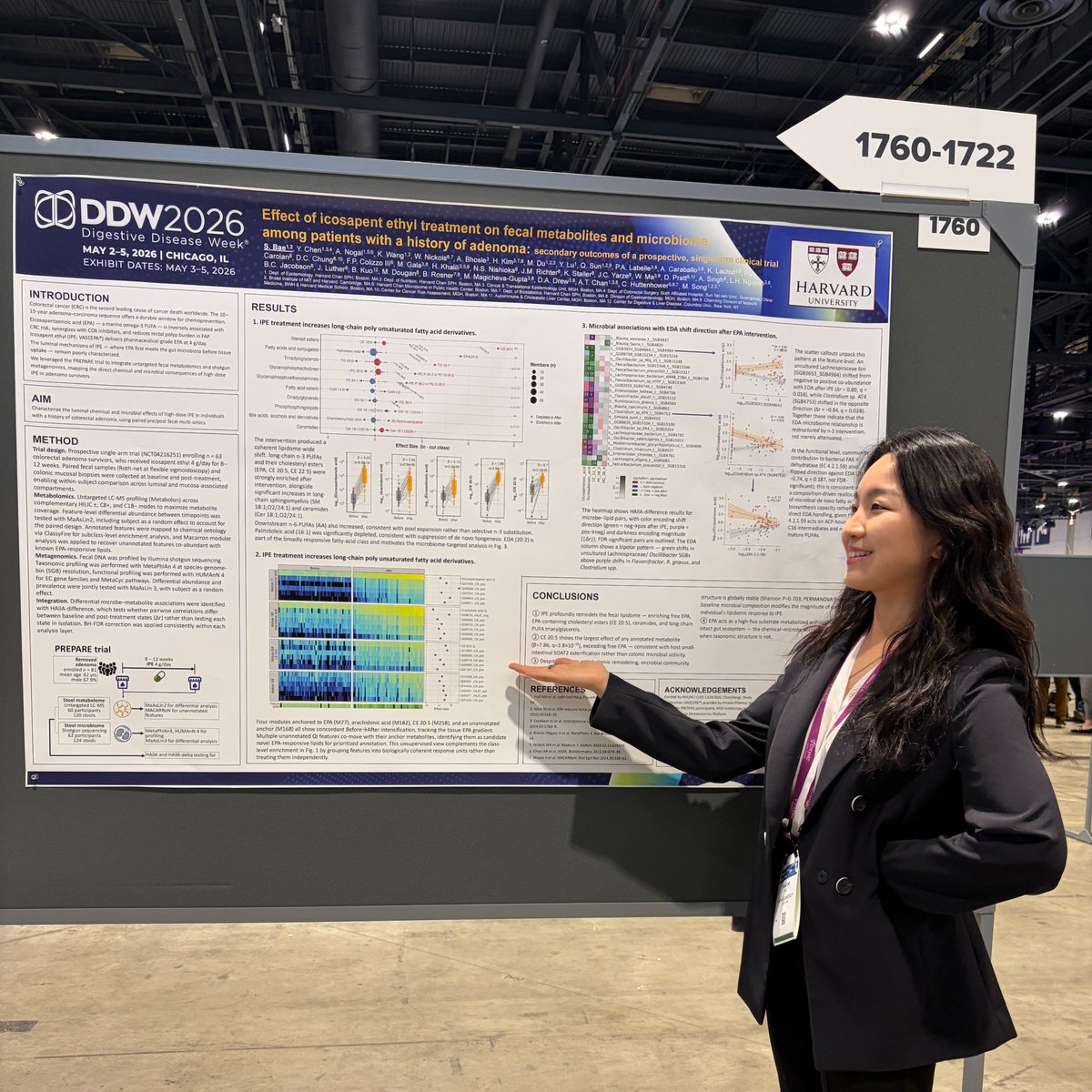
Excited to present our work at #DDW2026 —and proud to share Song Lab’s first presentation at this year’s meeting by our PhD student, Sunjeong Bae.
This multi-omics study from the PREPARE trial shows that high-dose icosapent ethyl (EPA) profoundly reshapes the fecal lipidome—without major shifts in microbiome structure—highlighting a rewiring of host–microbe chemical interactions.
If you didn’t get a chance to stop by, stay tuned for our manuscript!
Thrilled to share that our PhD student Yujia Lu has been awarded the Rose Fellowship!
This is an incredible recognition of their hard work, creativity, and potential.
Huge congratulations — we’re so proud of you!
🎥 We’re excited to share our new video introducing the Song Lab! Hear from a few members of our team as they talk about our research and what it’s like to be part of our lab community. Whether you’re a fellow researcher, student, or simply curious about our work, we hope you enjoy this glimpse into life at the Song Lab.
Special thanks to @HarvardEpi and everyone who has contributed to our work! @MingyangSong3, Markus Dines Knudsen, @wangkaiepi, Mengxi Du, Ana Nogal, Yujia Lu, Heather Andrews, Chen Wang, MD MSc, Xinyu Wang
#Research #Science #Innovation #SongLab
Study in Progress: Investigating Coffee and Cancer Survivorship
We are pleased to provide an update on our ongoing clinical research at Massachusetts General Hospital. The COMMENCER trial (COffee and Metabolites Modulating the Gut MicrobiomE in Colorectal caNCER) is a double-blind, placebo-controlled study examining how coffee consumption may affect metabolic health, the gut microbiome, and survivorship in people with colorectal cancer.
At this stage, we are still enrolling participants and collecting data, with more than 20 individuals enrolled so far. As enrollment and data collection continue, we look forward to sharing findings in the future.
We are grateful to our research team, collaborators, and especially our participants for making this work possible!
@HarvardEpi@HarvardChanSPH@MingyangSong3
#CancerResearch #CoffeeScience #GutMicrobiome #ColorectalCancer #HarvardChan #MGH #ClinicalTrials
New Research on Traditional Serrated Adenomas and Colorectal Cancer Risk! 🌟
Excited to share important new findings from our team! Our lab member, Dr. Yufeng Chen, is first author on a newly published study in the American Journal of Gastroenterology that sheds light on the risks associated with traditional serrated adenomas (TSAs).
Analyzing data from over 109,000 colonoscopies, the study revealed that patients with TSAs are at substantially increased risk of developing subsequent high-risk polyps and colorectal cancer compared to those without polyps. Importantly, the risk is highest within the first three years after TSA removal.
Key takeaway: This research supports the current guidelines recommending three-year surveillance colonoscopies after TSA removal to help prevent colorectal cancer.
Congratulations to Yufeng & collaborators! Proud to see our research contributing to improved colorectal cancer prevention. @HarvardEpi@HarvardChanSPH@MingyangSong3
Read more: https://t.co/OEtHvvy6pr
#SongLab #ColorectalCancer #GI #Endoscopy
Exciting news from the Throne Holst Symposium at the University of Oslo’s Department of Nutrition! 🎉
This year, Markus Dines Knudsen—nominated by Anette Hjartåker, research group leader of Nutritional Epidemiology—was awarded Best Article of the Year by a Young Scientist for his paper published in JAMA Oncology: "Colorectal Cancer Incidence and Mortality After Negative Colonoscopy Screening Results."
This important research was a collaboration between the Song Lab at Harvard T.H. Chan School of Public Health and our colleagues in Oslo. The committee highlighted the study for advancing clinical practice guidelines, demonstrating the impact of international collaboration, and publishing in a leading journal.
Congratulations, Markus! We’re proud to be part of research that helps shape the future of nutrition and cancer epidemiology.
@HarvardChanSPH@HarvardEpi@MingyangSong3@NCICancerCtrl@AmericanCancer
#InternationalCollaboration #CancerEpidemiology
Colorectal polyps are increasingly being found in adults under 50.
This concerning trend may help explain the rising number of colorectal cancer cases in younger individuals.
At this year's Digestive Disease Week (DDW), Song Lab visiting scholar Yufeng Chen presented research showing that people under 50 who develop colorectal polyps face a similar risk of progression as older adults.
What does this mean? Timely screening and ongoing monitoring are just as important for younger adults—not just those over 50.
As we learn more about what’s driving earlier onset of colorectal cancer, these findings underscore the need to reconsider how and when we screen.
#DDW2025 #ColorectalCancer #DigestiveHealth #CancerScreening #EarlyDetection #PublicHealth #CancerResearch
@HarvardEpi@MingyangSong3@DDWMeeting
Yesterday, Markus Dines Knudsen and Song Lab PI @MingyangSong3 shared compelling findings on how adopting healthier lifestyle habits after a colonoscopy screening could lower the risk of colorectal cancer and other major chronic diseases. #DDW2025
Their research highlights the powerful role of prevention and behavior change in long-term health outcomes.
@HarvardEpi@DDWMeeting
#CancerPrevention #ColorectalCancer #PublicHealth
Maintaining a healthy lifestyle after a colorectal cancer diagnosis is linked to a significantly lower risk of cardiovascular disease and mortality. These findings highlight the importance of integrating lifestyle interventions into oncology care to improve cardiovascular health among survivors.
Learn more about Song Lab member Mengxi Du's research findings at Digestive Disease Week 2025! #DDW2025 #CardiovascularHealth #OncologyCare #CardioOncology
@HarvardEpi@MingyangSong3@DDWMeeting
Why is colorectal cancer risk still high after adenoma removal? The gut microbiome and its metabolites might hold the answer! Dive into our findings with Ana Nogal at #DDW2025. #Microbiome#CRC
This May, we are proud to feature @SongLabHarvard over the coming weeks 🎉
The Song Lab, founded in 2018 by Principal Investigator @MingyangSong3, focuses on the clinical & translational epidemiology of #colorectalcancer
Follow us to learn more about the lab all month long
Kai Wang will deliver two talks at Digestive Disease Week 2025 #DDW2025:
May 3 at 2:15 PM (Room 29CD): Exploring how diet shapes fecal bile acid profiles and impacts colorectal neoplasia risk.
May 4 at 11:00 AM (Room 28DE) — AGA Basic Science Plenary: Unveiling how the gut microbiome drives bile acid metabolism through a multiomics analysis involving metagenomics, metabolomics, and proteomics.
His work bridges diet, microbiome, and cancer prevention. If you’re attending DDW, you won’t want to miss these sessions! @HarvardEpi@MingyangSong3
#Microbiome #BileAcids #CancerPrevention #GutHealth #ColorectalCancer
🔬 Presentation Spotlight | #DDW2025 🔬 Song Lab member Xinyu Wang will be presenting in the GI Oncology Plenary session at Digestive Disease Week 2025 on May 4.
She’ll share findings on how the metabolomic signature of ultra-processed food (UPF) intake was linked to a higher risk of developing polyps, including conventional adenoma and serrated polyps. Our findings offer biological insights into the link between ultra-processed food and the early stages of colorectal neoplasia.
We’re excited to support her and share this work with the GI research community.
@HarvardEpi@HarvardChanSPH@MingyangSong3
#DDW2025 #Metabolomics #UPF #ColorectalCancer #NutritionalEpidemiology #CancerPrevention #GIOncology
Our lab is headed to sunny San Diego for #DDW2025 May 3–6! 🌴 We’re presenting exciting new research on GI cancer prevention, the microbiome, metabolomics, and more. Catch us on site or online at @DDWMeeting!
We’ll be sharing more details about our presentations in the weeks leading up to and throughout the conference—stay tuned! 🔍
#GastroResearch #Microbiome #CancerPrevention
@AndyChanMD@wangkaiepi@HarvardEpi@HarvardChanSPH@MingyangSong3@HSPHCancerEpi
New Seminar Alert 🚨
Join us on Friday, March 21 at 2:00pm EST for Dr. Marc Gunter's presentation on "Metabolic Dysfunction and Cancer: New Insights from Molecular Epidemiology and Interventional Approaches"
Attend in person or virtually. Register now ⬇️ https://t.co/V5c1NxC5eg
We’re excited to announce that 10 researchers from the Song Lab will present their work at Digestive Disease Week (DDW) 2025! Our efforts in GI research and cancer epidemiology focus on translating findings into future real-world impact. Key focus areas include:
-The impact of lifestyle changes post-colonoscopy on colorectal cancer and chronic diseases.
-Metabolomic signatures of ultra-processed foods and their cancer associations.
-Gut microbiome insights along the adenoma-carcinoma continuum.
Our team's commitment goes beyond advancing scientific knowledge—it aims to create tangible benefits for public health.
We're looking forward to #DDW2025. Hope to see you there! @AndyChanMD@wangkaiepi@HSPHCancerEpi@HarvardEpi@HarvardChanSPH@MingyangSong3@HSPHCancer
#CancerResearch #ColorectalCancer #RealWorldImpact #GutMicrobiome #DDW2025